Content
A rough idle, slow acceleration, trouble starting the engine, higher fuel use, and an illuminated check engine light are the most common bad spark plug symptoms drivers notice first. Worn spark plugs symptoms tend to build up gradually, so many drivers do not connect them to the ignition system until the plugs are pulled and inspected directly.
Spark plugs sit at the center of the ignition system, firing a small electrical spark that ignites the compressed air and fuel mixture inside each cylinder. As the electrode wears down and the gap widens over time, that spark becomes weaker and less consistent, which shows up first as small performance changes and later as more noticeable drivability problems.
This guide walks through 10 warning signs that point to worn spark plugs, explains how spark plug type affects replacement interval, and shows what to expect from spark plugs for gasoline engines used in typical passenger cars.
| 10Warning Signs Covered | 3Core Plug Types Compared | 120,000miIridium Plug Lifespan |

Not every sign below appears at once. In most cases, one or two symptoms show up first, and the rest follow as the electrode continues to wear and the spark grows weaker.
A healthy engine idles smoothly with a steady, low vibration. Worn spark plugs symptoms often start here, with the engine shaking slightly or the idle speed drifting up and down while the car is stopped.
When the spark is inconsistent, the engine cannot burn fuel as efficiently under load. The car may feel like it is holding back when the accelerator is pressed, especially when merging or climbing a grade.
A weak or fouled spark plug makes it harder to ignite the fuel mixture on the first attempt, particularly in cold weather. Repeated cranking before the engine catches is a common early symptom.
A misfire happens when a cylinder fails to fire correctly, producing a brief stumble, jerk, or popping sound from the engine. Frequent misfires are one of the clearest bad spark plug symptoms and often trigger a warning light.
Incomplete combustion from a weak spark means the engine burns more fuel to produce the same amount of power, so a noticeable drop in fuel economy over a few tanks is worth investigating.
Modern engine control systems track misfires and combustion irregularities in real time. A check engine light paired with a misfire related code is a strong indicator that spark plugs should be inspected.
Unburned fuel and irregular combustion can make the engine sound rougher or louder than usual, sometimes described as a pinging, knocking, or popping noise under acceleration.
Inconsistent spark timing can cause the engine to briefly surge forward or jerk at a steady speed, even when the accelerator position has not changed.
Towing, climbing hills, or carrying a full load makes weak spark plugs symptoms more obvious, since the engine has less spare capacity to compensate for incomplete combustion.
A direct inspection often confirms what the symptoms suggest. A rounded, pitted, or heavily eroded electrode tip, along with a gap that has widened beyond specification, is a clear physical sign that replacement is due.
Several spark plug symptoms overlap with other common engine issues, which is why misdiagnosis is common. The comparison below highlights how to tell the two apart before assuming a costlier repair is needed.
| Symptom | Often Mistaken For | How To Tell It Is Spark Plug Related |
|---|---|---|
| Rough Idle | Vacuum leak or dirty throttle body | Idle steadies after plug inspection and gap check |
| Poor Acceleration | Clogged fuel filter | Occurs across all RPM ranges, not only under load |
| Hard Starting | Weak battery | Still occurs with a fully charged battery |
| Check Engine Light | Oxygen sensor fault | Misfire related codes point to the ignition system |
Fuel efficiency rarely drops all at once. It tends to fade gradually as the electrode wears and the spark gap widens, which is part of why the change can go unnoticed for a while.
This illustrative pattern reflects a general reference trend rather than a single measured test. The overall direction is consistent, though: as spark plug wear increases, fuel efficiency and throttle response typically decline together, and both often return to normal after replacement.
Replacement interval depends heavily on the electrode material. Copper plugs wear fastest but are inexpensive to inspect and swap, while platinum and iridium plugs are built for longer service life.
These are commonly cited ranges for spark plugs used in passenger cars, and the exact interval for a given vehicle should still follow the manufacturer service schedule, since driving conditions and engine design can shift the number in either direction.

Some symptoms are reported far more frequently than others because they are easiest for a driver to notice without any tools. The chart below gives a general reference view of how often each symptom tends to be the first one a driver mentions.
Rough idle and slow acceleration tend to be the earliest bad spark plug symptoms drivers describe, while a check engine light more often shows up after the issue has progressed further.
Material choice affects far more than lifespan. The radar chart below compares copper and iridium spark plugs across the factors that most influence day to day drivability.
Iridium plugs generally hold a tighter, more consistent gap over a longer mileage span, which supports steadier ignition efficiency and cold start performance. Copper plugs still perform well early in their service life and remain a common choice for simpler gasoline engines.
OEM spark plugs are built to match the exact specification the vehicle manufacturer originally selected, while aftermarket spark plugs are produced to an equivalent fit and performance specification, often by an OEM spark plug supplier or wholesale spark plugs supplier that also manufactures for other channels.
| Aspect | OEM Spark Plugs | Aftermarket Spark Plugs |
|---|---|---|
| Specification Match | Matches original vehicle specification directly | Built to an equivalent fit and heat range |
| Branding | Sold under the vehicle brand name | Sold under the manufacturer or a private label |
| Sourcing Flexibility | Tied to a single dealer network | Available through a wider parts supply chain |
Ningbo Marshal Auto Parts Co., Ltd. operates as an automotive spark plug manufacturer with production and engineering capability that has continued to expand across multiple product lines. Engineering development draws on close to 30 years of design and reverse engineering experience applied to spark plugs for gasoline engines used in passenger cars.
High strength insulators are shaped using continuous 360 degree laser processing for consistent construction, and the company operates its own ceramic factory, producing insulators in house with a thickened nose design, high density, and improved dielectric strength to support the demands of modern engines. Electrode materials are selected for conductivity, heat resistance, heat dissipation, and resistance to ablation, while shell materials are developed for better malleability, toughness, and hardness to reduce shell breakage and improve heat dissipation.
Internal testing draws on more than 17 recognized spark plug test methods used across international and domestic practice, supported by over 34 additional internally defined performance checks, with inspection coverage built into control points across the full production process.
As an OEM spark plug supplier and wholesale spark plugs supplier, the company also produces custom automotive spark plugs and supports private label spark plugs manufacturer programs for partners that need consistent specification across gasoline engine applications.
Q1. How do I know if my spark plugs need replacing?Watch for a rough idle, slower acceleration, harder starts, higher fuel use, or a check engine light, then confirm with a direct inspection of the electrode and gap. |
Q2. How many miles do spark plugs last?Copper plugs typically last up to around 20,000 miles, platinum plugs up to around 60,000 miles, and iridium plugs up to around 120,000 miles. |
Q3. What are the symptoms of worn spark plugs?Common symptoms include rough idle, engine misfires, slow acceleration, harder starts, increased fuel consumption, and an illuminated check engine light. |
Q4. Are iridium spark plugs worth it?Iridium plugs generally offer longer service life and more consistent ignition efficiency, which can suit drivers who prefer fewer replacement intervals. |
Q5. Can spark plugs improve engine performance?Replacing worn spark plugs restores consistent spark timing, which often improves idle smoothness, throttle response, and fuel efficiency back toward normal levels. |
Q6. What is the difference between OEM and aftermarket spark plugs?OEM plugs match the original vehicle specification directly, while aftermarket plugs are built to an equivalent fit and performance specification through a wider supply chain. |
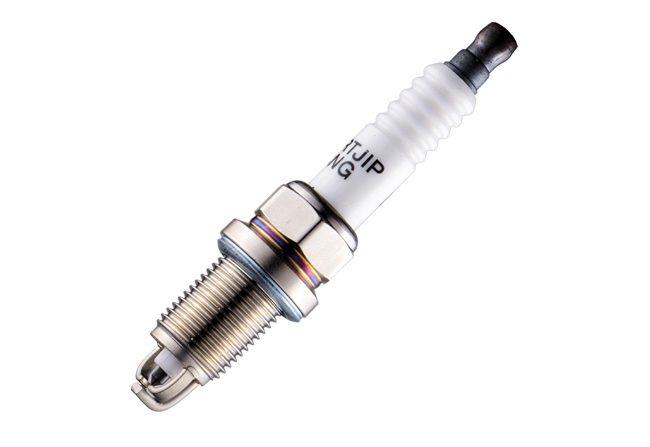
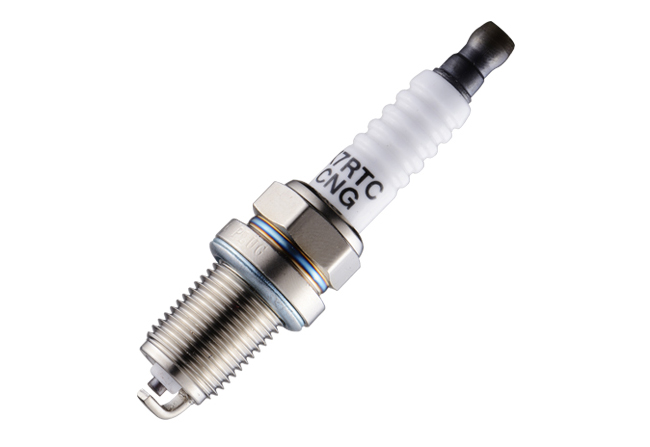
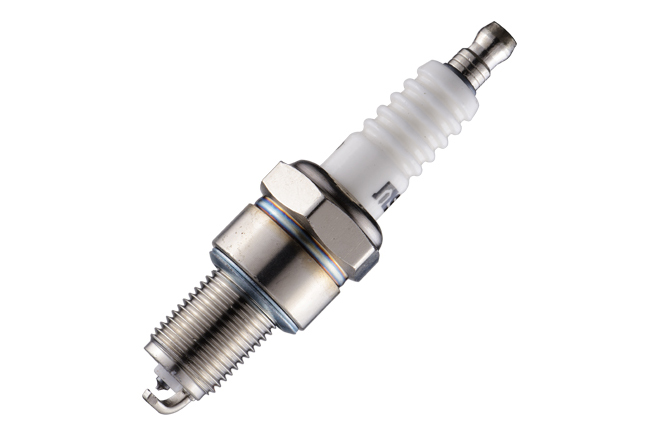
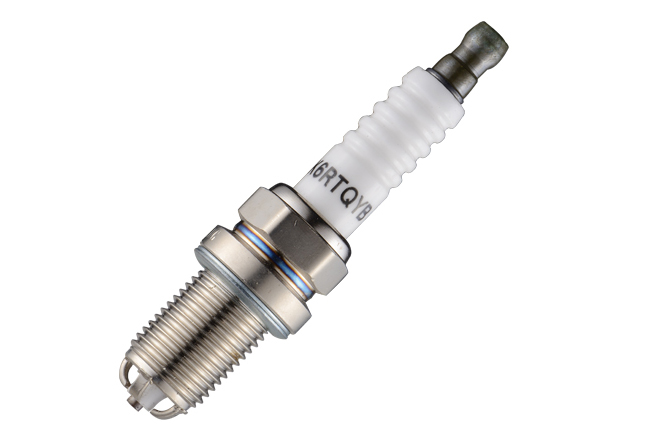
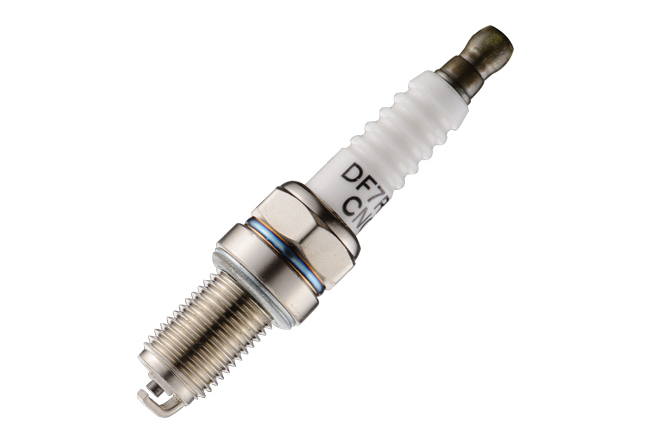
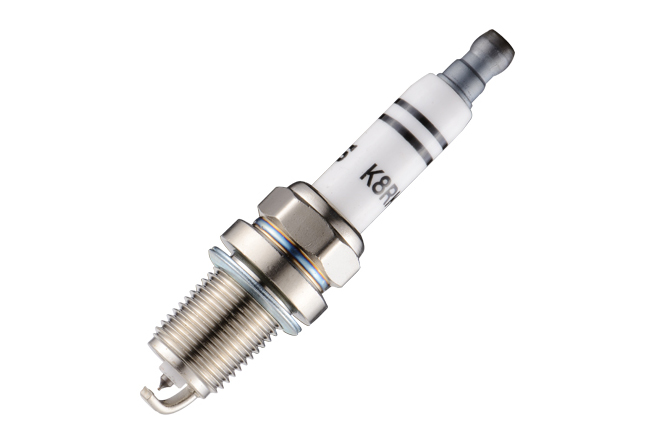
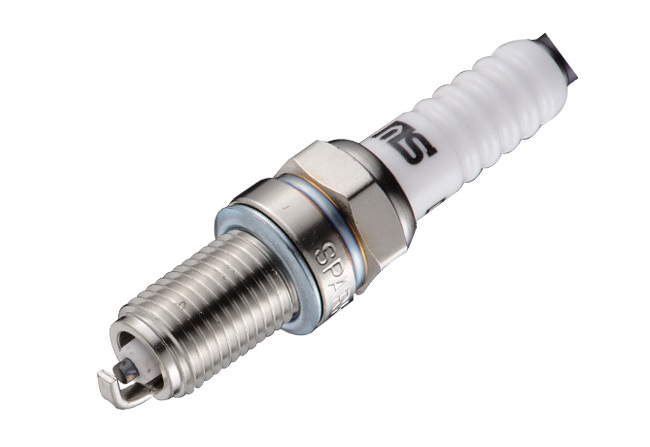

NINGBO MARSHAL AUTO PARTS CO., LTD. is a research and development, production and sales of professional manufacturers of spark plugs. Our company's spark plugs are mainly used in gasoline, natural gas and liquefied petroleum gas as fuel for all types of automobiles.
COPYRIGHT NINGBO MARSHAL AUTO PARTS CO., LTD. ALL RIGHTS RESERVED. Custom Spark Plugs Manufacturers OEM Spark Plugs Suppliers


 English
 中文简体
中文简体