The clearest signs that your spark plugs need replacement include rough idling, hard starts, misfires, decreased fuel economy, sluggish acceleration, engine surging, and a lit check engine light. Most standard spark plugs should be replaced every 30,000–45,000 miles, while premium iridium or platinum spark plugs can last 60,000–100,000 miles or more. Acting on these warning signs early can prevent costly engine damage and keep your vehicle running efficiently.
As a central component of your engine's ignition system, automotive spark plugs deliver the electric spark that ignites the air-fuel mixture inside each cylinder. When a plug degrades, every aspect of engine performance suffers. This spark plug guide walks you through the key warning signs, how to read plug condition, material comparisons, and everything you need to know to make the right replacement decision.
Content
Identifying spark plug failure early is one of the most cost-effective forms of engine maintenance. Below are the seven most reliable indicators that it's time for new spark plugs.
A healthy engine idles smoothly at a consistent RPM. Worn spark plugs cause misfires that result in the engine shaking, vibrating, or producing an uneven sound at idle. This symptom often worsens when the vehicle is stationary and becomes more noticeable at low RPM ranges where ignition consistency matters most. Studies show that a single misfiring cylinder can increase fuel consumption by up to 25%.
If your engine cranks but hesitates to fire, degraded spark plugs are a primary suspect. Worn electrodes or fouled plugs cannot generate the high-voltage arc needed to ignite the air-fuel mixture, especially in cold weather when fuel atomization is already challenging. Hard starts are especially common in vehicles that have exceeded their recommended spark plug replacement interval by more than 10,000 miles.
Engine misfires feel like a sudden stumble or hesitation during acceleration. They occur when one or more cylinders fail to fire correctly due to an inconsistent spark. Beyond poor performance, persistent misfires allow unburned fuel to reach the catalytic converter, which can overheat and fail — a repair that can cost significantly more than a simple plug replacement.
When spark plugs fail to ignite the air-fuel mixture completely, the engine compensates by using more fuel. Research from automotive engineers indicates that faulty spark plugs can reduce fuel efficiency by 20–30%. If you notice more frequent trips to the gas station without a change in driving habits, worn spark plugs are a likely cause. Replacing them with properly gapped, high-quality engine spark plugs can restore optimal combustion efficiency.
Noticeably slow acceleration — particularly when merging onto highways or climbing grades — often points to a degraded ignition system. Worn spark plugs produce a weaker spark, reducing combustion pressure in the cylinder and directly lowering torque output. Drivers often describe this as the car feeling "heavy" or "lazy." This is among the most common spark plug differences noticed between old and new plugs.
Engine surging — a sudden, unexpected increase in RPM followed by a drop — is a sign of inconsistent combustion. This often happens when spark plugs are partially fouled and deliver an intermittent spark. Similarly, hesitation upon pressing the accelerator suggests the ignition system cannot respond predictably. Both symptoms degrade driving safety and should be addressed promptly.
Modern vehicles store fault codes when a misfire is detected. The most frequent OBD-II misfire codes — P0300 (random misfire), P0301–P0308 (cylinder-specific misfire) — are directly linked to spark plug condition. While a check engine light has many potential causes, spark plug failure is among the top three most commonly diagnosed issues in shops worldwide. A diagnostic scan combined with a visual plug inspection can confirm the issue quickly.
Performance Loss from Worn Spark Plugs (%)
This horizontal bar chart illustrates the approximate percentage of performance degradation in key engine metrics when spark plugs are worn. Cold start reliability suffers the most, with up to a 50% drop in consistent ignition. Idle stability and fuel economy also experience significant losses, reinforcing why timely spark plug replacement is a high-priority maintenance task for any gasoline-powered vehicle.
Understanding the spark plug differences between iridium and platinum is essential for choosing the right automotive ignition parts for your vehicle. Both are premium spark plugs that outlast standard copper plugs, but they differ in durability, heat tolerance, and spark plug application.
| Feature | Standard (Copper) | Platinum Spark Plugs | Iridium Spark Plugs |
|---|---|---|---|
| Electrode Material | Copper/Nickel | Platinum tip | Iridium tip |
| Service Life | 30,000–45,000 mi | 60,000–100,000 mi | 80,000–120,000 mi |
| Melting Point | 1,085°C | 1,768°C | 2,450°C |
| Electrode Diameter | 2.5 mm | 0.8–1.1 mm | 0.4–0.6 mm |
| Ignition Voltage Required | High | Medium | Low |
| Best Application | Older/basic engines | Daily drivers | Performance & modern engines |
Iridium spark plugs carry the highest melting point of any electrode material at approximately 2,450°C, making them exceptionally resistant to wear even under extreme heat. The fine 0.4–0.6mm electrode tip requires less voltage to fire, improving ignition reliability and reducing strain on ignition coils. For modern engines — especially turbocharged, direct-injection, or high-compression designs — iridium is frequently the OEM-recommended choice.
Platinum spark plugs sit between copper and iridium in both cost and performance. Single-platinum plugs use a platinum disc on the center electrode, while double-platinum designs include platinum on both electrodes — improving durability in distributor-based ignition systems. They are a reliable choice for vehicles with standard ignition systems seeking a longer service interval than copper without the premium of iridium. Both kinds of spark plugs are far superior to standard copper plugs for longevity.
Iridium vs Platinum: Performance Radar
This radar chart compares iridium and platinum spark plugs across six performance dimensions. Iridium consistently scores higher in durability, heat resistance, and cold-start reliability — the three areas most critical for modern turbocharged and high-compression engines. Platinum remains a strong performer for standard applications, particularly where extended service life is the primary concern over peak ignition performance.
The appearance of a removed spark plug reveals a great deal about your engine's health. A visual inspection — known as "reading" the plug — is a diagnostic technique used by professional mechanics and knowledgeable DIYers alike. Understanding the parts of a spark plug and what each deposit or wear pattern means helps you diagnose issues beyond simple plug failure.
The key parts of a spark plug involved in these readings are the center electrode, ground electrode, insulator nose, shell, and gap. Each part wears differently depending on operating conditions, making a full visual inspection more informative than a simple gap measurement alone.
The spark plug gap is the precise distance between the center and ground electrodes across which the electrical arc must jump. This seemingly small measurement — typically ranging from 0.028 to 0.060 inches (0.7–1.5mm) depending on the engine — has a significant effect on combustion quality. Too small a gap produces a weak spark; too large a gap requires excessive voltage that may overwhelm the ignition coil, especially at high RPM.
Always verify the recommended gap specification for your specific vehicle before installation. Most OEM specifications are listed in the vehicle's owner manual or on an underhood sticker. While many new spark plugs are pre-gapped from the factory, real-world manufacturing tolerances and shipping conditions mean a final check with a gap tool is always recommended — particularly for performance spark plugs or turbo engine spark plug applications where combustion pressures are higher.
Typical Spark Plug Gap Range by Engine Type (mm)
This column chart shows the typical spark plug gap settings in millimeters for different engine types. Turbocharged engines require a tighter gap (around 0.7mm) because the increased cylinder pressure makes it harder for the spark to jump a wide gap. High-performance naturally aspirated engines, by contrast, benefit from a wider gap of up to 1.5mm to maximize flame kernel size and combustion efficiency. Consulting the OEM specification for your specific engine remains the most reliable approach.
A common question when it comes to spark plug replacement is whether to choose OEM spark plugs or quality aftermarket alternatives. OEM (Original Equipment Manufacturer) plugs are engineered to the vehicle manufacturer's exact specifications — correct heat range, sizes of spark plugs, gap, and electrode configuration. They are the safest choice for warranty-protected vehicles or when exact OEM replication is required.
However, aftermarket spark plugs — particularly those manufactured to rigorous quality standards — can match or exceed OEM specifications. Are spark plugs universal? No. Each engine requires a specific plug matching the correct thread size, reach, heat range, and electrode design. A reputable aftermarket manufacturer will maintain comprehensive spark plug application catalogs that cross-reference OEM part numbers, making it straightforward to identify what spark plugs do I need for my car.
When evaluating aftermarket options, key quality indicators include third-party certification (such as TUV approval), compliance with RoHS and REACH environmental standards, and the use of high-precision manufacturing processes. Insulator quality is particularly important — a high-density alumina ceramic insulator with superior dielectric strength prevents electrical leakage and withstands thermal shock far better than lower-grade materials.
Electrode Wear Over Mileage: Standard vs Premium Spark Plugs
This line chart models the estimated cumulative electrode wear progression for standard copper, platinum, and iridium spark plugs over 100,000 miles of driving. Standard plugs show steep wear progression and typically reach the end of their effective service life by 40,000–45,000 miles. Platinum plugs maintain a slower wear rate, while iridium plugs show the flattest wear curve, preserving more of their original electrode geometry even at 100,000 miles — delivering more consistent ignition performance throughout their service life.
Turbocharged engines place significantly greater demands on spark plugs than naturally aspirated equivalents. Increased cylinder pressures, higher thermal loads, and greater ignition coil stress all contribute to accelerated plug wear in turbo applications. Choosing the correct turbo spark plugs is therefore critical to engine longevity and performance.
When selecting new spark plugs for a turbocharged vehicle, always consult the manufacturer's spark plug application guide rather than assuming the plug used in the naturally aspirated version of the same engine will be appropriate. Even small mismatches in heat range or gap specification can result in premature wear, reduced power under boost, or detonation risk.
Whether performing a DIY spark plug replacement or overseeing the work at a shop, understanding best practices ensures the job is done correctly the first time. Improper installation is one of the most common causes of premature failure in otherwise high-quality engine spark plugs.
Recommended Replacement Intervals by Plug Type (x1,000 miles)
This grouped bar chart compares recommended replacement intervals across three engine types and three plug materials. The data makes clear that iridium consistently delivers the longest service intervals regardless of engine type. In performance and turbocharged applications, the gap between copper and iridium longevity is especially stark — copper plugs may require replacement as frequently as every 20,000 miles in a performance engine, while iridium can last up to 80,000 miles in the same application. Choosing premium spark plugs for demanding engine types is therefore a straightforward investment in reduced maintenance frequency.
NINGBO MARSHAL AUTO PARTS CO., LTD. is a professional manufacturer and factory specializing in automotive spark plugs for gasoline-powered internal combustion engines. With 30 years of development and reverse engineering experience, the company delivers a comprehensive range of spark plugs that meet the demands of modern engine designs.
All electrodes are tested and certified to TUV standards, with full compliance with RoHS and REACH environmental regulations. The ceramic insulators are manufactured entirely in-house using a proprietary 360° Continuous Laser technology process — producing high-density alumina ceramic with superior dielectric strength and a thickened insulator nose design that provides exceptional mechanical strength for modern engine conditions.
The electrode design prioritizes electrical conductivity, heat resistance, efficient heat dissipation, and ablation resistance. Shells are manufactured for optimum malleability, toughness, and hardness — reducing the risk of shell breakage while enhancing heat transfer away from the combustion chamber. This engineering approach supports a broad range of spark plug applications across standard, performance, and turbocharged engine platforms.
Q1. How do I know what spark plugs are right for my car?
Check your vehicle owner's manual or the manufacturer's underhood sticker for the OEM spark plug specification. This will list the correct part number, gap setting, and heat range. You can also use a spark plug application guide cross-referenced by make, model, and engine size. Remember: spark plugs are not universal — the correct plug for your car is specific to your engine design.
Q2. How often should spark plugs be replaced?
Standard copper spark plugs should generally be replaced every 30,000–45,000 miles. Platinum spark plugs offer a service interval of 60,000–100,000 miles, while iridium spark plugs can last 80,000–120,000 miles under normal conditions. Turbocharged or high-performance engines may require shorter intervals — consult the vehicle's maintenance schedule for the most accurate guidance.
Q3. Can worn spark plugs damage my engine?
Yes. Persistent engine misfires caused by worn spark plugs allow unburned fuel to reach the catalytic converter, which can overheat and fail. In turbocharged engines, incorrect or worn plugs can contribute to detonation (knock), which can damage pistons, rings, and bearings over time. Addressing spark plug wear promptly is one of the most effective ways to protect downstream engine components.
Q4. What is the difference between iridium and platinum spark plugs?
Iridium spark plugs feature a finer electrode tip (0.4–0.6mm) and a melting point of approximately 2,450°C, making them more durable and requiring less ignition voltage than platinum plugs. Platinum plugs use a larger electrode tip and have a lower melting point (1,768°C) but still offer substantially longer life than copper. For modern, high-efficiency engines — especially direct-injection or turbocharged designs — iridium is generally the preferred choice.
Q5. Do I need to gap new spark plugs before installing them?
Many new spark plugs come pre-gapped from the factory, but it is always advisable to verify the gap against your vehicle's specification before installation. Manufacturing tolerances and shipping handling can cause minor variations. For performance engines or turbo applications where precision matters most, checking and adjusting the gap with a proper gapping tool is a recommended step that takes only a few seconds per plug.
Q6. Can I replace spark plugs myself, or should I go to a mechanic?
Spark plug replacement is one of the more accessible DIY maintenance tasks for most vehicles with a standard inline or V-configuration engine. You will need a spark plug socket, a torque wrench, and a feeler gauge for gap verification. However, some vehicles — particularly those with direct-injection, coil-on-plug configurations in tight engine bays, or V-type engines requiring intake manifold removal — are better handled by an experienced technician to avoid damaging components during access.
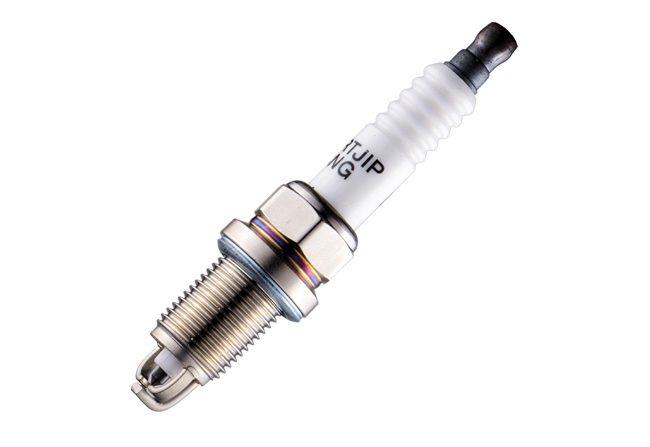
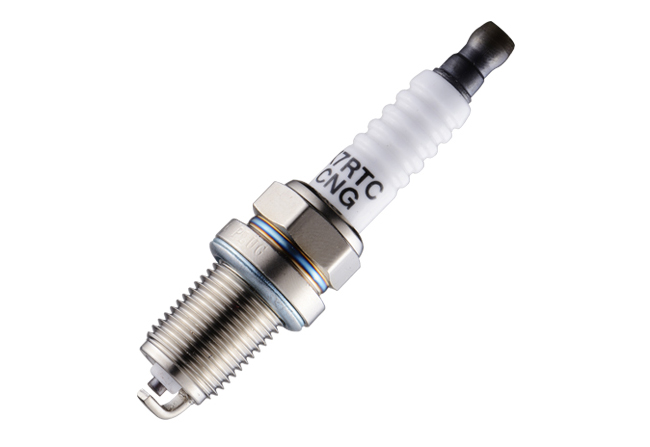
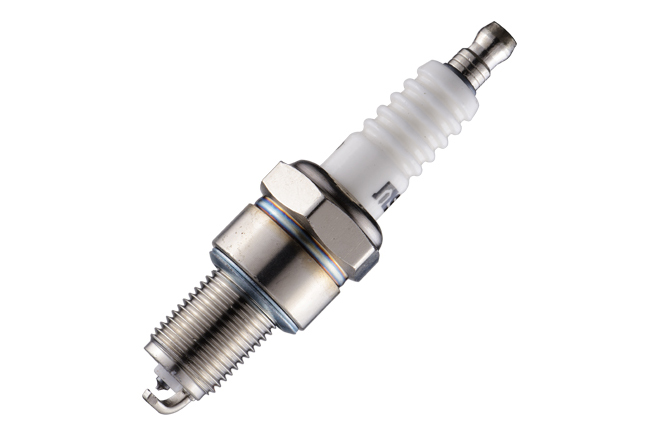
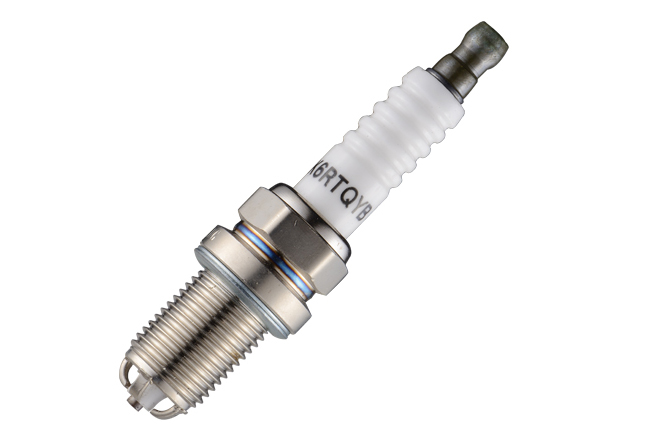
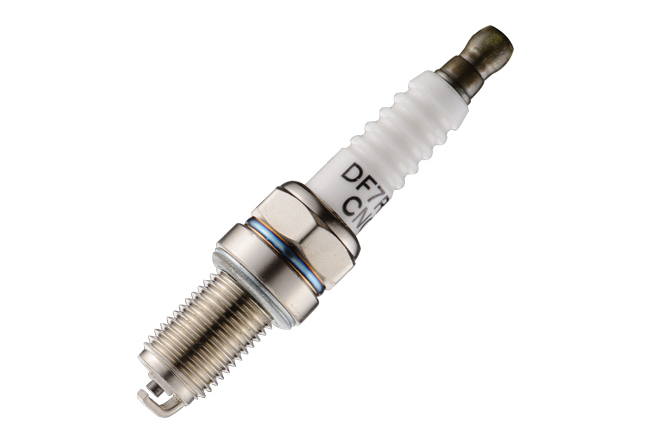
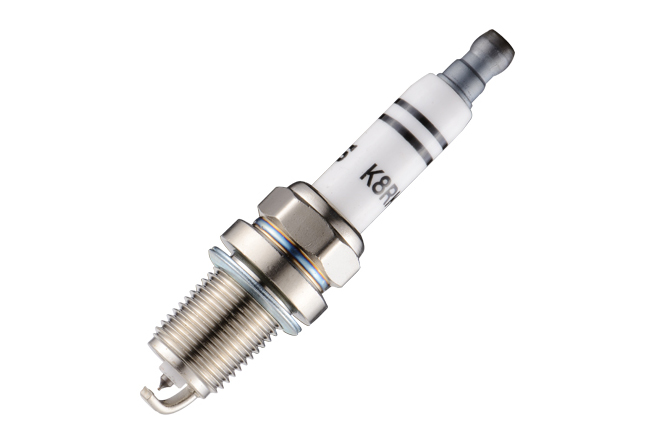
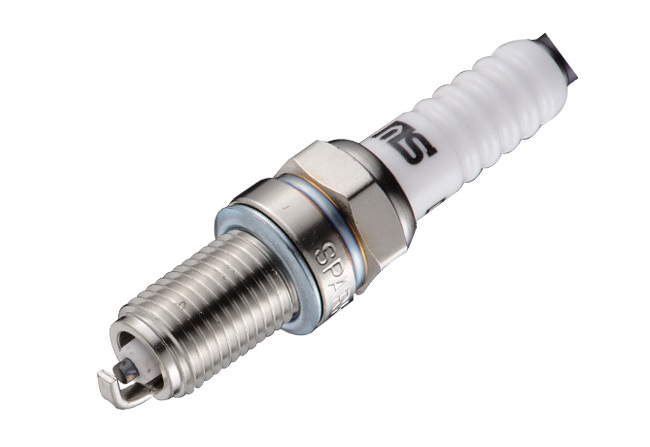

NINGBO MARSHAL AUTO PARTS CO., LTD. is a research and development, production and sales of professional manufacturers of spark plugs. Our company's spark plugs are mainly used in gasoline, natural gas and liquefied petroleum gas as fuel for all types of automobiles.
COPYRIGHT NINGBO MARSHAL AUTO PARTS CO., LTD. ALL RIGHTS RESERVED. Custom Spark Plugs Manufacturers OEM Spark Plugs Suppliers


 English
 中文简体
中文简体