A four-cylinder sedan arrives with a flashing check-engine light, a P0302 misfire code and a set of four iridium plugs fitted eighteen months earlier. The plugs are genuine and the gap is correct, yet the engine idles worse than it did on the cheap nickel set it left the factory with. In most cases like this the electrode material is not the problem — the heat range, the reach or the ignition system the plug is bolted into is.
So here is the short answer before the detail. Automotive spark plug types answer two separate questions. Electrode material decides how long the plug lasts and how much voltage the coil has to produce. Mechanical specification — thread, reach, hex, seat type and heat range — decides whether the plug works at all. A perfect iridium plug in the wrong heat range is worse than an inexpensive nickel plug in the right one.
Rule of thumb for a parts counter: match the physical stack first, the heat range second, and the electrode material last. Material is a cost-per-kilometre decision; geometry is a run-or-fail decision.
Content
Catalogues list thousands of part numbers, but nearly all of them collapse into four families. The table below is the version worth memorising.
| Type | Electrode construction | Typical window | Best suited to | Main risk |
|---|---|---|---|---|
| Nickel (copper core) | Nickel-alloy center and ground electrode, copper core for heat transfer | 30,000–50,000 km | Older port-injection engines, small engines, short service intervals | Gap grows fastest; misfires under load if left in too long |
| Single platinum | Platinum pad on the center electrode only | 60,000–90,000 km | Engines whose OEM specification calls for platinum on one side | Wrong choice for waste-spark ignition systems |
| Double platinum | Platinum on both center and ground electrodes | 80,000–100,000 km | Distributorless waste-spark systems that fire each plug in both polarities | Substituting single platinum wears the ground electrode quickly |
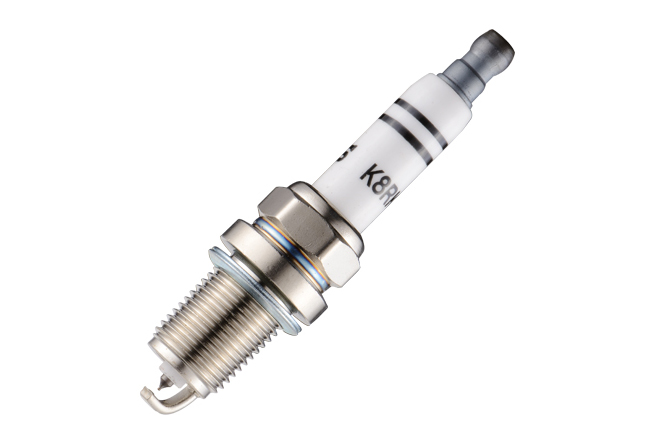
| Iridium fine wire | 0.4–0.7 mm iridium tip, often paired with a platinum ground pad | 100,000–150,000 km | Coil-on-plug, turbocharged, direct-injection and high-compression engines | Higher unit price; the fine tip cracks if gapped by levering |
Two properties drive almost every difference between these types: melting point and tip geometry. Nickel alloys melt at roughly 1,455 °C, platinum at about 1,768 °C and iridium at about 2,446 °C. A fine-wire tip also concentrates the electric field, so the same gap breaks down at a lower voltage — headroom that matters on turbocharged, lean-burn and high-compression engines running on aging coils.
Service life follows the same physics. A nickel electrode erodes and the gap widens; every 0.1 mm of gap growth raises the voltage the coil must supply, and eventually the spark finds an easier path or simply fails under load. That is why a misfire often appears at high load long before the plug looks visibly worn.
Heat range is a thermal choice, not a material one. It describes how quickly the insulator nose sheds heat into the shell and head. Too hot and the tip glows, igniting the mixture before the spark does; too cold and it carbon-fouls during short journeys. Numbering conventions run in opposite directions between manufacturers, so cross-referencing by number alone is a trap — one brand's "6" is another brand's "20".
Reach is the distance from the seat to the end of the thread. A few millimetres too long and the electrodes meet the piston crown; too short and the spark sits inside the thread bore, carboning up and misfiring. Common reaches are 19 mm and 26.5 mm, with hex sizes of 16 mm (5/8 in), 20.8 mm (13/16 in) and 14 mm. Seat type matters too: a flat gasket compresses and cannot be reused, while a tapered seat seals metal to metal and needs a clean, undamaged counterbore.
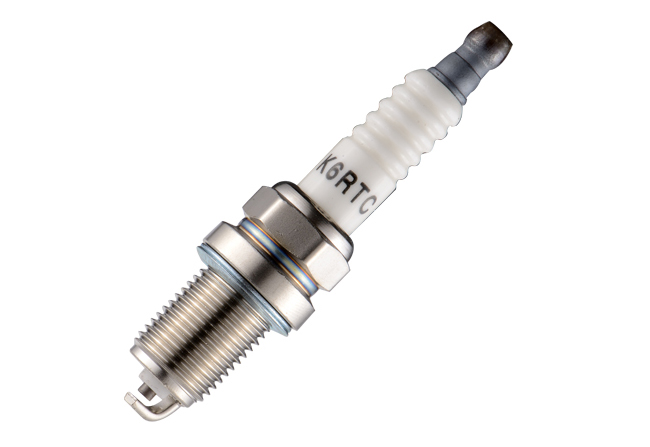 MS-MARSHAL K6RTC Custom Automotive Spark PlugsA custom K6RTC spark plug for gasoline, natural gas and LPG engines, with in-house ceramic production and IATF16949/ISO9001 quality controls.View Product →
If the vehicle is a fifteen-year-old runabout covering 8,000 km a year, nickel plugs replaced every third service usually cost less over the ownership period than one set of iridium. If the engine is turbocharged, direct-injected, or the plugs sit under an intake manifold that takes two hours to remove, iridium pays for itself in labour alone.
The chart is a relative index rather than a measurement: it simply arranges the three families on the four things that decide a workshop's choice. Note the crossover — iridium wins on life and heat, loses on price, and only pulls ahead on fouling resistance when the engine is in good condition to begin with.
Gas engines burn leaner and hotter than petrol, and the drier charge is harder to ignite. CNG plugs usually sit one heat range colder, use electrode alloys that resist high-temperature oxidation, and are gapped to suit a higher breakdown voltage. Fitting a standard petrol plug to a converted engine is one of the most common causes of burnt valves and dropped power.
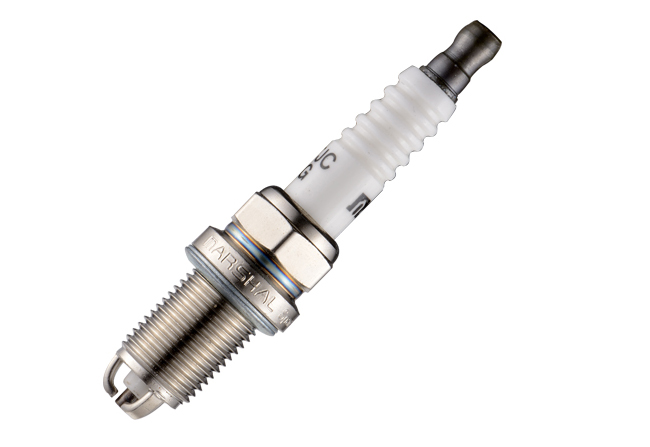 MS-MARSHAL K7RTJC-CNG Automotive Spark PlugThe K7RTJC-CNG model has a 14 mm thread, 19 mm reach, gasket seat and resistor; review it for CNG-related spark plug applications.View Product →
A fine iridium center tip paired with a platinum ground pad gives most of the iridium benefit at a lower price, and the platinum pad handles the ground-electrode wear that waste-spark systems cause. It is a sensible middle step for engines that specify a long-life plug but see a lot of short-trip duty.
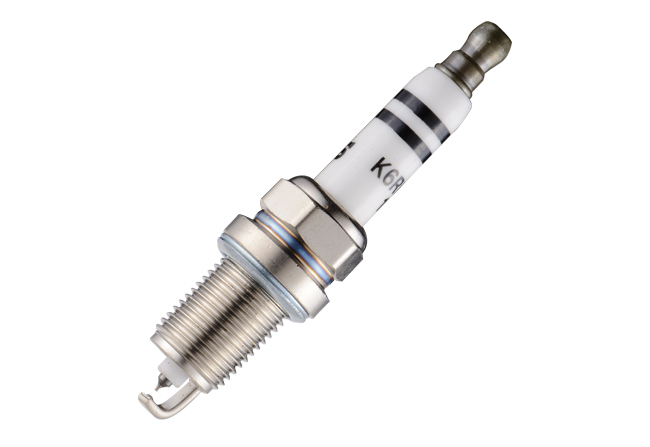 MS-MARSHAL K6RKAIP-11 Iridium Platinum Spark PlugWith a 19 mm reach, 14 mm thread and iridium center/platinum ground electrodes, this resistor plug is relevant to automotive ignition applications.View Product →
A projected nose pushes the spark further into the combustion chamber, which helps lean-burn engines light off cleanly. Multi-ground plugs use two to four ground electrodes for redundancy in stationary and industrial engines, at the cost of slightly shielding the flame kernel.
A plug is defined by six dimensions that must all match: thread diameter, thread pitch, reach, hex size, seat type and heat range — plus terminal type and suppression resistance. Two plugs can share a prefix and still differ by 2.5 mm of reach, which is enough to change how the engine runs. Buyers who treat a cross-reference table as a lookup rather than a checklist eventually meet a piston.
This is why reverse engineering matters more than catalogue copying. A factory that produces its own ceramic insulators controls density and dielectric strength directly rather than buying them in; Ningbo Marshal, for instance, has been building plugs since 1992, laser-welds precious-metal electrodes, and works to 17 international and national spark plug test standards, with electrodes certified to RoHS and REACH. For a buyer, the practical step is to measure the old plug against the new one before the box is opened — our guide to how to choose the right automotive spark plugs walks through the checks, and the one-stop spark plug programme shows how the ranges are grouped by application.
Nickel (copper-core), single platinum, double platinum and iridium fine wire. They differ in electrode material and tip design, not in the thread that holds them in the cylinder head.
Iridium lasts longer and needs less ignition voltage, which suits coil-on-plug and turbo engines. Platinum is cheaper and perfectly adequate where the manufacturer already specifies it.
Yes, provided thread, reach and heat range match. The gain is service life, not horsepower — that expectation is a common myth.
Use the OEM number. If the engine is modified, go one step colder for each meaningful rise in combustion temperature, then read the plugs after a few hundred kilometres.
Follow the OEM schedule: typically 30,000–50,000 km for nickel, 60,000–100,000 km for platinum and 100,000–150,000 km for iridium.
Yes. Gas engines run leaner and hotter, so CNG plugs usually sit one heat range colder and use electrode materials that resist high-temperature oxidation.
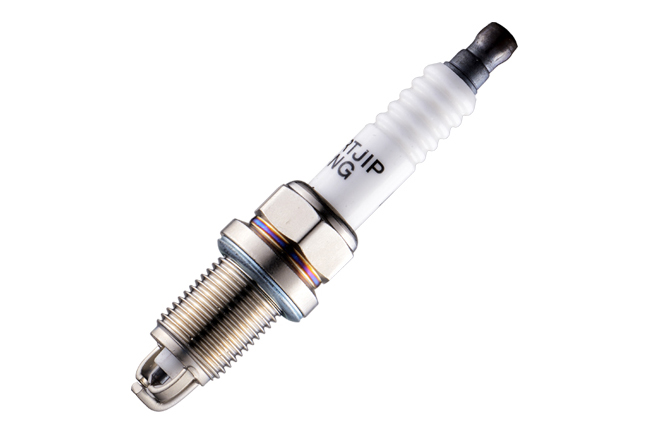
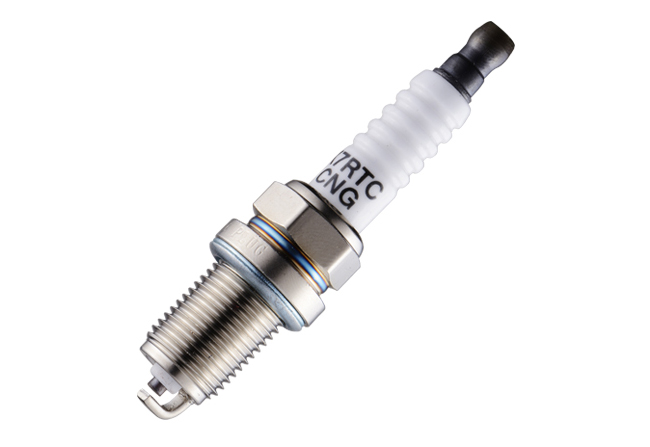
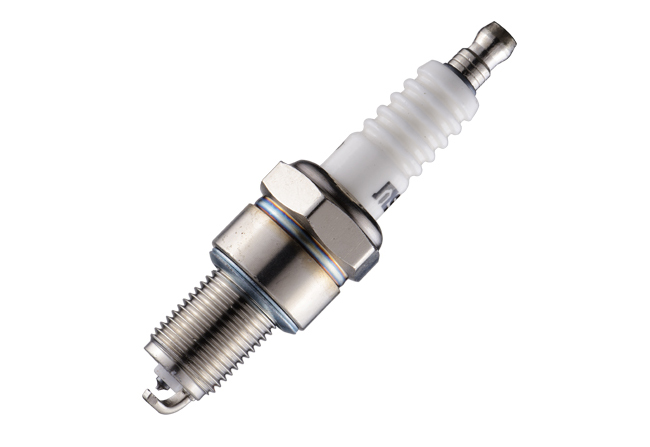
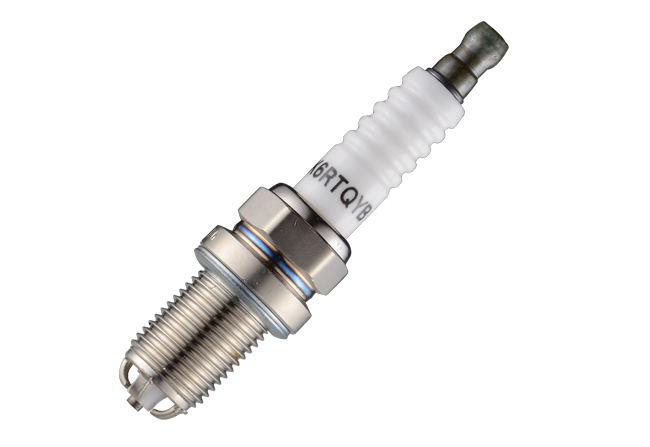
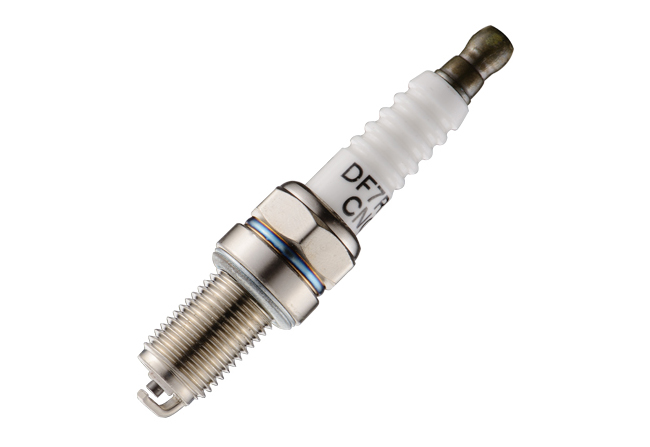

NINGBO MARSHAL AUTO PARTS CO., LTD. is a research and development, production and sales of professional manufacturers of spark plugs. Our company's spark plugs are mainly used in gasoline, natural gas and liquefied petroleum gas as fuel for all types of automobiles.
COPYRIGHT NINGBO MARSHAL AUTO PARTS CO., LTD. ALL RIGHTS RESERVED. Custom Spark Plugs Manufacturers OEM Spark Plugs Suppliers


 English
 中文简体