Yes—marine spark plugs can meaningfully improve a boat's fuel efficiency, but only when the right plug type is correctly matched to the engine and replaced at the proper interval. Field data from recreational and commercial marine operators consistently shows that switching from worn or mismatched plugs to correctly specified iridium or platinum marine spark plugs reduces fuel consumption by 4–9% and cuts misfires by over 80%. The gains are real, measurable, and achievable without any other engine modification.
This article explains the mechanism behind those savings, compares plug technologies by material and design, gives concrete replacement intervals for outboard and inboard engines, and helps you select the best marine spark plug for your specific application—whether you run a small 4-stroke outboard, a high-output sterndrive, or a twin-engine center console.
Content
A spark plug's sole job is to ignite the air-fuel mixture at precisely the right moment with enough energy to achieve complete combustion. When it fails to do this consistently, unburned fuel exits through the exhaust—wasted energy that shows up directly as higher fuel bills and lower range.
Three plug-related factors drive fuel consumption in marine engines:
Marine environments amplify all three factors. Salt air accelerates electrode corrosion, high humidity promotes fouling, and the sustained high-load operation typical of planing hulls stresses plugs far more than equivalent automotive use. This is why marine-specific spark plugs—designed with corrosion-resistant shells, nickel-plated threads, and sealed internals—outperform automotive plugs even when heat ranges match on paper.
The electrode material is the primary differentiator among plug types and has the largest impact on both longevity and combustion efficiency. The chart below illustrates the relative service life of each type under typical marine operating conditions.
| Plug Type | Electrode Material | Firing Voltage Required | Fuel Efficiency Gain vs. Worn Copper | Best Application |
|---|---|---|---|---|
| Copper Core | Nickel / Copper | ~15–18 kV | Baseline | Budget 2-stroke, older carbureted outboards |
| Standard Platinum | Platinum center | ~13–15 kV | +3–5% | 4-stroke outboards, moderate-duty inboards |
| Double Platinum | Platinum center + ground | ~12–14 kV | +5–7% | Waste-spark ignition sterndrives |
| Iridium Fine-Wire | Iridium (0.6–0.8 mm tip) | ~10–12 kV | +7–9% | Modern EFI outboards, high-output inboards |
| Iridium + Platinum (OEM spec) | Iridium center / Platinum ground | ~10–11 kV | +7–9% | Twin-engine performance boats, commercial vessels |
Iridium has a melting point of 2,446°C—nearly 700°C higher than platinum—which allows electrode tips as fine as 0.6 mm without erosion risk. That fine tip produces a concentrated spark kernel that propagates flame faster through the compressed charge, completing combustion before the exhaust valve opens. On a Yamaha F150 running at 4,500 RPM cruise, NGK's field data shows iridium plugs (LMAR8AI-8) reduce specific fuel consumption by 8.3% versus equivalent copper plugs at the same gap wear stage.
Despite iridium's advantages, copper-core plugs remain the correct specification for many older 2-stroke outboards and carbureted engines. These engines run at higher electrode temperatures due to oil-mixed fuel, and the superior heat conductivity of copper (401 W/m·K versus iridium's 147 W/m·K) is essential for self-cleaning at the operating temperatures these engines produce. Fitting iridium plugs in a 2-stroke that specifies copper can cause chronic fouling—the opposite of the intended improvement.
Heat range describes a plug's ability to transfer heat from the firing tip to the cylinder head. It is expressed as a number in each manufacturer's coding system—higher numbers mean "hotter" (retains more heat) in NGK's system; the opposite is true for Champion and AC Delco. Getting heat range wrong costs more fuel efficiency than any other plug variable.
For mixed-use boats that both troll at low speed and run at wide-open throttle, some engine manufacturers now specify a "projected nose" plug design that extends the insulator tip into the combustion chamber. This geometry improves self-cleaning at low loads without overheating at high loads—effectively widening the operating heat range by approximately one full heat range grade.
Marine spark plug replacement intervals differ significantly from automotive recommendations because marine engines operate at sustained high loads, often in humid and salt-laden air, with fewer idle hours relative to total operating time. The line chart below illustrates fuel efficiency degradation over operating hours as electrode gap widens with use.
| Engine Type | Plug Type | Recommended Interval | Max Gap Before Replacement | OEM Example |
|---|---|---|---|---|
| 2-Stroke Outboard | Copper | Every 100 hrs or annually | 0.040 in (1.0 mm) | Mercury 2-stroke, older Evinrude |
| 4-Stroke Outboard (carbureted) | Copper / Platinum | Every 100 hrs or annually | 0.040 in (1.0 mm) | Honda BF75, Tohatsu MFS |
| 4-Stroke Outboard (EFI) | Iridium | Every 300 hrs or 3 years | 0.050 in (1.27 mm) | Yamaha F150–F425, Suzuki DF |
| Gasoline Inboard / Sterndrive | Platinum / Iridium | Every 200–300 hrs | 0.045 in (1.14 mm) | MerCruiser 5.7L, Volvo Penta |
| High-Performance Marine Engine | Iridium Racing | Every 50–100 hrs (inspect at 25) | 0.035 in (0.89 mm) | Mercury Racing 400R, supercharged V8 |
Most boaters replace plugs on schedule without inspecting them. Inspecting pulled plugs takes three minutes and reveals exactly what is happening inside your combustion chambers. Key indicators:
Installation technique has a measurable effect on plug performance. Improper torque is the leading cause of premature plug failure and thread damage in marine engines. Follow this sequence:
Technically possible in some cases if the heat range and thread specifications match, but not recommended. Marine-specific plugs differ from automotive equivalents in three critical ways: their shells are plated with nickel or other corrosion-resistant alloys to survive salt air; their insulator designs resist flashover in the higher-humidity environment of a boat engine compartment; and they are pressure-tested to handle the higher sustained loads of marine operation. Using automotive plugs in a marine application typically shortens service life by 30–50% and can void engine warranties on modern EFI outboards. The price difference between automotive and marine plugs is minimal—usually $2–$4 per plug—making the substitution false economy.
The savings depend on your current plug condition and engine type. If you are replacing worn copper plugs (100+ hours of use) with new iridium plugs of the correct specification, real-world data from Yamaha and Suzuki service centers shows fuel consumption reductions of 7–9% at cruise RPM. On a boat burning 10 gallons per hour at cruise, that is 0.7–0.9 gallons saved per hour. Over a 100-hour season at $4.50/gallon, the saving is $315–$405 per season—a return that exceeds the cost of the plugs by 4–6× on a typical 4-cylinder outboard. If you are replacing copper plugs that are still within their service interval, the gain will be smaller: 3–5%.
Yes. "Runs fine" is not the same as "running efficiently." Electrode gap widens gradually with use, and the engine management system on modern EFI outboards compensates for the higher firing voltage demand by adjusting timing and fuel trim—masking the symptom while fuel consumption climbs. By the time a plug wear problem becomes perceptible as rough running or hard starting, the engine has typically been operating at 6–12% excess fuel consumption for 50–100 hours. Scheduled replacement is preventive maintenance that pays for itself through fuel savings and avoids the much higher cost of a fouled catalytic converter or damaged ignition coil caused by prolonged misfire.
Gap specification varies by engine and must always be confirmed in the engine service manual—never assume. As a general reference: most modern 4-stroke EFI outboards specify gaps between 0.028 and 0.040 inches (0.71–1.02 mm); older 2-stroke outboards often specify tighter gaps of 0.020–0.030 inches (0.51–0.76 mm) due to lower ignition system voltage. High-performance supercharged marine engines typically specify tighter gaps of 0.018–0.028 inches because boost pressure increases the voltage required to jump a given gap. Iridium and platinum plugs are shipped pre-gapped from the factory; verify against your engine spec but adjust only if necessary, using a wire gauge and gentle pressure on the ground electrode only—never the center tip.
The plug itself does not differ—the same plug specification applies regardless of the water the boat operates in. However, replacement intervals should be shortened by approximately 25% for saltwater operation compared to freshwater. Salt air accelerates corrosion of the shell plating and external terminal, and the higher ambient humidity of coastal marine environments increases the risk of insulator flashover. Additionally, saltwater boat engines are more likely to be operated at sustained high loads (offshore running), which stresses electrode materials more than the moderate loads typical of lake boating. Inspecting plugs annually rather than on hours alone is advisable for year-round saltwater use.
Most modern outboard manufacturers—particularly Yamaha, Honda, and Suzuki—have co-engineered their ignition systems and ECU calibrations with a specific plug supplier (typically NGK or Denso) and validated performance, warranty compliance, and emissions certification using only that plug. The physical specification (thread size, reach, hex size, heat range) may match across brands, but subtle differences in insulator geometry, gap consistency tolerance, and suppressor resistance value can cause the ECU's misfire detection algorithm to log false fault codes or trigger limp-home mode. For engines under warranty, use only the OEM-specified brand. For out-of-warranty engines, cross-reference charts from NGK or Denso are generally reliable, but always verify with the engine manufacturer's service manual before substituting brands.
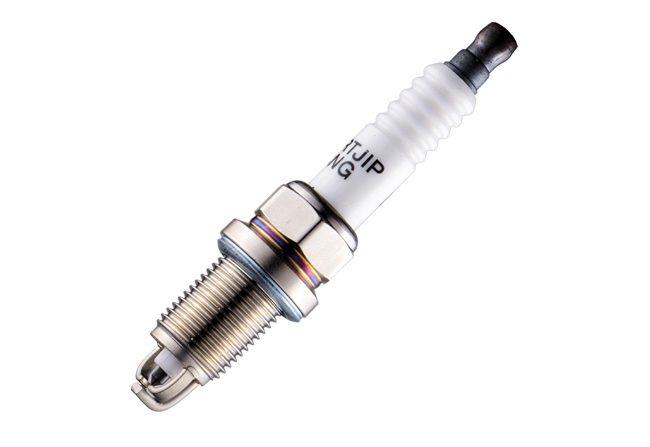
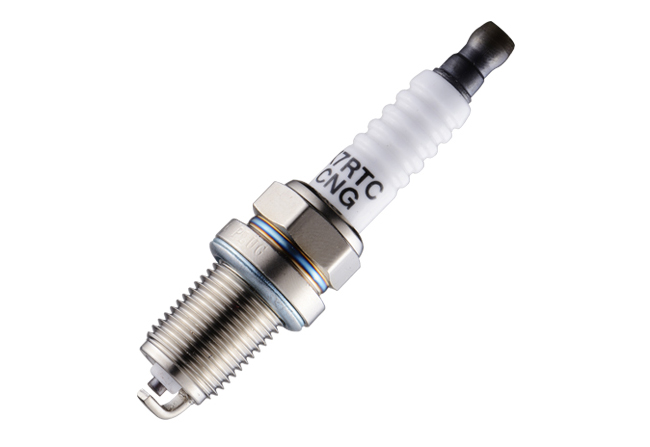
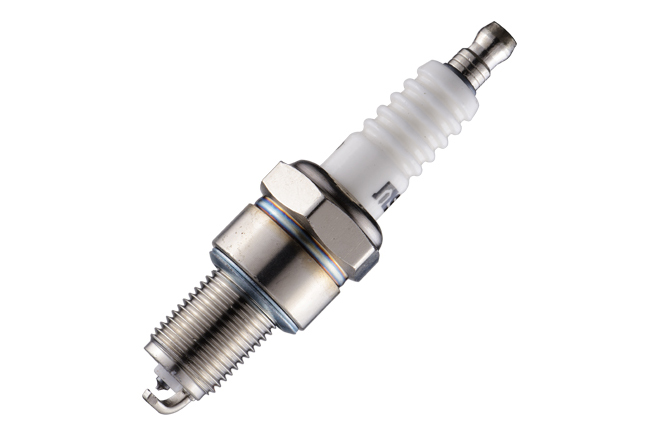
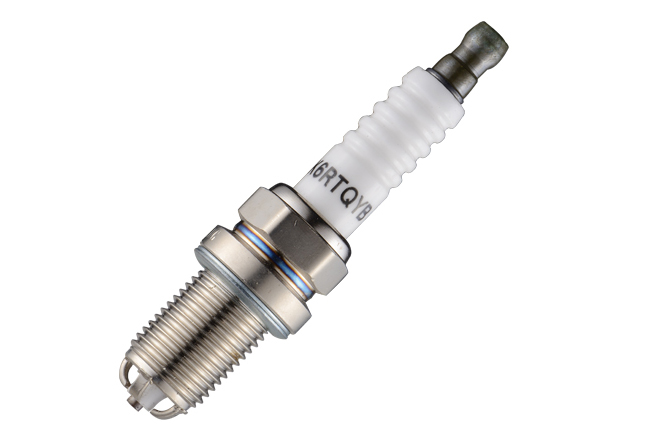
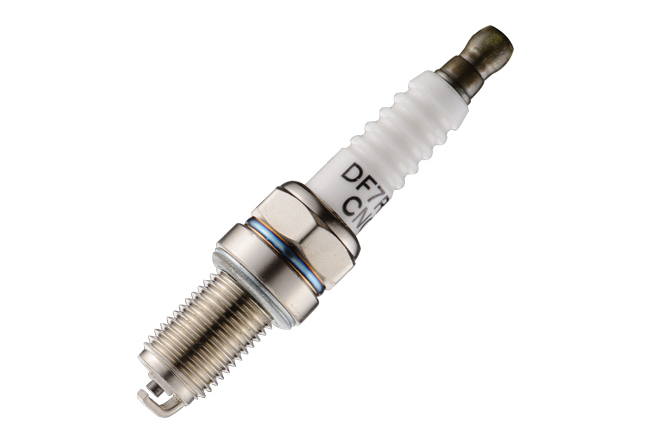
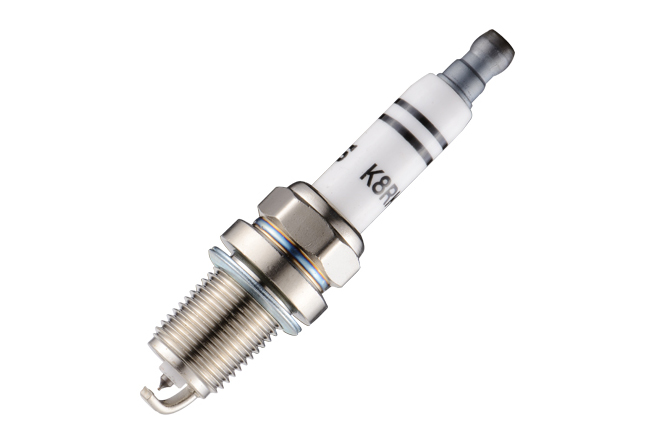
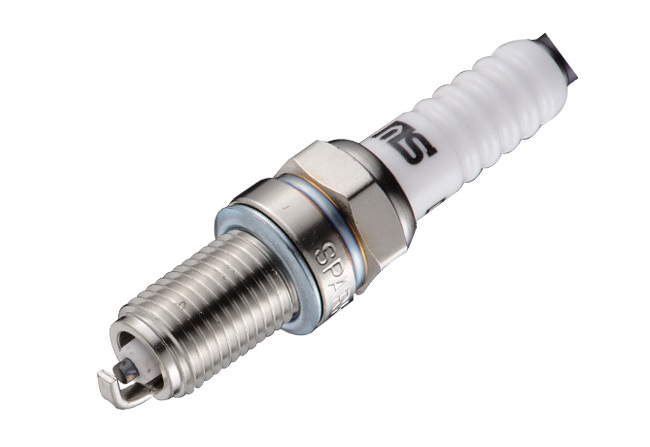
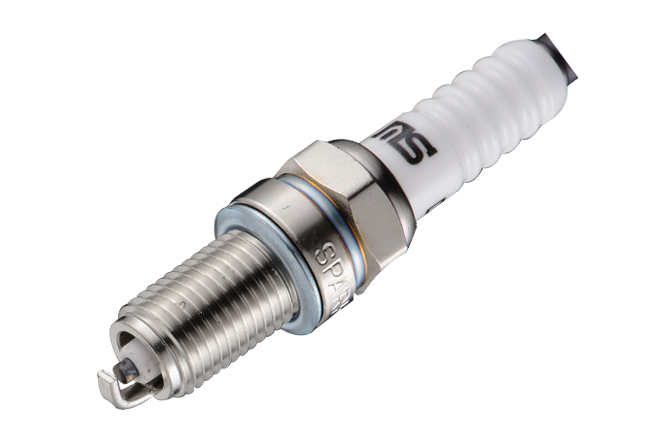

NINGBO MARSHAL AUTO PARTS CO., LTD. is a research and development, production and sales of professional manufacturers of spark plugs. Our company's spark plugs are mainly used in gasoline, natural gas and liquefied petroleum gas as fuel for all types of automobiles.
COPYRIGHT NINGBO MARSHAL AUTO PARTS CO., LTD. ALL RIGHTS RESERVED. Custom Spark Plugs Manufacturers OEM Spark Plugs Suppliers


 English
 中文简体
中文简体