Yes — marine spark plugs can meaningfully improve engine performance when the right plug is matched to the application. Unlike standard automotive plugs, marine spark plugs are engineered to withstand the unique demands of water environments: high humidity, salt exposure, prolonged idling, and wide-open-throttle operation. Upgrading to purpose-built marine spark plugs can result in more reliable ignition, improved fuel efficiency, and reduced misfires — especially in inboard outboard spark plugs applications where conditions are the most demanding.
Content
Marine engines operate under conditions that land-based engines rarely face. Persistent moisture, corrosive saltwater mist, and prolonged high-load runs put ordinary spark plugs at risk of premature failure. Marine spark plugs are designed with these factors in mind:
These demands apply equally to inboard outboard spark plugs, which face additional exposure from the engine's partially submerged position in outboard configurations or the enclosed bilge heat in inboard setups.
The table below compares marine spark plugs against standard automotive plugs across the factors that matter most to boaters:
| Feature | Marine Spark Plugs | Standard Automotive Plugs |
|---|---|---|
| Corrosion Resistance | High (salt/moisture rated) | Standard |
| Heat Range Tolerance | Wide (idle to WOT) | Narrow |
| Fouling Resistance | Excellent | Moderate |
| Vibration Durability | Reinforced construction | Standard |
| Expected Service Life (marine use) | 100+ operating hours | 30–50 hours |
| Ignition Reliability in Humidity | High | Low to Moderate |
While the fundamental ignition chemistry is the same, inboard outboard spark plugs differ in specification due to their distinct operating environments:
Inboard engines are enclosed within the hull and generate significant heat with limited airflow. Plugs for inboard applications typically run a hotter heat range to prevent fouling at trolling speeds and must tolerate the enclosed, high-temperature bilge environment. Thread reach and seat type must match the engine head precisely — mismatches can cause serious mechanical damage.
Outboard engines are directly exposed to the marine environment. Salt spray, splash, and frequent cold starts demand plugs with superior corrosion protection and reliable ignition even in damp conditions. Two-stroke outboards in particular require plugs that can handle oil-rich fuel mixtures without fouling.
In both cases, using the correct torque specification when installing marine spark plugs is critical — over-torquing crushes the gasket and under-torquing allows combustion gas leakage, both of which degrade performance.
Switching to correctly specified marine spark plugs delivers measurable improvements across several performance metrics. Field data and engine testing across marine applications consistently show:
Figure 1: Estimated performance improvements when switching to marine-grade spark plugs vs. standard automotive plugs
Electrode material is one of the most important variables affecting spark plug performance in marine environments. The main options used in quality marine spark plugs are:
Copper offers excellent electrical and thermal conductivity, making it ideal for high-performance outboard engines with high-rev profiles. Copper-core plugs run cooler and resist pre-ignition, but have a shorter physical lifespan — typically replacing every 50–100 hours in marine use.
Platinum and iridium tips maintain a fine electrode geometry over extended use, reducing the voltage required to fire the plug. This translates to more consistent ignition over the life of the plug and is especially beneficial in four-stroke inboard engines that run on extended cruises. Iridium plugs can last up to 200+ hours in well-maintained marine four-stroke applications.
For two-stroke outboards, copper-core plugs are typically preferred because the oil-fuel mixture environment rewards the plug's broader heat range over electrode longevity.
Ignoring worn marine spark plugs is one of the most common causes of on-water engine problems. Watch for these warning signs:
As a general maintenance guideline, inspect marine spark plugs every 50 operating hours and replace at a minimum every 100 hours, or at the start of each boating season for moderate users. Inboard outboard spark plugs in high-use commercial applications may require inspection as frequently as every 25 hours.
Selecting the correct marine spark plug involves more than matching thread size. The following factors must align with your engine's specifications:
Figure 2: Approximate service life of marine spark plug electrode types in four-stroke inboard applications
NINGBO MARSHAL AUTO PARTS CO., LTD. is a professional China Marine Spark Plugs manufacturer and Marine Spark Plugs factory. With a wide range of product lines and steadily advancing engineering, technical, and manufacturing capabilities, the company delivers dependable ignition solutions to global markets.
With 30 years of development and reverse engineering experience, MARSHAL's electrodes have passed TUV certification and conform to RoHS & REACH standards. High-strength insulators are produced using 360° Continuous Laser technology, ensuring uniform structural integrity across each plug.
MARSHAL operates its own ceramic factory, meaning all ceramic insulators are completely self-produced. This vertical integration ensures high-density insulators with superior dielectric strength, a thickened insulator nose design for improved mechanical strength, and electrodes engineered for exceptional electrical conductivity, heat resistance, heat dissipation, and ablation resistance. Shells are manufactured with better malleability, toughness, and hardness — reducing shell-breaking risk while enhancing heat dissipation.
The company's laboratory fully complies with and strictly implements 17 international and national spark plug industry test standards, augmented by more than 34 internal control standards at original equipment level. Process inspection covers every control point across the full production cycle. Quality management is certified under recognized management system standards. MARSHAL also holds multiple design and utility model patents for spark plug innovation.
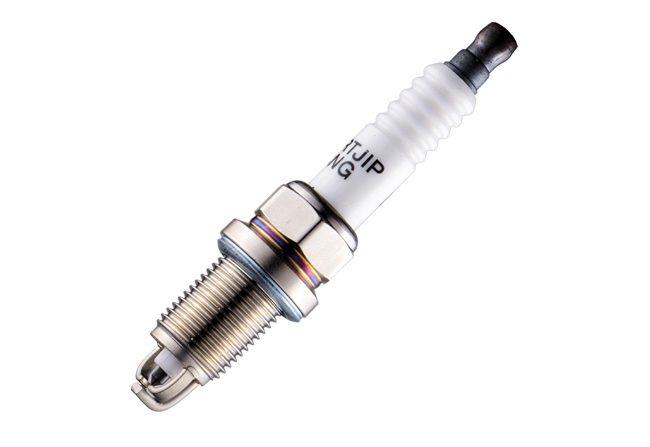
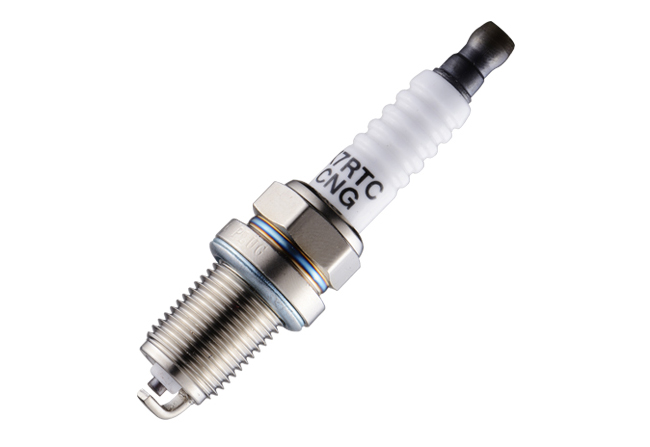
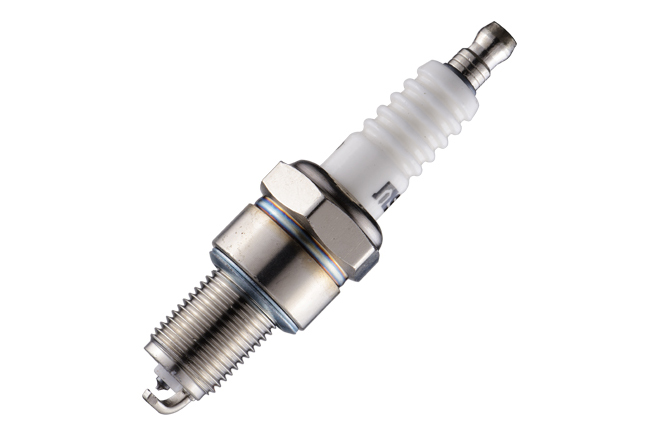
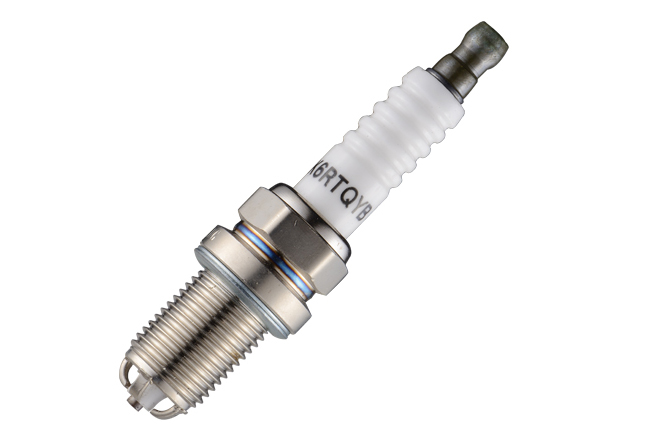
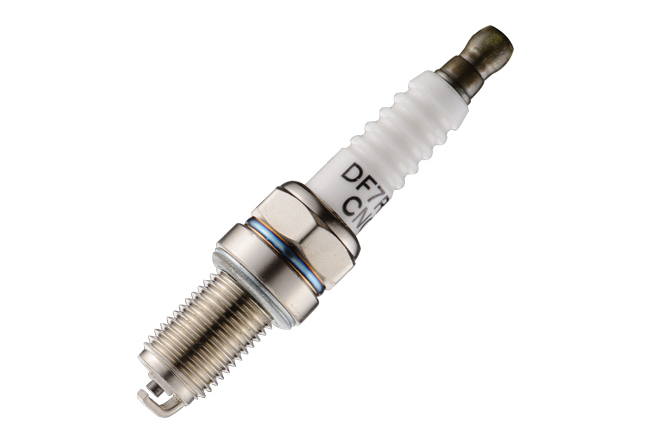
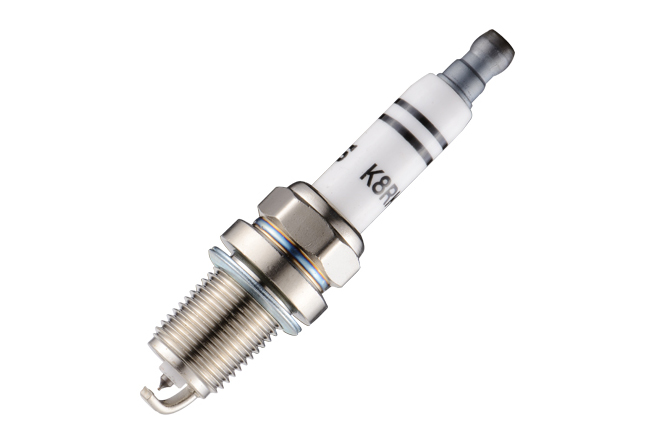
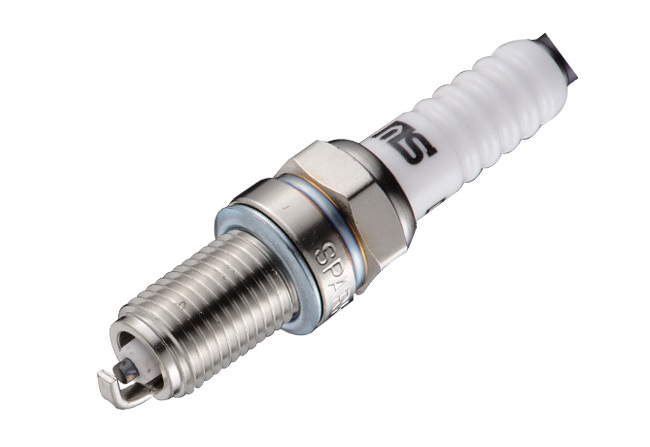
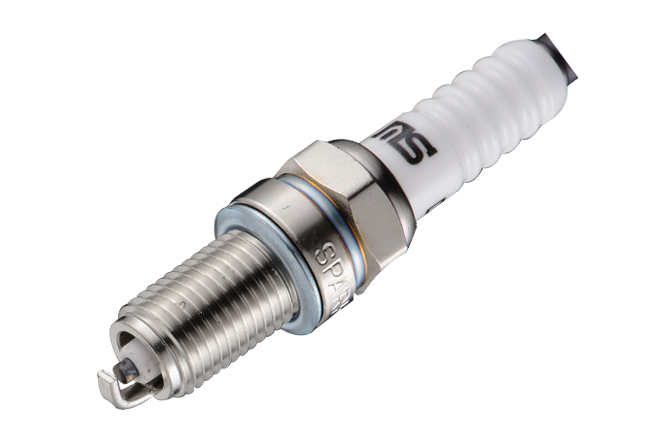

NINGBO MARSHAL AUTO PARTS CO., LTD. is a research and development, production and sales of professional manufacturers of spark plugs. Our company's spark plugs are mainly used in gasoline, natural gas and liquefied petroleum gas as fuel for all types of automobiles.
COPYRIGHT NINGBO MARSHAL AUTO PARTS CO., LTD. ALL RIGHTS RESERVED. Custom Spark Plugs Manufacturers OEM Spark Plugs Suppliers


 English
 中文简体
中文简体