
Content
For most recreational boats, the standard Marine Spark Plugs replacement interval is every 100 hours of engine operation or once per season, whichever comes first. For iridium or platinum-tipped plugs, many manufacturers extend this to 200–300 hours. Ignoring this schedule is directly linked to roughly 50% of preventable marine engine problems — including hard starting, misfires, poor fuel economy, and unexpected breakdowns on the water.
Marine spark plugs operate in a far harsher environment than automotive plugs. Salt air, high humidity, sustained wide-open-throttle loads, and the consequences of being stranded offshore all make a disciplined replacement schedule non-negotiable for any serious boat owner in 2026.
Marine spark plugs supply the spark that ignites the air-fuel mixture, creating the combustion event that allows your boat's engine to produce power. Each plug generates an arc of electricity across two leads — a center electrode and a ground electrode — that are not touching but positioned close enough together that electricity can jump the gap between them at precisely the right moment in the engine cycle.
This process happens thousands of times per minute. Over time, the electrodes erode, the gap widens, and the insulator accumulates deposits — all of which degrade spark quality, increase required ignition voltage, and ultimately reduce the reliability of every combustion event. In a marine environment, this degradation accelerates due to salt exposure, moisture ingress, and the sustained high-load running profiles typical of outboard and inboard engines.
The correct replacement interval varies depending on engine configuration, plug material, and operating conditions. The table below provides a practical reference for the most common marine engine types:
| Engine Type | Plug Type | Recommended Interval | Max Hours |
|---|---|---|---|
| Outboard (2-stroke) | Standard copper | Every season | 50–100 hrs |
| Outboard (4-stroke) | Standard / iridium | Every season or 100 hrs | 100–200 hrs |
| Inboard gasoline | Standard / platinum | Every 100 hrs | 100–150 hrs |
| Sterndrive (inboard/outboard) | Iridium / platinum | Every 150–200 hrs | 200–300 hrs |
| High-performance marine | Racing / iridium | Every 50 hrs or pre-season | 50 hrs max |
Always treat the hour-based threshold and the seasonal threshold as an OR condition — replace at whichever milestone arrives first. A plug that has been sitting through winter storage still ages chemically even without engine hours accumulating.
Do not wait for a scheduled interval if your engine is displaying any of the following symptoms. These signals indicate that degraded inboard outboard spark plugs are already affecting engine performance:
Industry service data consistently shows that ignition system faults — primarily worn or fouled spark plugs — account for approximately half of all non-mechanical marine engine service calls. The chart below illustrates how the most common engine complaint categories break down by root cause:
The reason ignition issues dominate the list is straightforward: spark plugs are a consumable component operating under extreme thermal and electrical stress, yet they are frequently overlooked during seasonal maintenance. A single misfiring cylinder on a four-cylinder outboard reduces effective power by 25% and forces the remaining cylinders to compensate — accelerating wear throughout the entire engine.
Selecting the right plug for your outboard requires matching more than just the thread size. The best spark plugs for outboard motors in 2026 share a set of core material and engineering characteristics that directly determine performance in the marine environment:
In the marine environment, insulator integrity is as important as electrode material. A high-density ceramic insulator with a thickened nose resists cracking under thermal shock — common when a boat moves from cold overnight storage into sustained high-load operation. The shell must combine hardness to resist installation damage with sufficient toughness to absorb vibration without cracking, and adequate thermal conductivity to transfer heat away from the combustion chamber efficiently.
Fuel efficient marine spark plugs achieve their economy advantage through consistent, complete combustion events. When the spark gap is correctly maintained and the electrode geometry is optimized for fast flame kernel propagation, fuel burns more completely — extracting more energy per milliliter of fuel consumed. Studies on outboard fuel consumption show that worn plugs operating with a gap 0.15 mm wider than specification can increase fuel consumption by 8–12% over a full season.
Inboard outboard spark plugs differ in several important ways that affect selection and replacement strategy. Understanding these differences prevents the common mistake of installing an automotive or outboard plug in an inboard engine without verifying compatibility:
| Factor | Outboard Engine | Inboard Engine |
|---|---|---|
| Typical operating RPM | 5,000–6,000 RPM | 2,500–4,500 RPM |
| Heat range requirement | Hotter (self-cleaning) | Cooler (sustained load) |
| Salt/moisture exposure | High (external mount) | Moderate (enclosed) |
| Typical service interval | 50–100 hrs | 100–200 hrs |
| Common failure mode | Corrosion, fouling | Gap erosion, carbon deposit |
Improper installation causes as many problems as worn plugs. Follow this procedure to ensure a clean, reliable replacement on any outboard or inboard engine:
NINGBO MARSHAL AUTO PARTS CO., LTD. is a professional China Marine Spark Plugs manufacturer and factory with over 30 years of development and reverse engineering experience. The company's electrodes have passed TUV certification and conform to RoHS and REACH standards. High-strength insulators are manufactured using 360° continuous laser technology for consistent sealing integrity.
MARSHAL operates its own ceramic factory, producing insulators entirely in-house with high-density formulations that deliver superior dielectric strength and a thickened insulator nose design for enhanced mechanical strength under marine operating conditions. Electrode alloys are selected for electrical conductivity, heat resistance, thermal dissipation, and ablation resistance. Shell materials are engineered for malleability, toughness, and hardness — reducing shell fracture risk and improving heat dissipation performance.
The company's laboratory fully complies with and strictly implements 17 international and national spark plug industry test standards, plus more than 34 original equipment-level internal control tests with whole-process inspection coverage. Quality management operations hold certified quality management system certification, and the company holds multiple design and utility model patents for spark plug technology.
MARSHAL's product lines span a comprehensive range of marine and automotive spark plug applications, backed by engineering and manufacturing capabilities that continue to advance alongside modern engine requirements.
Q1: Can I use automotive spark plugs in my outboard motor?
No. Automotive and marine spark plugs differ in heat range, thread length, and corrosion resistance requirements. Marine engines run under sustained high-load conditions and in salt-air environments that automotive plugs are not engineered to handle. Always use plugs specified for marine applications and matched to your engine model.
Q2: How do I know if my marine spark plugs are the correct heat range?
Inspect the plug tip after a normal run. A light tan or gray deposit on the insulator indicates the correct heat range. A white or blistered insulator means the plug is running too hot. Black, sooty deposits suggest the plug is too cold or the engine is running rich. Always cross-reference the heat range against your engine manufacturer's specification before installing.
Q3: Do iridium marine spark plugs really last longer in saltwater conditions?
Yes, but with an important qualification. The iridium electrode tip itself resists erosion significantly better than copper or platinum. However, the shell and ground electrode are still subject to salt corrosion. High-quality iridium marine plugs address this with corrosion-resistant shell coatings and alloy ground electrodes. On a properly maintained 4-stroke outboard, iridium plugs routinely reach 200+ hours before replacement is needed.
Q4: Should I replace all spark plugs at the same time or just the faulty one?
Always replace the full set. All plugs in an engine accumulate the same hours and wear at similar rates. Replacing only one faulty plug leaves degraded plugs in the remaining cylinders — creating an uneven ignition system that can cause balance problems and will require another replacement shortly. The labor cost of replacing one plug is nearly identical to replacing all of them.
Q5: How does spark plug condition affect fuel efficiency on an outboard?
A worn plug with an eroded gap delivers a weaker, less consistent spark — resulting in incomplete combustion and wasted fuel. Research on marine outboards shows that plugs operating 0.15 mm beyond their specified gap can increase fuel consumption by 8–12%. Keeping fresh, correctly gapped fuel efficient marine spark plugs installed is one of the simplest and most cost-effective ways to maintain outboard fuel economy across a full boating season.
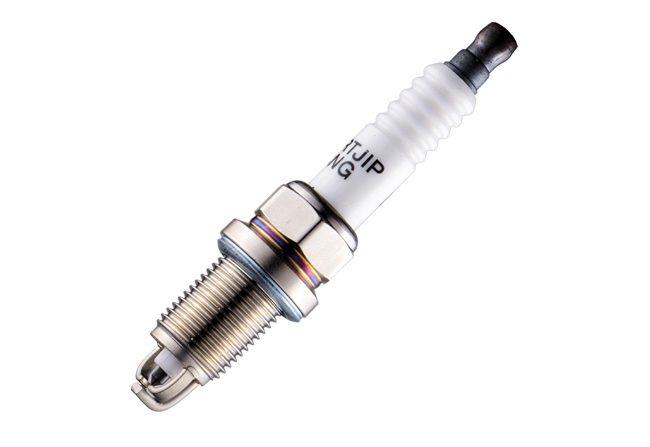
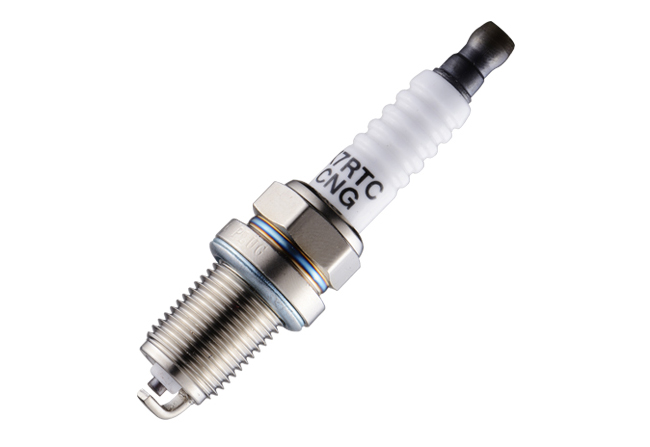
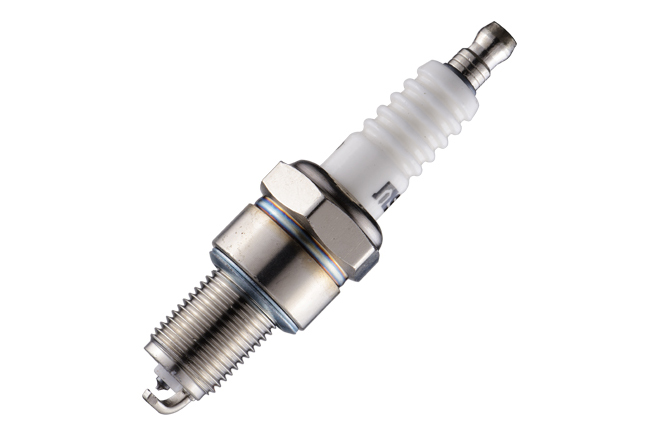
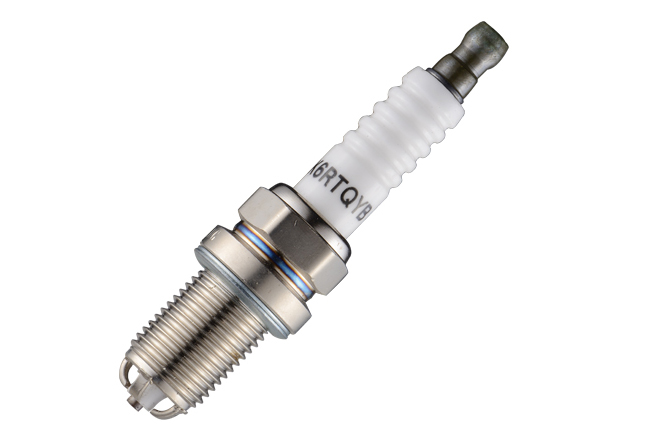
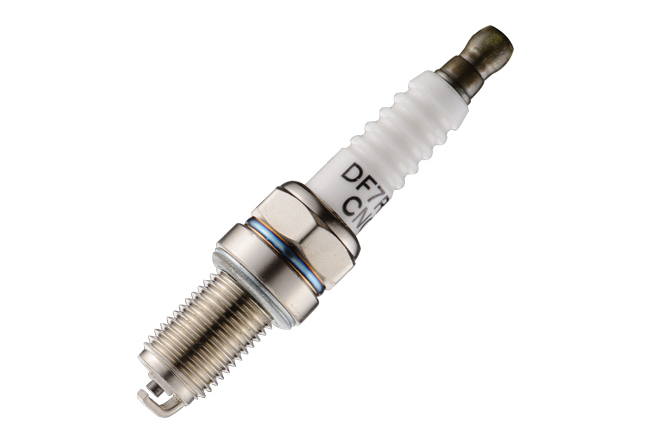
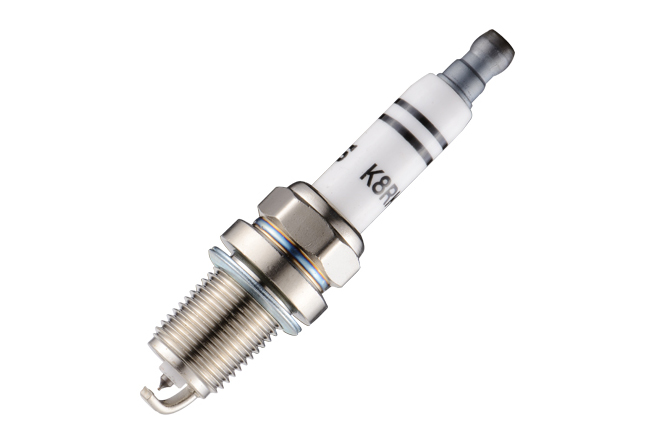
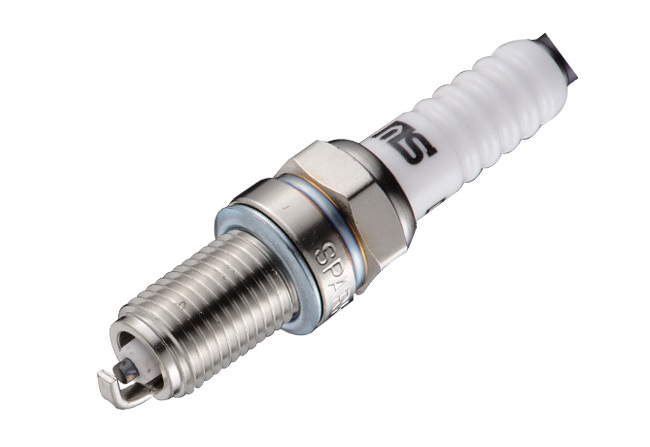
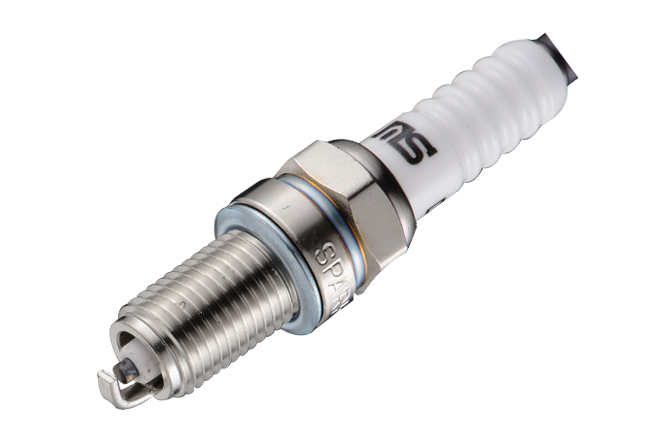

NINGBO MARSHAL AUTO PARTS CO., LTD. is a research and development, production and sales of professional manufacturers of spark plugs. Our company's spark plugs are mainly used in gasoline, natural gas and liquefied petroleum gas as fuel for all types of automobiles.
COPYRIGHT NINGBO MARSHAL AUTO PARTS CO., LTD. ALL RIGHTS RESERVED. Custom Spark Plugs Manufacturers OEM Spark Plugs Suppliers


 English
 中文简体
中文简体