
The direct answer: most standard Car Engine Spark Plugs should be replaced every 30,000 to 50,000 miles (48,000 to 80,000 km) for copper-core types, while iridium and platinum High Performance Spark Plugs can last up to 100,000 miles (160,000 km) under normal conditions. Running worn spark plugs beyond their service interval reduces ignition efficiency by up to 40%, increases fuel consumption, and raises hydrocarbon emissions. The following guide covers replacement intervals by plug type, how to read wear signs accurately, and how proper Spark Plug Gap Adjustment directly affects engine output.
Content
Not all Automotive Spark Plugs age at the same rate. The electrode material is the primary determinant of service life. Copper plugs offer excellent conductivity but wear fastest due to the softness of the core metal. Iridium and platinum plugs use harder, more heat-resistant electrode tips that maintain gap geometry significantly longer under continuous firing conditions.
| Spark Plug Type | Electrode Material | Service Interval | Best Application |
|---|---|---|---|
| Copper Core | Nickel alloy tip | 30,000 - 50,000 miles | Older engines, standard use |
| Platinum Single | Platinum center | 60,000 - 80,000 miles | Modern engines, everyday driving |
| Double Platinum | Platinum center + ground | 80,000 - 100,000 miles | Distributorless ignition systems |
| Iridium | Iridium fine-wire tip | 80,000 - 120,000 miles | Performance engines, direct injection |
These intervals assume typical driving conditions. City driving with frequent cold starts, towing, or sustained high-RPM operation can shorten service life by 20 to 30% from the figures above. Always cross-reference with your vehicle manufacturer's specification.
The efficiency loss from a degraded Car Engine Spark Plug is not gradual and linear — it accelerates as electrode wear progresses. A plug operating with a gap 0.4 mm wider than specification requires significantly higher voltage to fire, which the ignition coil often cannot consistently deliver. The result is misfires, incomplete combustion, and unburned fuel exiting through the exhaust.
Independent engine efficiency tests consistently show that a full set of worn spark plugs at end of service life reduces combustion efficiency by 25 to 40%, increases fuel consumption by 4 to 8 mpg in real-world driving, and raises hydrocarbon emissions — in some test cases, enough to fail modern emissions inspections.
Combustion Efficiency (%) by Spark Plug Condition
New
98%
25% worn
90%
50% worn
76%
75% worn
59%
End of life
58%
Figure 1: Combustion efficiency drops sharply after 50% electrode wear -- replacing plugs at the correct interval recovers up to 40% lost efficiency
Removing and inspecting your Automotive Spark Plug takes under 15 minutes and provides direct insight into engine health that no OBD-II scanner can match. The firing end appearance tells a precise story about combustion conditions, fuel mixture, oil consumption, and cooling system integrity.
Spark Plug Gap Adjustment is one of the most overlooked steps during plug installation. The gap — the measured distance between the center and ground electrode — directly determines the voltage required to produce a spark and the size and intensity of the resulting flame kernel. An incorrectly set gap reduces ignition reliability regardless of plug quality.
Most modern gasoline engines specify a gap between 0.028 and 0.060 inches (0.7 to 1.5 mm). Turbocharged engines typically require a tighter gap — around 0.028 to 0.035 inches — because the higher cylinder pressure demands a stronger spark that a wider gap makes harder to achieve consistently.
Note: Pre-gapped iridium and fine-wire platinum plugs often arrive at the correct specification from the factory. Check the gap but do not attempt to adjust these plug types — the fine-wire electrode is fragile and can be damaged during adjustment, voiding performance benefits.
Switching from a standard copper-core plug to a High Performance Spark Plug with an iridium or fine-wire platinum electrode is worthwhile in specific situations. The upgrade delivers the most measurable gains when the stock plug is already limiting ignition reliability — common in turbocharged engines, direct injection systems, and modified engines running higher compression ratios.
The thinner electrode tip of a high-performance plug concentrates the electrical discharge at a precise point, producing a larger, more consistent flame kernel. Dyno testing on naturally aspirated engines shows fuel efficiency gains of 1 to 3% from this upgrade alone, while turbocharged applications can see up to 5% improvement in combustion consistency at high boost levels.
Ignition Reliability (%) vs Engine Load (%) -- Standard vs High Performance Spark Plug
Figure 2: High Performance Spark Plugs maintain ignition reliability under high engine load, while standard copper plugs drop significantly above 60% load
Do not wait until a scheduled service if any of the following symptoms appear. These are direct indicators that one or more Car Engine Spark Plugs have degraded to the point of causing measurable performance and safety issues.
MARSHAL AUTO PARTS
Ningbo Marshal Auto Parts Co., Ltd. is a professional China Automotive Spark Plug manufacturer and factory, with a comprehensive range of product lines and continuously advancing engineering, technical, and manufacturing capabilities.
30 years of development and reverse engineering experience back every product. Electrodes have passed TUV certification and conform to RoHS and REACH standards. High-strength insulators are manufactured using 360-degree Continuous Laser technology for consistent density and superior dielectric strength.
The company holds quality management system certification, spark plug design patents, and utility model patent certificates, reflecting a sustained commitment to innovation and manufacturing integrity.
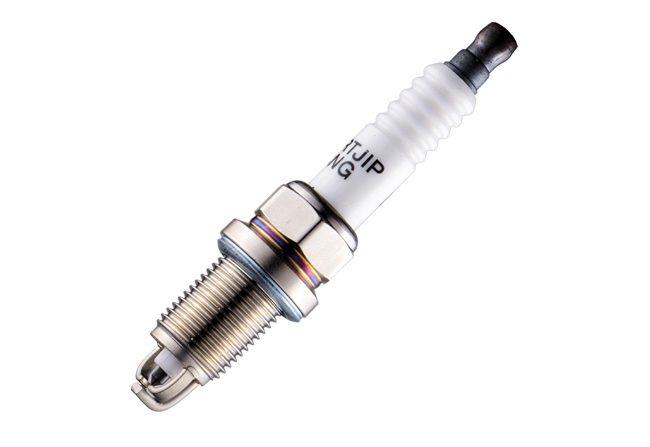
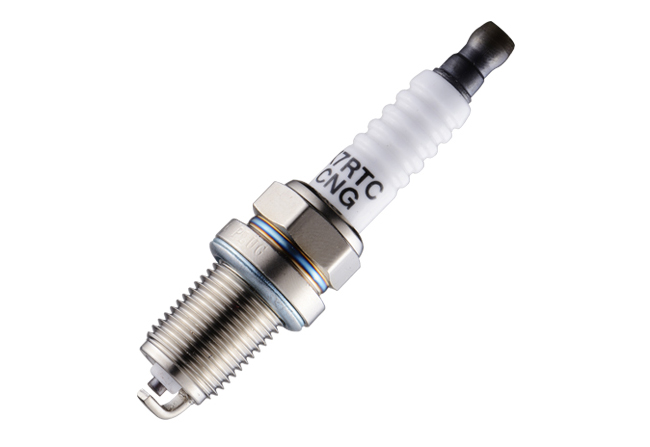
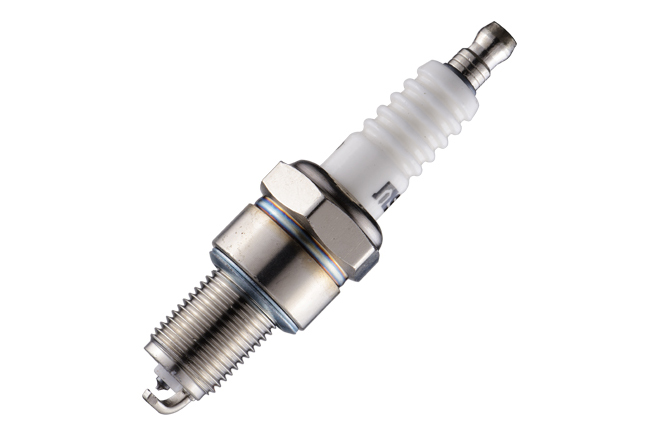
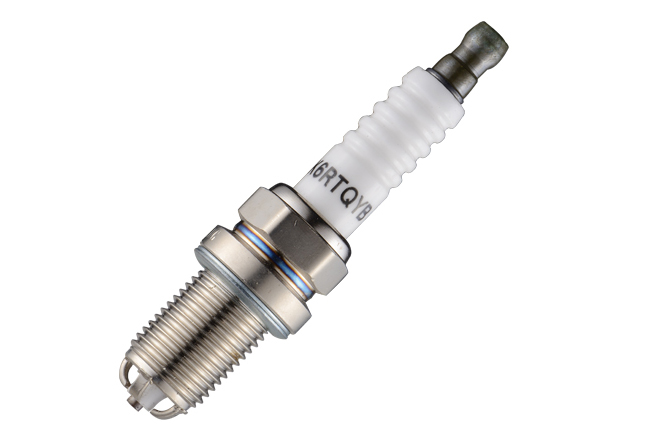
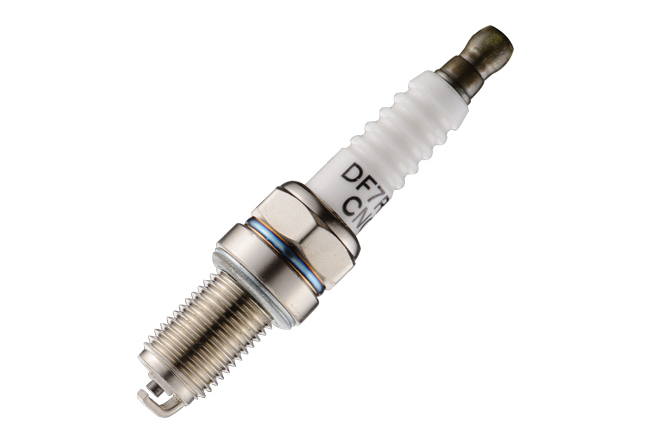
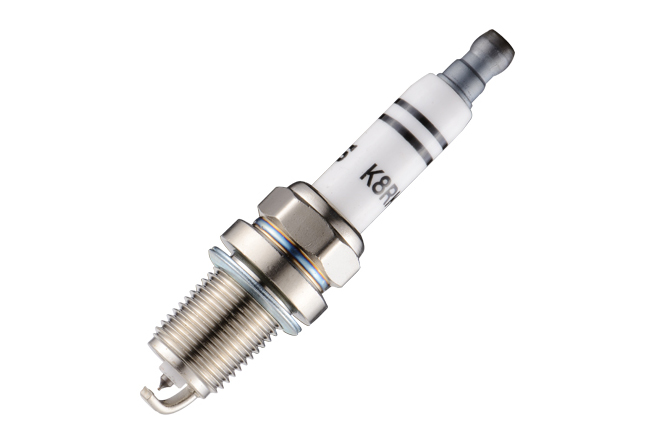
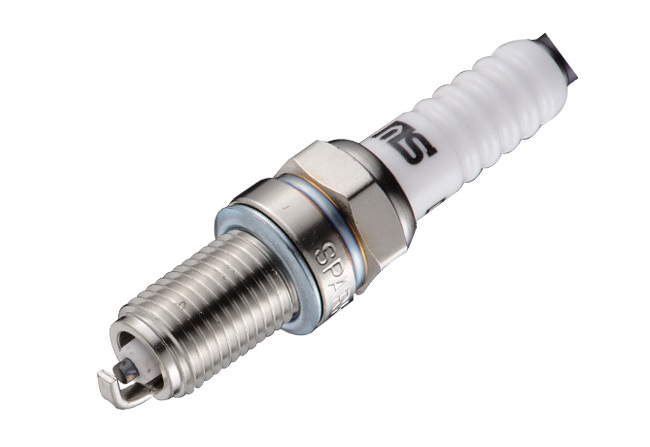
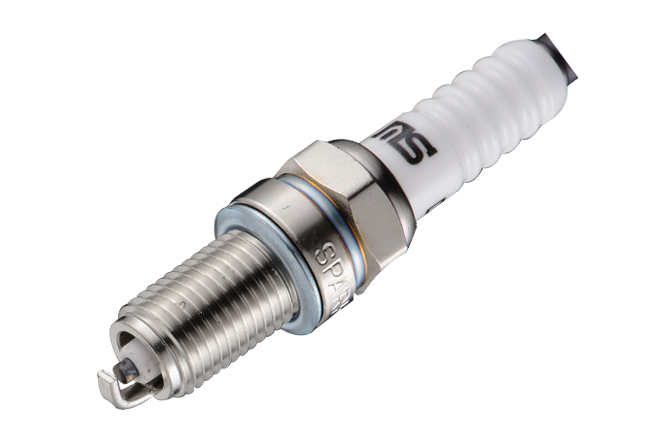

NINGBO MARSHAL AUTO PARTS CO., LTD. is a research and development, production and sales of professional manufacturers of spark plugs. Our company's spark plugs are mainly used in gasoline, natural gas and liquefied petroleum gas as fuel for all types of automobiles.
COPYRIGHT NINGBO MARSHAL AUTO PARTS CO., LTD. ALL RIGHTS RESERVED. Custom Spark Plugs Manufacturers OEM Spark Plugs Suppliers


 English
 中文简体
中文简体