
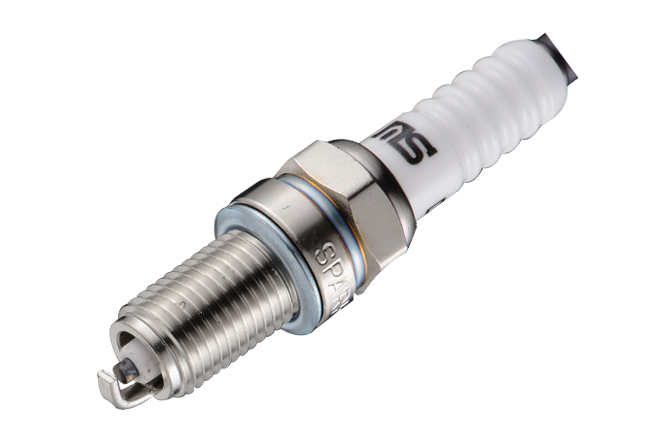
Automotive spark plugs are essential components of the engine's ignition system. They ignite the air-fuel mixture inside the engine, ensuring smooth engine performance and better fuel efficiency. But how often should you replace spark plugs? What should you consider when replacing them?
Content
The general recommendation for replacing car spark plugs is 30,000 to 50,000 kilometers (or 20,000 to 30,000 miles), depending on the type of spark plugs and the manufacturer's recommendations. However, some high-performance spark plugs can last longer, up to 100,000 kilometers (or 60,000 miles). The actual replacement interval may vary based on factors such as driving conditions, vehicle make and model, and whether the spark plugs are of a standard or long-life type.
It’s important to monitor your vehicle’s performance and change the spark plugs when necessary, even if you haven't reached the suggested mileage. If you notice any signs of spark plug issues, such as rough engine idle or poor acceleration, it may be time to replace them earlier.
There are several indicators that can suggest your spark plugs need replacing:
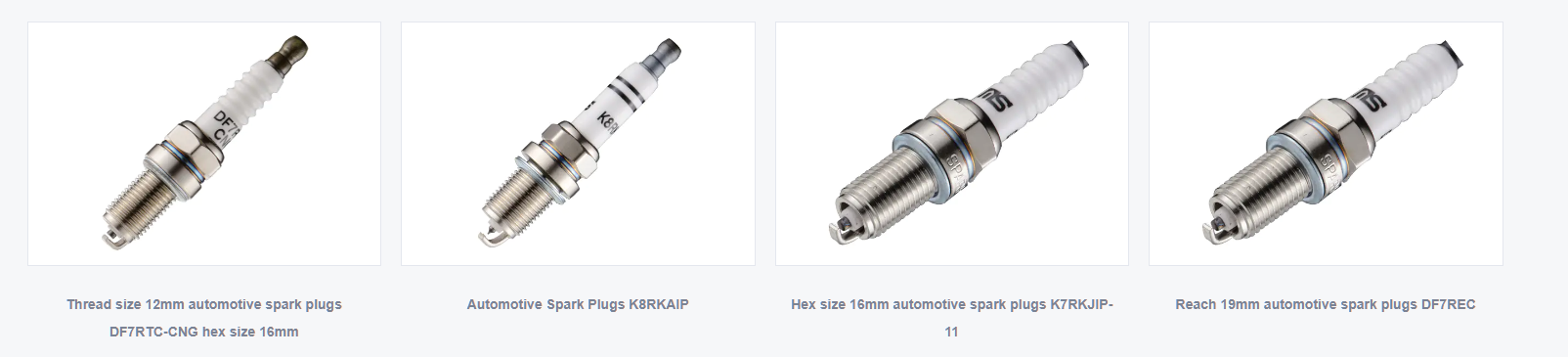
Replacing spark plugs is a relatively simple process, but there are several important factors to ensure they are replaced correctly for optimal engine performance.
Every vehicle model requires specific spark plugs based on the engine type and design. Using the wrong spark plug can lead to poor engine performance, damage to the engine, or even unsafe driving conditions. It is important to consult your vehicle’s manual or a professional mechanic to ensure you use the correct type, size, and material of spark plug for your car.
When replacing the spark plugs, take the opportunity to inspect other parts of the ignition system, such as the ignition coils, wires, and connectors. If any components appear worn or damaged, consider replacing them at the same time. This ensures that your entire ignition system operates efficiently and reduces the chances of future issues.
When installing new spark plugs, avoid over-tightening. Over-tightening can cause the spark plug to become stuck or even break, damaging the threads in the engine. Use a torque wrench to tighten the spark plug to the manufacturer’s specified torque settings. This ensures that the spark plug is seated correctly without damaging the engine components.
Before installing the new spark plugs, make sure the spark plug wells and the surrounding areas are clean. Dirt or debris in the spark plug hole can fall into the combustion chamber, potentially damaging the engine. You can use compressed air to blow out any dirt or debris before installing the new plugs.
It’s important to check the spark plug gap before installation. The gap is the distance between the center electrode and the ground electrode. If the gap is incorrect, it can lead to poor performance or misfiring. Use a feeler gauge to measure the gap and adjust it if necessary, according to your vehicle’s specifications.
| Vehicle Type | Recommended Replacement Interval (km) | Ideal Conditions |
| Passenger Cars | 30,000 - 50,000 km | Regular driving with occasional highway use |
| Performance Vehicles | 50,000 - 60,000 km | High-speed driving and frequent acceleration |
| SUVs | 40,000 - 50,000 km | Off-road or heavy-duty driving |
| Diesel Engines | 60,000 - 100,000 km | Long highway trips and low engine load |
If you have some basic mechanical knowledge and the right tools, replacing spark plugs is a job you can do yourself. However, if you're not comfortable working on your vehicle, it's recommended to have a professional mechanic perform the replacement to ensure it's done properly.
Neglecting to replace worn-out spark plugs can cause misfires, poor acceleration, reduced fuel efficiency, and eventually engine damage. It’s important to replace spark plugs on time to maintain your engine's performance and prevent costly repairs down the road.
Yes, worn or dirty spark plugs can cause inefficient combustion, leading to a decrease in fuel efficiency. If your spark plugs are not firing properly, your engine will burn more fuel than necessary, resulting in higher fuel consumption.
To extend the life of your spark plugs, keep your engine well-maintained, ensure that you are using the correct fuel type, and avoid aggressive driving habits. Regularly check the ignition system for wear and tear, and replace any damaged components to keep everything running smoothly.
Yes, it’s recommended to replace all spark plugs at once. Replacing all of them ensures consistent performance across all cylinders, as worn-out spark plugs can negatively impact the engine’s power and fuel efficiency.
Regularly replacing your spark plugs is crucial to keeping your car running efficiently. While the recommended replacement interval is typically 30,000 to 50,000 kilometers, you should always monitor your car’s performance and replace the spark plugs if you notice any signs of wear. By ensuring proper installation, checking related components, and following manufacturer guidelines, you can maximize the lifespan of your spark plugs and maintain your vehicle's optimal performance.
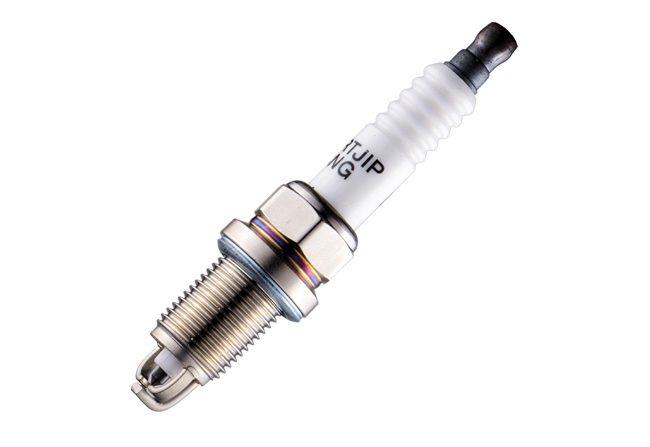
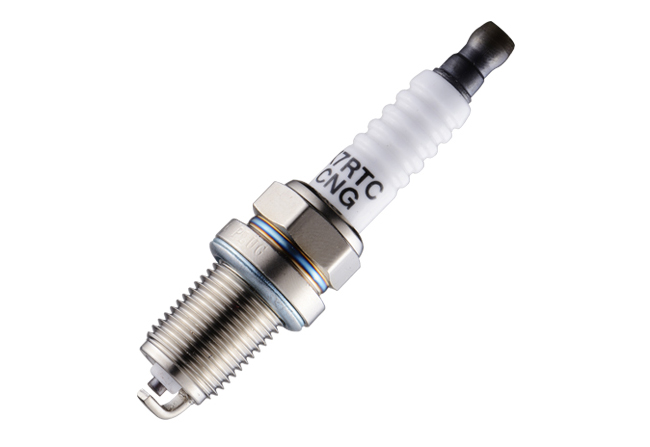
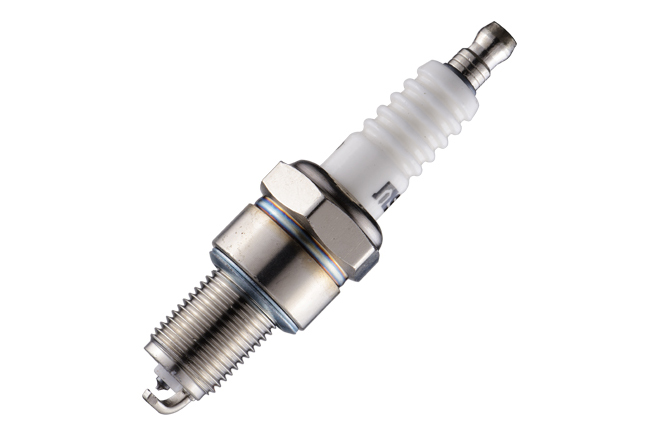
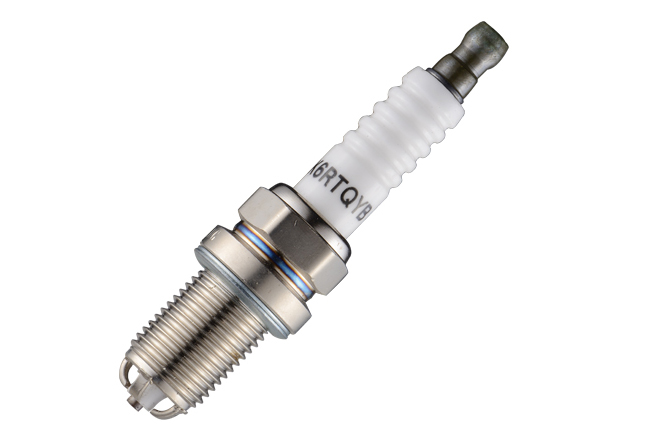
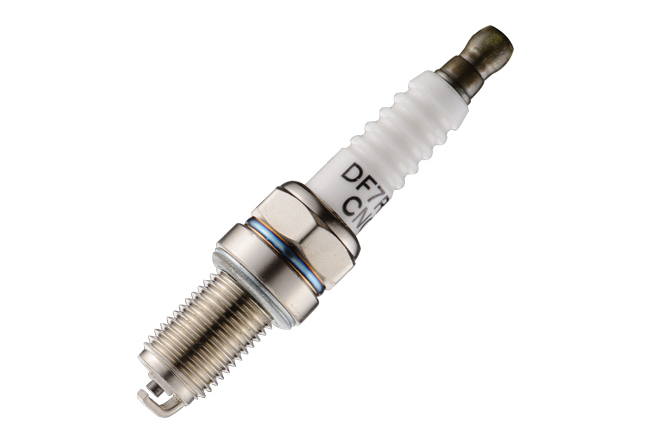
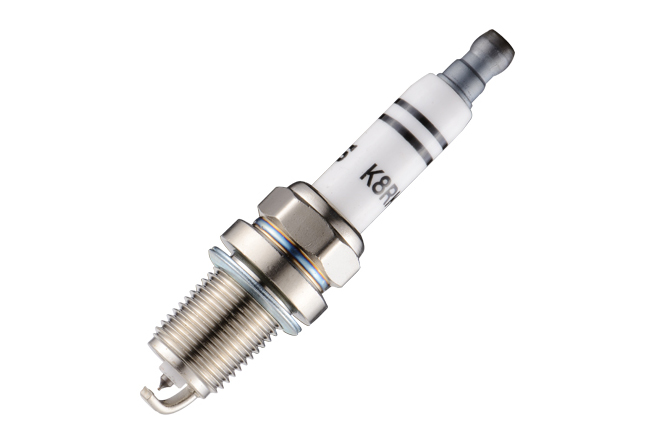
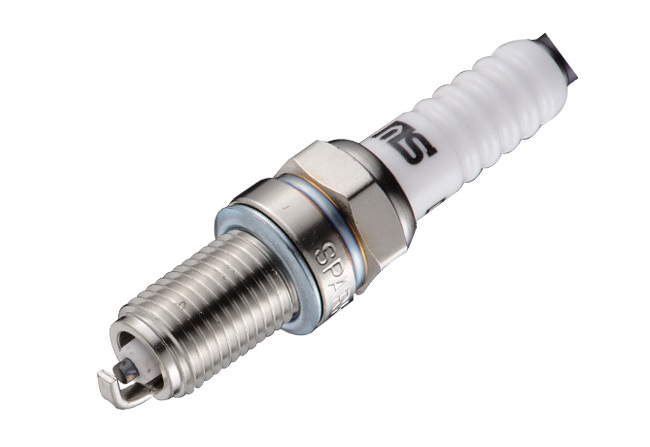

NINGBO MARSHAL AUTO PARTS CO., LTD. is a research and development, production and sales of professional manufacturers of spark plugs. Our company's spark plugs are mainly used in gasoline, natural gas and liquefied petroleum gas as fuel for all types of automobiles.
COPYRIGHT NINGBO MARSHAL AUTO PARTS CO., LTD. ALL RIGHTS RESERVED. Custom Spark Plugs Manufacturers OEM Spark Plugs Suppliers


 English
 中文简体
中文简体