For most recreational boat engines, marine spark plugs should be replaced every 100 hours of operation or once per season — whichever comes first. Copper plugs wear fastest and may need replacement as often as every 50–75 hours in high-output outboard motors. Iridium Marine Spark Plugs can last 200–300 hours under normal conditions, though marine environments accelerate degradation compared to automotive applications due to salt air, humidity, and sustained wide-open-throttle operation. Ignoring replacement intervals is one of the most common causes of hard starting, rough idling, and unexpected engine failure on the water.
This guide covers everything boat owners and marine technicians need to know about marine spark plug replacement intervals, plug types, gap specifications, and maintenance — backed by real performance data and practical service experience across both two-stroke and four-stroke marine engines.
Content
Marine spark plugs supply the electrical arc that ignites the compressed air-fuel mixture inside a boat engine's combustion chamber. The arc jumps across a precisely calibrated gap between the center electrode and ground electrode, generating temperatures exceeding 60,000°F at the spark point — enough to reliably ignite the mixture across a wide range of throttle positions, temperatures, and humidity levels.
While a marine spark plug functions on the same principle as an automotive plug, the operating environment demands significantly different engineering. Boat engine spark plugs must contend with salt spray corrosion on the threads and terminal, prolonged high-RPM operation (outboards frequently run at 4,500–6,000 RPM for extended periods), vibration from hull impacts, and frequent cold starts after weeks of storage. Automotive plugs are not rated for these conditions and corrode or foul rapidly in marine service.
Specifically engineered corrosion-resistant spark plugs for marine use incorporate nickel-plated or stainless steel shells, sealed suppressor cores to reduce radio frequency interference (required by ABYC E-11 and ISO 14895 standards), and higher-temperature-rated insulators to handle the thermal cycling common in marine engines. The insulator nose geometry is also optimized for marine combustion chamber designs, which typically run richer air-fuel mixtures at low throttle to ensure reliable trolling-speed combustion.
Understanding the marine ignition system helps explain why spark plug condition has such an outsized effect on engine performance. The ignition coil transforms 12V battery voltage into 20,000–40,000 volts. This high-voltage pulse travels through the ignition wire to the spark plug terminal, down through the center electrode, and jumps across the gap to the grounded shell. The resulting plasma arc ignites the compressed charge within approximately 1–3 milliseconds of the piston reaching top dead center (TDC).
At 5,000 RPM on a four-cylinder four-stroke engine, each plug fires approximately 2,500 times per minute — 150,000 times per hour. Over a 100-hour season, that is 15 million firing events per plug. Each event erodes a small amount of electrode material, which is why electrode gap widens predictably over time and why replacement intervals are specified in operating hours rather than calendar time.
Figure 1: Spark plug firing frequency per hour increases linearly with engine RPM on a four-stroke, four-cylinder engine. At a typical outboard cruising speed of 5,000 RPM, each plug fires 150,000 times per hour of operation. This high firing rate explains why marine spark plugs wear faster than automotive plugs operating at lower sustained RPMs, and why hour-based replacement intervals are more meaningful than mileage-based ones for marine applications.
The three main electrode materials used in best marine spark plugs each represent a different balance of cost, longevity, and ignition performance. Selecting the right type for your engine and usage pattern is as important as choosing the correct heat range and thread size.
Copper-core plugs use a nickel alloy electrode tip with a copper core for heat dissipation. They offer the best thermal conductivity of all three types — a critical advantage in high-performance and supercharged marine engines where heat management is a priority. The tradeoff is electrode wear: copper-nickel alloys are softer than platinum or iridium, and the larger electrode diameter (2.5 mm vs. 0.8 mm for iridium) requires higher ignition voltage. Replacement is typically required every 50–100 hours in marine service. These are the standard specification for most two-stroke marine spark plugs in older outboard designs.
Platinum tip plugs extend service intervals to 100–150 hours in marine applications. The harder platinum alloy resists gap erosion at a rate approximately 3× slower than nickel, and the finer electrode tip reduces required firing voltage by 15–20% compared to copper equivalents. Platinum plugs are available in single-platinum (center electrode only) and double-platinum (both center and ground electrode) configurations; double-platinum is preferred in marine engines with waste-spark ignition systems, where the plug fires on both compression and exhaust strokes.
Iridium Marine Spark Plugs represent the current performance standard for four-stroke marine spark plugs and modern EFI outboards. Iridium's hardness (6× harder than platinum) and melting point (2,446°C vs. 1,769°C for platinum) allow electrode diameters as fine as 0.4–0.6 mm, which produces a more concentrated plasma kernel and reliably ignites leaner air-fuel mixtures. Service life in marine applications reaches 200–300 hours under normal conditions. The fine-wire electrode also reduces required ignition voltage by up to 25% compared to copper plugs, reducing ignition coil wear over time.
Figure 2: Performance radar comparing copper, platinum, and iridium marine spark plugs across five criteria. Iridium leads in service life and ignition efficiency, making it the top choice for modern four-stroke and EFI outboard applications. Copper plugs retain an advantage in heat dissipation and cost efficiency, which is why they remain the specified plug for many high-output two-stroke and supercharged marine engines where thermal management outweighs longevity.
| Plug Type | Electrode Material | Electrode Diameter | Marine Service Life | Best Application |
|---|---|---|---|---|
| Copper | Nickel alloy / copper core | 2.5 mm | 50–100 hrs | 2-stroke, older outboards |
| Platinum | Platinum tip | 1.1 mm | 100–150 hrs | 4-stroke inboard/outboard |
| Iridium | Iridium tip | 0.4–0.6 mm | 200–300 hrs | Modern EFI outboards, inboards |
Diagnosing marine spark plug symptoms early prevents minor ignition issues from escalating into fuel system contamination, catalyst damage, or engine seizure. The condition of a removed spark plug is one of the most informative diagnostic indicators available to a marine technician — each failure mode leaves a distinct visual signature on the insulator nose and electrode tip.
Figure 3: Distribution of marine spark plug failure causes based on technician-reported service data. Normal end-of-life wear accounts for nearly one-third of replacements, underscoring the importance of scheduled replacement intervals rather than waiting for visible symptoms. Salt corrosion is the third most common cause at 20% — a marine-specific failure mode not seen in automotive applications — which is why corrosion-resistant shell materials and proper storage practices are essential for marine engines.
The marine engine spark plug gap is the distance between the center electrode tip and the ground electrode, measured in thousandths of an inch or millimeters. This gap determines the voltage required to fire the plug — too narrow and combustion is incomplete; too wide and the ignition system cannot reliably generate enough voltage to jump the gap, particularly at high RPM when dwell time is short. Always verify and set the gap against the engine manufacturer's specification, not the plug manufacturer's default gap (which is set for the most common automotive application).
Do not gap iridium or fine-wire platinum plugs by bending the ground electrode in the conventional way. The thin electrodes can be damaged by gapping tools. If the gap is out of specification on an iridium plug, return it — iridium plugs are typically factory-set to within ±0.002" of the target gap and should not require field adjustment in most cases.
| Engine Type | Typical Gap (inches) | Typical Gap (mm) | Notes |
|---|---|---|---|
| 2-stroke outboard (carb) | 0.040" | 1.0 mm | Check OEM spec; some models 0.035" |
| 4-stroke outboard (EFI) | 0.040"–0.044" | 1.0–1.1 mm | Wider gap improves igni. with EFI |
| Sterndrive / inboard V8 | 0.044"–0.060" | 1.1–1.5 mm | High-energy ignition allows wider gap |
| Personal watercraft (PWC) | 0.028"–0.032" | 0.7–0.8 mm | Tighter gap for high-RPM stability |
| High-performance marine (supercharged) | 0.028"–0.035" | 0.7–0.9 mm | Boost pressure collapses wider gaps |
Marine spark plug replacement is a straightforward task on most outboard and sterndrive engines, but the marine environment introduces specific risks — corroded threads, seized plugs, and fragile ignition wires — that require careful technique. Rushing the job or using incorrect tools is one of the more common causes of cylinder head thread damage in marine engines.
Figure 4: Recommended marine spark plug replacement intervals by engine and plug type in operating hours. The significant difference between copper (50–75 hours) and iridium (200+ hours) service intervals reflects the electrode wear rate differential driven by material hardness. For a boat owner logging 100 hours per season, copper plugs require replacement every season while iridium plugs can last 2–3 seasons — a practical consideration when planning annual maintenance schedules.
Even the best high performance marine spark plugs degrade faster than their rated service life when operating conditions work against them. These maintenance practices actively extend plug life and prevent premature replacement between scheduled intervals.
Figure 5: Simulated electrode gap growth trajectories for copper, platinum, and iridium marine spark plugs over 250 operating hours, starting from a 0.040" baseline gap. The red dashed line at 0.060" represents a typical replace-or-regap threshold for most marine engines. Copper plugs cross this threshold around 100 hours, platinum around 175 hours, while iridium plugs remain within specification well beyond 250 hours under normal marine operating conditions.
Q1: How often should I replace marine spark plugs?
For copper plugs, replace every 50–100 operating hours or annually, whichever comes first. Platinum plugs can go 100–150 hours, and iridium marine spark plugs typically last 200–300 hours. If you use your boat infrequently (under 50 hours per season), replace plugs annually regardless of type, because fuel varnish deposits and moisture accumulation during storage degrade plug performance even without high firing hour counts.
Q2: Can I use regular automotive spark plugs in my boat engine?
Not recommended. Automotive spark plugs lack the marine-rated suppressor core required by ABYC and ISO standards for RF interference suppression — this is a safety and regulatory compliance issue, not just a performance one. Automotive plugs also do not have the corrosion-resistant shell coatings required for salt-air environments, and their heat range ratings may not match marine combustion chamber temperatures. Always use plugs specifically listed by the engine manufacturer for your motor model.
Q3: What are the symptoms of bad spark plugs in a boat?
Common marine spark plug symptoms include hard starting (especially when cold), rough idling or misfiring at low throttle, hesitation or stumbling during acceleration, reduced top-end speed or RPM, increased fuel consumption, and engine vibration at cruise speed. In severe cases, a fouled or failed plug can cause a cylinder to stop firing entirely, resulting in obvious power loss and rough running. If your engine shows any of these symptoms, inspect and test each plug before assuming a more expensive ignition or fuel system fault.
Q4: Are iridium spark plugs worth it for an outboard motor?
Iridium Marine Spark Plugs are generally worth the investment for modern four-stroke EFI outboards for two reasons: longer service intervals (reducing annual maintenance work and the risk of seized plugs from corrosion) and improved cold-start ignition reliability due to the lower firing voltage requirement. For older two-stroke outboards, copper plugs often remain the correct specification — check your engine manual before upgrading plug types, as heat range and thread design differences between plug families can affect engine performance even if physical dimensions appear compatible.
Q5: What is the correct spark plug gap for my outboard motor?
The correct marine engine spark plug gap is specified in your outboard's service manual and varies by engine model. As a general reference, most carbureted two-stroke outboards use 0.040" (1.0 mm), EFI four-stroke outboards typically use 0.040"–0.044", and PWC engines use 0.028"–0.032". Do not rely on the gap pre-set on a new plug without checking it against your engine spec — plugs are pre-gapped for the most common application, which may differ from your engine's requirement.
Q6: Do I need to replace all spark plugs at once in a multi-cylinder marine engine?
Yes — replace all plugs as a set, even if only one cylinder is showing symptoms. Plugs in a multi-cylinder engine all accumulate the same operating hours simultaneously, so if one plug has reached the end of its service life, the others are close behind. Replacing only the symptomatic plug sets up a situation where you're back doing the same job within a few hours of operation. Replacing as a complete set also ensures consistent firing voltage requirements across all cylinders, which benefits overall engine balance and reduces coil stress.
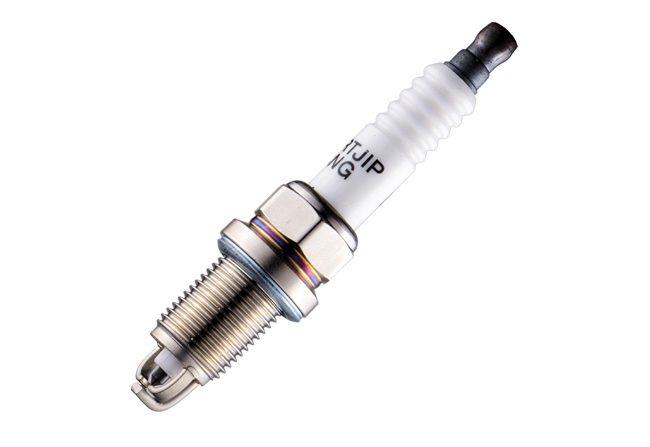
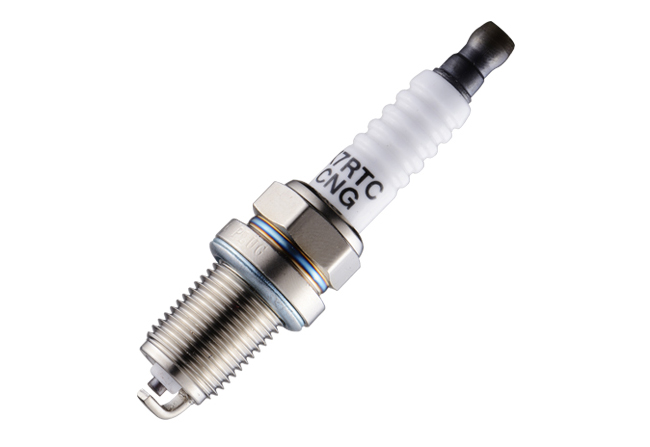
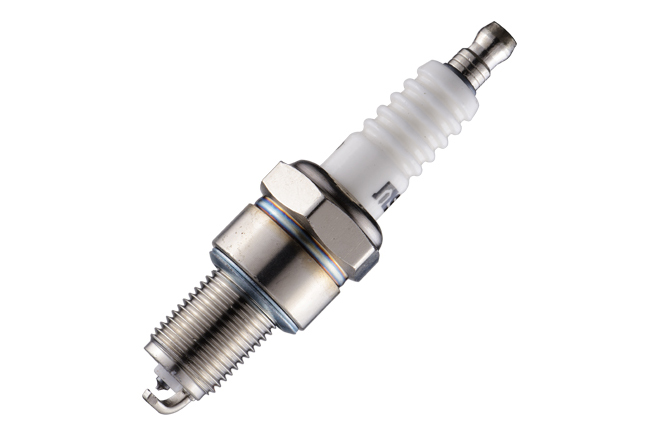
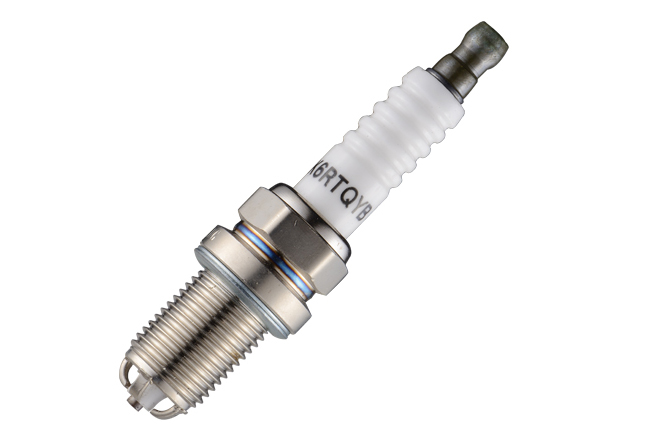
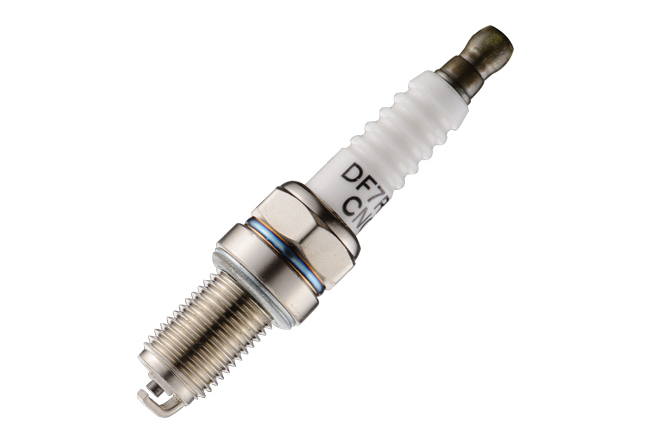
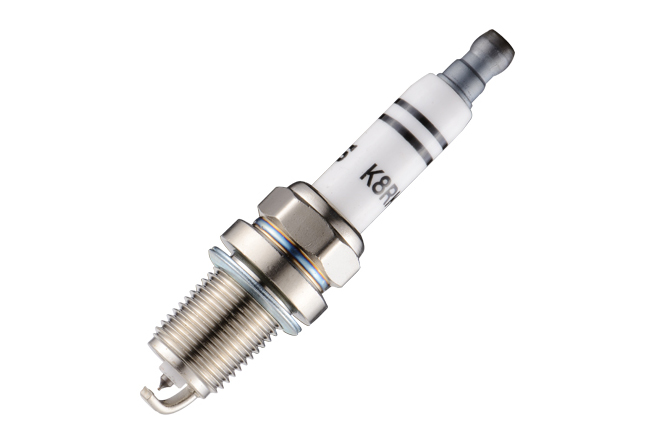
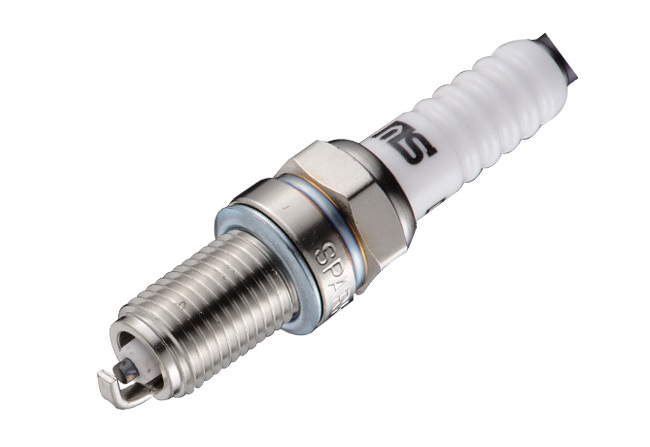

NINGBO MARSHAL AUTO PARTS CO., LTD. is a research and development, production and sales of professional manufacturers of spark plugs. Our company's spark plugs are mainly used in gasoline, natural gas and liquefied petroleum gas as fuel for all types of automobiles.
COPYRIGHT NINGBO MARSHAL AUTO PARTS CO., LTD. ALL RIGHTS RESERVED. Custom Spark Plugs Manufacturers OEM Spark Plugs Suppliers


 English
 中文简体
中文简体