The direct answer: most standard copper spark plugs should be replaced every 20,000–30,000 miles (32,000–48,000 km), while iridium and platinum spark plugs can last 60,000–100,000 miles (96,000–160,000 km) under normal driving conditions. However, the actual spark plug replacement interval depends on your vehicle's engine design, driving habits, fuel quality, and the electrode material of the plug itself. Ignoring a worn plug does not just affect fuel economy — it can trigger misfires, damage your catalytic converter, and lead to costly engine repairs.
Understanding how often to change spark plugs is one of the simplest yet most impactful pieces of preventive vehicle maintenance available to car owners and fleet managers alike. Whether you are sourcing OEM automotive spark plugs for a dealership, evaluating options as a wholesale car spark plugs buyer, or simply maintaining your own vehicle, this guide covers everything from replacement intervals and symptom identification to material comparisons and installation best practices.
According to data from the U.S. Department of Energy, a misfiring spark plug can reduce fuel efficiency by as much as 30%, and worn plugs are among the leading causes of failed vehicle emissions tests (U.S. DOE, Energy Saver Guide, 2022). Staying ahead of the replacement schedule is not just about performance — it is about protecting your entire drivetrain investment.
Content
The single biggest determinant of spark plug lifespan is the electrode material. Modern automotive ignition engineering has produced four primary categories, each with distinct durability, conductivity, and heat-range profiles. Matching the right electrode material to your engine's operating conditions is as important as the replacement interval itself.
Copper-core plugs with nickel alloy electrodes are the original standard. They offer excellent electrical conductivity and perform well in older engines designed around their higher voltage requirements. Their main limitation is wear rate: the nickel alloy electrode erodes relatively quickly under heat and electrical stress, making a 20,000–30,000-mile change interval essential. They remain a practical choice for older carbureted engines and vehicles where the OEM specification requires them.
Single-platinum spark plugs feature a platinum disc welded onto the center electrode, extending service life to approximately 60,000 miles. Double-platinum variants add a platinum pad to the ground electrode as well, enabling use in distributor-less ignition systems (DIS) where the plug fires in both directions. Double-platinum plugs can reach 60,000–80,000 miles before replacement is needed. Their hardness and high melting point (1,768°C) make them significantly more durable than standard nickel alloy under sustained high-temperature operation.
Iridium is the hardest natural metal on earth, with a melting point of 2,446°C. Iridium spark plugs feature an ultra-fine center electrode — typically 0.4–0.6 mm in diameter versus 1.1 mm for copper — that concentrates the spark discharge for more complete combustion. The result is a plug that commonly achieves 80,000–100,000 miles or more of service life in modern engines. Iridium is the predominant choice for factory-fill OEM automotive spark plugs in current-generation turbocharged and direct-injection engines.
A newer entrant, ruthenium electrodes offer ignitability and wear resistance that rivals iridium at a competitive cost profile. Ruthenium plugs are gaining adoption in high-performance and turbocharged applications, with manufacturers reporting service lives in the 80,000–120,000-mile range in controlled testing. Their design typically features a unique multi-ground electrode arrangement that improves ignition reliability under high cylinder pressure conditions.
Fig. 1 — Approximate service life range by spark plug electrode material under normal driving conditions.
The chart makes the lifespan gap between electrode materials immediately apparent. Upgrading from copper to iridium can multiply plug service life by three to five times, which is significant when you consider the labor cost of spark plug replacement on modern engines with coil-on-plug ignition systems — where accessing rear cylinder plugs may require intake manifold removal. For fleet operators and bulk spark plugs buyers managing total cost of ownership, the longer interval of premium electrode materials often justifies the higher per-unit cost. Conversely, for older vehicles or those near end of life, standard copper plugs remain a practical and economical choice when the OEM specification permits.
| Material | Center Electrode Dia. | Melting Point (°C) | Service Life (miles) | Typical Application |
|---|---|---|---|---|
| Copper / Nickel | 2.5 mm | 1,455 | 20,000–30,000 | Older / carbureted engines |
| Single Platinum | 0.8–1.0 mm | 1,768 | ~60,000 | EFI engines, standard DIS |
| Double Platinum | 0.8 mm | 1,768 | 60,000–80,000 | Waste-spark DIS systems |
| Iridium | 0.4–0.6 mm | 2,446 | 80,000–100,000+ | Modern GDI, turbo engines |
| Ruthenium | 0.4–0.5 mm | 2,334 | 80,000–120,000 | Performance / high-boost engines |
Knowing when to replace spark plugs is not always about reaching a mileage milestone. Driving style, fuel quality, oil consumption, and cooling system health all affect plug condition. The following symptoms indicate that your car engine spark plugs may need immediate inspection or replacement — regardless of how many miles are on them.
A misfiring cylinder produces a characteristic stumble or vibration at idle and under load. Modern engine control units (ECUs) log misfire events as OBD-II codes (P0300–P0308), and a single worn plug can cause hundreds of misfire events per driving cycle. Persistent misfires allow unburned fuel to enter the exhaust stream, which can destroy a catalytic converter within as few as 10,000 miles of continued operation (SAE International, Engine Misfire Research, 2021).
Worn plugs require a higher ignition voltage to fire, and if combustion is incomplete, the engine compensates by injecting more fuel. The U.S. DOE reports that faulty spark plugs can reduce fuel economy by up to 30%. Tracking miles per gallon over time is one of the most reliable indicators that ignition components need attention.
Cold starts demand the most from spark plugs — the air-fuel mixture is denser, and the engine needs a strong, consistent spark to ignite it reliably. Worn electrodes produce a weak or erratic spark that results in extended cranking times, especially in cold weather below 5°C (41°F).
When combustion efficiency drops, so does power output. Drivers typically notice this as sluggish throttle response under hard acceleration or when merging onto highways. If the vehicle feels noticeably less responsive than it once did, plug condition should be among the first checks.
Misfire-related OBD-II fault codes are among the most common reasons a check engine light activates. While many conditions can trigger this warning, a spark plug inspection and compression test should be part of any diagnostic protocol when misfire codes are present.
Intermittent misfires caused by inconsistent spark timing create a surging sensation — the vehicle briefly accelerates, then hesitates — particularly on uphill grades or when towing. This pattern often points to plugs that are near the end of their service life but have not yet failed completely.
Physical inspection of removed plugs reveals the health of the combustion process. A normal plug has a light tan or gray deposit on the insulator nose. Abnormal readings include: black sooty carbon deposits (rich fuel mixture or oil burning), wet oily fouling (ring seal failure), white blistered insulator (overheating / lean mixture), and eroded or rounded electrode tips (normal wear past service limit).
Plugs that perform marginally at low speeds may break down entirely under sustained high-temperature highway operation. If the vehicle runs smoothly in city traffic but develops a rough run or vibration on extended highway runs, thermal degradation of the electrode is a likely cause.
Hydrocarbon (HC) and carbon monoxide (CO) emissions spike when combustion is incomplete. In jurisdictions with mandatory vehicle inspection programs, worn spark plugs are a frequent root cause of emissions test failures. Replacing plugs before a scheduled inspection is a low-cost preventive step.
Pre-ignition or detonation — where the air-fuel mixture ignites before the plug fires — can be aggravated by a hot or incorrect heat-range plug. This produces a metallic knocking sound under load. While knock is caused by multiple factors, ignition timing and plug heat range should be verified as part of the diagnostic process.
Fig. 2 — Driver-reported frequency of symptoms associated with worn or failing spark plugs.
Survey data confirms that rough idle and misfires are the most commonly recognized symptom of bad spark plugs, reported by more than half of respondents experiencing ignition-related issues. Poor fuel economy ranks second — which is significant given that most drivers notice fuel efficiency changes only after sustained degradation, meaning the plug condition has already been declining for some time before the symptom is consciously observed. The check engine light, while widely recognized, is often dismissed or delayed before action is taken, underlining the value of proactive replacement based on mileage intervals rather than waiting for visible symptoms to appear.
The spark plug replacement interval recommended in your owner's manual is calibrated for "normal" driving conditions. Severe duty cycles accelerate electrode wear significantly and should prompt earlier replacement. Understanding what qualifies as severe use is critical for accurate maintenance planning.
| Vehicle / Engine Type | Plug Type (OEM Spec) | Normal Interval | Severe Duty Interval |
|---|---|---|---|
| Pre-2000 carbureted / distributor ignition | Copper / nickel | 20,000–30,000 mi | 12,000–18,000 mi |
| Standard EFI passenger car (2000–2015) | Single platinum | ~60,000 mi | 40,000–50,000 mi |
| Modern naturally aspirated engine (post-2015) | Iridium | 80,000–100,000 mi | 60,000–75,000 mi |
| Turbocharged GDI engine | Iridium / Ruthenium | 60,000–80,000 mi | 40,000–60,000 mi |
| High-performance / track-use vehicle | Custom ignition spark plugs | Per manufacturer spec | Annual or by event |
Fig. 3 — Relative electrode wear progression over mileage for copper, platinum, and iridium spark plugs.
The wear progression chart illustrates a critical insight: copper spark plugs reach their replacement threshold roughly four times faster than iridium under equivalent driving conditions. For fleet operators running high-mileage vehicles, this translates directly into labor hours, vehicle downtime, and parts cost per vehicle per year. It also explains why modern OEM vehicle manufacturers have largely standardized on iridium or platinum as factory-fill choices for new vehicles — the extended service interval reduces dealer warranty-period maintenance costs and supports long-term customer satisfaction. For automotive ignition parts suppliers and wholesale car spark plugs distributors, stocking the correct electrode material for each application segment is a competitive differentiator.
Delaying spark plug replacement beyond the recommended interval is not simply a matter of reduced performance — it initiates a cascade of mechanical and chemical consequences that become progressively more expensive to reverse. Here is what happens at each stage of overdue plug deterioration.
The electrode gap widens as the tip erodes, requiring higher ignition coil voltage to maintain a reliable spark. Fuel economy drops 5–15%, throttle response becomes sluggish, and the engine may develop a subtle rough idle that owners often attribute to fuel quality rather than plug condition.
The plug begins misfiring intermittently under load, logging OBD-II fault codes and triggering the check engine light. Unburned fuel passes into the exhaust. Catalytic converter substrate temperatures can spike 200–300°C above normal when large amounts of unburned hydrocarbons enter, accelerating converter aging. A catalytic converter replacement can cost 5–20 times more than a full set of spark plugs.
In aluminum cylinder heads — standard in most modern engines — steel spark plug shells can corrode and bond metallurgically to the head material over time, especially in the presence of heat cycling and combustion byproducts. Attempting to remove a severely stuck plug without the correct technique (heating the head, applying penetrating oil, using an extractor) risks breaking the plug body in the bore — a repair that may require head removal. This is a documented failure mode in turbocharged aluminum-head engines when plugs are left for 120,000+ miles without service.
The cumulative cost of ignoring a timely spark plug replacement interval — in fuel wasted, catalytic converter damage, coil failure from overstress, and potential head damage — routinely exceeds the plug replacement cost by a factor of 10 to 50 times.
While spark plug replacement is within the capability of a competent DIY mechanic on many vehicles, it requires care and the correct tools to avoid damaging the cylinder head. The following procedure applies to most inline and V-configuration engines with accessible plug locations.
Never apply anti-seize compound to iridium or platinum spark plugs unless the manufacturer explicitly specifies it — the compound changes the torque-to-clamp-force relationship and can cause over-torquing and thread damage on precision fine-thread plugs. Most modern automotive spark plugs have a coating on the shell threads that provides adequate anti-seize protection without additional compound.
The iridium versus platinum debate is one of the most common questions asked by both consumers and wholesale car spark plugs buyers sourcing inventory. The answer depends on the application, but the data points clearly in iridium's direction for modern high-performance and turbocharged engines.
Fig. 4 — Radar comparison of iridium and platinum spark plugs across five key performance attributes.
The radar chart reveals that iridium outperforms platinum across service life, ignitability, heat resistance, and fuel economy contribution, while platinum holds a cost-value advantage due to lower per-unit material cost. For high-volume fleet operators and bulk spark plugs purchasers, the extended interval of iridium can offset the material cost premium within one replacement cycle when labor is factored in. For standard passenger vehicles without turbocharged or high-compression engines, double-platinum plugs remain a well-balanced and widely used option. The key rule: always match the replacement plug specification to the OEM recommendation — substituting a lower-specification plug in a modern GDI or turbocharged engine is a false economy.
For automotive parts distributors, workshop chains, and fleet procurement managers, choosing a reliable spark plug manufacturer in China or international automotive ignition parts supplier requires evaluating production capability, quality management systems, material traceability, and certification compliance — not just per-unit cost.
Key criteria for evaluating a spark plug exporter or custom ignition spark plugs supplier include:
NINGBO MARSHAL AUTO PARTS CO., LTD. is a professional China automotive spark plug manufacturer and factory with over 30 years of development and reverse engineering experience. Marshal's electrodes have passed TUV certification and conform to RoHS and REACH directives. The company operates its own ceramic factory, self-producing high-density insulators with a 360° continuous laser bonding process — a manufacturing approach that delivers superior dielectric strength and mechanical robustness compared to standard industry practice. Marshal's laboratory fully implements 17 international and national spark plug test standards, supplemented by more than 34 original-level internal control tests covering the full production process. The company holds multiple spark plug design patents and utility model patents, reflecting genuine engineering investment in product performance. Marshal supplies OEM automotive spark plugs, supports custom ignition spark plug programs, and serves wholesale and bulk spark plug buyers globally.
Fig. 5 — Global automotive spark plug demand distribution by vehicle application segment.
Passenger cars account for the largest single application segment at 38% of global spark plug demand, followed by SUVs and light trucks at 28% — reflecting the ongoing dominance of internal combustion engines in global vehicle parc. Commercial vehicles, while representing 18% of unit volume, often consume plugs at higher replacement frequency due to higher mileage accumulation rates. For a spark plug manufacturer in China or international supplier, covering all segments — from standard copper plugs for older passenger vehicles to custom iridium configurations for performance and commercial engines — is essential for sustained market relevance. The powersports and industrial segments, while smaller, represent niche areas where specialized heat ranges and electrode geometries command premium positioning.
The following questions reflect common real-world searches from vehicle owners, mechanics, and parts buyers evaluating spark plug maintenance and procurement decisions.
Q1: How Often Should You Replace Spark Plugs?
Copper plugs every 20,000–30,000 miles; platinum every 60,000–80,000 miles; iridium every 80,000–100,000 miles. Always refer to your vehicle owner's manual as the primary source — it specifies both the interval and the correct plug type for your engine.
Q2: What Are the Signs of Bad Spark Plugs?
Key symptoms include rough idle, engine misfires, reduced fuel economy, slow cold starts, loss of acceleration, check engine light activation, and engine surging under load. If two or more of these symptoms appear together, inspect your plugs immediately — do not wait for the mileage interval.
Q3: Iridium vs Platinum Spark Plugs — Which Is Better?
Iridium outperforms platinum in service life, ignitability, and heat resistance — particularly in modern turbocharged and GDI engines. Platinum is a reliable, lower-cost option for standard EFI engines where the OEM specifies it. Never downgrade from iridium to platinum in an engine designed around iridium's tighter electrode gap requirements.
Q4: How to Choose the Right Spark Plug for Your Vehicle?
Start with the OEM specification from your owner's manual or a fitment guide — it specifies heat range, electrode material, thread size, reach, and seat type. Aftermarket upgrades (e.g., copper to iridium) are acceptable only when the replacement plug matches all dimensional specs and the heat range is confirmed compatible with your engine's calibration.
Q5: What Happens If You Don't Change Spark Plugs?
Progressive consequences include 5–30% fuel economy loss, catalytic converter damage from unburned fuel, ignition coil overstress, OBD-II misfire codes, and — in severe cases — plug seizure in aluminum heads requiring professional extraction. The repair cost escalation is typically 10–50× the cost of timely plug replacement.
Q6: Can I Replace Spark Plugs Myself?
Yes, for most vehicles with accessible plug locations. You need a torque wrench, the correct spark plug socket, a feeler gauge for gap verification, and compressed air to clear debris from plug wells. On modern coil-on-plug engines or vehicles with difficult rear-bank access, professional replacement reduces the risk of cross-threading or damaging ignition coil boots.
Q7: How Do I Source OEM-Quality Spark Plugs in Bulk?
Evaluate suppliers by their electrode material certification, insulator production integration, test standard compliance (TUV, RoHS, REACH), OEM fitment database coverage, and patent credentials. A reliable automotive ignition parts supplier should provide full technical documentation, cross-reference data, and support for custom ignition spark plug configurations on request.
Q8: How Long Does a Spark Plug Replacement Take?
On a standard 4-cylinder engine with accessible plugs, a complete set replacement takes 30–60 minutes. V6 and V8 engines with rear-bank plugs can take 1.5–3 hours depending on access difficulty. Engines requiring intake manifold removal (some transverse V6 designs) may require 3–5 hours of labor. Iridium's extended service interval makes each replacement event less frequent, reducing cumulative labor costs.
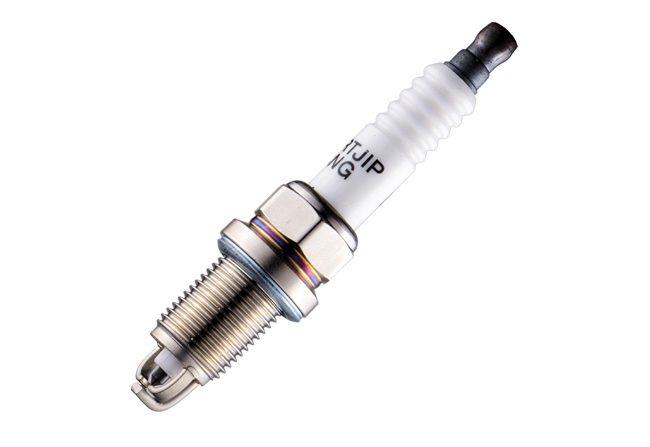
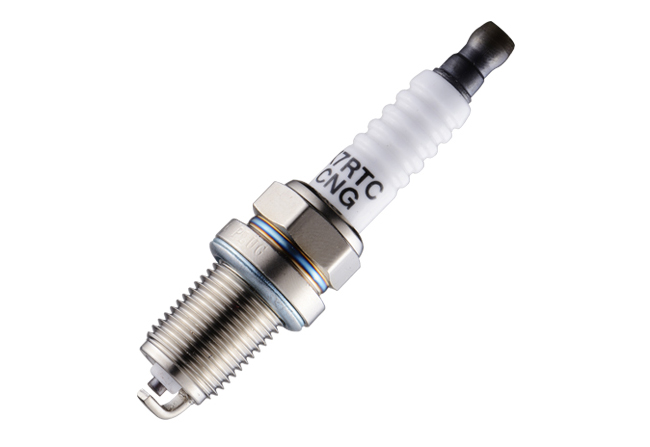
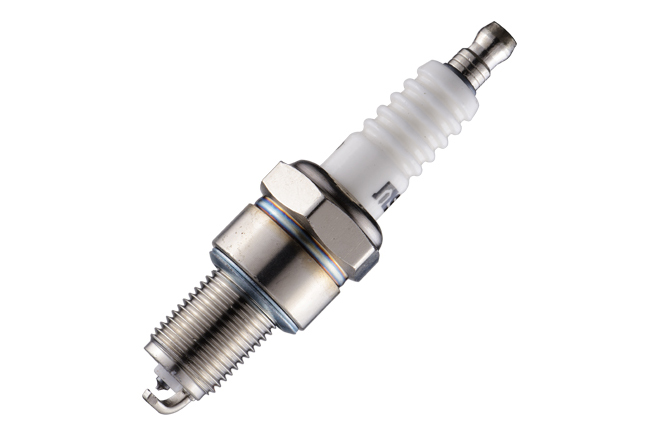
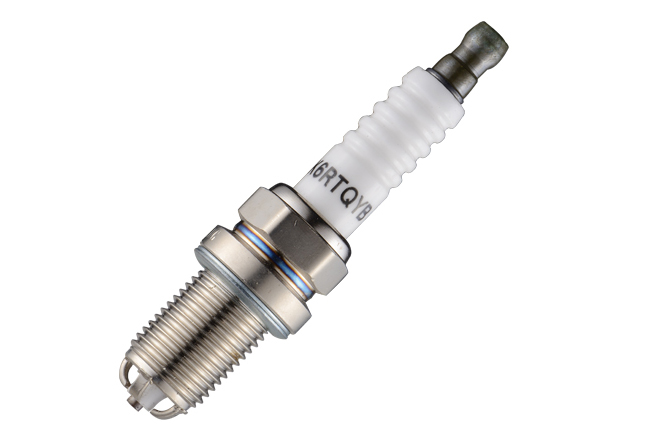
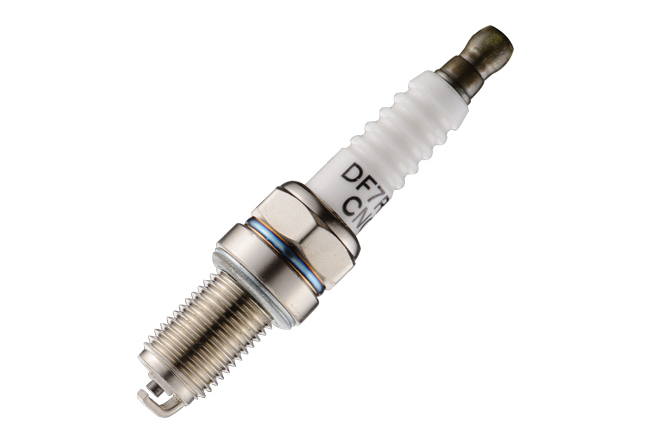
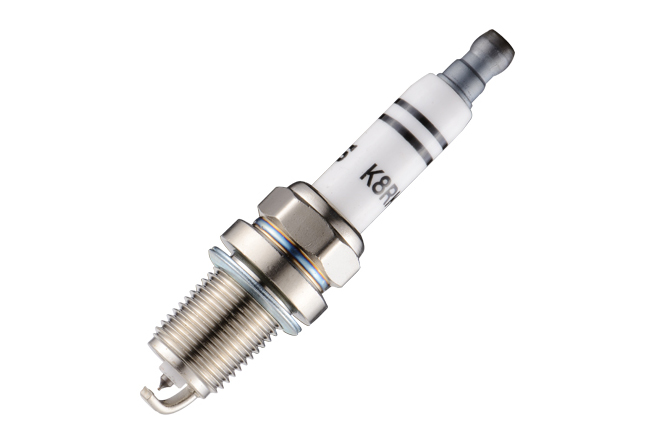
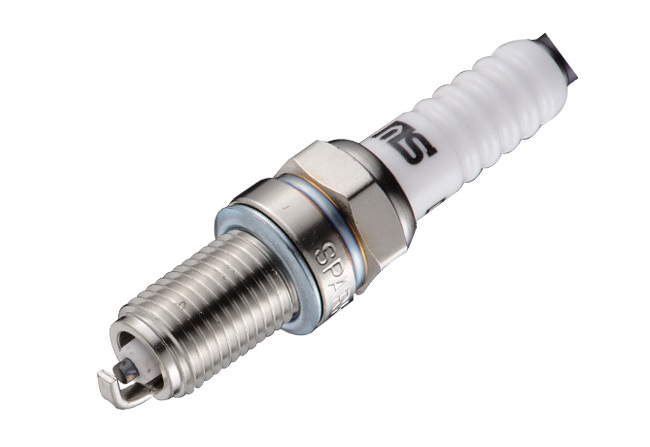
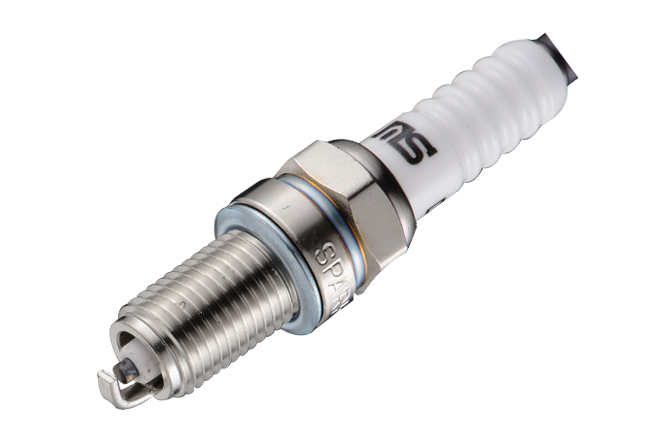

NINGBO MARSHAL AUTO PARTS CO., LTD. is a research and development, production and sales of professional manufacturers of spark plugs. Our company's spark plugs are mainly used in gasoline, natural gas and liquefied petroleum gas as fuel for all types of automobiles.
COPYRIGHT NINGBO MARSHAL AUTO PARTS CO., LTD. ALL RIGHTS RESERVED. Custom Spark Plugs Manufacturers OEM Spark Plugs Suppliers


 English
 中文简体
中文简体