
In car maintenance, spark plugs are often overlooked, yet they directly affect engine ignition efficiency, power output, and fuel economy. Many car owners believe "as long as the car can still run, there's no need to replace them," resulting in increased fuel consumption, decreased power, and even engine vibration. In fact, spark plugs have a defined replacement cycle, and their lifespan varies greatly depending on the material and the usage environment.
This article will guide you through understanding how often to replace automotive spark plugs, what the criteria are, and what the consequences are of not replacing them.
Content
The core function of automotive spark plugs is to ignite the air-fuel mixture. When the engine is running, the spark plug generates an electric spark under the action of high-voltage electricity, igniting the air-fuel mixture in the cylinder, thereby pushing the piston to do work.
If the spark plug's ignition efficiency decreases, the following will occur:
Therefore, although small, automotive spark plugs are a crucial component for the normal operation of the engine.
Many car owners mistakenly believe that spark plugs should be replaced every 20,000 kilometers, which is incorrect. Different materials used in car spark plugs have completely different lifespans.
Replacement cycle: 15,000–20,000 kilometers
Advantages: Inexpensive
Disadvantages: Electrode wears quickly, short lifespan
Replacement cycle: 40,000–60,000 kilometers
Advantages: High temperature resistance, good stability
Disadvantages: Moderate price
Replacement cycle: 60,000–80,000 kilometers
Suitable for vehicles requiring high ignition stability
Replacement cycle: 80,000–100,000 kilometers
Advantages: High ignition efficiency, long lifespan
Disadvantages: Relatively high price
In short: There is no fixed replacement cycle for car spark plugs; it depends on the material and driving environment.

Urban congestion, frequent short-distance driving, and long idling times all accelerate the aging of car spark plugs. Even if the official mileage hasn't been reached, performance may already be declining.
Many car owners don't check spark plugs as long as the car can still run. In reality, when power weakens and fuel consumption increases, it often indicates the car has entered a "performance degradation period."
Low-quality fuel easily produces carbon deposits, contaminating the spark plug electrodes and shortening their lifespan.
If your car exhibits the following symptoms, it's likely time to check or replace the spark plugs:
These are typical signs of decreased spark plug ignition efficiency.
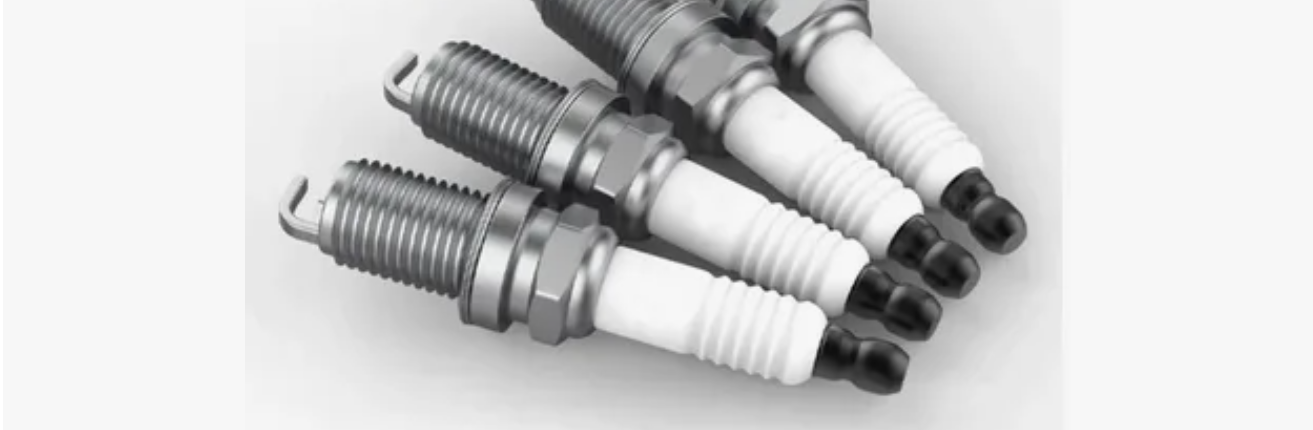
Incomplete ignition leads to reduced combustion efficiency, requiring the engine to inject more fuel to maintain power output.
Aging spark plugs cause the ignition coils to be under high load for extended periods, making them prone to burnout and increasing repair costs.
Incomplete combustion exacerbates carbon buildup, affecting the intake system and fuel injectors.
Long-term unstable ignition can lead to increased engine vibration, affecting overall lifespan.
Including thread size, heat range, and electrode gap, all must meet the requirements of your car model.
Daily commuting: Platinum spark plugs are sufficient
High-speed driving and performance demand: Iridium spark plugs are more suitable
High-quality automotive spark plugs provide stable ignition, longer lifespan, and are more cost-effective in the long run.
Even if it is not yet time for replacement, it is recommended to:
Regular checks can prevent sudden malfunctions and improve driving safety.
Many car owners underestimate the importance of car spark plugs and wait until obvious engine problems occur before replacing them, often resulting in additional wear and tear. Regularly checking the condition of spark plugs can not only improve power performance but also reduce fuel consumption and extend engine life.
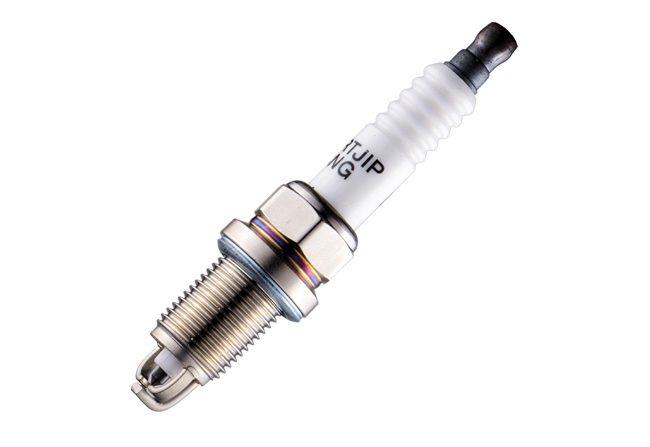
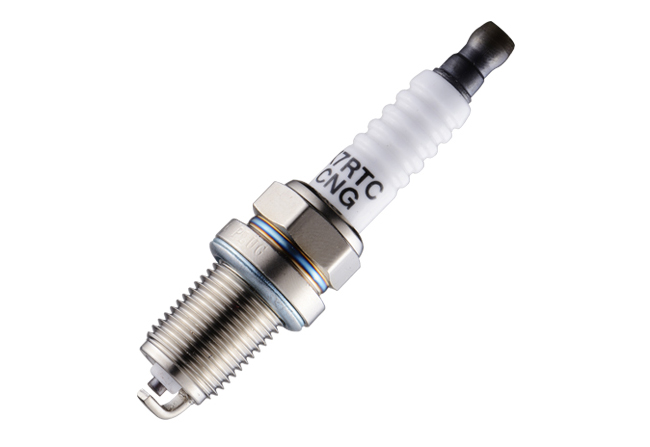
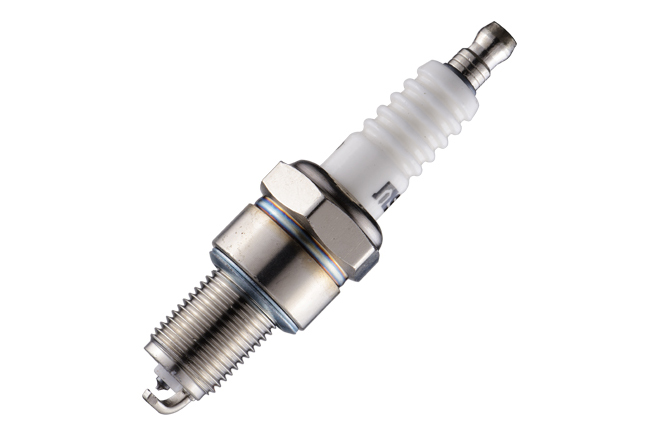
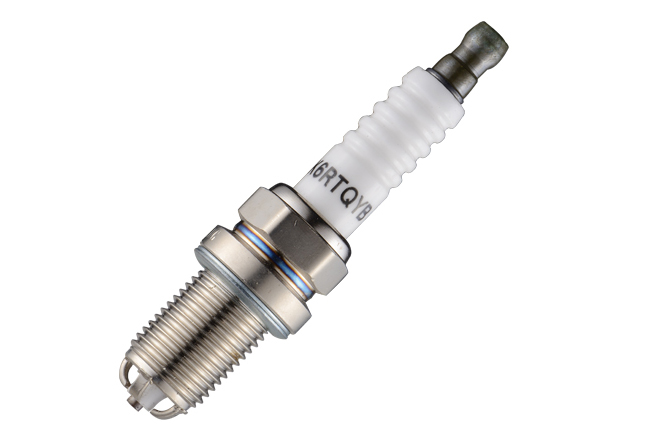
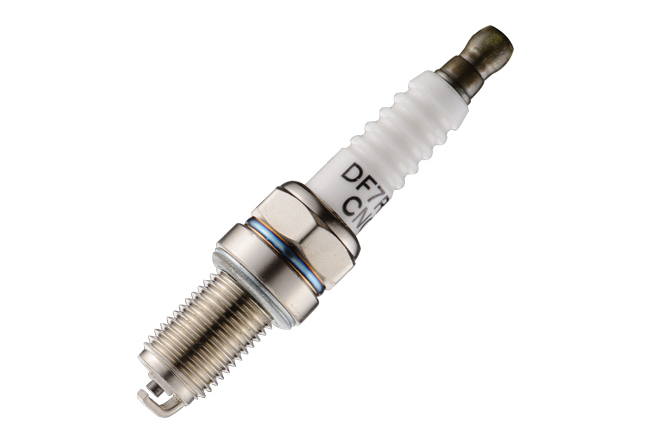
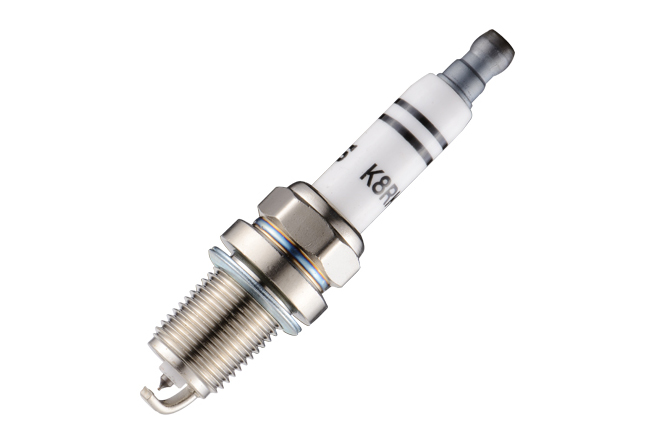
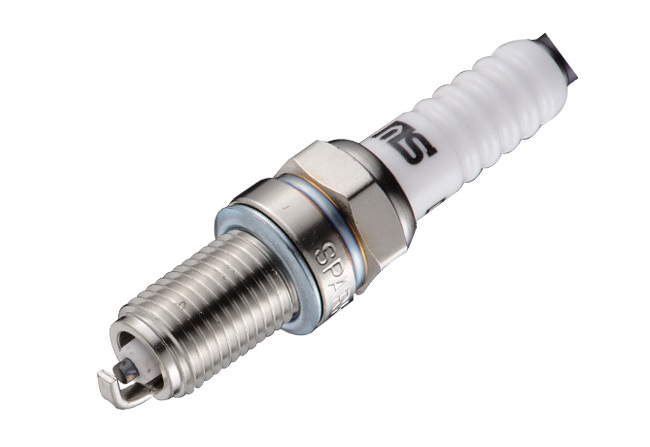
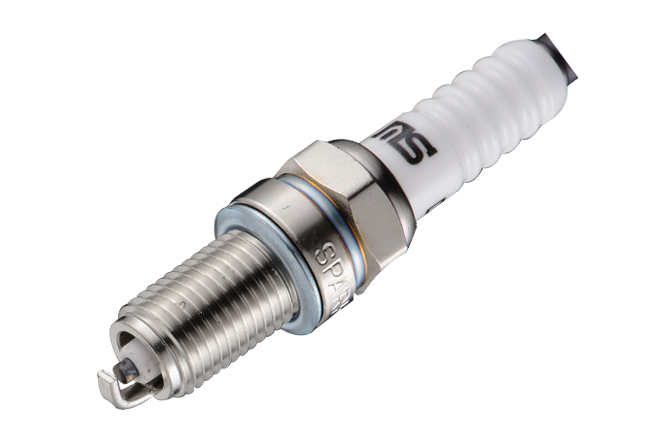

NINGBO MARSHAL AUTO PARTS CO., LTD. is a research and development, production and sales of professional manufacturers of spark plugs. Our company's spark plugs are mainly used in gasoline, natural gas and liquefied petroleum gas as fuel for all types of automobiles.
COPYRIGHT NINGBO MARSHAL AUTO PARTS CO., LTD. ALL RIGHTS RESERVED. Custom Spark Plugs Manufacturers OEM Spark Plugs Suppliers


 English
 中文简体
中文简体