Cleaning aircraft model spark plugs properly requires removing carbon deposits, inspecting the electrode gap, and verifying the insulator condition before reinstallation. Done correctly, a thorough cleaning cycle restores ignition efficiency, prevents misfires, and extends the usable life of each plug by hundreds of operating hours. Skipping or rushing the process introduces the risk of incomplete combustion, fouling, and premature engine wear.
Whether you are maintaining a piston-engine model aircraft or following an Aircraft Model Spark Plug Replacement Guide schedule, understanding the correct cleaning method is as important as knowing when to replace. This guide covers the full procedure — tools, steps, inspection criteria, and maintenance intervals — with specific data to support each recommendation.
Content
Aircraft model engines — particularly four-stroke glow and gasoline-powered units — operate under demanding thermal and combustion conditions. Carbon, oil residue, and lead deposits accumulate on the center electrode, ground electrode, and insulator nose during normal use. When deposit buildup exceeds a critical threshold, spark energy is partially discharged through the fouling layer rather than across the electrode gap, causing misfires.
Research on small internal combustion engines shows that a 0.5 mm deposit layer on the insulator nose can reduce effective spark voltage by 20–35%, enough to cause intermittent ignition failure at high throttle settings. For aircraft models where consistent power delivery directly affects flight stability, this level of degradation is significant.
Regular cleaning of Aircraft Model Spark Plugs also provides an opportunity to inspect for early signs of wear — cracked insulators, eroded electrodes, or damaged threads — before they cause in-flight failures.
Gathering the right tools before beginning ensures the cleaning process is thorough and does not risk damaging the plug or engine threads. The following items are required:
Note: Abrasive blasting equipment (sandblasting) is used for cleaning full-scale aviation spark plugs but is generally not recommended for small model engine plugs due to the risk of abrasive media becoming trapped in the firing end assembly.
Follow these steps in sequence. Skipping steps — particularly the drying and gap-check stages — is the most common cause of reinstallation problems.
Allow the engine to cool completely — at least 30 minutes after shutdown — before attempting removal. Removing a plug from a hot engine risks stripping the aluminum head threads. Use the correct socket and apply steady counterclockwise torque. If the plug is seized, apply a small amount of penetrating fluid at the base and wait 10 minutes before retrying.
Before any cleaning, examine the plug under good lighting. Note the deposit color and distribution — this reveals combustion condition. Use the table below as a reference:
| Deposit Color / Appearance | Likely Cause | Action Required |
|---|---|---|
| Light tan / gray | Normal combustion | Clean and reuse |
| Dry black carbon | Rich mixture / incomplete combustion | Clean; adjust mixture |
| Wet / oily black | Oil fouling (worn rings or excess lubrication) | Clean; inspect engine oil control |
| White / blistered insulator | Overheating (lean mixture or hot plug) | Replace plug; review heat range |
| Cracked insulator | Thermal shock or mechanical damage | Replace immediately |
Place the firing end of the plug in a small container of carburetor cleaner or 90%+ isopropyl alcohol. Soak for 10–20 minutes to soften carbon and oil deposits. For heavily fouled plugs, a second soak cycle after initial brushing is recommended.
Using the brass wire brush, scrub the center electrode, ground electrode, and the insulator nose in short strokes. Work around the electrode base where deposits tend to accumulate most densely. Do not use steel wire brushes — steel bristles can embed in the soft electrode alloy and create conductive contamination.
Direct compressed air (30–60 PSI) into the firing end to expel all loosened debris. Rotate the plug while blowing to ensure dislodged particles are not trapped between the insulator and shell. Any remaining particulate entering the cylinder on reinstallation can score cylinder walls.
Rinse the plug once more with fresh isopropyl alcohol to remove cleaning solution residue, then blow dry with compressed air. Allow a further 5–10 minutes of air drying before inspection. Any solvent remaining in the plug will cause a misfire on first startup.
Measure the gap between the center and ground electrode using a feeler gauge. For most aircraft model gasoline engines, the specified gap is 0.50–0.65 mm (0.020–0.026 inch). If the gap has widened beyond spec due to electrode wear, adjust by carefully bending the ground electrode only — never apply pressure to the center electrode.
Thread the plug in by hand first to avoid cross-threading, then tighten with a torque wrench. Typical reinstallation torque for model engine spark plugs in aluminum heads is 10–15 Nm (88–133 in-lb) — check the engine manufacturer's specification. Over-torquing is the leading cause of thread damage in model engine heads.
Cleaning interval depends on fuel type, engine size, and operating conditions. The table below provides general guidance for common aircraft model engine configurations:
| Engine Type | Fuel | Cleaning Interval | Replacement Interval |
|---|---|---|---|
| 2-stroke model aircraft | Gasoline + oil mix | Every 10–15 flight hours | Every 40–50 flight hours |
| 4-stroke model aircraft | Gasoline | Every 20–25 flight hours | Every 75–100 flight hours |
| Larger scale model / UAV | Gasoline / heavy fuel | Every 25 flight hours | Per OEM schedule |
Gap measurement is part of any serious How To Clean Aircraft Model Spark Plugs procedure, yet it is the step most commonly skipped by hobbyists. Electrode erosion is progressive and approximately linear with operating hours. A plug that started at 0.55 mm gap may wear to 0.75 mm after 50 hours — a 36% increase that raises secondary ignition voltage demand and strains the ignition coil.
Use a wire-type feeler gauge rather than a flat blade type for accurate measurement on worn electrode surfaces. If the gap has widened beyond the manufacturer's maximum specification, replacement is more reliable than attempting to close the ground electrode significantly, as excessive bending can fatigue and crack the electrode.
Not every plug can be returned to service through cleaning. Replacement is the correct decision when any of the following conditions are found during inspection:
When selecting a replacement, match the original plug specification exactly — including heat range designation, thread diameter, reach length, and seat type (gasket or taper). Installing a plug with the wrong heat range in an aircraft model engine is one of the most common causes of piston damage.
Understanding what not to do is as important as following the correct procedure. The most frequently observed errors include:
Not all Aircraft Model Spark Plugs are interchangeable. The three most critical selection parameters are:
Heat range governs how quickly the plug dissipates heat from the firing end into the cylinder head. A plug that is too hot retains excess heat and causes pre-ignition. A plug that is too cold fails to self-clean and fouls rapidly. Always use the heat range specified by the engine manufacturer.
Thread reach is the length of the threaded portion. Using a plug with excessive reach causes the electrode to protrude into the combustion chamber and contact the piston — a catastrophic failure mode. Short-reach plugs leave a blind pocket that accumulates deposits. The reach must match the head specification precisely, typically 12.7 mm, 19 mm, or 25.4 mm for common model engine sizes.
Standard nickel alloy electrodes are suitable for most model aircraft applications. Iridium or platinum electrode variants offer extended service life — typically 2–3 times longer than nickel before gap erosion reaches the replacement threshold — making them worthwhile for high-hour UAV or competition applications where maintenance access is limited.
NINGBO MARSHAL AUTO PARTS CO., LTD. is a professional manufacturer dedicated to the research, development, production, and sales of spark plugs. The company's spark plugs are designed for a wide range of applications, including engines powered by gasoline, natural gas, and liquefied petroleum gas across all types of automobiles. With a commitment to consistent quality and technical precision, NINGBO MARSHAL AUTO PARTS CO., LTD. delivers reliable ignition solutions for demanding operating environments.
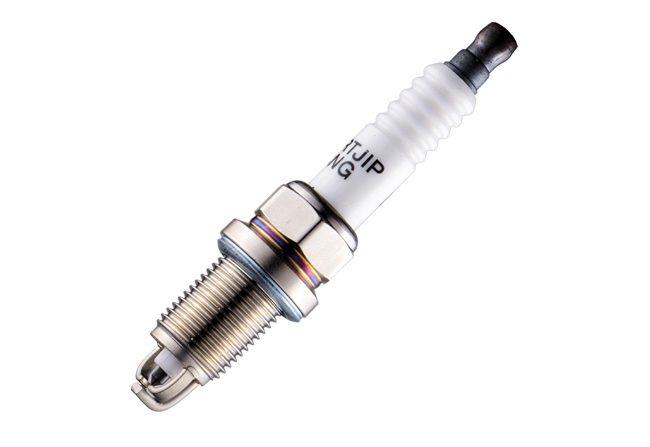
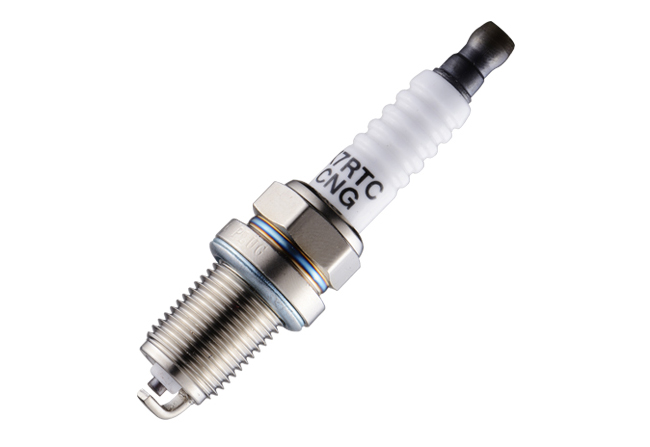
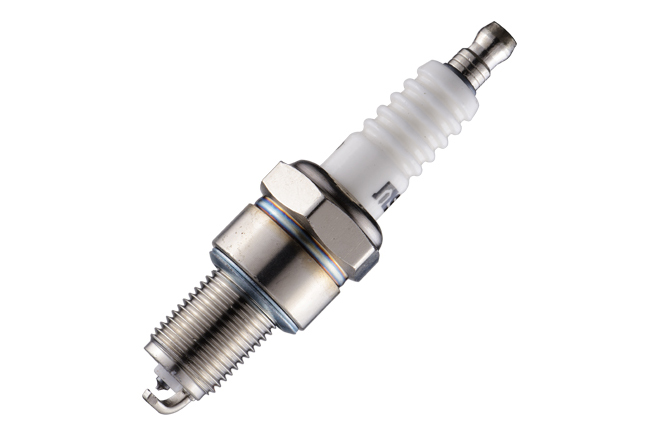
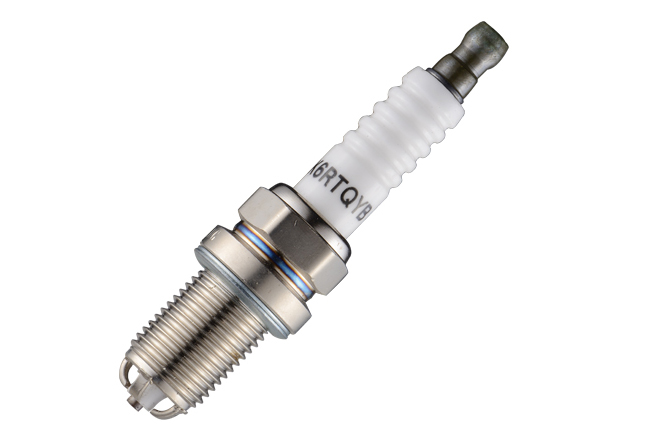
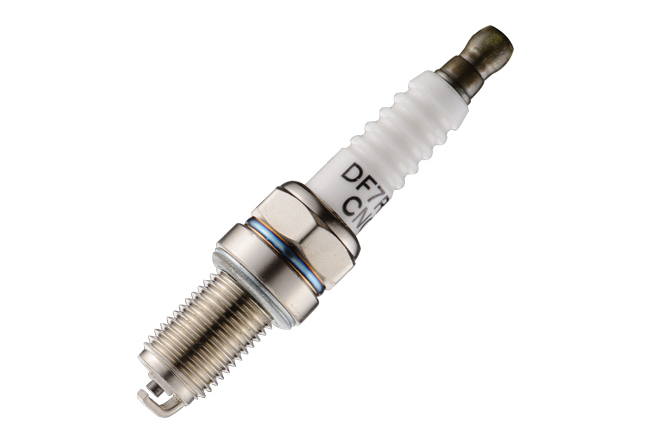
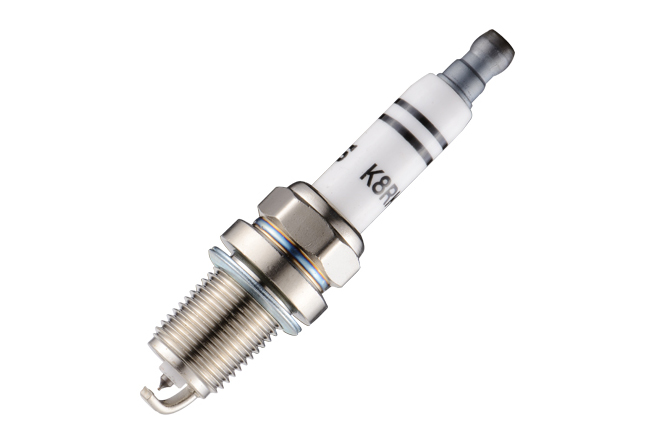
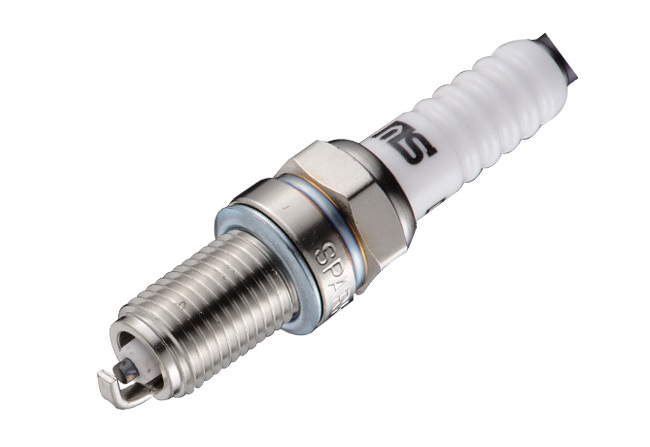
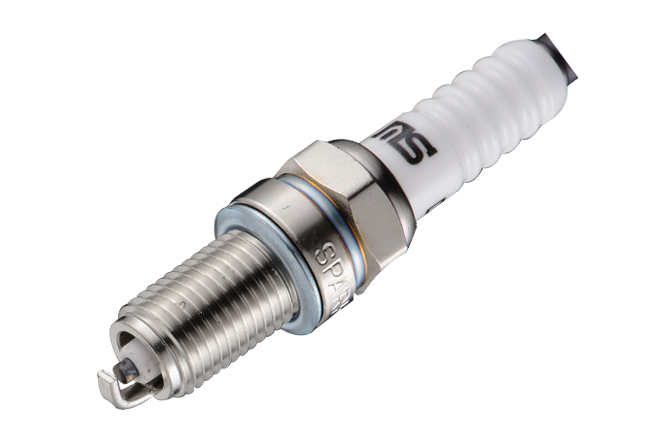

NINGBO MARSHAL AUTO PARTS CO., LTD. is a research and development, production and sales of professional manufacturers of spark plugs. Our company's spark plugs are mainly used in gasoline, natural gas and liquefied petroleum gas as fuel for all types of automobiles.
COPYRIGHT NINGBO MARSHAL AUTO PARTS CO., LTD. ALL RIGHTS RESERVED. Custom Spark Plugs Manufacturers OEM Spark Plugs Suppliers


 English
 中文简体
中文简体