If your motorcycle is hard to start, running rough at idle, losing power under acceleration, or consuming more fuel than usual, there is a strong chance your Motorcycle Spark Plug is failing or already dead. A single worn spark plug can reduce engine efficiency by up to 30% and trigger misfires that stress your ignition coil and fuel system. The good news: diagnosing a bad plug takes less than 10 minutes and requires only basic tools.
This guide walks through every symptom, visual inspection technique, gap measurement method, and replacement decision — so you can keep your engine running at its best.
Content
Most spark plug problems announce themselves through performance symptoms before the plug fails completely. Watch for any combination of the following:
If you notice two or more of these symptoms simultaneously, remove and inspect the spark plug immediately before riding further.
Removing and visually reading your spark plug is the most reliable way to confirm the problem — and often reveals deeper engine issues beyond just the plug itself.
A healthy plug has a light tan or grey deposit on the insulator nose. The electrode is intact, the gap is within spec, and there is no cracking or fouling. This plug can continue service until the manufacturer's recommended interval.
Thick black dry soot on the insulator indicates a rich fuel mixture, clogged air filter, or excessive idling. The plug is not hot enough to burn off deposits. Check carburetor jetting or fuel injection mapping.
Wet oily deposits point to oil entering the combustion chamber — typically from worn piston rings, valve stem seals, or a leaking head gasket. Replacing the plug alone will not solve this; the underlying oil leak must be addressed.
A chalky white or blistered insulator means the plug is running too hot. Causes include a lean fuel mixture, incorrect plug heat range, cooling system fault, or detonation. Continued operation risks piston damage.
The center electrode should have a sharp, well-defined edge. If it appears rounded, pitted, or eroded, the plug has exceeded its service life. A worn electrode requires a significantly higher voltage to fire, straining the ignition coil and reducing combustion efficiency.
| Visual Appearance | Likely Cause | Action Required |
|---|---|---|
| Light tan / grey | Normal combustion | No action needed |
| Black dry soot | Rich mixture / clogged filter | Replace plug, fix fuel system |
| Black wet / oily | Oil leak into combustion | Replace plug, inspect seals/rings |
| White / blistered | Overheating / lean mixture | Replace plug, check heat range |
| Rounded / eroded electrode | End of service life | Replace immediately |
| Cracked insulator | Physical damage / detonation | Replace immediately |
The electrode gap is the distance between the center and ground electrode — and it is one of the most critical settings for combustion efficiency. A gap that is too small produces a weak spark; a gap that is too wide can prevent the spark from jumping at all under compression. Checking your Motorcycle Spark Plug Gap Chart in the owner's manual before installation is non-negotiable.
The following reference chart covers the most common motorcycle engine types and their typical gap specifications:
| Engine Type | Displacement | Typical Gap (mm) | Typical Gap (inch) |
|---|---|---|---|
| Small engine / scooter (2T) | 50–125cc | 0.6–0.7 mm | 0.024–0.028" |
| Small commuter (4T) | 100–200cc | 0.7–0.8 mm | 0.028–0.031" |
| Mid-range sport / naked | 250–600cc | 0.8–0.9 mm | 0.031–0.035" |
| Large displacement / touring | 650–1200cc+ | 0.8–1.1 mm | 0.031–0.043" |
| Off-road / motocross (4T) | 250–450cc | 0.6–0.8 mm | 0.024–0.031" |
Always use a feeler gauge or wire-type gap tool to verify the gap before installation. Never assume a new plug is pre-gapped to your engine's specification — even from the factory, gaps can vary by ±0.05 mm from the stated value.
You do not need a dedicated spark tester to get a reliable preliminary diagnosis. Follow these steps:
Always perform this test in a well-ventilated area, away from fuel vapors. Never hold the plug wire with bare hands during cranking.
Selecting the best spark plug for small engine bikes (50–200cc scooters, commuters, and entry-level motorcycles) requires attention to heat range, thread size, and electrode material — not just the part number printed on the old plug.
Small engines used primarily in city stop-and-go riding need a slightly colder heat range to prevent pre-ignition caused by heat buildup at low average speeds. High-performance small engines (racing-tuned 125cc, for instance) may benefit from a one-step colder plug to handle the increased combustion temperatures.
For standard small engine commuters, a copper-core electrode provides the best thermal conductivity and is the most cost-effective choice, with a typical service life of 10,000–15,000 km. Iridium and platinum-tipped plugs offer 50,000–80,000 km service life and sharper spark focus, making them worthwhile for engines with extended maintenance intervals.
Small displacement engines most commonly use M10×1.0 or M12×1.25 thread sizes with a short 12.7mm or 19mm reach. Installing a plug with incorrect reach causes the exposed threads to carbon-foul or, in the worst case, contact the piston crown — a critical safety issue.
Understanding the Motorcycle Spark Plug Benefits goes beyond simply replacing a worn part. A correctly specified, quality plug influences virtually every aspect of engine performance:
Even if a plug has not visibly failed, electrode wear gradually increases the gap beyond spec and degrades combustion quality. Follow these general replacement intervals — or inspect at every service, whichever comes first:
| Plug Type | Recommended Interval | Best Suited For |
|---|---|---|
| Standard copper | 10,000–15,000 km | Budget commuters, older bikes |
| Platinum | 30,000–50,000 km | Modern 4T commuters and touring |
| Iridium | 50,000–80,000 km | High-performance, fuel-injected engines |
| 2-stroke standard | 3,000–5,000 km | 2T scooters, dirt bikes |
In high-heat riding conditions — extended highway cruising, summer temperatures above 35°C, or consistently heavy loads — reduce these intervals by approximately 20% as a precautionary measure.
NINGBO MARSHAL AUTO PARTS CO., LTD. is a professional China Motorcycle Spark Plugs manufacturer and factory, with a comprehensive range of product lines and continuously advancing engineering, technical, and manufacturing capabilities.
With 30 years of development and reverse engineering experience, MARSHAL's electrodes have passed TUV certification and conform to RoHS and REACH standards. High-strength insulators are manufactured using 360° Continuous Laser Technology for superior structural integrity.
The company operates its own ceramic factory, producing ceramic insulators entirely in-house. These insulators feature high density, superior dielectric strength, and a thickened insulator nose design for enhanced mechanical performance to meet the demands of modern engines. Electrodes are engineered for excellent electrical conductivity, heat resistance, heat dissipation, and ablation resistance, while shells offer better malleability, toughness, and hardness to reduce shell breakage and optimize heat dissipation.
The laboratory fully complies with 17 international and national spark plug test standards, along with 34 original supporting-level enterprise internal control standards, with full-process inspection coverage. MARSHAL holds quality management system certification, as well as multiple spark plug design and utility model patents — reflecting a commitment to precision that benefits every engine the company's plugs serve.
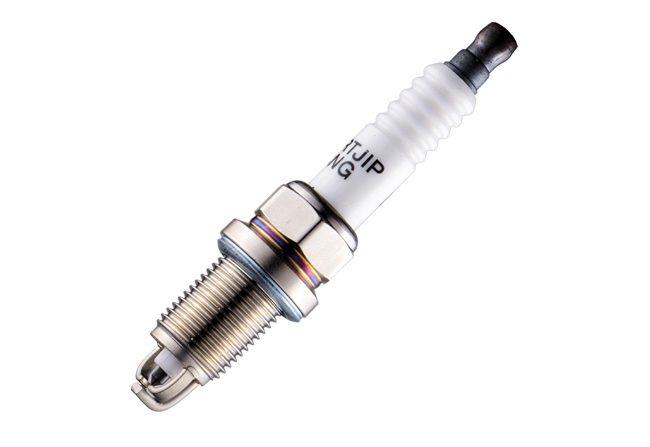
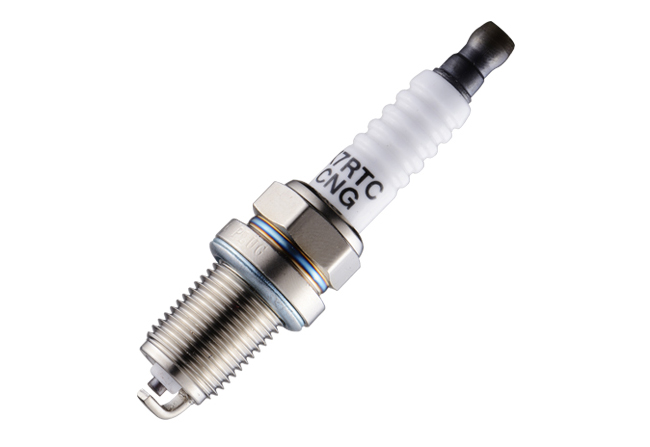
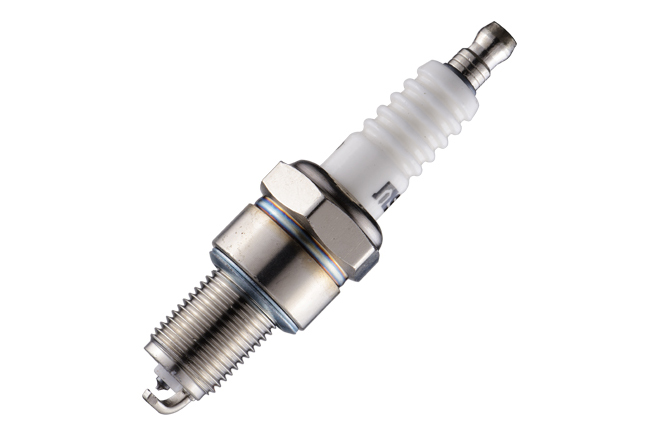
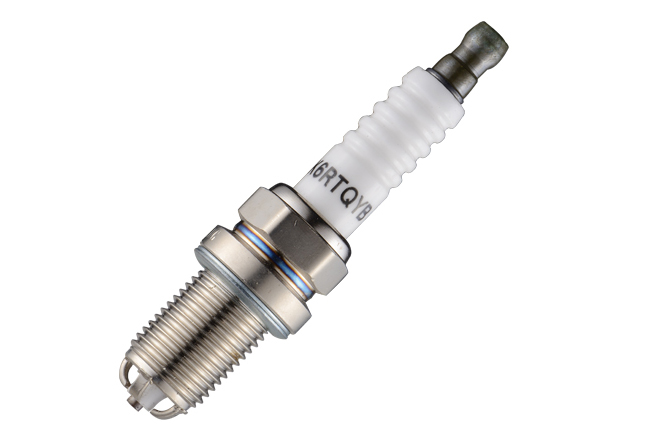
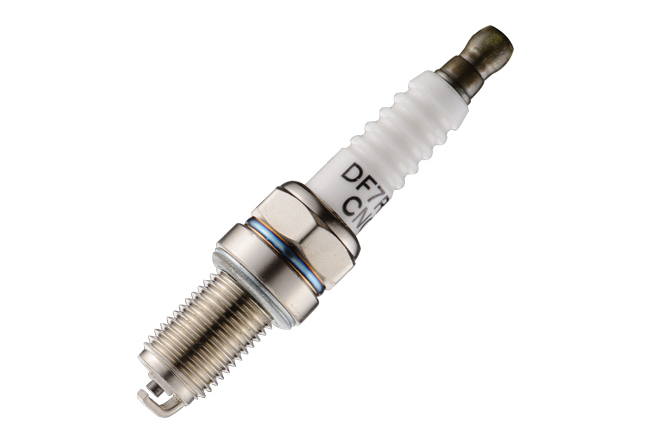
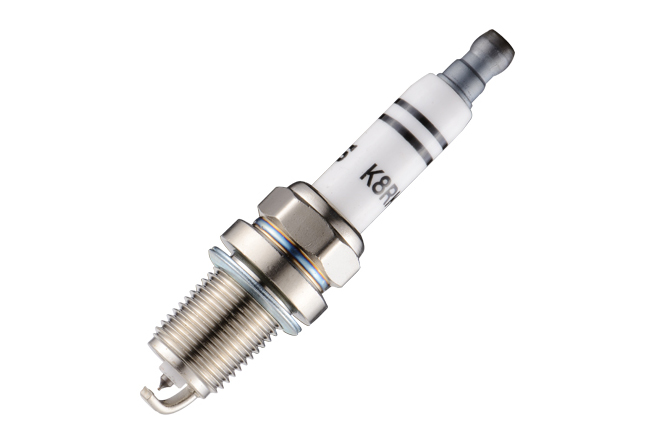
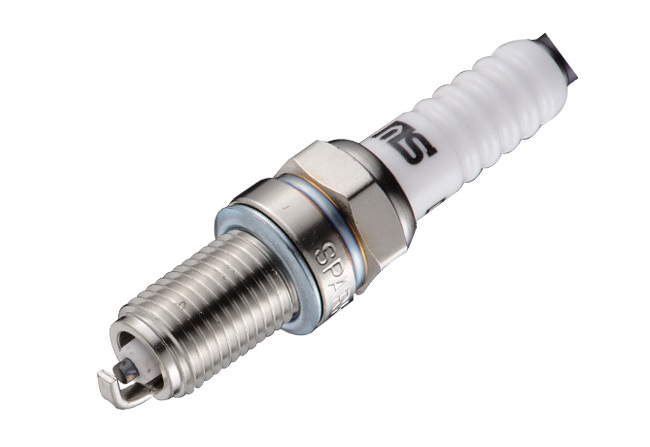
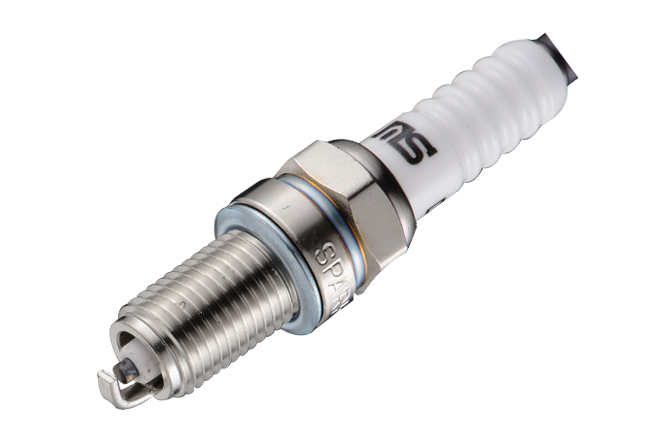

NINGBO MARSHAL AUTO PARTS CO., LTD. is a research and development, production and sales of professional manufacturers of spark plugs. Our company's spark plugs are mainly used in gasoline, natural gas and liquefied petroleum gas as fuel for all types of automobiles.
COPYRIGHT NINGBO MARSHAL AUTO PARTS CO., LTD. ALL RIGHTS RESERVED. Custom Spark Plugs Manufacturers OEM Spark Plugs Suppliers


 English
 中文简体
中文简体