Two engines. Same model, same fuel, same driving route. One begins to misfire after a few thousand miles, with black, sooty deposits on every plug. The other pings and knocks under acceleration, and the insulator tips come out chalky white. The root cause in both cases is often not worn-out hardware or bad fuel. The mistake was choosing the wrong heat range. This article explains what heat range means on a spark plug, why it matters for engine reliability, and how to select the correct one.
Content
A spark plug heat range is the measure of how quickly the firing end transfers combustion heat into the engine's cooling system. It has nothing to do with the intensity of the electrical spark. The number stamped on a plug's side tells you whether that plug is thermally "hot" or "cold" in relation to other plugs in the same product family.
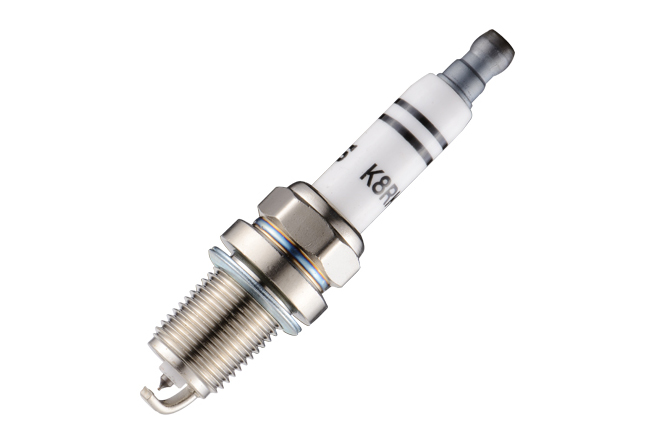
The physical design that controls heat range is the insulator nose — the ceramic section that surrounds the center electrode. A longer nose extends the path that heat must travel before reaching the metal shell, so the tip stays hotter. A shorter nose shortens that path, moving heat away faster and keeping the tip cooler. Industry technical references commonly describe the center electrode tip temperature window of roughly 500–800 °C as optimal: within that window, carbon deposits burn off the plug during normal driving. Below 500 °C, buildup forms; above about 800 °C, the plug overheats, and at approximately 950 °C the electrode itself becomes a glow source capable of triggering pre-ignition. This is why spark plug heat range has a direct effect on engine operation and fuel efficiency.
Most manufacturers incorporate the heat range as a digit inside the spark plug part number. There is no universal scale shared across the industry, so a "6" from one brand may sit at a slightly different thermal point than a "6" from another brand. Within a single manufacturer's product line, however, the convention is consistent: lower numbers indicate hotter plugs, and higher numbers indicate colder plugs.
| Heat range | Thermal character | Typical application |
|---|---|---|
| 2–4 | Very hot | Vintage engines, low-compression motors, light duty cycles |
| 5–7 | Standard | Most production passenger cars and light trucks |
| 8–9 | Cold | Tuned engines, turbocharged or supercharged street cars |
| 10–12 | Very cold | High-rpm racing engines, endurance motors |
The relationship between the heat range number and the firing-end temperature is not guesswork. At a constant engine load, a higher-numbered plug runs its center electrode cooler because heat leaves the tip faster. The chart below illustrates how the tip temperature declines as the heat range number rises.
Higher heat range numbers pull heat away faster, lowering the tip temperature at the same engine load.
The words "hot" and "cold" describe heat transfer behavior, not spark output. A hot plug prioritizes the low-load end of the driving envelope. Its longer insulator nose holds heat at the firing tip, so the plug reaches the self-cleaning temperature quickly during idling, short trips, and stop-and-go commutes. That same heat retention becomes a liability under sustained high load, where the tip can cross into the overheating zone.
A cold plug prioritizes the high-load end. Its shorter insulator nose moves heat into the shell quickly, which protects the engine during extended wide-open-throttle runs, towing, or forced induction. The drawback is that a cold plug may never get hot enough in light traffic to burn off combustion deposits, resulting in carbon fouling and rough idle.
The radar chart below compares the two designs across five operational attributes. The hot plug excels at fouling resistance and idle stability, while the cold plug dominates heat dissipation, high-load safety, and pre-ignition resistance.
A hot plug manages fouling at low load; a cold plug protects against overheating at high load.
Faults caused by an incorrect heat range are visible on the plug long before catastrophic engine damage occurs. The problem rarely announces itself as a sudden failure. It shows up as a gradual decline in driveability, fuel consumption, and spark plug service life.
| Firing end appearance | Most likely cause |
|---|---|
| White or blistered insulator, melted electrodes | Heat range too hot for the operating conditions |
| Black soot or wet deposits, misfire at idle | Heat range too cold for the operating conditions |
| Light tan or gray coloration on the insulator | Heat range correctly matched to the engine |
Before blaming heat range, confirm that fuel delivery, ignition timing, compression, and valve seals are within specification. A rich fuel mixture or worn valve guides can foul any plug regardless of its thermal rating. Treat heat range as the final tuning adjustment, not the first suspect.
Start with the original equipment specification for your engine. The OE heat range was selected by the vehicle manufacturer after balancing emission requirements, fuel economy targets, and expected driving patterns. That baseline is correct for the majority of owners.
Move one step colder only when a concrete condition demands it:
Guide values only — always confirm the recommended range with the plug manufacturer's catalog.
For a standard passenger car driven mainly in urban traffic, a middle heat range plug such as the heat range 6 maintains self-cleaning temperatures at the low engine loads that dominate city driving. It balances fouling resistance with a safe margin for occasional highway bursts.
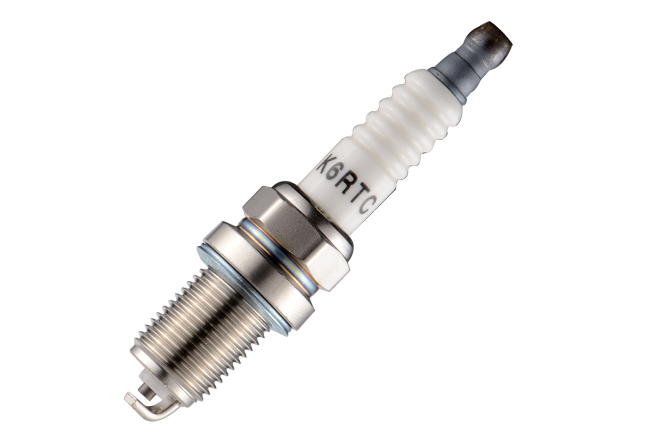 Copper Core Automotive Spark Plug K6RTCThis heat range 6 spark plug suits urban commuter cars, balancing fouling resistance with safe highway performance. Its copper core and nickel ground electrode support dependable daily driving.View Product →
For a vehicle that tows, carries heavy loads, or has been professionally tuned, moving one step to a heat range 7 plug increases the safety margin against pre-ignition under sustained load. The colder firing end keeps the electrode tip inside the safe temperature window even when the engine spends long minutes near maximum power.
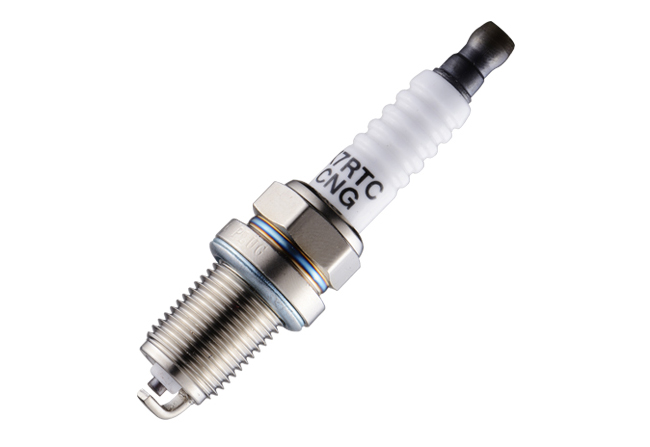
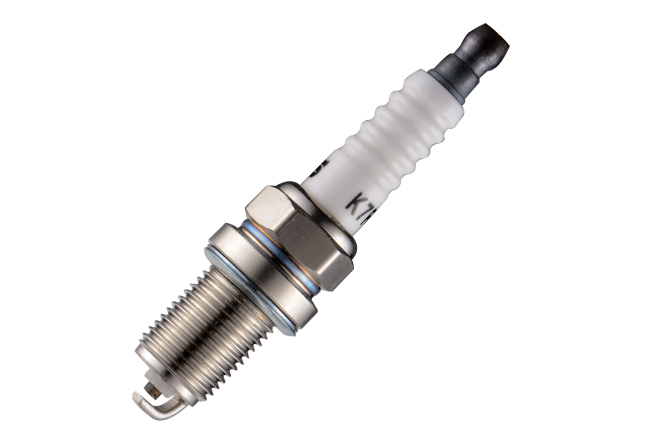 16mm Copper Core Spark Plug K7RTCA one-step colder heat range option for towing, heavy loads, or tuned engines. Its copper core and nickel ground electrode help prevent pre-ignition under sustained high-load operation.View Product →
A useful rule from experienced tuners: after switching heat ranges, pull the plugs for inspection after roughly 1,000 miles (1,600 km). The insulator color will confirm whether the new range is correct before small problems develop into expensive repairs.
Heat range selection is not exclusive to automotive engines. Marine engines run continuously at moderate-to-high throttle for hours, so outboard applications often use plugs one step colder than an automotive plug of similar displacement. This prevents overheating while still meeting the idle demands of docking and slow-speed maneuvering.
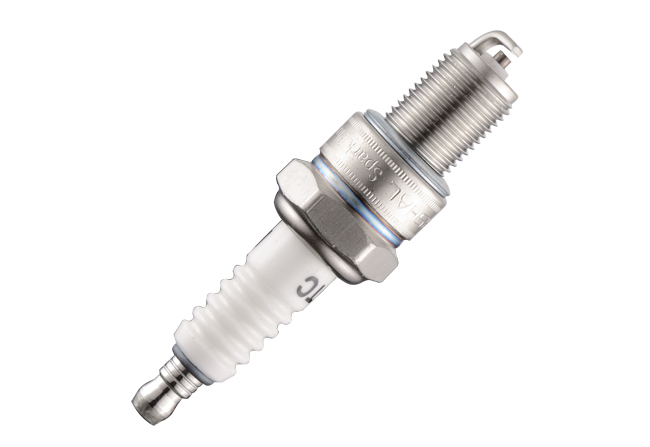 Marine Spark Plug F6TC with Copper CoreDesigned for continuous marine duty, this plug runs cooler than automotive equivalents to cope with prolonged high throttle. Copper core and nickel electrode offer reliable performance on the water.View Product →
Motorcycle and ATV engines operate at higher RPM per mile and frequently use air-cooled cylinder heads, which makes thermal management more demanding. Sticking to the recommended heat range for the specific bike model is critical, since an air-cooled head is far less tolerant of mismatched thermal ratings than a water-cooled automobile engine.
Small engines in lawn mowers, generators, and pressure washers run in a narrow RPM band with a relatively steady load, which makes heat range selection less complex but still relevant. A plug that is too cold in a mower that only runs ten minutes per week will foul and cause hard starting. A plug that is too hot in a generator running at full load for hours can overheat and stress the engine.
Heat range describes how fast the spark plug transfers heat from the firing tip to the engine cooling system. Plugs with a longer insulator nose run hotter; plugs with a shorter nose run colder. It has nothing to do with the electrical spark strength.
Sometimes. If misfires come from carbon fouling during short trips or idling, a hotter plug can help by reaching the self-cleaning temperature faster. Check fuel mixture, ignition coils, and compression first before changing heat range.
Not directly. A colder plug prevents power loss caused by pre-ignition or overheating under load, which can restore lost performance. On a stock engine that is already running safely, a colder plug adds no horsepower.
The electrode tip can exceed 800 °C, leading to pre-ignition, engine knock, and rapid electrode erosion. In severe cases the ceramic insulator blisters, the electrodes melt, and the piston crown or valves sustain damage.
The plug never reaches the self-cleaning temperature, so carbon and oil deposits accumulate on the firing end. Symptoms include rough idle, misfires on cold starts, poor throttle response, and increased fuel consumption.
Check the owner's manual, the OEM part number, or the plug manufacturer's catalog based on your vehicle identification number. If the engine has been modified with forced induction or alternative fuel, consult the manufacturer or a tuner who can verify the correct range.
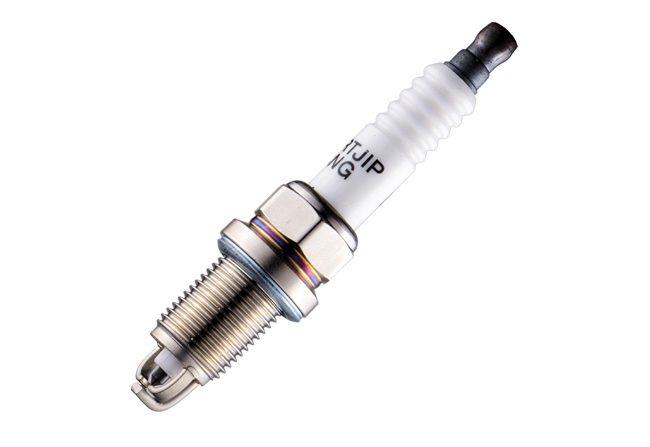

NINGBO MARSHAL AUTO PARTS CO., LTD. is a research and development, production and sales of professional manufacturers of spark plugs. Our company's spark plugs are mainly used in gasoline, natural gas and liquefied petroleum gas as fuel for all types of automobiles.
COPYRIGHT NINGBO MARSHAL AUTO PARTS CO., LTD. ALL RIGHTS RESERVED. Custom Spark Plugs Manufacturers OEM Spark Plugs Suppliers


 English
 中文简体
中文简体