Content
Spark plugs create the electrical spark that ignites the compressed air-fuel mixture inside each cylinder, and the condition of that spark shapes how an engine starts, idles, and responds under load. When a spark plug wears down, fouls, or does not match the engine it is installed in, drivers typically notice a rougher idle, slower throttle response, or a check engine light before any other symptom shows up.
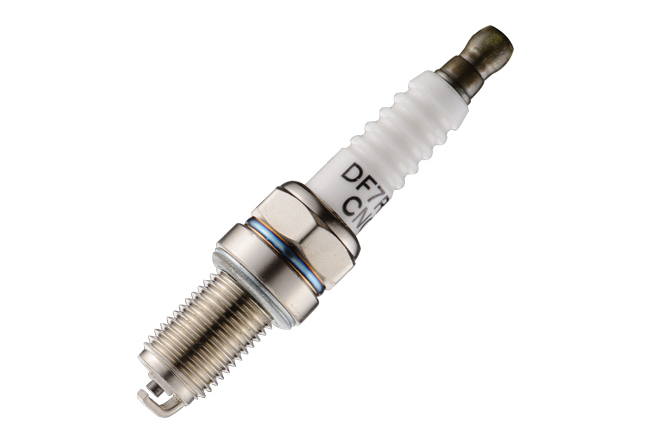
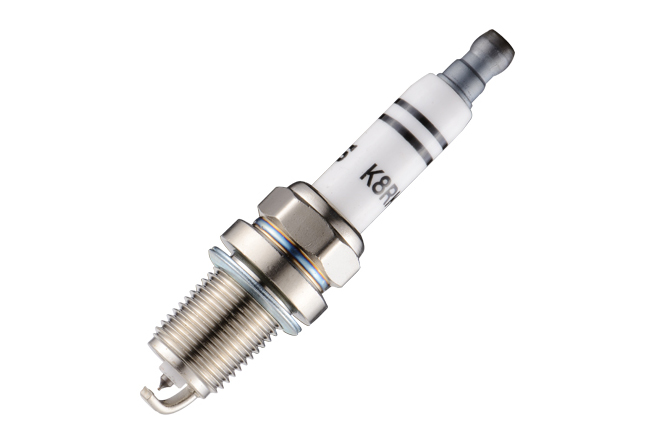
A spark plug is a fairly simple assembly with a few working parts. The center electrode connects to the ignition coil and carries the high-voltage pulse into the combustion chamber. A ceramic insulator surrounds that electrode and keeps the voltage contained until it reaches the gap. A ground electrode sits across from the tip, giving the spark somewhere to jump to, and a metal shell threads into the cylinder head, sealing the plug in place while also helping move heat away from the firing end.
Timing matters as much as the spark itself. In a typical four-stroke engine, the spark fires near the top of the compression stroke, just before the piston reaches its highest point, so the expanding gases from combustion push the piston down at the right moment. A plug that fires weakly, late, or inconsistently disrupts that timing even when every other part of the ignition system is working correctly.
To answer what do car spark plugs do in practical terms: the ignition coil steps up battery voltage into thousands of volts, sends that pulse through the plug's center electrode, and the spark jumps the gap to the ground electrode. That spark ignites the fuel mixture, the mixture expands rapidly, and the piston is driven downward. Multiplied across every cylinder and every revolution, this is what turns the crankshaft and ultimately moves the wheels.
Because every combustion event depends on that spark, what do spark plugs do to a car becomes obvious once one starts to fail: the engine computer notices an uneven acceleration pattern after a weak or missing spark and logs it as a misfire. Drivers usually feel this before they see a warning light.

Different types of spark plugs are separated mainly by the electrode material at the firing tip, and that material choice influences ignitability, durability, and how consistently the plug performs across a service interval.
Copper core plugs use a copper core inside a nickel-alloy tip. Copper conducts electricity very well, which supports strong ignitability, though the nickel-alloy tip wears faster than precious-metal tips, so these plugs are generally replaced on a shorter interval.
A platinum tip resists erosion better than a plain nickel-alloy tip, so the gap stays closer to its original spec for longer. Single platinum plugs place the metal on the center electrode, while double platinum designs add it to the ground electrode as well.
Iridium is harder and has a higher melting point than platinum, which allows manufacturers to shape a much thinner center electrode, often described as a fine-wire design. A thinner tip concentrates the spark more tightly, which can support quicker ignition and a longer usable interval on many modern engines.
The comparison below places the three main material families side by side across five practical measures, scored on a relative scale where a larger shape means a stronger characteristic in that category.
Relative comparison of copper, platinum, and iridium spark plug families across five practical measures
Heat range describes how quickly a plug carries heat away from its firing tip into the cylinder head and coolant passages. A colder plug has a shorter insulator nose and sheds heat quickly, while a hotter plug has a longer nose and holds heat longer, which can help burn off light deposits during short trips.
Matching heat range to compression ratio, engine load, and typical driving conditions matters because a plug running too hot can contribute to pre-ignition, while a plug running too cold can foul more easily during frequent stop-and-go driving. The heat range for spark plugs chart below shows the general relationship between plug type and relative heat dissipation, from a fast-dissipating extra cold plug to a slower-dissipating hot plug.
Relative heat dissipation scale, where a higher value reflects a faster-dissipating, colder-running plug
Since manufacturers assign their own heat range numbers based on internal design differences, a plug from one family is not automatically interchangeable with a similarly numbered plug from another family. The physical heat rejection behavior matters more than matching the printed number alone.
Pulling a spark plug and reading its tip is one of the simplest spark plug diagnostic checks available to a driver or technician, because the color and texture on the firing end often point toward a specific issue inside the engine.
| Tip Appearance | Likely Condition | Common Cause |
|---|---|---|
| Light tan or gray, dry | Normal combustion | Correct heat range, well-tuned engine |
| Black, dry, soot-like coating | Carbon fouling | Rich fuel mixture, short trips, restricted air filter |
| Black, wet, oily film | Oil fouling | Worn valve seals, worn rings, leaking seal |
| White or blistered insulator | Overheating or pre-ignition | Wrong heat range, lean mixture, advanced timing |
| Rounded, worn electrode | Normal wear | Plug has reached the end of its service interval |
| Melted or eroded electrode | Detonation or pre-ignition damage | Low octane fuel, over-advanced timing, incorrect heat range |
Spark plug foul refers to any coating on the firing tip that lets electrical current leak away to the shell instead of jumping the gap cleanly. Most fouling patterns fall into one of a few recognizable categories.
The fouled spark plug chart below illustrates a general distribution of causes technicians commonly observe when diagnosing plug-related misfires.
General distribution of factors commonly linked to spark plug related misfires
Short answer: engine oil on spark plugs almost always traces back to oil finding its way into the combustion chamber, usually through worn seals, worn rings, or a leaking spark plug tube seal.
Why would there be oil on my spark plugs is one of the more common questions once a plug is pulled and the tip looks wet rather than dry. The source of that oil generally falls into a small number of mechanical issues.
An oil on my spark plug situation is often accompanied by a rough idle, a faint burning oil smell, light blue exhaust smoke, and a misfire code tied to one or more cylinders. On engines known for a spark plug tube design, checking that seal first is usually a quicker and more accessible step than removing the valve cover.
A straightforward spark plug diagnostic starts with a visual spark test. Remove the plug, reconnect its coil boot, ground the metal shell firmly against a bare engine surface, and have a second person crank the engine while watching for a crisp blue spark jumping the gap, a flash roughly comparable to the small visible spark when plugging something in to a high-draw electrical outlet.
A visual test only confirms that a spark exists, not that its voltage is sufficient once the engine is under real load, so checking coil output and plug wire resistance with a multimeter or oscilloscope gives a more complete picture on coil-on-plug systems.
The voltage of a spark plug required to jump the gap is not fixed. It rises as engine speed and combustion pressure increase, since a denser, more compressed mixture resists the spark more strongly. The line chart below shows a general pattern of how required firing voltage tends to climb with engine RPM.
General pattern of rising ignition voltage demand as engine RPM and load increase
If required voltage exceeds what the ignition system can supply, because of a widened gap from wear or a weak coil, a misfire results even though a spark may appear during a simple low-load bench test.
A code spark plug issue almost always surfaces first as a misfire code, since the onboard computer tracks how smoothly the crankshaft accelerates after each cylinder fires and flags any cylinder that lags behind the others.
| Code | What It Means | Common Spark-Plug-Related Trigger |
|---|---|---|
| P0300 | Random or multiple cylinder misfire | Worn plugs across several cylinders, incorrect gap |
| P0301-P0308 | Misfire in a specific numbered cylinder | A single fouled, damaged, or improperly gapped plug |
| P0171 / P0174 | Fuel system running lean | Can accompany fouling caused by a lean-running condition |
| P0420 | Catalyst efficiency below threshold | Repeated misfires from worn plugs can accelerate converter wear |
A code narrows down where to look, but a physical inspection of the plug tip still confirms the actual cause behind the trigger.
Building a habit of inspecting plugs during routine service intervals, matching the gap to the engine specification before installation, and applying anti-seize only where the plug and cylinder head materials call for it goes a long way toward avoiding avoidable ignition problems.
Both under-tightening and over-tightening a spark plug can create problems. Too little torque can let combustion gases leak past the seat and reduce heat transfer from the plug to the cylinder head. Excessive torque can stress the shell threads or crack the insulator. Following the torque specification listed for the plug size is a simple step that supports a clean installation.
Copper-core plugs are generally replaced on a shorter interval, while platinum and iridium plugs are engineered to hold their gap and firing characteristics across a longer interval. The exact mileage still depends on the engine, driving style, and the recommendation listed for that specific vehicle.
Ningbo Marshal Auto Parts Co., Ltd. operates as a dedicated spark plug manufacturer with an engineering team that has spent decades studying and reverse-engineering plug designs across a wide range of vehicle platforms, which shapes how each new plug is developed to match the dimensions and heat characteristics of the original application.
The company runs its own ceramic production line, so insulators are produced in-house rather than sourced externally. This allows closer control over insulator density and the thickness of the insulator nose, factors that influence dielectric strength and mechanical durability in modern high-compression engines.
Electrode material selection focuses on conductivity, heat resistance, and resistance to ablation at the firing tip, while the metal shell is engineered for a balance of malleability, toughness, and hardness aimed at reducing shell breakage risk and supporting better heat dissipation into the cylinder head.
Production moves through staged internal testing at multiple points in the manufacturing process, an approach built to catch variation early rather than relying only on a final inspection step.

Q1How often should spark plugs be replaced
Replacement timing depends on the plug material and the vehicle manufacturer's schedule. Copper plugs typically need attention sooner, while platinum and iridium plugs are designed to hold up over a longer interval.
Q2What does a fouled spark plug look like
A fouled plug usually shows a dry black soot coating for carbon fouling or a wet black oily film for oil fouling, either of which can prevent the spark from jumping the gap cleanly.
Q3Why is there oil on my spark plug
Oil on a spark plug commonly points to worn valve seals, worn piston rings, or a leaking spark plug tube seal that allows oil to reach the combustion chamber.
Q4How can I tell if a spark plug is firing
A visual spark test with the plug grounded against the engine while cranking shows whether a spark is present, while a multimeter or oscilloscope check of coil output confirms it under load.
Q5What is the difference between copper, platinum, and iridium plugs
The tip material changes how well the plug resists erosion and holds its gap over time, with copper wearing fastest and iridium generally supporting the longest interval among the three.
Q6Can a bad spark plug trigger a check engine code
Yes, worn or fouled plugs are a frequent cause of misfire codes such as P0300 for a random misfire or P0301 through P0308 for a specific cylinder.
Q7What voltage does a spark plug typically need to fire
Firing voltage varies with engine speed and load, often ranging from around 8 kilovolts at idle to well over 20 kilovolts under higher RPM and load conditions.
Q8What should a healthy spark plug look like
A healthy plug typically has a light tan or gray, dry tip with electrodes that are not excessively worn, rounded, or coated in deposits.
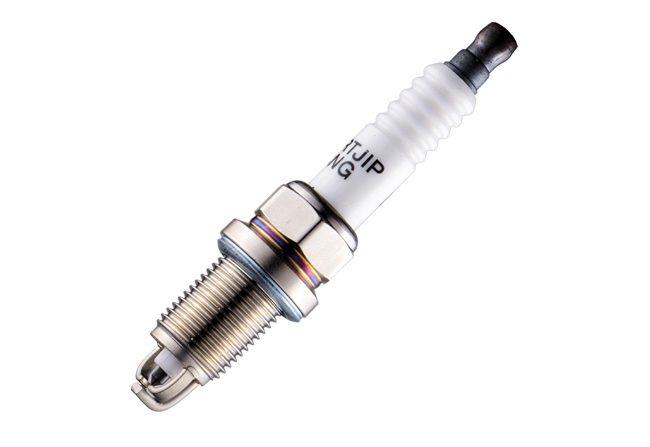
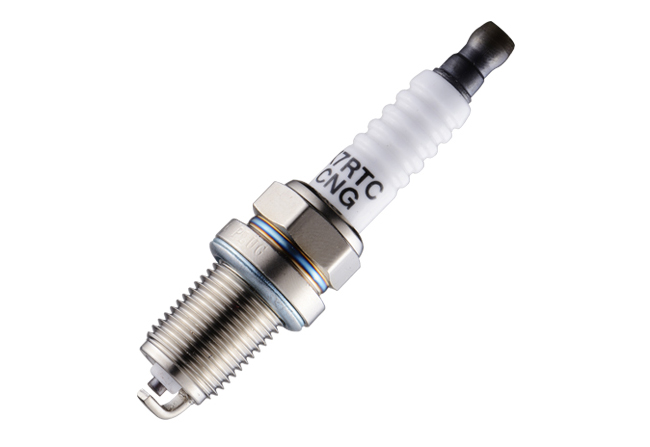
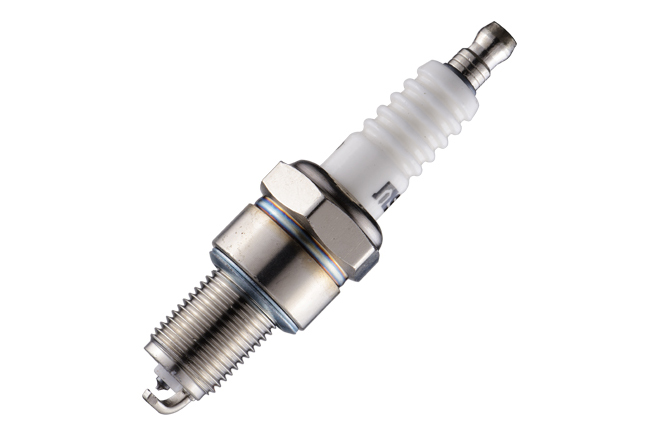
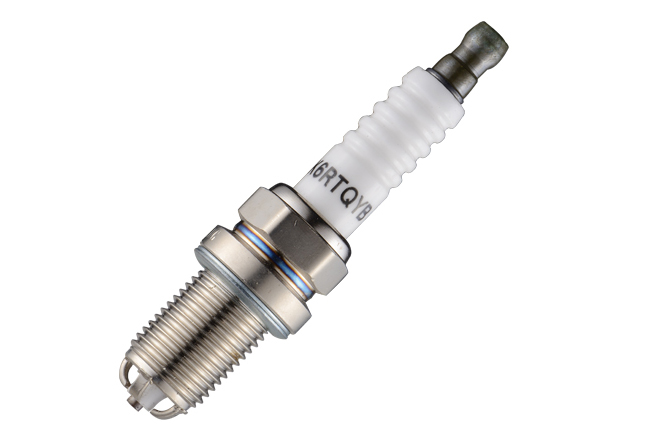
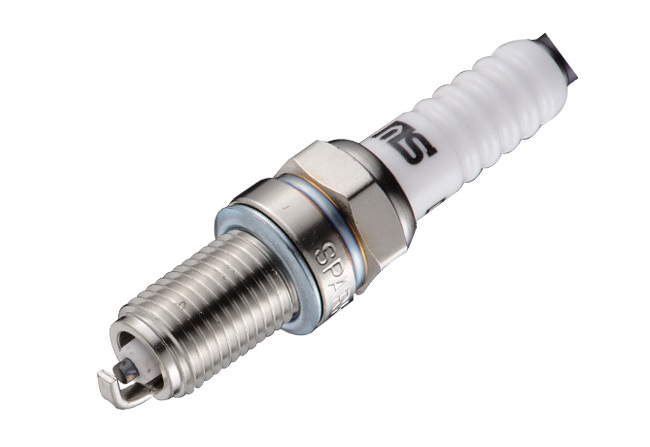

NINGBO MARSHAL AUTO PARTS CO., LTD. is a research and development, production and sales of professional manufacturers of spark plugs. Our company's spark plugs are mainly used in gasoline, natural gas and liquefied petroleum gas as fuel for all types of automobiles.
COPYRIGHT NINGBO MARSHAL AUTO PARTS CO., LTD. ALL RIGHTS RESERVED. Custom Spark Plugs Manufacturers OEM Spark Plugs Suppliers


 English
 中文简体
中文简体