The best marine spark plugs for most boat engines in 2026 are those engineered specifically for the saltwater environment — built with corrosion-resistant shells, high-density ceramic insulators, and electrode materials that maintain a consistent spark gap under the thermal and humidity extremes a marine engine routinely faces. After reviewing performance data and specification requirements across the leading options, this guide identifies the top 7 picks, explains what separates them, and gives you a clear framework for matching the right plug to your engine.
Content
A standard automotive spark plug is designed for a climate-controlled, dry engine bay with predictable operating temperatures. A boat engine spark plug faces an entirely different set of conditions: constant humidity, salt air corrosion, wide load swings from idle to wide-open throttle, and extended periods at high RPM that would be uncommon in road driving.
The consequences of using the wrong plug in a marine application are significant. Premature fouling, misfires at high RPM, and accelerated electrode erosion are the most common failures. In saltwater environments specifically, shell corrosion can seize a plug in the head within a single season if the shell metallurgy is not suited to the environment.
Key differences between marine and automotive plugs include:
The following seven plugs represent the strongest performers across inboard, outboard, and personal watercraft applications. Each is evaluated on electrode material, heat range suitability, corrosion resistance, and thread/reach specifications relevant to common marine engines.
The B8P is a compact 10mm thread plug well suited to smaller displacement outboard engines where space in the combustion chamber is limited. Its heat range 8 rating positions it for high-speed operation without pre-ignition risk, making it a reliable choice for engines that spend extended time at elevated RPM on open water.
With a 19mm reach and heat range 8 designation, the D8TC targets mid-size outboard and inboard engines running conventional carbureted or throttle-body fuel systems. The extended reach ensures the electrode tip sits correctly within the combustion chamber for optimal flame kernel development at all load conditions.
The A7TC uses a 16mm hex and a heat range 7 rating, placing it in the mid-range for thermal output. It is frequently specified as the outboard spark plug replacement for two-stroke engines in the 50 to 150 hp class. The copper core electrode provides good thermal conductivity for consistent cold-start performance in cooler water temperatures.
The F6TC is a high-performance marine plug with a cooler heat range 6 designation, designed for engines that operate at sustained high loads — including racing applications and heavily loaded commercial vessels. The cooler rating prevents pre-ignition during extended wide-open throttle operation while the 19mm reach maintains proper combustion chamber positioning.
The CR8E incorporates a resistor (R) in its designation, making it the preferred marine ignition plug for boats equipped with sensitive electronics, GPS units, or VHF radios. The 5 kOhm suppression resistor eliminates radio frequency interference without meaningful impact on ignition energy. Its 17.5mm hex suits a wide range of four-stroke outboard engines.
At 12.7mm reach, the E6TC targets engines with shallower combustion chambers, commonly found in older inboard designs and certain PWC applications. The cooler heat range 6 suits applications where combustion chamber temperatures run high, reducing the risk of electrode tip overheating and pre-ignition that causes power loss and engine damage.
The F7TC with its standard 14mm thread size is the most broadly applicable plug in the marine lineup, covering the majority of four-stroke outboard and inboard-outboard engines from 75 hp to 300 hp. Heat range 7 balances efficient combustion across the full RPM range from trolling speed to maximum throttle, making it the logical default for general-purpose marine engine maintenance.
The table below summarizes the key specifications of all seven plugs for quick cross-reference during selection or ordering.
| Model | Thread Size | Reach | Hex Size | Heat Range | Best Application |
|---|---|---|---|---|---|
| B8P | 10mm | — | — | 8 | Small outboard, high-speed |
| D8TC | — | 19mm | — | 8 | Mid-size outboard / inboard |
| A7TC | — | — | 16mm | 7 | 2-stroke outboard 50–150 hp |
| F6TC | — | 19mm | — | 6 | High-load, racing, commercial |
| CR8E | — | — | 17.5mm | 8 | Electronics-equipped 4-stroke |
| E6TC | — | 12.7mm | — | 6 | Shallow chamber inboard / PWC |
| F7TC | 14mm | — | — | 7 | General 4-stroke 75–300 hp |
Heat range is the single most critical specification when selecting a saltwater spark plug or any marine ignition plug. It describes the plug's ability to transfer combustion heat from the tip through the ceramic insulator and into the engine head.
A hotter plug (lower number in most marine coding systems) retains more heat at the tip, which helps burn off carbon deposits at low loads — useful for engines that idle frequently or troll at low speeds. A cooler plug (higher number) dissipates heat more rapidly, protecting against pre-ignition in high-output or sustained full-throttle applications.
For reference, the operating tip temperature window for any marine spark plug should remain between 450°C and 850°C. Below 450°C, carbon fouling accumulates rapidly. Above 850°C, pre-ignition and electrode erosion accelerate significantly, shortening plug life from a typical 100-hour service interval to as little as 20 to 30 hours.
Inboard outboard spark plugs — often called stern-drive or I/O applications — and pure outboard engines have meaningfully different operating profiles that affect plug selection.
These engines are enclosed in the hull and typically run at more consistent temperatures with better-controlled cooling. They often share architecture with automotive V6 or V8 blocks, and their spark plug specifications may align closely with automotive equivalents — but the marine environment still demands plugs with corrosion-resistant shells and vibration-resistant construction. Service intervals for inboard plugs typically run every 100 to 150 operating hours or annually, whichever comes first.
Outboard engines are exposed directly to the marine environment, experience greater thermal cycling between cold starts and operating temperature, and in two-stroke versions run oil through the combustion chamber — increasing fouling risk. Outboard spark plug replacement is recommended more frequently: every 50 to 100 hours for two-stroke engines and every 100 hours for four-stroke outboards in normal service.
Many boaters wait until engine failure to address spark plugs. Identifying degradation earlier prevents misfires, hard starts, and unplanned breakdowns on the water. Watch for these indicators:
A high-performance marine plug is not simply a standard plug with a different label. It incorporates specific engineering choices that deliver measurable advantages under demanding conditions.
Before purchasing any saltwater spark plug for a marine application, confirm these five points to avoid mismatches that reduce performance or damage the engine:
Marine spark plugs supply the spark that ignites the air-fuel mixture, creating the explosion that allows a boat's engine to produce power. Spark plugs generate an arc of electricity across two leads — not touching, but close enough that electricity jumps the gap between them, initiating combustion with each engine cycle.
Ningbo Marshal Auto Parts Co., Ltd. is a professional marine spark plug manufacturer and factory based in China, offering a wide range of product lines backed by continuously advancing engineering and manufacturing capabilities.
With 30 years of development and reverse engineering experience, the company's electrodes have passed TUV certification and conform to RoHS and REACH standards. High-strength insulators are produced using 360-degree continuous laser sealing technology for superior gas-tightness and mechanical integrity.
The company operates its own ceramic factory, producing insulators entirely in-house. These insulators feature high density, superior dielectric strength, and a thickened nose design for better mechanical performance in modern high-compression engines. Electrode materials are selected for their combined electrical conductivity, heat resistance, and ablation resistance. Shell metallurgy is engineered for malleability, toughness, and hardness to reduce shell cracking and enhance heat dissipation.
The laboratory fully complies with and implements 17 international and national spark plug test standards, alongside more than 34 original equipment-level internal quality control tests, with process inspection covering the full production chain. Quality management is certified under a recognized quality management system, and the company holds both design patent certificates and utility model patent certificates for select spark plug products.
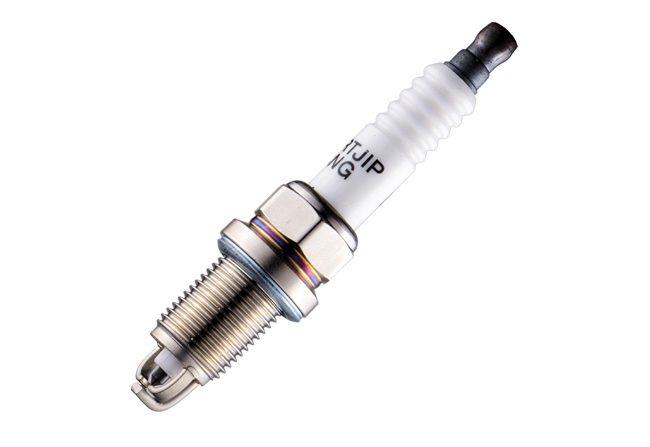
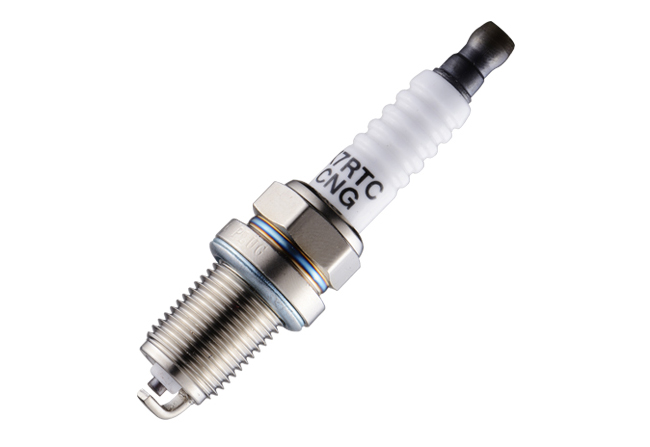
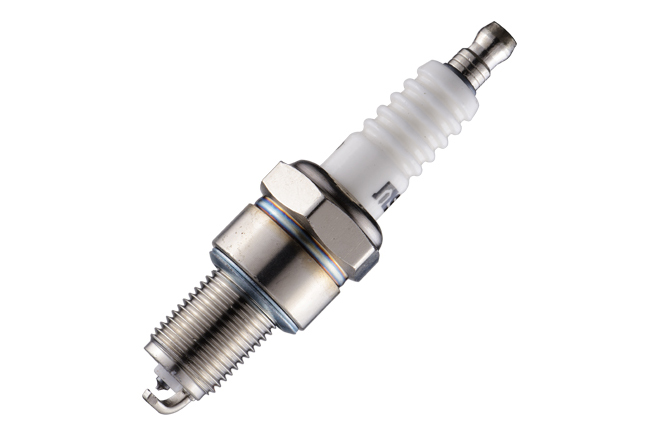
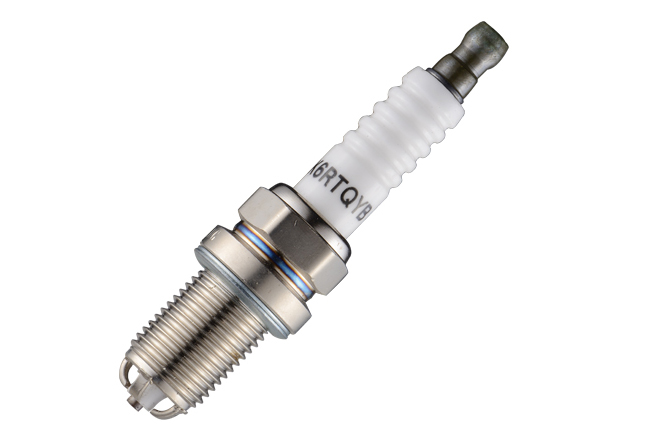
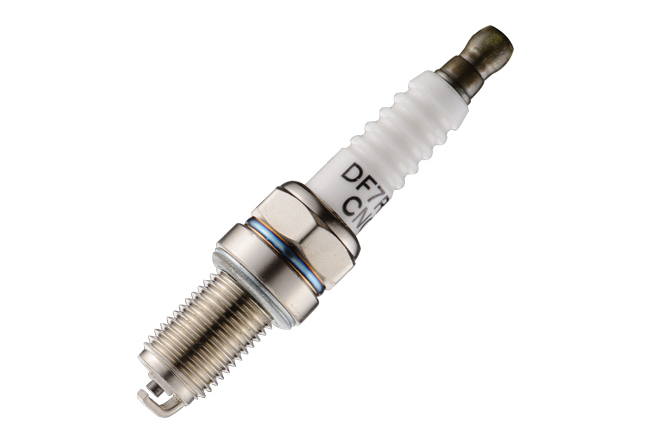
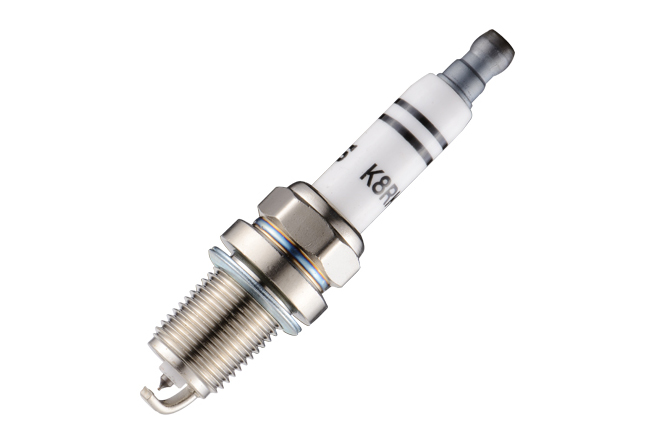
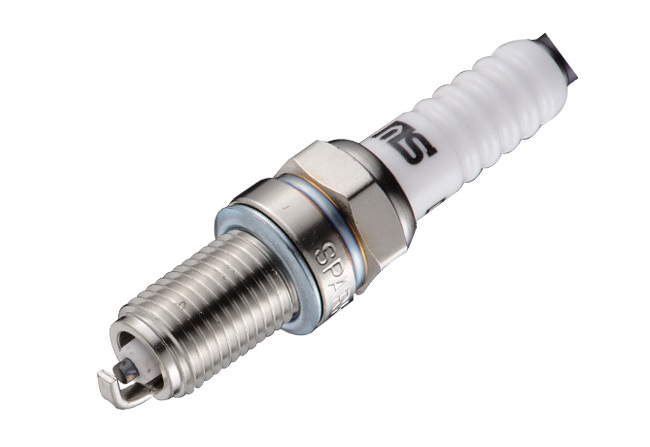
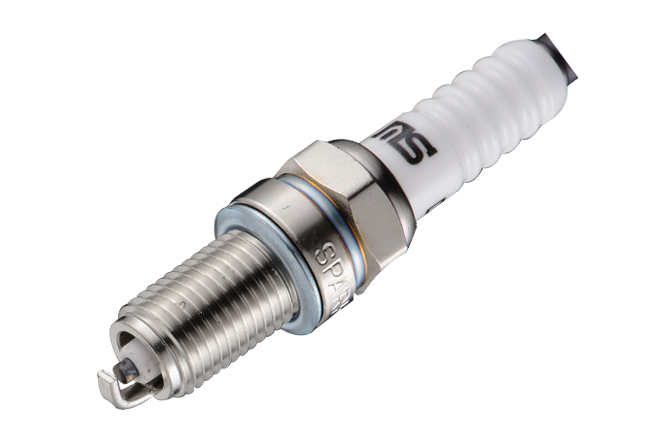

NINGBO MARSHAL AUTO PARTS CO., LTD. is a research and development, production and sales of professional manufacturers of spark plugs. Our company's spark plugs are mainly used in gasoline, natural gas and liquefied petroleum gas as fuel for all types of automobiles.
COPYRIGHT NINGBO MARSHAL AUTO PARTS CO., LTD. ALL RIGHTS RESERVED. Custom Spark Plugs Manufacturers OEM Spark Plugs Suppliers


 English
 中文简体
中文简体