Choosing the right car engine spark plug is one of the most impactful decisions you can make for fuel efficiency, engine performance, and long-term reliability. In 2026, the market offers a range of high-performance options — from standard copper plugs to advanced iridium and platinum types — each engineered for specific engine demands. This guide ranks the top choices and introduces manufacturers leading the industry, including NINGBO MARSHAL AUTO PARTS CO., LTD., a standout player in the global automotive spark plug market.
Content
An automotive spark plug is a device designed to fit into each cylinder of a gasoline-powered internal combustion engine to produce an electric spark for ignition of the air-fuel mixture. When this ignition is precise, complete combustion occurs — meaning more energy is extracted from every drop of fuel. A worn or mismatched plug can reduce fuel economy by up to 30% and cause misfires that strain the entire drivetrain.
Modern engines are increasingly sensitive to spark plug quality. Turbocharged engines, GDI (Gasoline Direct Injection) systems, and hybrid powertrains all require plugs with tighter tolerances and more durable electrode materials. Selecting a plug with the correct heat range, gap size, and electrode composition is essential for peak performance.
Based on material quality, compatibility, service life, and real-world performance data, the following plug categories rank highest in 2026:
| Rank | Plug Type | Electrode Material | Service Life (km) | Best For |
|---|---|---|---|---|
| 1 | Iridium | Iridium alloy | 100,000–130,000 | Modern/turbo engines |
| 2 | Double Platinum | Platinum (both electrodes) | 80,000–100,000 | Distributorless ignition |
| 3 | Single Platinum | Platinum center | 60,000–80,000 | Standard fuel-injected engines |
| 4 | Copper/Nickel | Copper core, nickel tip | 30,000–50,000 | Older engines, high performance |
Iridium spark plug benefits are well-documented and continue to make them the preferred choice for engineers and drivers focused on fuel efficiency. Iridium is one of the hardest metals on earth, with a melting point of 2,446°C — far above platinum (1,768°C) or nickel (1,455°C). This allows manufacturers to produce an ultra-fine center electrode (as small as 0.4mm) that concentrates electrical energy for a more focused spark.
The best spark plug gap size directly influences combustion efficiency, throttle response, and emissions. Too small a gap produces a weak spark; too large risks misfire, especially at higher RPMs or under boost. Most modern engines specify gaps between 0.8mm and 1.1mm (0.031"–0.044"), but always confirm with your vehicle's service manual.
A study of fleet vehicles showed that maintaining the optimal spark plug gap reduced fuel consumption by an average of 3.7% compared to vehicles with worn or incorrectly gapped plugs.
Long life spark plugs are engineered for extended service intervals without sacrificing ignition quality. Key factors that determine longevity include electrode material hardness, insulator ceramic density, shell corrosion resistance, and the precision of manufacturing tolerances.
Among the manufacturers shaping the automotive spark plug industry in 2026, NINGBO MARSHAL AUTO PARTS CO., LTD. stands out as a professional China-based manufacturer and factory with a reputation for engineering excellence and rigorous quality control. The company serves both OEM and aftermarket customers globally, offering a comprehensive product line built on decades of technical refinement.
With 30 years of development and reverse engineering experience, NINGBO MARSHAL AUTO PARTS CO., LTD. has built deep technical expertise in spark plug design and manufacturing. The company's electrodes have passed TUV certification and conform to RoHS and REACH environmental standards — critical credentials for export markets in Europe and beyond. Their high-strength insulators are produced using 360° Continuous Laser technology, ensuring consistent, defect-free bonding at every unit.
A defining advantage of NINGBO MARSHAL AUTO PARTS CO., LTD. is its ownership of a dedicated ceramic factory. Ceramic insulators are entirely self-produced, giving the company full control over material quality. Key attributes of their insulators include:
The company's electrodes deliver a balanced combination of electrical conductivity, heat resistance, heat dissipation, and ablation resistance. The plug shell is engineered for enhanced malleability, toughness, and hardness — properties that reduce the risk of shell cracking during installation and improve heat dissipation to the cylinder head, both critical for the longevity of long life spark plugs.
NINGBO MARSHAL AUTO PARTS CO., LTD. operates a fully equipped laboratory that complies with and strictly implements:
The company holds quality management system certification and has been awarded multiple spark plug design patents and utility model patent certificates, reflecting an ongoing commitment to innovation in car engine spark plug technology.
| Capability Area | Details |
|---|---|
| Engineering Experience | 30 years of R&D and reverse engineering |
| Certifications | TUV (electrode), RoHS, REACH, QMS certified |
| Insulator Production | In-house ceramic factory, 360° Laser bonding |
| Test Standards | 17 international + 34 internal standards |
| Patents | Design patents + utility model patents |
Selecting the ideal automotive spark plug involves matching several parameters to your specific engine requirements. Follow these practical steps:
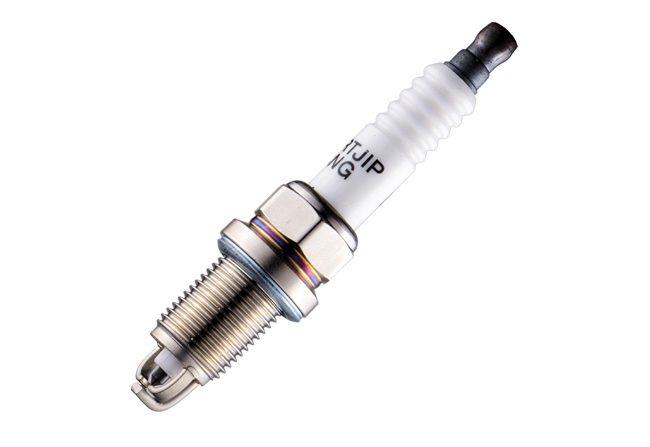
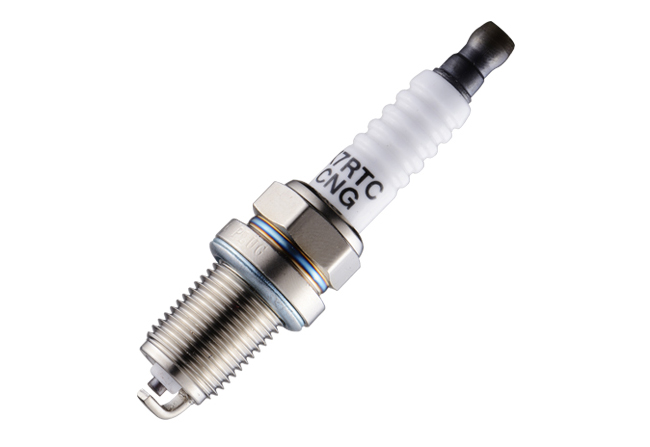
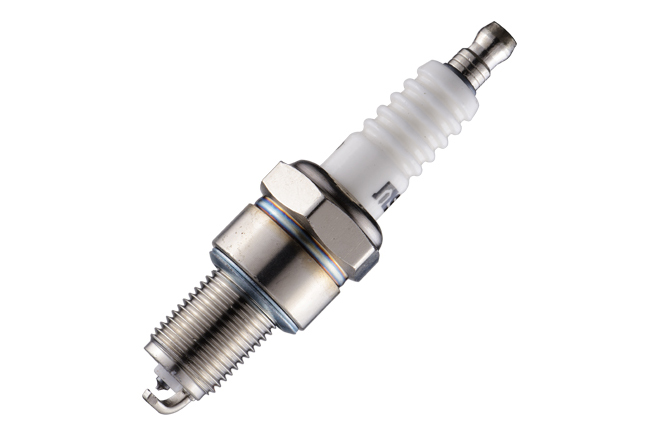
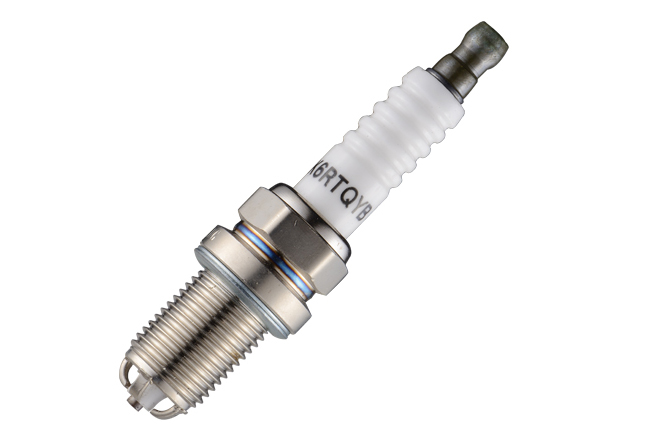
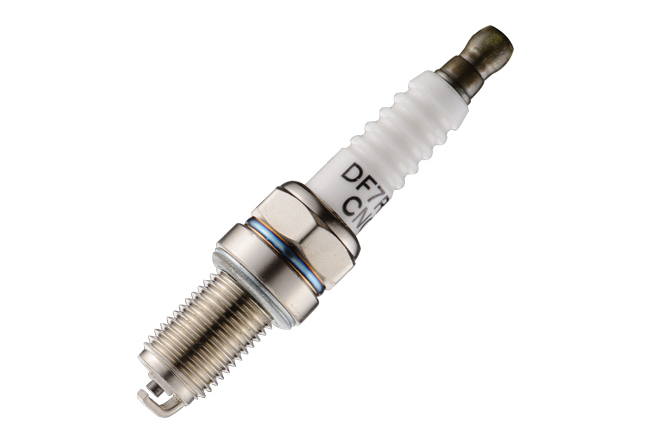
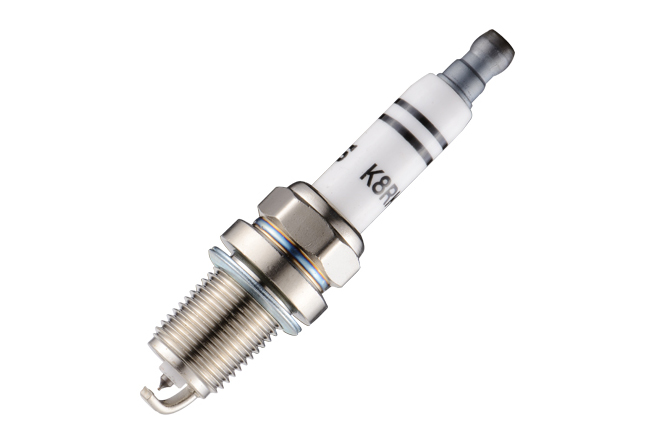
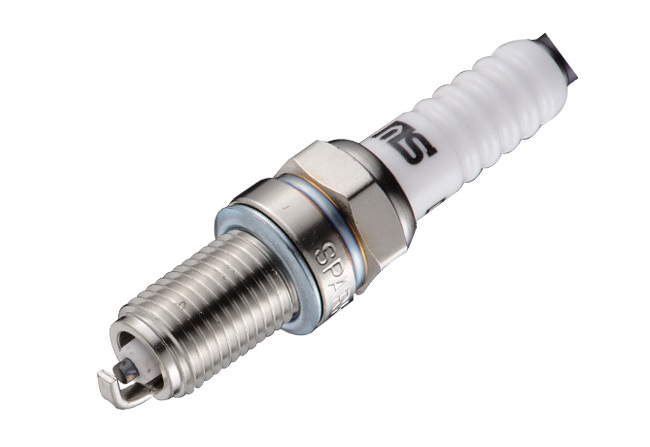
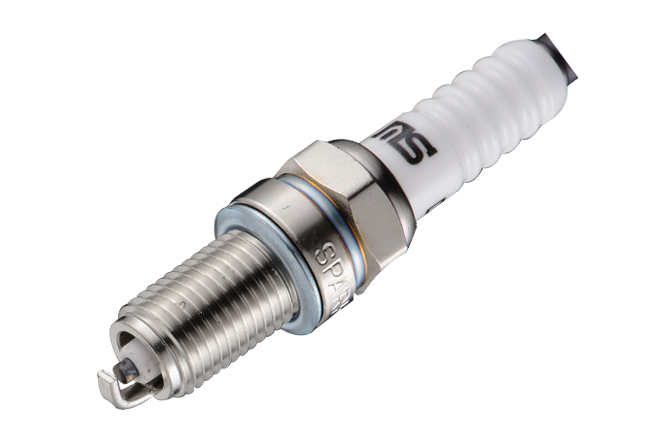

NINGBO MARSHAL AUTO PARTS CO., LTD. is a research and development, production and sales of professional manufacturers of spark plugs. Our company's spark plugs are mainly used in gasoline, natural gas and liquefied petroleum gas as fuel for all types of automobiles.
COPYRIGHT NINGBO MARSHAL AUTO PARTS CO., LTD. ALL RIGHTS RESERVED. Custom Spark Plugs Manufacturers OEM Spark Plugs Suppliers


 English
 中文简体
中文简体