Short Answer: Industrial spark plugs are heavy-duty ignition components designed for continuous and high-load engines. They matter because they directly influence combustion efficiency, power stability, fuel economy, and long-term engine reliability.
Industrial engines operate under extreme conditions such as high temperatures, heavy vibration, and long working cycles. In this environment, industrial spark plugs play a critical role in maintaining consistent ignition and optimal combustion. Whether used in generators, industrial compressors, agricultural machinery, or construction equipment, the right spark plug ensures smooth engine operation and reduces downtime.
Short Answer: Industrial spark plugs create the electrical spark needed to ignite the air-fuel mixture inside industrial combustion engines.
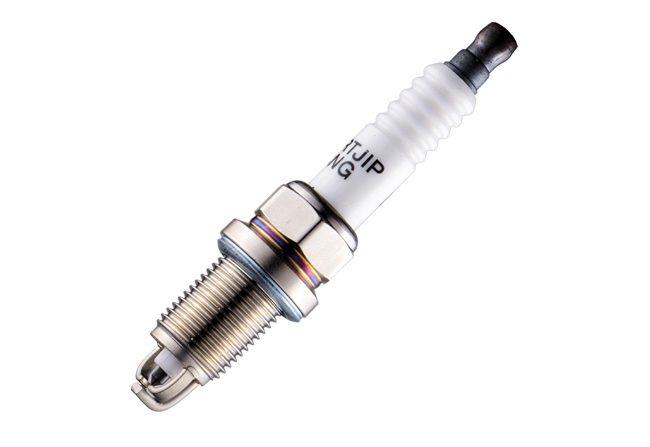
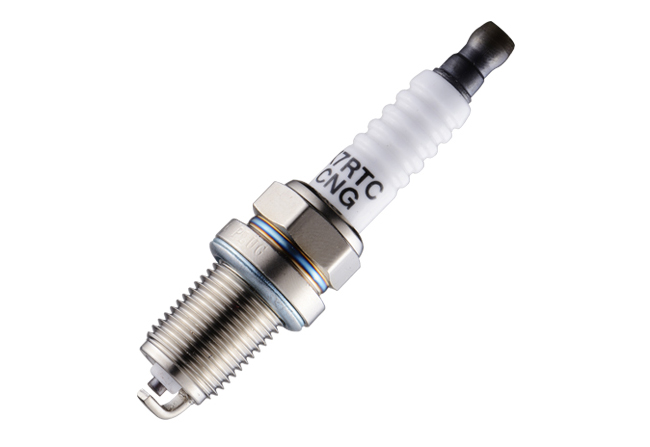
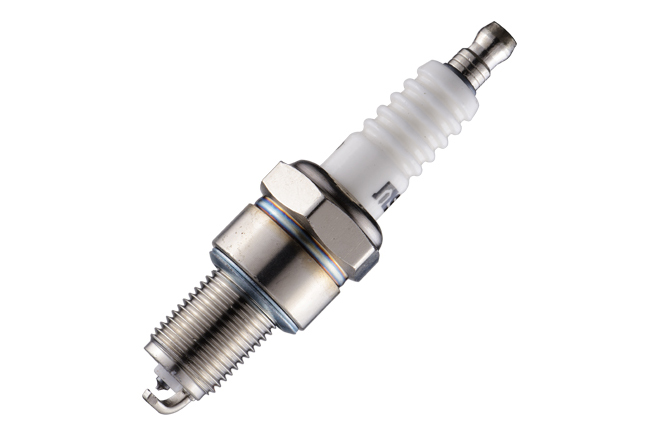
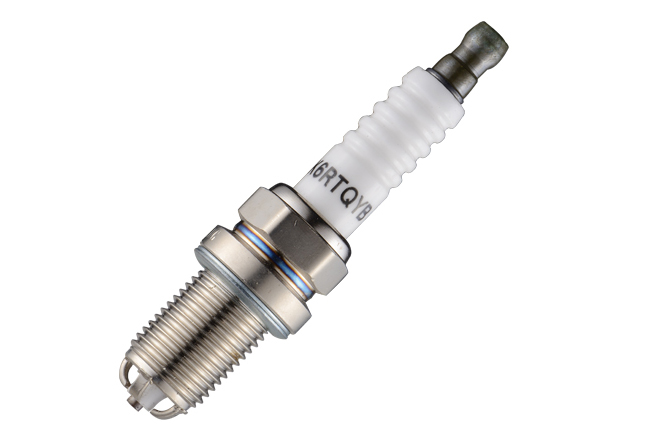
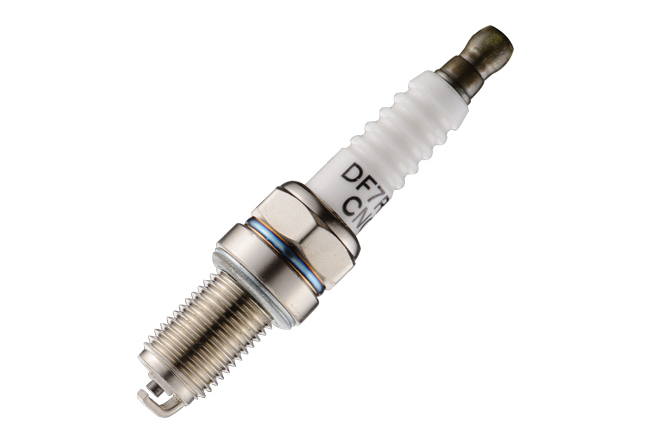
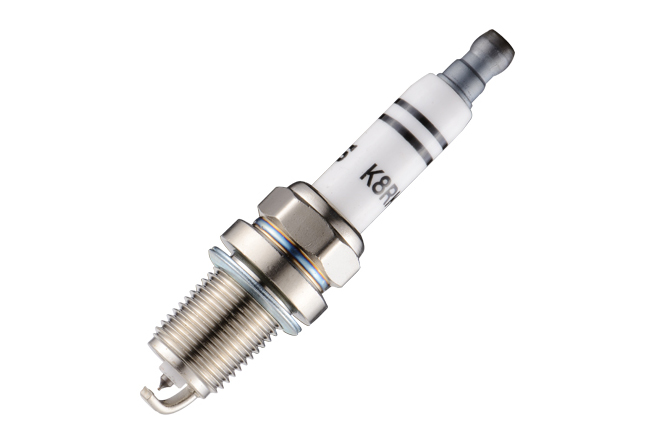
Industrial spark plugs are engineered to withstand harsher operating conditions than standard automotive plugs. They feature reinforced electrodes, high-strength ceramic insulators, and enhanced sealing structures to handle elevated pressure and temperature levels. These design improvements allow them to deliver consistent ignition performance even during continuous operation.
- High thermal resistance for extreme temperatures
- Durable electrode materials for long service life
- Stable spark output for heavy-load engines
- Improved sealing to prevent gas leakage
Why Do Industrial Spark Plugs Affect Engine Performance?
Short Answer: They control ignition quality, which determines combustion efficiency, power output, and engine stability.
When industrial spark plugs deliver a strong and consistent spark, the air-fuel mixture burns evenly. This leads to smoother engine operation and improved mechanical efficiency. Poor ignition performance, on the other hand, can cause misfires, rough idling, and incomplete combustion, which reduce power and increase mechanical wear.
High-quality industrial spark plugs also help maintain accurate ignition timing. Proper timing ensures that combustion occurs at the optimal moment, maximizing torque output while minimizing unnecessary stress on engine components.
How Do Industrial Spark Plugs Improve Fuel Efficiency?
Short Answer: They enable more complete fuel combustion, reducing waste and improving energy conversion.
Fuel efficiency is a key concern for industrial operations where engines often run for extended periods. Industrial spark plugs with stable ignition performance allow fuel to burn more thoroughly inside the cylinder. This reduces unburned fuel residue and improves the overall thermal efficiency of the engine.
Over time, improved fuel efficiency leads to lower operational costs and reduced emissions. This is especially important for industries seeking to balance productivity with environmental responsibility.
What Makes Industrial Spark Plugs Different From Standard Spark Plugs?
Short Answer: They are designed for durability, higher load capacity, and longer operating cycles.
Industrial spark plugs differ in structural strength and material composition. They often use thicker electrodes and advanced insulation materials to handle higher compression ratios and continuous operation. These features reduce electrode erosion and ensure reliable ignition under demanding conditions.
- Stronger resistance to vibration and shock
- Better heat dissipation performance
- Extended maintenance intervals
- Higher ignition stability
Which Factors Should Be Considered When Selecting Industrial Spark Plugs?
Short Answer: Heat range, operating environment, engine type, and workload conditions should be evaluated.
Choosing the right industrial spark plug requires understanding engine requirements and working conditions. Incorrect selection may result in overheating, carbon buildup, or premature wear.
- Operating temperature range
- Fuel type and combustion characteristics
- Engine load and duty cycle
- Maintenance schedule requirements
How Do Industrial Spark Plugs Impact Overall Engine Reliability?
Short Answer: They reduce misfires, stabilize combustion, and protect critical engine components.
Consistent ignition performance helps prevent uneven combustion that can damage pistons, valves, and cylinder walls. By maintaining stable flame propagation, industrial spark plugs help extend engine lifespan and reduce unexpected breakdowns.
Performance Improvement Comparison (Colored Bar Chart)
| Efficiency |
Power Output |
Fuel Savings |
Emission Control |
Stability |
FAQ About Industrial Spark Plugs
Q1: How often should industrial spark plugs be replaced?
Replacement intervals depend on engine workload and operating hours. Regular inspection helps determine the optimal replacement schedule.
Q2: Can industrial spark plugs reduce engine maintenance costs?
Yes. Reliable ignition minimizes misfires and mechanical stress, reducing the frequency of repairs.
Q3: Are industrial spark plugs suitable for continuous operation engines?
Yes. They are specifically engineered to support long-term, high-load engine operation with stable performance.
Q4: What happens if the wrong spark plug type is used?
Using an incorrect type may cause overheating, inefficient combustion, and accelerated engine wear.



 English
 中文简体
中文简体