What Are Spark Plugs and Why Are They Important?
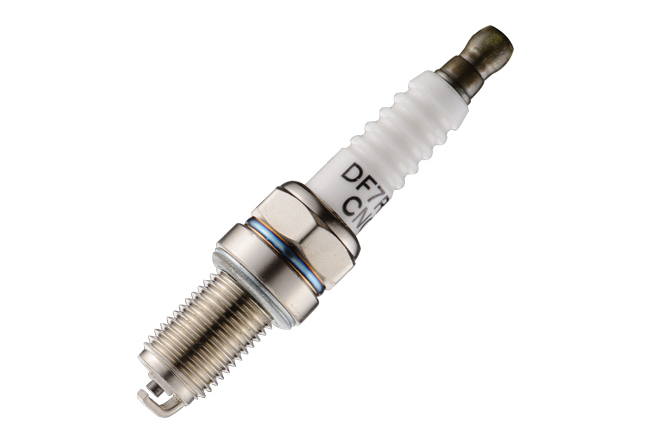
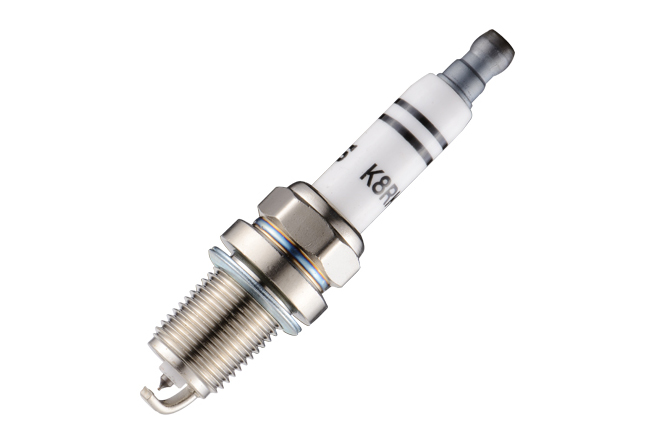
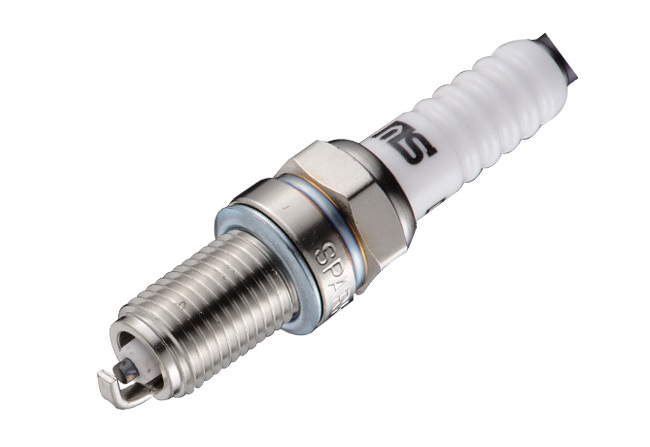
Spark plugs are essential components in an internal combustion engine that facilitate the ignition of the air-fuel mixture inside the engine's cylinders. They work by creating a small spark of electricity that ignites the mixture, enabling the engine to start and continue running. A functioning spark plug ensures smooth engine performance, optimized fuel efficiency, and minimal emissions.
What Are the Different Types of Spark Plugs?
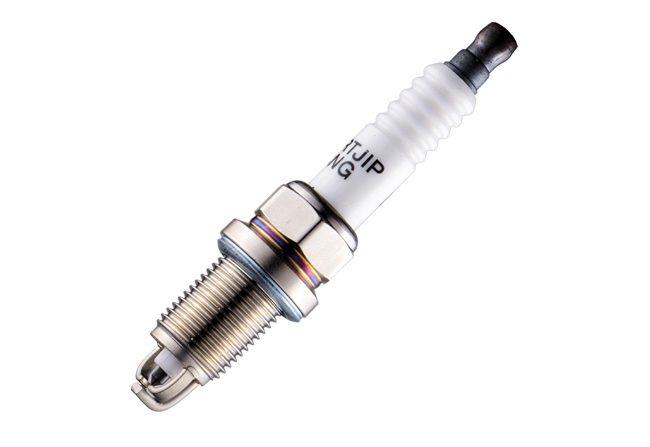
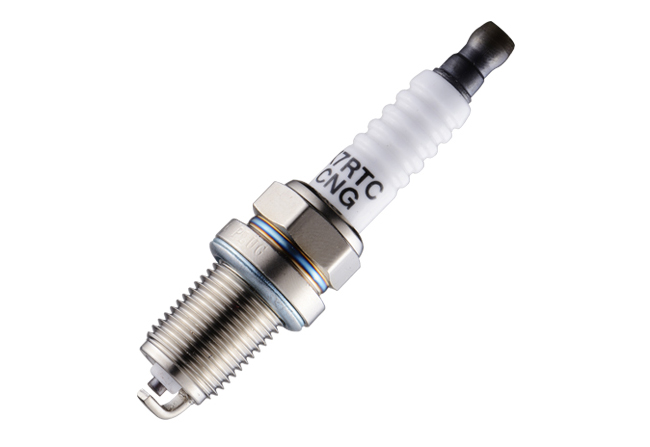
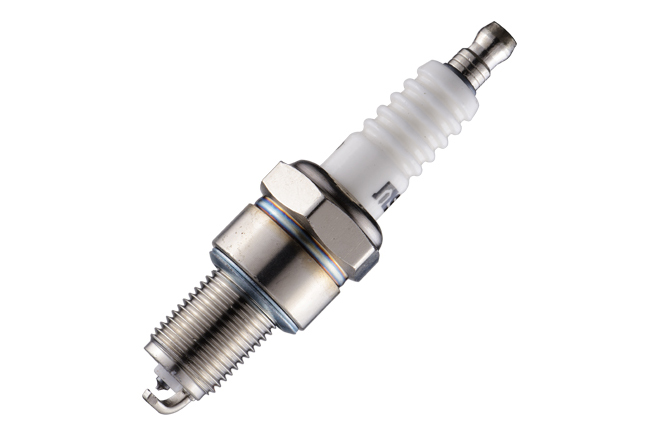
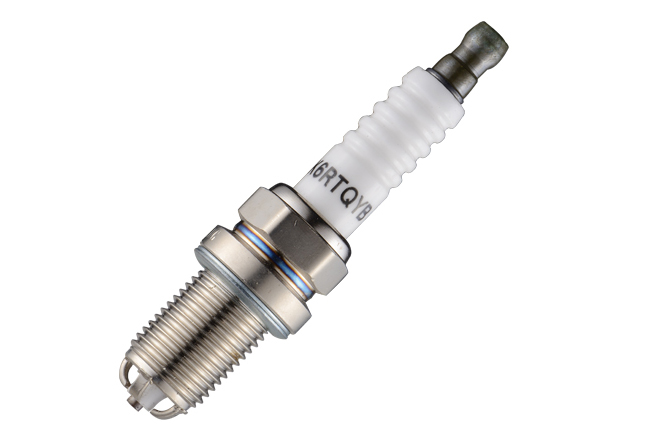
There are several types of spark plugs, each designed for different applications and performance needs. The most common types include:
- Standard Spark Plugs: Commonly used in most vehicles, these plugs are affordable and effective for general-purpose engines.
- Iridium Spark Plugs: Known for their long-lasting performance, these plugs are often used in high-performance or modern engines.
- Platinum Spark Plugs: Offering a longer lifespan than standard plugs, they are used in vehicles that require a longer time between replacements.
- Double Platinum Spark Plugs: These are similar to platinum plugs but have platinum on both the center and ground electrodes, offering even better durability.
- Copper Spark Plugs: Best for older vehicles, they are inexpensive but wear out faster than other types.
How Can You Tell If a Spark Plug Has Failed?
A failing spark plug can manifest in various ways, often affecting the engine's performance. Here are some signs that your spark plugs may be failing:
- Rough idling or engine misfires: If your engine is idling rough or misfiring, it could be due to a worn-out spark plug that isn’t firing correctly.
- Difficulty starting the engine: A faulty spark plug can prevent the engine from starting or cause it to start sluggishly.
- Reduced fuel efficiency: If your car is consuming more fuel than usual, it may be because of a bad spark plug that is causing incomplete combustion.
- Illuminated check engine light: A faulty spark plug can trigger the engine management system to alert you with a check engine light.
- Unusual acceleration issues: If you experience hesitation or a lack of power when accelerating, your spark plugs may not be firing efficiently.
What Causes Spark Plug Failure?
Spark plugs can fail due to several reasons, including:
- Age and Wear: Over time, spark plugs naturally wear down, losing their ability to produce a strong spark. Typically, they need replacement every 30,000 to 100,000 miles depending on the type.
- Carbon Build-up: Carbon deposits from incomplete combustion can accumulate on the spark plugs, leading to poor performance and failure.
- Incorrect Spark Plug Gap: If the gap between the spark plug electrodes becomes too wide or too narrow, it can cause misfires and inefficient engine performance.
- Overheating: Excessive engine heat or engine coolant leaks can cause the spark plugs to overheat, leading to premature failure.
- Engine Oil Leaks: Oil leakage onto the spark plugs can cause fouling and disrupt their performance.
Why Is Replacing Spark Plugs Important?
Replacing spark plugs at the recommended intervals is crucial for maintaining engine health and performance. Failing to replace worn-out spark plugs can lead to:
- Decreased fuel efficiency: Old spark plugs can cause poor combustion, leading to higher fuel consumption.
- Increased engine emissions: A malfunctioning spark plug may result in incomplete combustion, contributing to higher emissions.
- Higher maintenance costs: Ignoring spark plug replacement can lead to more significant engine problems, requiring costly repairs.
- Reduced engine power: A failing spark plug can cause the engine to lose power, affecting overall driving performance.
FAQ - Frequently Asked Questions
How often should I replace my spark plugs?
Spark plugs should typically be replaced every 30,000 to 100,000 miles, depending on the type of spark plug and the vehicle's manufacturer recommendations.
Can bad spark plugs cause a check engine light?
Yes, bad spark plugs can trigger the check engine light, as the engine's computer detects irregularities in combustion or misfires.
What happens if you don’t replace your spark plugs?
If you don’t replace your spark plugs, your engine may suffer from poor performance, misfires, decreased fuel economy, and increased emissions.
Can I replace spark plugs myself?
Yes, replacing spark plugs is a relatively simple DIY task if you have the right tools and know how to do it. However, if you're unsure, it's always best to consult a mechanic.



 English
 中文简体
中文简体