Content
Spark plugs are used to ignite the compressed air-fuel mixture inside an engine's combustion chamber by generating an electrical spark across a small gap. This spark ignition is what initiates the combustion stroke, converting chemical energy into the mechanical force that drives the piston downward. Without a properly functioning spark plug, a gas engine simply cannot start or run, which is why this small component plays such a central role in overall engine performance.
Beyond simply creating a spark, the spark plug function also includes conducting heat away from the combustion chamber and helping to seal the cylinder against compression loss. This dual role of electrical and thermal management is why spark plug design varies significantly depending on engine type, load, and operating temperature.
The horizontal bar chart below shows the relative contribution of spark plug condition to common engine performance issues, based on widely reported diagnostic patterns. This helps illustrate why understanding the purpose of spark plug maintenance directly relates to overall vehicle reliability.
As shown above, misfires and rough idle are the most frequently reported symptoms linked to worn or fouled spark plugs. Both issues stem directly from inconsistent or weak spark generation, which prevents complete combustion in one or more cylinders. Recognizing these patterns early can help vehicle owners address engine spark plug replacement needs before more serious drivability problems develop.
To understand what are spark plugs doing mechanically, it helps to walk through the four-stroke combustion cycle. During the compression stroke, the piston compresses the air-fuel mixture into a small space at the top of the cylinder. At the precise moment determined by the engine's ignition timing, the spark plug fires, creating a high-voltage arc across its electrode gap.
For a typical gas engine spark plug running at 3,000 RPM, this means the spark plug fires roughly 1,500 times per minute in a four-stroke engine, which highlights why material durability and precise gap maintenance are so important for consistent performance.
One of the most searched comparisons in this category is cold vs hot spark plugs, and the distinction comes down to how quickly each design transfers heat away from the combustion chamber. A hot spark plug has a longer insulator nose, which retains more heat and helps burn off carbon deposits in engines that run at lower temperatures or are used for short trips. A cold spark plug, by contrast, has a shorter insulator nose that transfers heat more quickly, making it suitable for high-performance or heavily loaded engines that generate more combustion heat.
The radar chart below compares hot and cold spark plugs across five practical characteristics: heat dissipation rate, fouling resistance at low RPM, performance under sustained high load, suitability for short-trip driving, and overall thermal stability. Each axis is scored from 1 to 5 based on commonly described design tendencies.
As the chart illustrates, hot spark plugs tend to score higher on fouling resistance and short-trip suitability because their longer insulator nose retains heat that helps burn off deposits during low-speed driving. Cold spark plugs score higher on heat dissipation and high-load performance, making them a common choice for engines that operate under sustained heavy use. Choosing between spark plug hot vs cold designs ultimately depends on the specific driving pattern and engine operating conditions rather than one type being universally preferable.
An overheated spark plug occurs when the electrode and insulator tip reach temperatures beyond their designed operating range, often due to an incorrect heat range selection, lean fuel mixture, or advanced ignition timing. Visually, an overheated plug typically shows a white or blistered insulator tip, eroded electrodes, and sometimes melted deposits on the firing end.
The line chart below illustrates how electrode wear can accelerate once operating temperature exceeds the optimal range for a given spark plug application, based on commonly reported wear progression patterns over engine operating hours.
As shown, electrode wear accelerates significantly once a spark plug operates beyond its intended heat range for extended periods, with the wear curve steepening sharply after roughly 100 operating hours. This accelerated wear can lead to a wider electrode gap over time, which in turn increases the voltage required to fire the plug and can contribute to misfires. Selecting the correct heat range for a given spark plug application is one of the most effective ways to prevent this type of premature wear.
The electrode gap is the small distance between the center electrode and the ground electrode where the spark jumps across. This gap is measured in millimeters or thousandths of an inch and varies depending on engine design, ignition system type, and manufacturer specification. A gap that is too narrow can produce a weak spark with insufficient flame coverage, while a gap that is too wide can cause misfires, especially under high load.
| Application | Typical Gap Range | Notes |
|---|---|---|
| Standard Automotive | 0.7–1.1 mm | Varies by ignition system type |
| Motorcycle Engines | 0.6–0.9 mm | Often smaller due to compact combustion chambers |
| Lawn & Garden Equipment | 0.5–0.8 mm | Single-cylinder engines, manufacturer specific |
| Marine Engines | 0.7–1.0 mm | Subject to higher humidity and corrosion exposure |
Always refer to the engine manufacturer's specification when setting the gap, since the values above are general reference ranges rather than universal settings. Maintaining the correct gap supports consistent ignition timing and helps the engine run smoothly across its full RPM range.
Spark plugs are not a one-size-fits-all component. Different equipment categories require spark plugs plugs engineered for their specific thermal loads, vibration profiles, and operating environments. The bar chart below shows the relative variety of spark plug configurations typically required across common equipment categories, based on differences in thread size, heat range, and reach.
Automotive applications generally require the widest variety of configurations due to the sheer diversity of engine designs, displacement sizes, and ignition systems on the road. Motorcycle and marine engines follow with moderately high variety, often driven by compact cylinder heads and corrosion resistance requirements respectively. Lawn and garden, industrial, and aircraft model engines tend to use more standardized configurations, though each category still demands materials and designs suited to their specific operating conditions.
Recognizing early warning signs can help prevent the more serious symptoms associated with worn spark plugs. The following indicators are commonly reported by drivers experiencing spark plug-related issues.
Inspecting spark plugs at the intervals recommended by the engine manufacturer remains one of the most effective ways to catch these issues before they affect overall drivability or lead to more costly repairs.
NINGBO MARSHAL AUTO PARTS CO., LTD. is a professional China-based spark plug manufacturer and supplier with a wide range of product lines covering manufacturing, engineering, and technical capabilities that continue to advance over time. With over 30 years of development and reverse engineering experience, the company's electrodes have passed TUV testing and conform to RoHS and REACH standards, while high-strength insulators are produced using continuous 360-degree laser technology.
The company operates its own ceramic factory, producing fully self-manufactured ceramic insulators with high density, improved dielectric strength, and a thickened insulator nose design for better mechanical strength in modern engines. Electrodes are engineered for improved electrical conductivity, heat resistance, heat dissipation, and ablation resistance, while shells are designed for better malleability, toughness, and hardness to reduce breakage and improve heat dissipation.
The company's laboratory complies with 17 international and national spark plug industry test standards, along with more than 34 internal control standards covering original supporting-level type tests and full-process inspection coverage. The company has obtained quality management system certification and holds design and utility model patents for select spark plug products. Custom OEM spark plugs are produced for automotive, marine, motorcycle, lawn mower, aircraft, and other industrial applications.
Q1: How do I know if my spark plugs are bad?Common signs include rough idling, difficulty starting, reduced fuel efficiency, and visible wear or carbon buildup on the electrode when inspected. |
Q2: How often should spark plugs be replaced?Replacement intervals vary by plug material and engine design, so it is best to follow the interval listed in the vehicle or equipment manufacturer's manual. |
Q3: Can bad spark plugs damage the engine?Worn spark plugs themselves rarely cause direct engine damage, but prolonged misfires can lead to increased strain on related components such as the catalytic converter over time. |
Q4: What happens if you don't change spark plugs?Over time, worn plugs can lead to harder starting, rougher idle, reduced fuel efficiency, and a gradual decline in overall engine smoothness. |
Q5: Why is my car shaking at idle?Idle shaking is often caused by one or more cylinders misfiring due to worn spark plugs, an incorrect electrode gap, or fouled electrodes. |
Q6: Can spark plugs improve fuel economy?Spark plugs in good condition support more complete combustion, which can help maintain the fuel efficiency the engine was designed to achieve. |
Q7: What is the correct spark plug gap?The correct gap depends on the specific engine and ignition system, so it should always be set according to the manufacturer's specification before installation. |
Q8: What is the difference between hot and cold spark plugs?Hot plugs retain more heat to help prevent fouling in low-temperature operation, while cold plugs dissipate heat faster, suiting engines under sustained high load. |
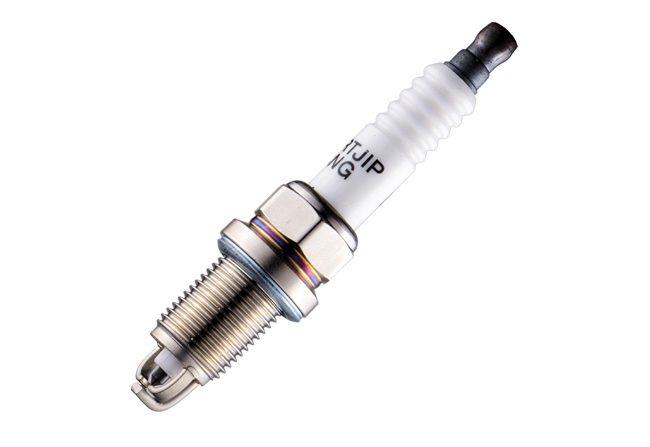
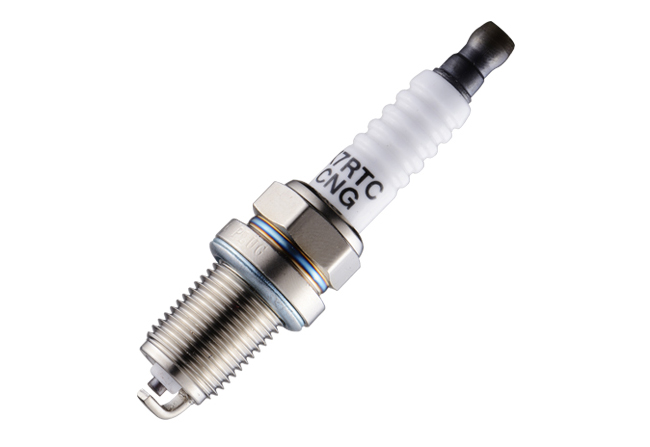
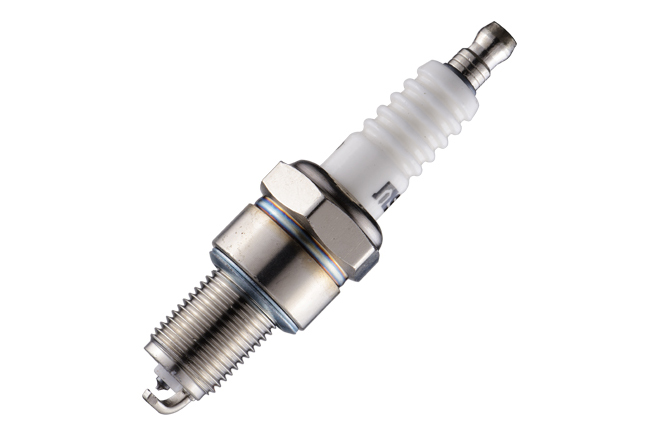
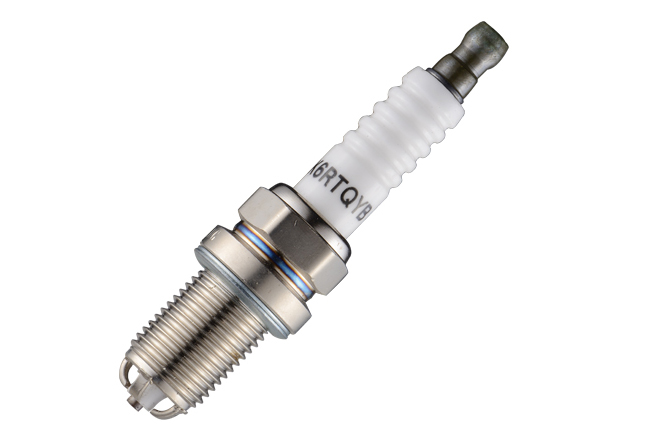
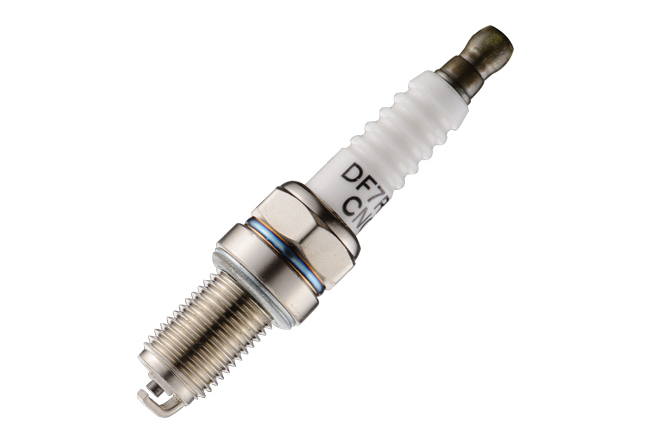
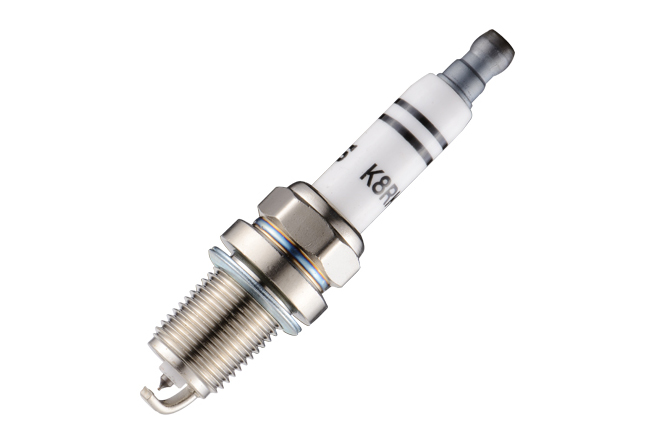
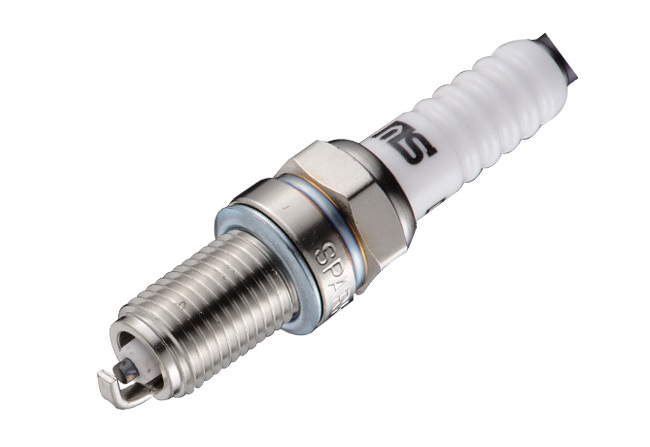
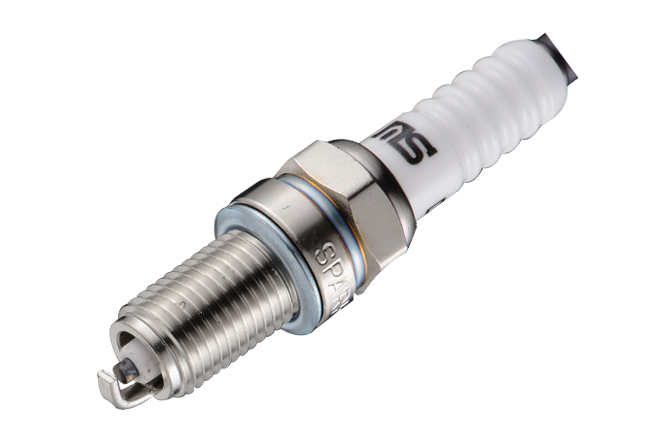

NINGBO MARSHAL AUTO PARTS CO., LTD. is a research and development, production and sales of professional manufacturers of spark plugs. Our company's spark plugs are mainly used in gasoline, natural gas and liquefied petroleum gas as fuel for all types of automobiles.
COPYRIGHT NINGBO MARSHAL AUTO PARTS CO., LTD. ALL RIGHTS RESERVED. Custom Spark Plugs Manufacturers OEM Spark Plugs Suppliers


 English
 中文简体
中文简体