Content
Marine spark plugs and regular car spark plugs serve the same fundamental purpose — igniting the air-fuel mixture in a combustion engine — but they are not interchangeable. Marine spark plugs are specifically engineered to withstand saltwater corrosion, high humidity, constant vibration, and the unique safety demands of enclosed engine compartments where fuel vapors can accumulate. Using a standard automotive plug in a marine engine is a common and potentially dangerous mistake.
The marine environment exposes spark plugs to saltwater spray, condensation, and extreme humidity levels that would rapidly degrade a standard automotive plug. To combat this, marine spark plugs use:
A standard automotive plug can begin showing visible corrosion within weeks in a saltwater marine environment, while a quality marine plug is designed to maintain integrity for 100+ operating hours under comparable conditions.
One of the most important — and often overlooked — differences involves the resistor inside the plug. Most modern car spark plugs use an internal resistor (typically 5,000–10,000 ohms) to suppress electromagnetic interference (EMI) that can disrupt onboard electronics. Marine spark plugs, however, often use a non-resistor design.
The reason is safety: in a boat's enclosed engine compartment, fuel vapors can build up. A resistor plug produces a hotter, more reliable spark that more completely ignites the mixture, reducing the risk of unburned fuel vapor accumulation. The trade-off — minor EMI — is acceptable because marine ignition systems use suppressor caps and wires to handle interference instead.
Always verify the plug type recommended by your marine engine manufacturer. Using a resistor plug where a non-resistor is specified can result in misfires, hard starting, and incomplete combustion.
Marine engines typically run at wide-open throttle (WOT) for extended periods — something most car engines rarely experience. This sustained high-load operation generates significantly more heat than typical automotive driving cycles. As a result, marine spark plugs are generally designed with a heat range calibrated for continuous high-RPM and high-load use.
A plug that runs too hot causes pre-ignition and engine damage. A plug that runs too cool fouls quickly with carbon deposits. Marine engine OEMs specify heat ranges precisely for their engines — for example, many outboard engines specify plugs in the NGK BPZ8H-N-10 or Champion L78V families, which have no direct automotive equivalent.
Never substitute an automotive plug by heat range alone — the entire plug construction must match the marine application.
| Feature | Marine Spark Plugs | Automotive Spark Plugs |
|---|---|---|
| Shell Material | Nickel-plated / stainless steel | Standard steel (zinc-plated) |
| Resistor Type | Typically non-resistor | Typically 5,000–10,000 ohm resistor |
| Corrosion Resistance | High (saltwater rated) | Standard (road environment) |
| Heat Range Design | Sustained WOT operation | Variable load / stop-start cycles |
| Sealing | Enhanced moisture sealing | Standard sealing |
| Typical Service Interval | 100–300 hours | 30,000–100,000 miles |
| Average Price (per plug) | $4–$15 | $2–$25 (iridium/platinum) |
Marine engines — especially outboards and stern drives — endure substantial vibration from wave action, hull flex, and engine mounts that are rarely as well-isolated as in automotive applications. Marine spark plugs are built with:
An automotive plug used in a high-vibration marine setting can experience insulator cracking or electrode loosening within a single season of use, leading to misfires and potential engine damage.
The leading brands for marine spark plugs include NGK, Champion, and Denso. While these brands also produce automotive plugs, their marine-specific lines are distinct products. Below are some commonly used marine plugs and their application notes:
Always cross-reference using the engine manufacturer's manual rather than relying on generic cross-reference charts, which may not account for the marine-specific construction differences.
Marine spark plugs require more frequent inspection than automotive plugs because of the demanding operating conditions. General replacement guidelines:
Only as a last resort for short-term use to reach shore. Automotive plugs lack the corrosion resistance, moisture sealing, and potentially the correct resistor specification for your marine engine. Using them for extended periods risks misfires, fouling, engine damage, and in enclosed compartments, a fire hazard due to incomplete combustion of fuel vapors. Replace with the correct marine plugs as soon as possible.
Standard copper-core marine plugs typically cost $4–$10 each, which is comparable to basic automotive plugs. The price difference is modest, but the performance and safety gap is significant. Premium iridium or platinum automotive plugs can actually cost more ($15–$25 each) than standard marine plugs, making the cost argument for substitution even weaker.
Marine engines handle EMI suppression through the ignition wires and distributor caps rather than the plug itself. The non-resistor design allows the full energy of the spark to reach the electrodes, ensuring complete ignition of the air-fuel mixture — which is a critical safety consideration in enclosed engine compartments where unburned fuel vapors pose an explosion risk.
Common signs include hard starting, rough idle, misfiring at high RPM, increased fuel consumption, and visible corrosion or fouling when inspected. Use a feeler gauge to check electrode gap — if it exceeds the spec by more than 0.005 inches, the plug should be replaced. Always visually inspect the insulator tip for cracking or heavy carbon deposits.
Yes, some manufacturers offer iridium-tipped marine spark plugs (e.g., NGK Iridium IX marine series). They offer better ignitability and longer service life — potentially up to 500 hours versus 200–300 for copper-core plugs. For boats used heavily or in hard-to-access engine compartments, the higher upfront cost is often justified by reduced maintenance frequency.
Yes, significantly. Outboard engines typically use smaller, shorter-reach plugs suited to high-RPM, air-cooled or water-cooled two- and four-stroke designs. Inboard and stern-drive engines more closely resemble automotive engines but still require marine-rated plugs. Always use the exact part number specified in your engine's service manual — never assume cross-compatibility between outboard and inboard plug specifications.
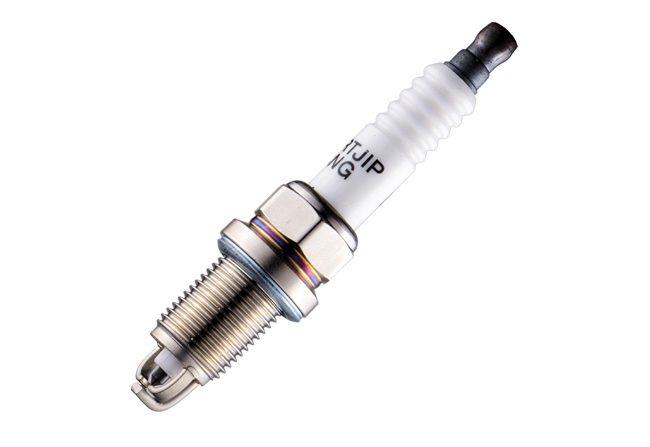
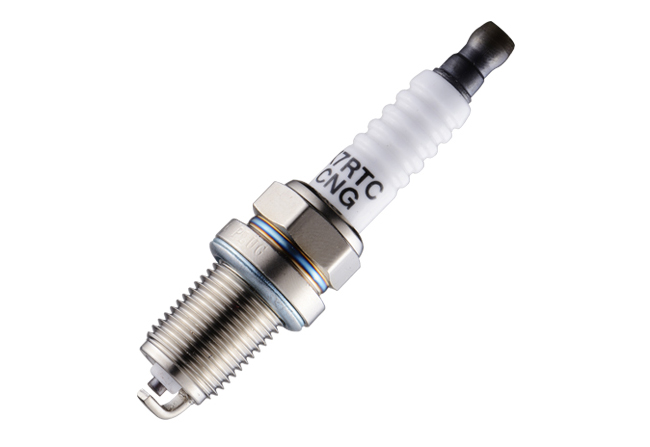
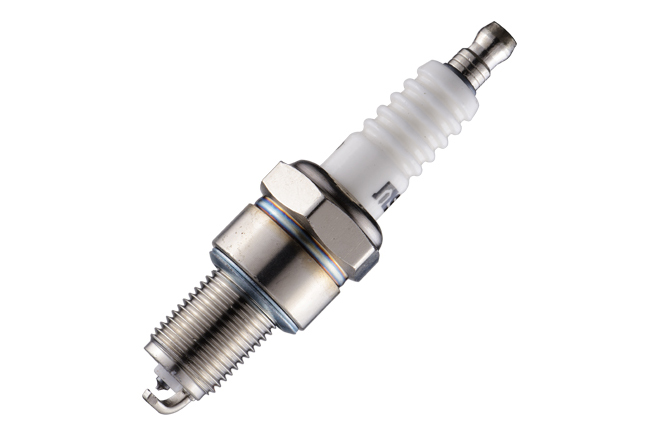
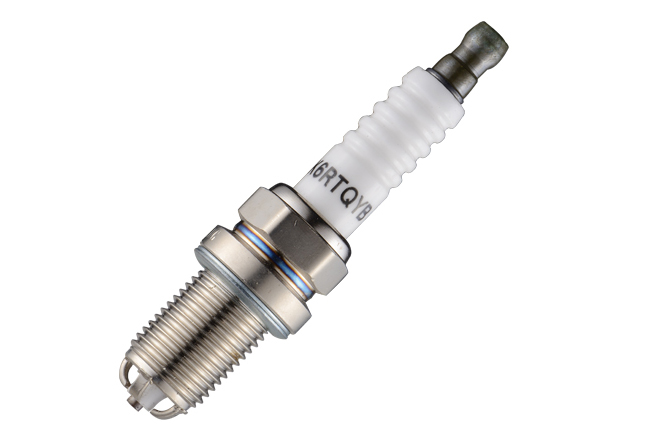

NINGBO MARSHAL AUTO PARTS CO., LTD. is a research and development, production and sales of professional manufacturers of spark plugs. Our company's spark plugs are mainly used in gasoline, natural gas and liquefied petroleum gas as fuel for all types of automobiles.
COPYRIGHT NINGBO MARSHAL AUTO PARTS CO., LTD. ALL RIGHTS RESERVED. Custom Spark Plugs Manufacturers OEM Spark Plugs Suppliers


 English
 中文简体
中文简体