The short answer: Bad automotive spark plugs typically show up as rough idling, slow acceleration, engine misfires, reduced fuel economy, and difficulty starting. If your car displays two or more of these symptoms simultaneously, a spark plug inspection or replacement is the logical first step — and often the most cost-effective fix available.
Content
Automotive spark plugs are responsible for igniting the air-fuel mixture inside each cylinder at precisely the right moment. A single degraded plug can reduce engine efficiency by up to 30% in that cylinder alone. Multiplied across a 4- or 6-cylinder engine with multiple worn plugs, the impact on performance, emissions, and fuel consumption is substantial.
Modern engines fire spark plugs thousands of times per minute. Even platinum and iridium-tipped plugs — which are rated for 60,000 to 100,000 miles — gradually erode at the electrode tip, increasing the gap and requiring higher voltage to fire reliably. When voltage demand exceeds what the ignition coil can consistently supply, misfires begin.
The symptoms of bad spark plugs in car engines often develop gradually, which is why many drivers overlook them until performance has deteriorated significantly. Here are the seven most reliable indicators:
A misfire occurs when combustion fails to happen in one or more cylinders. You will typically feel it as a brief stumble or shudder under acceleration. Modern vehicles log misfires as OBD-II fault codes (P0300–P030X), where the last digit identifies the affected cylinder. Persistent misfires above 1% of total firing events in any cylinder are a strong indicator of plug wear or fouling.
A healthy engine idles smoothly at around 600–800 RPM. When spark plugs are worn, the idle becomes uneven — the RPM may fluctuate or the engine may vibrate noticeably. This is one of the earliest and most consistent symptoms of plug degradation.
Worn plugs require a richer fuel mixture to compensate for incomplete combustion. Studies have shown that degraded plugs can reduce fuel efficiency by up to 25–30%. If your miles-per-gallon figure has dropped without a change in driving habits or fuel quality, plug condition is worth checking before more expensive diagnostics.
When you press the accelerator and feel a delayed or weak response — sometimes described as the car "dragging" — incomplete combustion from worn plugs is a likely cause. This is particularly noticeable during overtaking maneuvers or merging onto highways.
Spark plugs that are fouled with oil, carbon, or coolant deposits may not produce a strong enough spark to ignite the mixture during cold starts. If your engine cranks for longer than usual before starting, especially in cold weather, inspect your plugs first.
Misfire-related fault codes are among the most common triggers for the check engine light. While many issues can activate this warning, a scan tool reading codes in the P0300–P0312 range points directly to ignition and spark plug issues.
Physical inspection of removed plugs tells its own story. A healthy plug electrode is square-edged and light gray or tan. Warn indicators include a rounded or eroded electrode tip (gap wear), black sooty deposits (rich mixture or oil fouling), white or blistered insulator (overheating), and wet oily deposits (oil intrusion).
Visual inspection of a removed spark plug provides valuable diagnostic information beyond simply confirming wear. The color and condition of the insulator tip and electrode reveal what is happening inside the combustion chamber.
| Plug Appearance | Likely Cause | Recommended Action |
|---|---|---|
| Light gray / tan, square electrode | Normal operation | No action needed |
| Black, sooty deposits | Rich fuel mixture or oil fouling | Check fuel system or valve seals |
| White / blistered insulator | Overheating (wrong heat range) | Replace with correct heat range plug |
| Rounded / eroded electrode tip | Normal wear at end of service life | Replace immediately |
| Wet, oily deposits | Oil entering combustion chamber | Diagnose piston rings or valve guides |
| Cracked or chipped insulator | Physical damage or detonation | Replace and check for knock |
Understanding spark plug replacement cost for cars helps you evaluate quotes and plan maintenance budgets without surprises. The total cost depends on three factors: the plug type, the number of cylinders, and the labor complexity involved in accessing the plugs on your specific engine.
On most 4-cylinder engines with top-mounted plugs, a full replacement takes a skilled technician 30–60 minutes. However, V6 and V8 engines where rear bank plugs are hidden beneath intake manifolds or require partial disassembly can take 3–5 hours of labor time — this is where replacement cost rises most significantly. Always verify accessibility before accepting a quote.
Delaying spark plug replacement past the recommended interval can lead to secondary costs — including ignition coil failures caused by the higher voltage demand placed on coils trying to fire worn-gap plugs. An ignition coil replacement is typically several times more costly than a plug replacement.
When selecting the best spark plugs for fuel efficiency, three technical characteristics matter most: electrode material, gap specification, and heat range.
A finer electrode tip concentrates the electrical field and lowers the voltage required to initiate the spark. Iridium, with a melting point of 2,446°C, allows manufacturers to use electrode tips as fine as 0.4mm in diameter — compared to 1.1mm for standard copper. This means consistent ignition at lower voltages, reducing the energy demand on the ignition system and improving combustion completeness.
Spark plug gap — the distance between center and ground electrode — must match the engine's ignition system output. A gap that is too wide increases misfires; a gap that is too narrow reduces flame kernel size and combustion efficiency. Most modern engines specify gaps between 0.028 and 0.060 inches (0.7–1.5mm). Always verify against the vehicle's specification, not the plug manufacturer's default setting.
The heat range determines how quickly the plug tip dissipates combustion heat. A plug that runs too cold accumulates carbon deposits (fouling); one that runs too hot risks pre-ignition and electrode damage. Matching the OEM heat range is essential unless the engine has been modified for higher output.
| Plug Type | Electrode Diameter | Service Life | Fuel Efficiency Impact |
|---|---|---|---|
| Copper Core | ~2.5mm | 20,000–30,000 mi | Baseline |
| Platinum | ~0.8mm | 60,000 mi | Moderate improvement |
| Iridium | ~0.4mm | 80,000–100,000 mi | Best efficiency gains |
NINGBO MARSHAL AUTO PARTS CO., LTD. is a professional automotive spark plugs manufacturer and factory in China, with continuous advances in product lines, engineering capabilities, and manufacturing processes.
With 30 years of development and reverse engineering experience, Marshal's electrodes have passed TUV certification and conform to RoHS and REACH standards. High-strength insulators are produced using 360° Continuous Laser Technology, ensuring consistent seal quality across every unit.
The company operates its own ceramic factory, meaning insulator production is entirely in-house. This delivers higher insulator density, superior dielectric strength, and a thickened insulator nose design — all contributing to better mechanical strength suited to the demands of modern engines. The electrode material provides electrical conductivity, heat resistance, and ablation resistance; shells are designed for better malleability, toughness, and hardness to minimize cracking and improve heat dissipation.
The laboratory fully complies with and strictly implements 17 international and national spark plug industry test standards, applies more than 34 original supporting-level enterprise internal control tests, and maintains process inspection coverage across all production control points. Quality management has obtained formal quality management system certification.
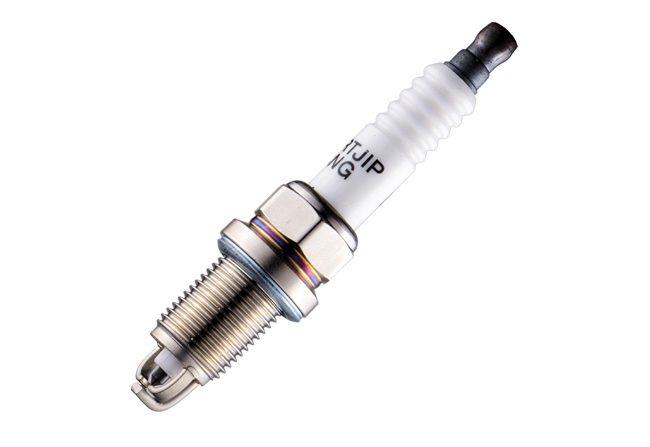
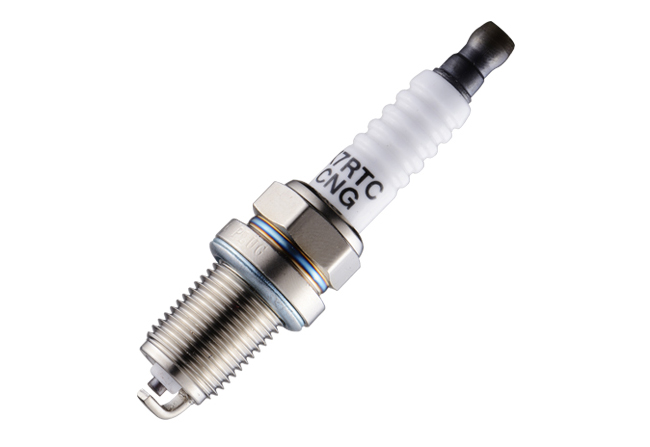
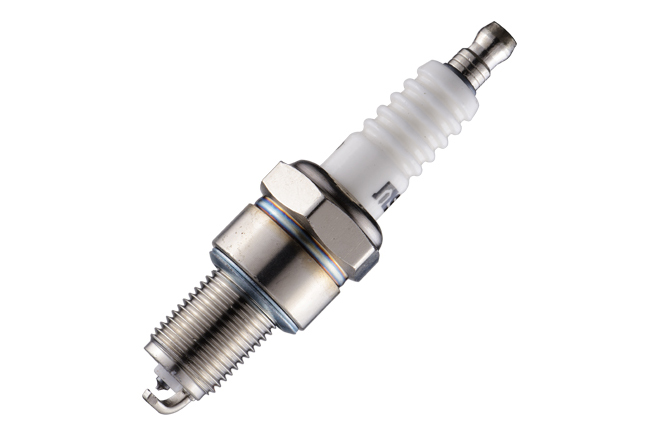
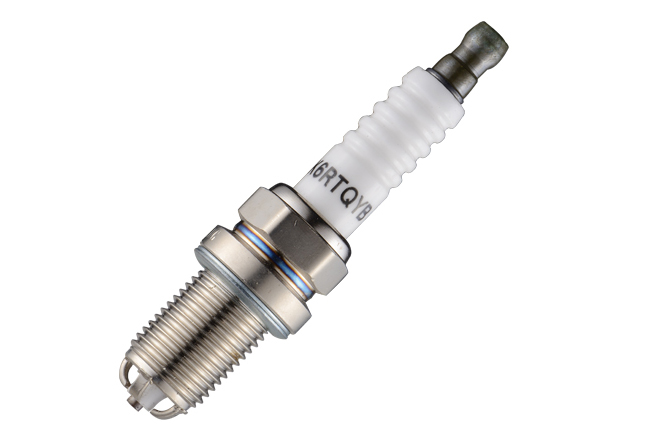
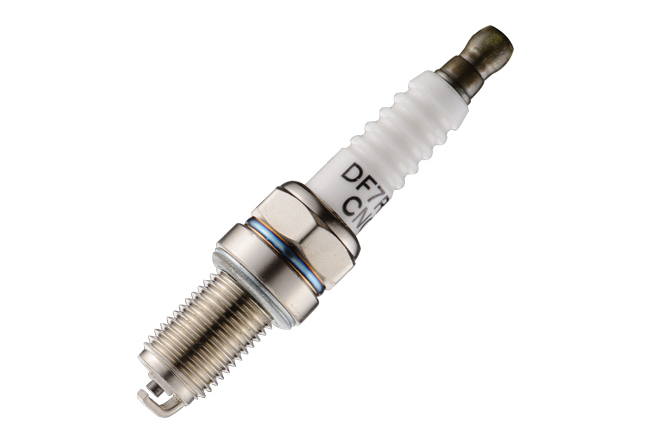
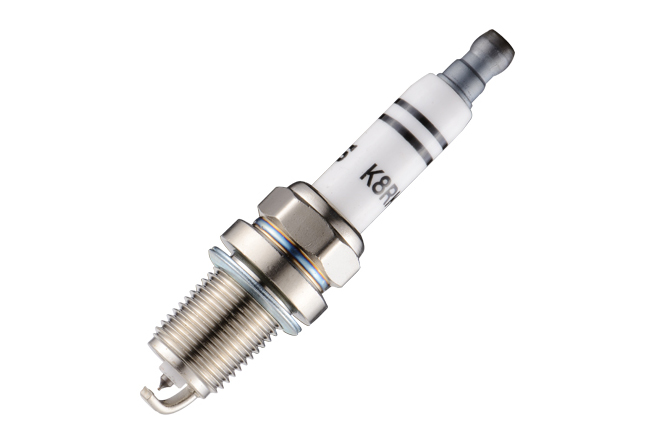
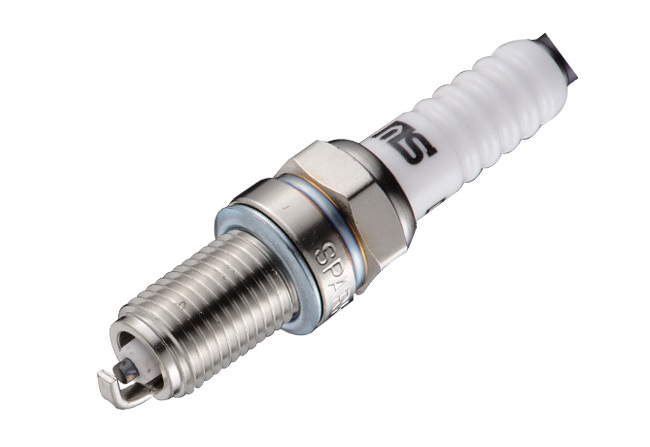
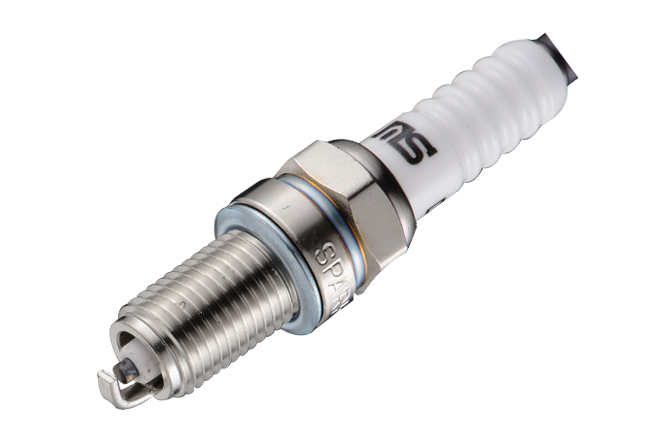

NINGBO MARSHAL AUTO PARTS CO., LTD. is a research and development, production and sales of professional manufacturers of spark plugs. Our company's spark plugs are mainly used in gasoline, natural gas and liquefied petroleum gas as fuel for all types of automobiles.
COPYRIGHT NINGBO MARSHAL AUTO PARTS CO., LTD. ALL RIGHTS RESERVED. Custom Spark Plugs Manufacturers OEM Spark Plugs Suppliers


 English
 中文简体
中文简体