A spark plug is a small but critical engine component that delivers an electrical spark to ignite the compressed air-fuel mixture inside an internal combustion engine's cylinder. Without a functioning spark plug, an engine cannot fire, start, or run efficiently. Every gasoline-powered engine — whether in a car, motorcycle, marine vessel, lawn mower, or aircraft — depends on spark plugs to initiate combustion at precisely the right moment in each engine cycle.
Spark plugs consist of a central electrode, an insulator, a metal shell, and a ground electrode. When high-voltage current (typically 12,000–45,000 volts) travels from the ignition coil through the central electrode, it jumps the gap to the ground electrode, producing a spark that ignites the fuel mixture. This process repeats hundreds of times per minute at idle and thousands of times per minute at high RPM — making spark plug durability, material quality, and correct gap specification essential to engine performance and fuel economy.
Understanding spark plug types, spark plug replacement intervals, how to read plug condition, and signs of bad spark plugs will help vehicle owners and technicians maintain engines in peak condition and avoid costly secondary damage from plug neglect.
Content
The spark plug's role is timed precisely to the engine's compression stroke. As the piston reaches top dead center (TDC), the ignition system sends a high-voltage pulse to the plug. The voltage builds across the electrode gap until it overcomes the resistance of the compressed air-fuel mixture, discharging as a plasma arc that reaches temperatures exceeding 60,000 Kelvin — hotter than the surface of the sun — for a fraction of a millisecond. This initiates a flame kernel that propagates through the mixture, generating the pressure wave that drives the piston down.
Spark Plug Voltage Requirement vs. Electrode Gap Width
As the electrode gap widens over time due to wear, the ignition system must generate increasingly higher voltage to bridge the gap and produce a spark. A new plug at 0.6 mm may require around 12,000 volts, while a worn plug at 1.8 mm can demand over 40,000 volts — pushing the ignition system close to its limits. This is one of the primary reasons that following the correct spark plug replacement interval matters: worn gaps increase ignition system stress and the likelihood of misfire under load, high humidity, or cold-start conditions. Correct gap specification, outlined in the vehicle's spark plug size guide, is essential during every installation or inspection.
Not all spark plugs are the same. Electrode material is the single biggest differentiator between plug types, directly determining service life, ignitability, and thermal performance. Selecting the correct type — as defined in the vehicle's spark plug replacement guide — is critical for maintaining warranty compliance and engine longevity.
The traditional copper-core plug uses a nickel alloy electrode over a copper core. Copper's excellent thermal conductivity helps dissipate heat from the firing tip, making these plugs well-suited to older, lower-compression engines and high-performance applications where plug changes are frequent. Typical service life: 20,000–40,000 km.
Platinum tip electrodes offer significantly better wear resistance than nickel. Single-platinum plugs feature a platinum disc on the center electrode; double-platinum adds a platinum pad on the ground electrode as well. These are the OEM specification for many modern distributor-based ignition systems. Typical service life: 60,000–100,000 km.
Iridium has a melting point of 2,450°C and is approximately six times harder than platinum. Iridium plugs typically feature a fine-wire center electrode (as small as 0.4 mm diameter), which concentrates the electrical field and requires lower firing voltage while delivering a more focused, consistent spark. Typical service life: 100,000–160,000 km. These are the standard specification for most modern coil-on-plug direct ignition systems.
Spark Plug Lifespan by Electrode Material (km)
Spark plug lifespan varies dramatically by electrode material. Iridium plugs last up to four times longer than copper-nickel units, making them the preferred choice for modern long-service-interval engines. The choice of plug type should always match the OEM specification in the vehicle's service manual — installing a copper plug where iridium is specified will result in much shorter replacement intervals and potential ignition system strain. Understanding spark plug lifespan by material is a key part of any effective spark plug maintenance tips program for fleet or personal vehicle management.
| Material | Melting Point | Typical Lifespan | Firing Voltage | Best Application |
|---|---|---|---|---|
| Copper / Nickel | 1,085°C (Cu) | 20,000–40,000 km | High | Older engines, racing |
| Single Platinum | 1,768°C | 60,000–100,000 km | Medium | Distributor ignition |
| Double Platinum | 1,768°C | 80,000–120,000 km | Medium-Low | Waste-spark systems |
| Iridium | 2,450°C | 100,000–160,000 km | Low | Modern COP systems |
The question of how often to change spark plugs depends on three factors: the plug material, the engine type, and the operating environment. Manufacturers publish specific replacement intervals, and following them is among the most cost-effective preventive maintenance actions available to vehicle owners. Neglecting plug replacement does not simply mean the engine runs with slightly less power — worn plugs can cause misfires, catalytic converter damage, and increased fuel consumption that far outweigh the replacement cost.
Operating conditions also accelerate wear. Short-trip driving (where the engine never fully warms up), frequent towing or high-load operation, use of E85 or higher-ethanol fuels, and extended oil change intervals that result in oil fouling all shorten effective plug service life. In these cases, replacing plugs at the lower end of the specified interval is advisable as part of a thorough spark plug maintenance tips strategy.
Recommended Spark Plug Replacement Interval by Application (km)
Replacement intervals vary enormously between application types. A modern passenger car fitted with iridium plugs may run 120,000 km or more before replacement is needed, while a marine outboard engine or lawn mower engine typically requires annual plug replacement due to seasonal storage, fuel quality variation, and operating environment factors. Motorcycle engines, particularly small-displacement units and two-strokes, generally require more frequent spark plug inspection and replacement than passenger vehicles. Always refer to the equipment manufacturer's spark plug replacement guide for the definitive interval applicable to a specific engine model.
Identifying symptoms of worn spark plugs early allows vehicle owners to address the issue before it causes secondary damage to ignition coils, oxygen sensors, or catalytic converters. The following are the most commonly reported signs that when spark plugs should be replaced has passed.
A healthy engine idles smoothly at a consistent RPM. Worn or fouled spark plugs cause intermittent misfires at idle, producing a noticeable vibration or shaking felt in the steering wheel, floor, or gear shifter. This symptom commonly appears long before a plug fails completely, making it a useful early warning indicator during a spark plug inspection guide check.
When a spark plug cannot fire reliably, unburned fuel passes through the cylinder into the exhaust. Studies have shown that worn spark plugs can reduce fuel economy by up to 30% compared to new plugs in the same engine. For a vehicle averaging 10 L/100 km, this represents substantial ongoing fuel waste over a year of driving. Replacing plugs at the correct interval is one of the simplest ways to maintain fuel efficiency.
The engine control unit (ECU) monitors combustion events through crankshaft position and oxygen sensors. A misfiring cylinder triggers fault codes P0300 (random misfire) through P030X (cylinder-specific misfire), illuminating the check engine light. While many conditions cause this warning, spark plug misfire is among the most common causes recorded by independent workshops globally.
Engines with worn plugs require more cranking to start, particularly in cold weather when fuel atomization is poorer and the spark needs to bridge a wider, more eroded gap. Under hard acceleration, a wide or worn gap may fail to fire reliably at high cylinder pressures, causing hesitation and flat spots in the power band — classic symptoms of worn spark plugs under load.
Impact of Worn vs. New Spark Plugs on Engine Performance (Radar)
This radar chart illustrates the multi-dimensional performance degradation that occurs when spark plugs wear beyond their service limits. Worn plugs do not simply reduce power — they simultaneously degrade fuel economy, idle quality, cold-start reliability, emissions compliance, and ignition system longevity. The cumulative effect of degraded performance across all six dimensions makes timely replacement far more economical than delaying service. Research indicates that an engine running on worn plugs can emit up to 25% higher hydrocarbon and NOx emissions, which may cause failures during periodic emissions testing in regulated markets.
A removed spark plug is one of the most informative diagnostic tools available to an engine technician. The color and deposit pattern of the firing tip reveals whether the engine is running correctly, and if not, often indicates the specific problem. This is a fundamental part of any spark plug inspection guide.
| Plug Color / Appearance | What It Indicates | Recommended Action |
|---|---|---|
| Light tan / gray | Normal combustion; correct air-fuel ratio | No action needed; reinstall or replace at interval |
| Black, sooty deposits | Rich fuel mixture or carbon fouling | Check fuel injectors, O2 sensor; replace plug |
| Black, oily deposits | Oil entering combustion chamber | Inspect valve stem seals or piston rings |
| White / light gray blister | Overheating (wrong heat range or lean mixture) | Check cooling, heat range spec, fuel delivery |
| Melted or eroded electrode | Pre-ignition or detonation damage | Immediate investigation; check octane, timing |
| Red/brown glaze | Fuel additive or coolant deposits | Replace plug; investigate coolant leak if needed |
The spark plug gap is the distance between the center and ground electrode, measured in millimeters. This specification — listed in every vehicle's spark plug size guide — must be verified and set correctly at installation, even on new plugs. Many new plugs are shipped pre-gapped to a common specification but may not match the exact requirement for a specific engine.
Too narrow a gap produces a weak spark with reduced flame kernel size, leading to incomplete combustion. Too wide a gap demands excessive voltage, increasing the risk of misfire under high cylinder pressure. The correct gap for most modern passenger car engines falls between 0.8 mm and 1.2 mm, though direct-injection turbocharged engines often specify tighter gaps (0.6–0.8 mm) due to higher cylinder pressures.
Gap adjustment on fine-wire iridium or platinum plugs should only be done by bending the ground electrode slightly — never the center electrode — and should be done gently using a proper gap tool. Iridium plugs with extremely fine center electrodes should ideally be ordered to the correct gap specification rather than adjusted after purchase.
NINGBO MARSHAL AUTO PARTS CO., LTD. is a professional spark plug manufacturer and spark plug supplier based in Ningbo, China, with over 30 years of development and reverse engineering experience. As a vertically integrated spark plug factory, Marshal operates its own ceramic facility — producing alumina insulators entirely in-house — enabling tighter control over insulator density, dielectric strength, and mechanical performance than is achievable through third-party sourcing.
Marshal's insulators utilize 360° Continuous Laser technology for precision processing, delivering better dielectric strength and a thickened insulator nose design that handles the mechanical stresses of modern high-compression engines. All electrodes have passed TUV certification and conform to RoHS and REACH directives. The manufacturing laboratory fully complies with 17 international and national spark plug industry test standards, supplemented by over 34 original enterprise internal control standards covering the complete production process.
As a capable OEM spark plug supplier and custom spark plug manufacturer, Marshal provides tailored solutions for automotive, marine, motorcycle, lawn mower, and aircraft applications. The company holds design patents and utility model patent certificates for spark plug innovations, and its quality management system is certified to recognized international standards — making it a reliable partner for wholesale spark plugs procurement and aftermarket spark plug manufacturer programs globally.
Marshal Spark Plug Factory: Quality Benchmark at a Glance
Marshal's manufacturing capability spans the full product lifecycle — from ceramic insulator production and electrode processing through to finished plug assembly and laboratory validation. Operating 17 international test standards and over 34 internal control checkpoints provides a multi-layer quality assurance framework that supports OEM-level part approval processes. For customers seeking a wholesale spark plug partner or a reliable custom spark plug manufacturer for specialized applications such as marine or aircraft ignition systems, this depth of manufacturing and testing capability provides confidence in product consistency across large production runs.
Q1: How long do spark plugs last?
Spark plug lifespan depends on electrode material. Copper/nickel plugs last 20,000–40,000 km. Single-platinum plugs last 60,000–100,000 km. Iridium plugs typically last 100,000–160,000 km. Always follow the OEM-specified interval for your vehicle rather than relying on generic guidelines, as engine design and operating environment affect actual service life.
Q2: What are the symptoms of bad spark plugs?
Common signs of bad spark plugs include rough idling, poor fuel economy, slow acceleration, hard starting (especially in cold weather), engine misfires, and the check engine light illuminating with misfire codes (P0300–P030X). If your vehicle shows two or more of these symptoms simultaneously, a spark plug inspection is a logical first diagnostic step.
Q3: Can bad spark plugs cause a rough idle?
Yes. Worn or fouled spark plugs are one of the most common causes of rough idle. When a plug misfires intermittently at idle speed, the affected cylinder contributes inconsistently to engine output, causing the characteristic vibration and RPM fluctuation associated with a rough idle. Replacing plugs at the correct interval and verifying correct gap specification resolves this issue in most cases where ignition components are otherwise healthy.
Q4: Why are my spark plugs black?
Black spark plug deposits indicate either carbon fouling (dry, sooty black — caused by a rich fuel mixture, excessive idling, or a clogged air filter) or oil fouling (wet, oily black — caused by oil entering the combustion chamber through worn piston rings or valve seals). Identifying which type of black deposit is present helps diagnose whether the issue is with the fuel management system or the engine's internal sealing condition.
Q5: Can bad spark plugs affect fuel economy?
Yes, significantly. Worn spark plugs that misfire allow unburned fuel to pass through the engine, wasting fuel and increasing emissions. Studies indicate fuel economy can drop by up to 30% when plugs are severely worn. Even moderate wear — plugs that fire inconsistently rather than completely misfiring — reduces combustion efficiency and measurably increases fuel consumption over time.
Q6: What is the best spark plug material for modern engines?
Iridium is widely regarded as the highest-performing electrode material for modern engines, offering the longest service life (up to 160,000 km), the lowest required firing voltage, and the best resistance to electrode erosion. However, "best" must always be defined relative to the engine's OEM specification. Installing a plug of a different material type than specified — even a premium one — may not deliver the intended performance if heat range or gap specification differs from design requirements.
Q7: Can spark plugs cause the check engine light?
Yes. A misfiring spark plug triggers the ECU to log diagnostic fault codes and illuminate the check engine light. Codes P0300 (random misfire detected) and P0301–P0308 (cylinder-specific misfire) are directly linked to ignition events. If the check engine light appears alongside any of the other signs of bad spark plugs described above, having the fault codes read and inspecting the plugs as part of the diagnostic process is a practical and often conclusive first step.
Q8: How do I know if my spark plugs need replacing?
The most reliable method is to track mileage against the OEM replacement interval and replace plugs proactively at or before the specified km limit. Between intervals, a visual inspection of the firing tip color and electrode erosion during routine service provides additional diagnostic information. Any plug showing significant electrode wear, visible cracking of the insulator, or heavy deposit buildup should be replaced regardless of mileage, as these conditions indicate the plug has reached the end of its reliable service life.
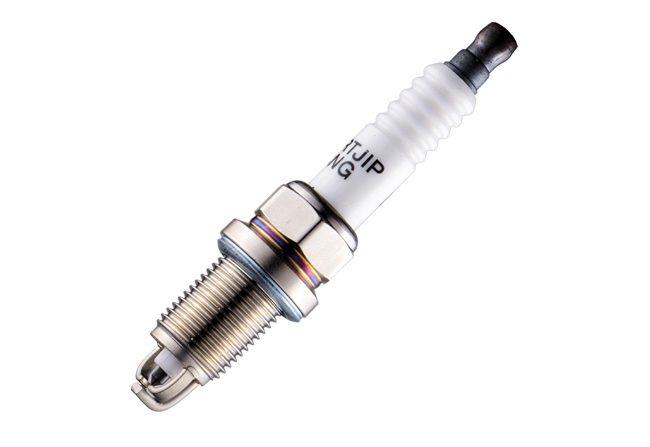
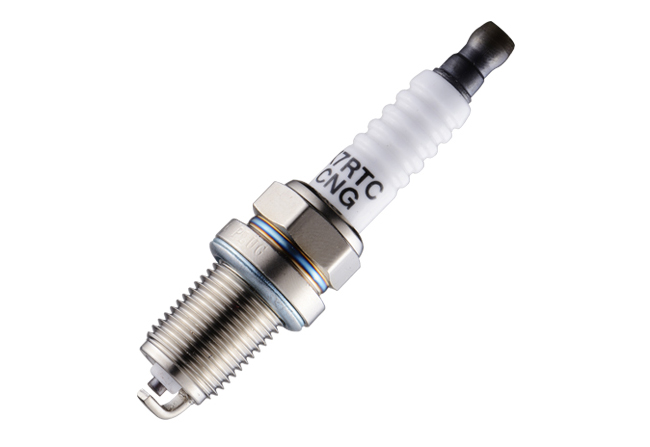
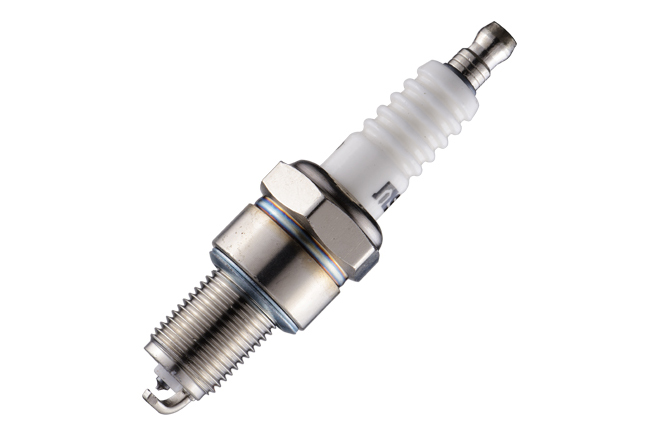
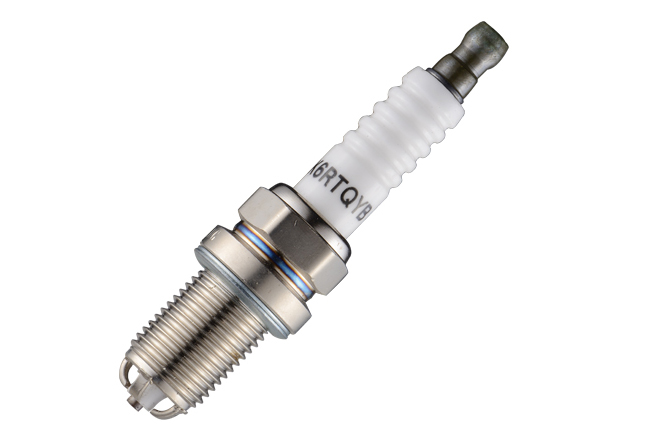
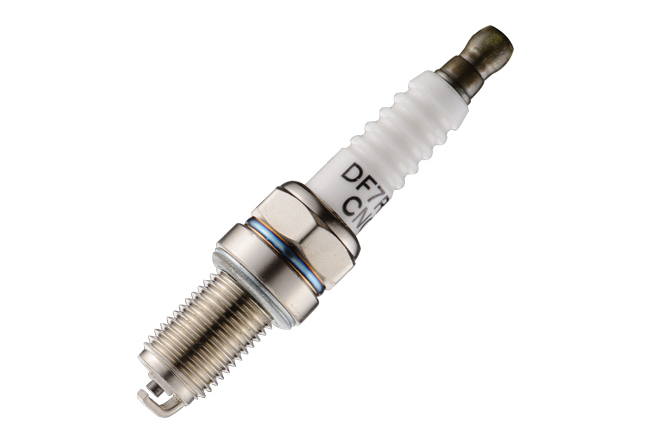
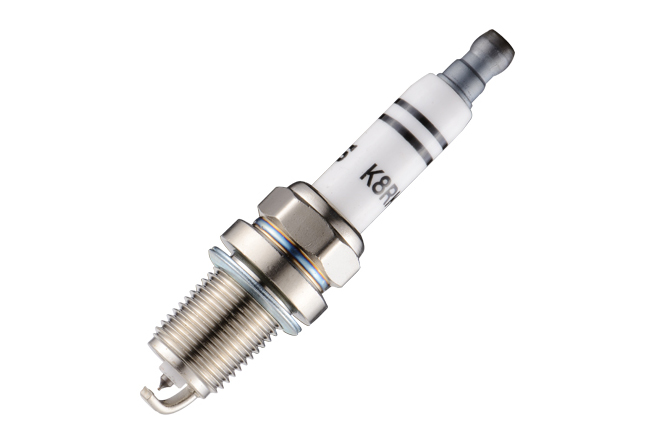
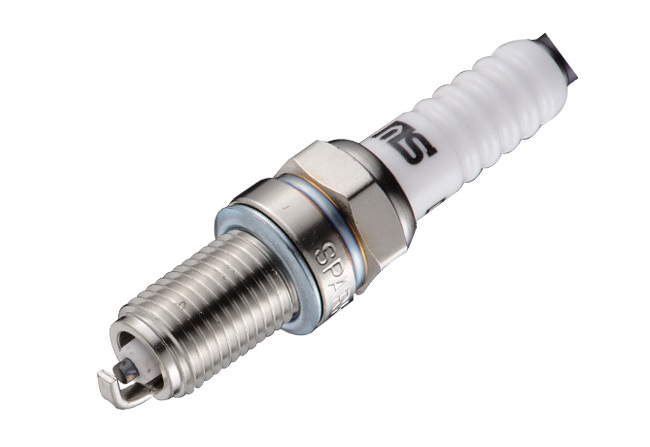
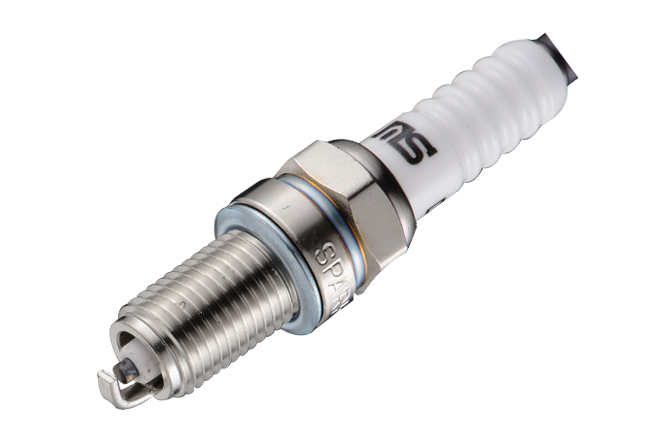

NINGBO MARSHAL AUTO PARTS CO., LTD. is a research and development, production and sales of professional manufacturers of spark plugs. Our company's spark plugs are mainly used in gasoline, natural gas and liquefied petroleum gas as fuel for all types of automobiles.
COPYRIGHT NINGBO MARSHAL AUTO PARTS CO., LTD. ALL RIGHTS RESERVED. Custom Spark Plugs Manufacturers OEM Spark Plugs Suppliers


 English
 中文简体
中文简体