Content
Black tips on Spark Plugs generally point to one of two conditions. A dry, sooty black coating usually means carbon fouling from an overly rich fuel mixture or extended idling. A wet, oily black coating usually means oil is reaching the combustion chamber past worn rings, valve guides, or a failing PCV system. A third contributing factor, a plug heat range that runs colder than the engine actually needs, can also leave black deposits because the tip never climbs high enough in temperature to burn residue off between cycles. Telling these apart starts with one simple check, whether the deposit feels dry and powdery or wet and oily to the touch, since that single detail points toward a completely different repair path.
The texture of the black coating on the electrode and insulator tip carries most of the diagnostic value. A quick touch test, done carefully once the engine has cooled, separates the two most common causes in seconds.
A dull, dry black soot layer that rubs off as fine powder on a finger. The insulator nose and shell both show even coverage. This pattern is tied to a rich fuel mixture, low combustion temperature, or a plug that runs colder than the engine calls for.
A glossy, wet black film that leaves residue on a finger and often carries a faint burnt oil smell. Deposits tend to build heavier near the base of the shell where oil pools. This pattern points toward oil entering the cylinder rather than a fuel mixture problem.
| Feature | Dry Carbon Fouling | Wet Oil Fouling |
|---|---|---|
| Texture | Dry, powdery soot | Wet, glossy film |
| Common cause | Rich mixture or short trips | Worn rings or valve seals |
| Typical smell | Faint fuel smell | Faint burnt oil smell |
| First step | Check air filter and mixture sensors | Check oil consumption and valve cover seals |
Carbon fouling builds up when combustion never gets hot enough or clean enough to burn fuel completely, leaving unburned particles to settle on the electrode. The way fuel spark plugs interact during each combustion cycle depends heavily on mixture ratio, so anything that pushes the mixture rich raises the odds of a sooty coating. The chart below ranks the most frequently reported contributing factors behind carbon fouled plugs.
Reported contributing factors behind sooty carbon fouled spark plug tips
A clogged air filter, a stuck rich fuel trim, or a failing oxygen sensor can each independently push mixture rich enough to trigger fouling, which is why a fouled plug is often a symptom of a separate underlying fault rather than the original problem itself.
When a technician calls a plug oil fouled, it means engine oil has physically reached the combustion chamber and burned onto the electrode alongside the normal fuel charge. This is mechanically different from carbon fouling, since it points toward wear inside the engine rather than a tuning issue in the fuel or ignition spark plug system.
Oil fouling spark plug patterns rarely clear up on their own, and cleaning the plug without addressing the mechanical wear behind it usually leads to the same black film returning within a short number of miles.
Heat range describes how quickly a plug moves heat away from its tip into the cylinder head. A cold spark plug has a shorter insulator nose and pulls heat away fast, which suits high load or high RPM driving but can leave the tip too cool to burn off carbon during gentle city driving. A hotter spark plug keeps a longer insulator nose and retains heat longer, which helps prevent fouling during light duty use but raises the risk of preignition under sustained heavy load. This is the essence of the spark plug cold vs hot tradeoff that heat range selection is built around, since spark plug cooling is affected by spark plug design details like insulator nose length and the contact area against the cylinder head.
Cold spark plug against hot spark plug across five operating factors, scored on a ten point scale
Cold spark plugHotter spark plug
| Plug Type | Tip Behavior | Best Suited Use |
|---|---|---|
| Cold spark plug | Sheds heat quickly, resists preignition | Sustained high load or high RPM driving |
| Standard heat range | Balanced heat retention | Everyday mixed driving |
| Hotter spark plug | Retains heat, burns off light deposits | Short trips and frequent idling |
Color alone will not confirm a diagnosis, but it narrows the possibilities quickly once paired with the touch test described earlier. The strip below moves from a plug running too hot on the left through to a plug suffering oil fouling on the right.
A thin layer of soot rarely causes a problem on its own, but deposits build gradually and eventually create a path for spark energy to leak across the insulator instead of jumping the intended gap. This shows up first as an occasional cold misfire during startup, then progresses toward a rougher idle and reduced fuel economy as the layer thickens. The chart below illustrates how misfire frequency tends to climb once a fouled set of plugs passes a certain mileage without service.
Illustrative rise in misfire events per 1000 miles as deposit buildup continues without plug service
The physical thickness of the buildup on the tip differs quite a bit between a healthy plug, an overheated plug, and each type of fouling. The column chart below lines up approximate deposit thickness across the four conditions discussed in this guide.
Approximate deposit thickness on the electrode tip across four common conditions
Pull each plug in firing order and lay them out in sequence to spot whether one cylinder differs from the rest.
Check whether the black coating feels dry and powdery or wet and oily once the plug has cooled fully.
Compare against the fuel system for a dry pattern, or against oil consumption and valve seals for a wet pattern.
Verify the installed plug matches the driving pattern of the vehicle rather than assuming the original spec is still ideal.
A lightly fouled plug caught early can sometimes be cleaned and reused, but most ignition spark plug materials reach a point where the electrode has worn enough that cleaning only buys a short delay before the same symptoms return. The table below lines up typical service intervals by electrode material for a performance spark plug lineup.
| Electrode Material | Typical Service Interval | Notes |
|---|---|---|
| Copper core | 20000 to 30000 miles | Softer electrode, wears faster under heavy fouling |
| Platinum | 60000 to 80000 miles | Better wear resistance under normal conditions |
| Iridium | 80000 to 100000 miles | Finer electrode tip, longest typical service life |
Whenever fouling returns quickly after cleaning, that pattern itself is diagnostic information, since it usually means the underlying mechanical or fuel system cause was never resolved in the first place.

NINGBO MARSHAL AUTO PARTS CO., LTD. operates as a spark plug factory with a full range of product lines built on decades of engineering and reverse engineering experience applied to motor spark plug design. The company runs its own ceramic factory, producing insulators in house with high density material, a thickened insulator nose, and reinforced mechanical strength suited to modern engine designs. Electrode material is selected for electrical conductivity, heat resistance, heat dissipation, and ablation resistance, while the outer shell is engineered for better malleability and toughness, reducing the chance of shell cracking while helping the shell dissipate heat evenly. This combination of in house ceramic production and material engineering is what supports a consistent performance spark plug lineup across everyday driving and higher load applications.
It delivers a high voltage spark across a small gap to ignite the compressed air fuel mixture inside each cylinder at precisely the right moment.
Voltage builds across the center and ground electrode until it jumps the gap as a spark, igniting the mixture and starting the combustion event.
Replacement timing depends on electrode material, with copper plugs needing attention sooner than platinum or iridium versions under the same driving conditions.
Most passenger vehicles fall somewhere between 20000 and 100000 miles depending on electrode material and driving style.
Rough idle, hesitation on acceleration, reduced fuel economy, and an illuminated check engine light are the most commonly reported symptoms.
A misfire often traces back to a worn or fouled plug, a failing ignition coil, or a fuel delivery issue disrupting the combustion event in one cylinder.
Black deposits point to either dry carbon fouling from a rich mixture or wet oil fouling from oil reaching the combustion chamber, distinguished by a simple touch test.
A chalky white tip usually signals a lean mixture or a plug running hotter than the engine calls for, which raises the risk of preignition over time.
A cold plug sheds heat faster and suits high load driving, while a hot plug retains heat longer and resists fouling during light duty or short trip driving.
Light fouling caught early can sometimes be cleaned, but repeat fouling after cleaning usually means the underlying cause still needs to be addressed directly.
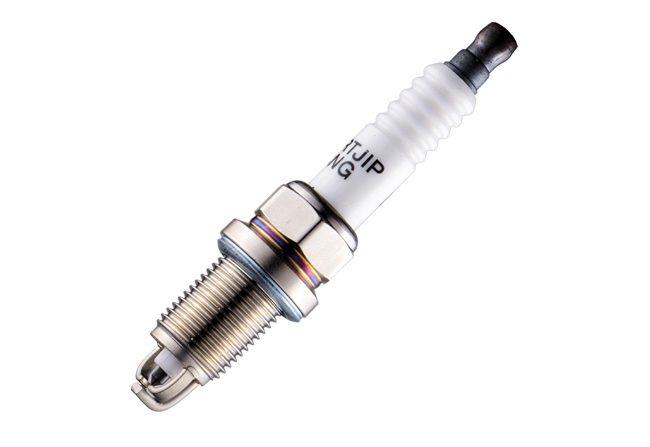
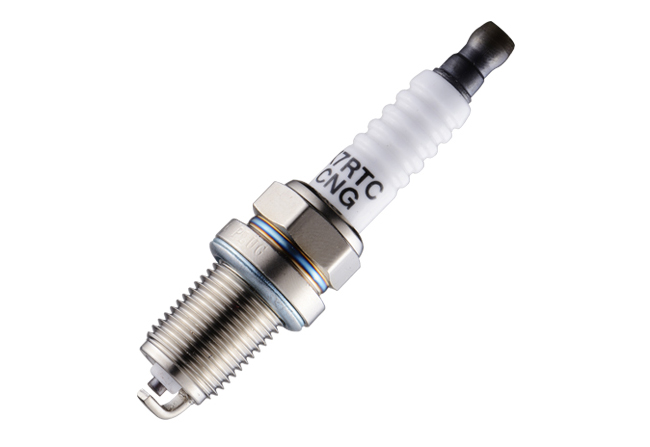
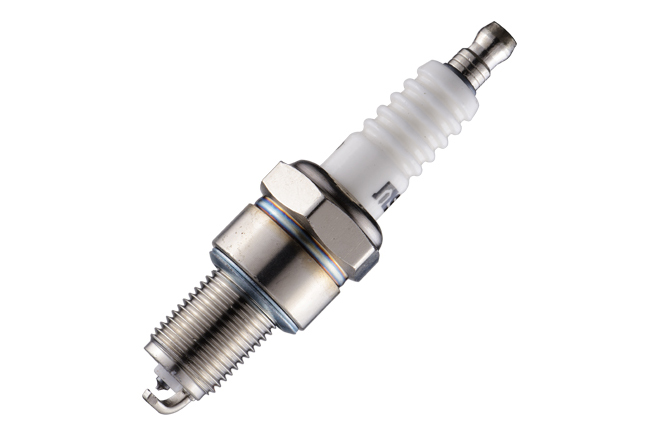
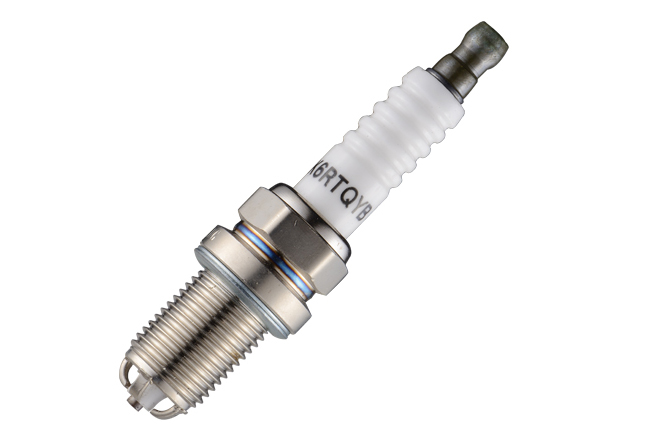
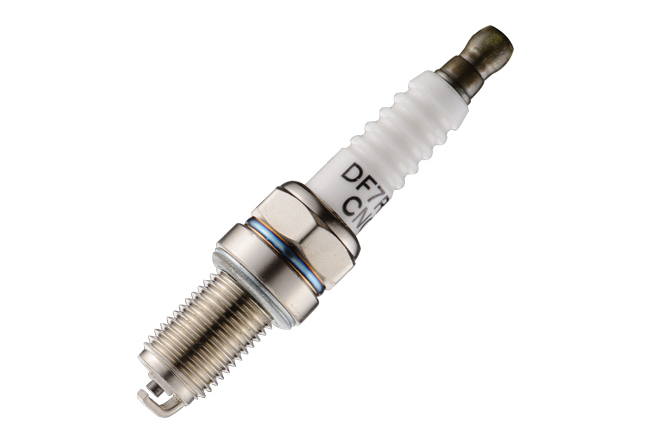
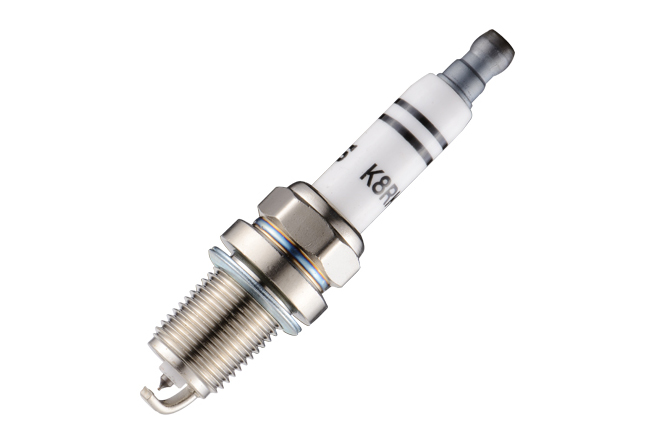
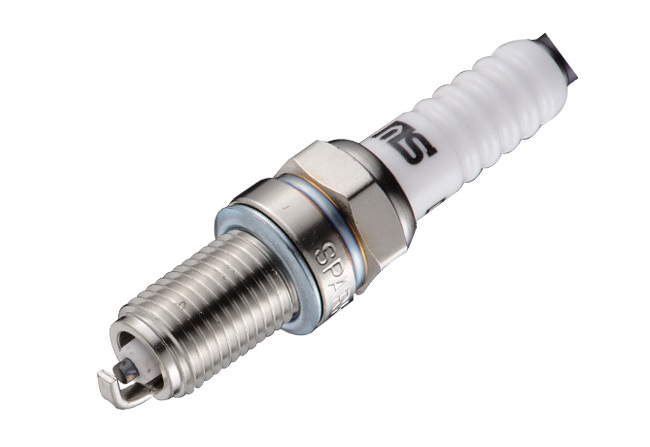

NINGBO MARSHAL AUTO PARTS CO., LTD. is a research and development, production and sales of professional manufacturers of spark plugs. Our company's spark plugs are mainly used in gasoline, natural gas and liquefied petroleum gas as fuel for all types of automobiles.
COPYRIGHT NINGBO MARSHAL AUTO PARTS CO., LTD. ALL RIGHTS RESERVED. Custom Spark Plugs Manufacturers OEM Spark Plugs Suppliers


 English
 中文简体
中文简体