As a crucial engine component, industrial spark plugs play a vital role in igniting fuel and propelling machinery. Whether in automobiles, ships, or large machinery, spark plugs affect engine starting, efficiency, and stability. Over time, industrial spark plugs may experience performance degradation or failure, which not only impacts equipment operating efficiency but can also lead to equipment damage or malfunction.
This article will guide you through the various factors affecting industrial spark plug performance and provide effective solutions to help you extend spark plug life and improve equipment operating efficiency.
Content
The material of an industrial spark plug directly affects its durability, thermal conductivity, and ignition efficiency. Common spark plug materials include copper, platinum, and iridium, each with different performance characteristics.
| Material | Advantages | Disadvantages |
| Copper | Good conductivity, low cost | Shorter lifespan, prone to wear |
| Platinum | High temperature resistance, long lifespan | High cost, relatively poor corrosion resistance |
| Iridium | Longest lifespan, high temperature resistance, corrosion resistant | High cost, expensive |
Copper Spark Plugs: While copper spark plugs offer good conductivity, their durability is relatively poor, and they are susceptible to corrosion from high temperatures and gases. Therefore, they are suitable for equipment with lower performance requirements.
Platinum Spark Plugs: Compared to copper spark plugs, platinum spark plugs offer a longer service life and higher temperature resistance, but they are more expensive and suitable for demanding industrial equipment.
Iridium Spark Plugs: Iridium spark plugs offer extremely high durability, corrosion resistance, and good conductivity, making them suitable for high-performance industrial engines, especially in high-temperature environments.
Choosing the appropriate spark plug material is crucial for ensuring long-term stable performance.
The electrode gap refers to the distance between the center electrode and the ground electrode of the spark plug. The size of this gap directly affects the spark intensity and ignition efficiency. If the electrode gap is too large or too small, the spark plug will malfunction.
Too large gap: The spark intensity is weak, leading to incomplete combustion, increased emissions, and reduced engine efficiency.
Too small gap: The spark is too large, which may cause overheating and even damage the spark plug or engine.
Generally, the spark plug electrode gap should be adjusted according to the manufacturer's requirements. The appropriate gap range can usually be found in the engine manual. Regularly checking and adjusting the electrode gap is essential to maintaining the high efficiency of the spark plug.
The operating temperature of spark plugs is closely related to the engine temperature. Spark plugs need to operate within a suitable temperature range; excessively high or low operating temperatures can affect their performance.
Overheating: May cause spark plugs to overheat, melt, or burn, leading to spark plug failure. Overheating can also cause engine knocking, engine noise, and incomplete combustion.
Underheating: May cause carbon deposits or oil sludge to adhere to the spark plugs, reducing their ignition efficiency and causing starting difficulties or engine misfires.
The operating temperature of spark plugs is related to their material, design, and engine load. Choosing spark plugs with an appropriate operating temperature range can effectively improve engine performance and fuel efficiency.
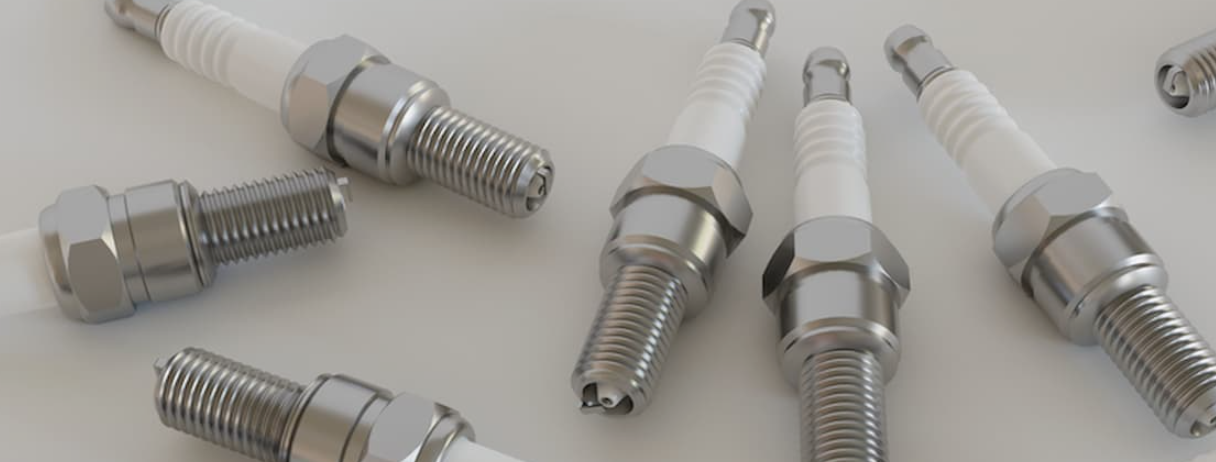
The quality of fuel directly affects spark plug performance. Low-quality fuel may contain more impurities, sludge, and moisture. These components can affect spark plug efficiency during combustion and may even cause carbon deposits or corrosion.
Low-quality fuel: Incomplete combustion leads to carbon buildup on spark plugs, resulting in decreased ignition efficiency.
High-quality fuel: Provides more complete combustion, reduces carbon buildup, and extends spark plug life.
Therefore, using high-quality fuel not only improves engine efficiency but also reduces damage to spark plugs.
Prolonged high-load use, excessive engine use, or improper operation can cause engine overheating, affecting spark plug performance. Spark plugs may be severely damaged under high-temperature, heavy-load operating conditions.
Overload Operation: Prolonged high-load operation generates more heat in the engine, and overheating can damage spark plugs and even engine damage.
Frequent Starts and Stops: Frequent starts and stops can also cause unstable spark plug operation, affecting ignition efficiency.
Avoiding improper operation and excessive use, and properly managing equipment workload, can reduce the risk of spark plug damage and ensure stable engine operation.
Spark plugs easily accumulate carbon deposits, oil, and other impurities during use, especially under conditions of low-quality fuel or improper engine operation, which exacerbates carbon buildup. Carbon deposits affect spark plug ignition performance, leading to difficulty starting the engine or reduced power.
Carbon Deposit Removal: Regularly cleaning carbon deposits from spark plugs and keeping the electrodes clean can improve spark plug ignition efficiency.
Preventing Excessive Carbon Deposits: Using suitable fuel and avoiding overly rich fuel mixtures helps reduce carbon deposit formation.
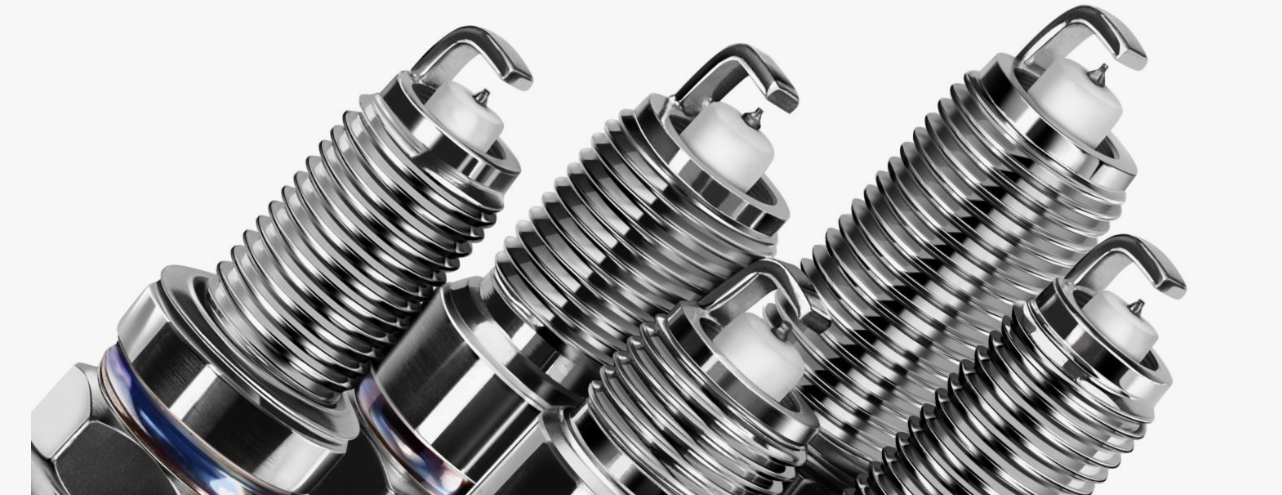
Spark plug performance is also affected by external environmental factors. Climate, temperature, humidity, and dust all affect spark plug efficiency.
Cold Climate: In low-temperature environments, spark plugs need to provide sufficient heat to maintain combustion efficiency; otherwise, ignition may be difficult.
Moisture: Humid environments increase current loss between the electrodes, thus affecting ignition performance.
Therefore, selecting spark plugs suitable for the operating environment and providing appropriate protection for them can improve their operational stability in extreme environments.
Proper installation and regular maintenance are crucial for maintaining spark plug performance. During installation, ensure the spark plug makes tight contact with the engine to avoid incomplete ignition or spark plug damage due to improper installation. Furthermore, regularly checking spark plug wear and promptly replacing aged or damaged spark plugs can prevent more serious equipment failures.
The performance of industrial spark plugs is affected by multiple factors, including material, operating temperature, electrode gap, fuel quality, environmental factors, and equipment usage. Understanding these influencing factors and taking appropriate preventative measures is essential to ensure the long-term stable operation of industrial spark plugs. Regularly inspecting, cleaning, and replacing spark plugs, selecting suitable spark plug materials and specifications, and optimizing fuel quality can improve spark plug efficiency and extend equipment lifespan.
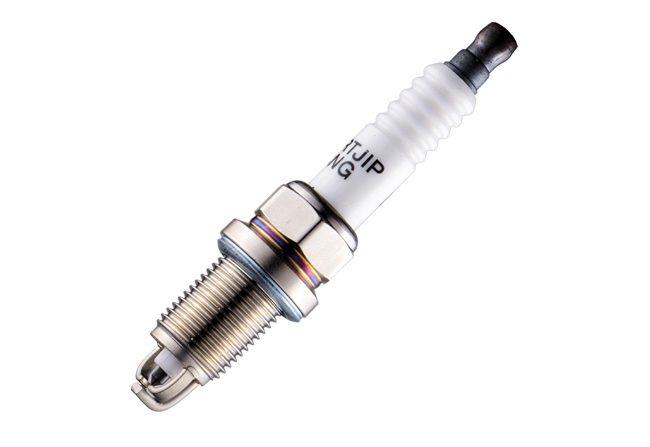
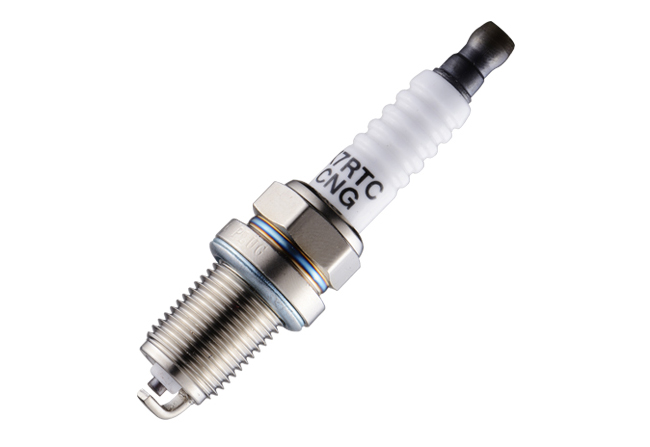
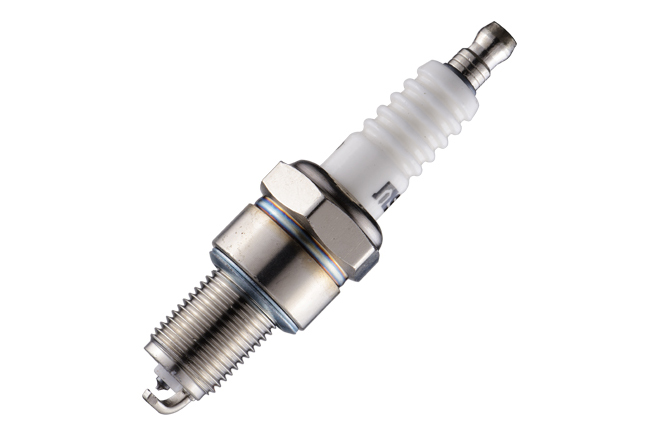
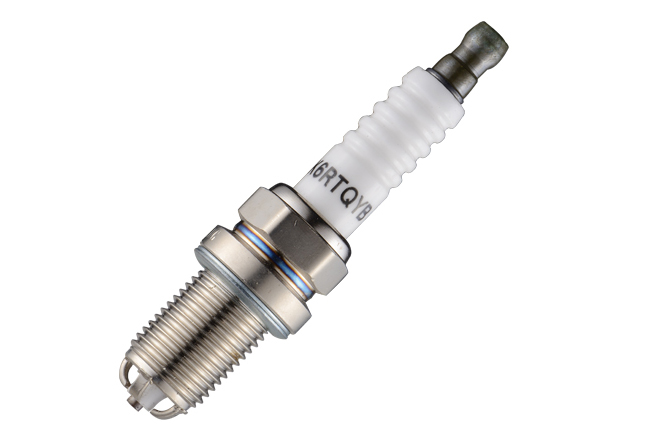
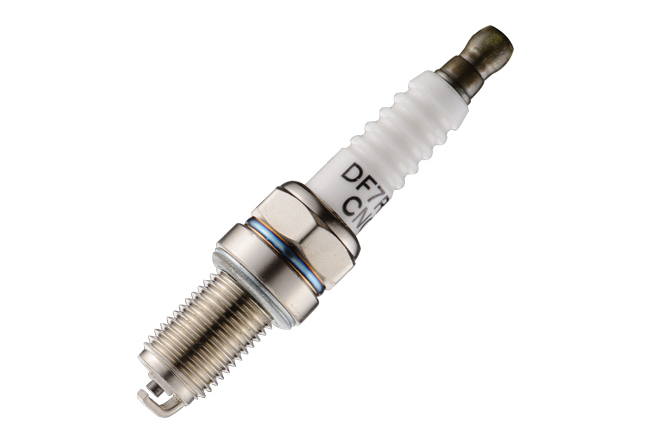
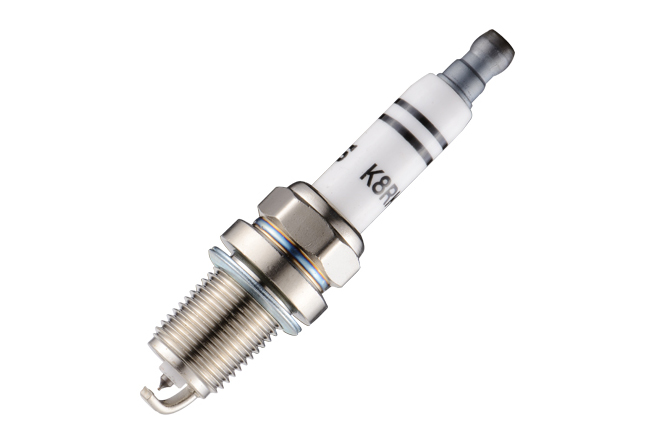
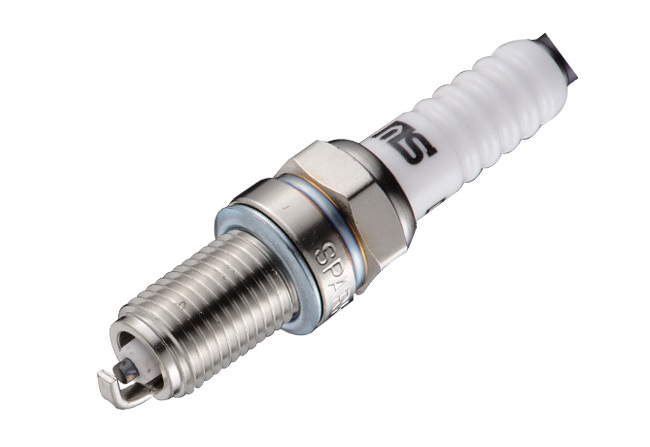
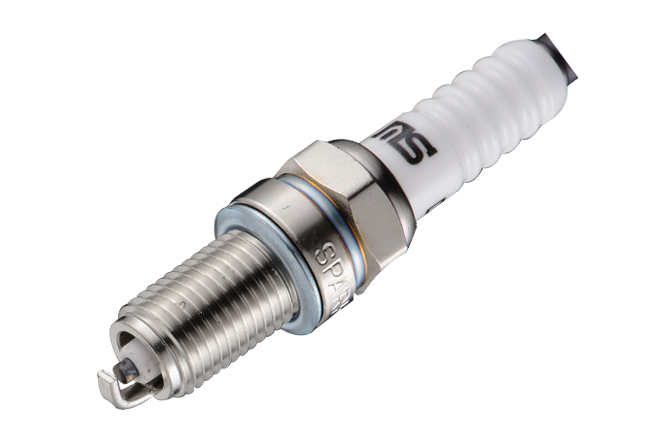

NINGBO MARSHAL AUTO PARTS CO., LTD. is a research and development, production and sales of professional manufacturers of spark plugs. Our company's spark plugs are mainly used in gasoline, natural gas and liquefied petroleum gas as fuel for all types of automobiles.
COPYRIGHT NINGBO MARSHAL AUTO PARTS CO., LTD. ALL RIGHTS RESERVED. Custom Spark Plugs Manufacturers OEM Spark Plugs Suppliers


 English
 中文简体
中文简体