Content
Worn Spark Plugs that are not replaced on schedule will gradually cause rough idling, reduced fuel efficiency, weaker acceleration, engine misfires, and in more advanced cases, damage to related ignition components such as the ignition coil or catalytic converter. The electrode gap widens as the plug ages, which makes it harder to produce a strong and consistent spark, and this decline tends to happen gradually rather than all at once, which is why many drivers do not notice the problem until performance has already dropped noticeably. The sections below explain the specific symptoms, the reasons behind spark plug wear, and how to decide when replacement is needed.
Spark plug condition has a direct link to combustion efficiency, so delayed replacement affects nearly every part of how an engine runs day to day.

Before a spark plug fails completely, it usually shows several warning signs. Recognizing these symptoms early can prevent further strain on the ignition system and help maintain steady fuel consumption.
As the electrode wears down, the gap between the center and ground electrode increases beyond the manufacturer specification. A wider gap requires more voltage to jump the gap and ignite the air fuel mixture, which puts additional strain on the ignition coil and reduces spark consistency across cylinders.
Performance does not drop suddenly. It tends to decline gradually as electrode wear increases with mileage, which is one reason drivers often underestimate how much a worn set of plugs is affecting the vehicle.
General Pattern of Ignition Efficiency Decline With Mileage
Conceptual illustration of ignition efficiency trending downward as electrode wear accumulates.
Once a plug passes well beyond its intended service interval, misfires become more frequent, and the vehicle may enter a noticeably rougher running state under acceleration or at highway speed.
Spark plugs fail or discolor for several different reasons, and the appearance of the tip often gives a useful clue about what is happening inside the combustion chamber. A plug that appears black and sooty typically points to a different issue than one that appears oily or heavily eroded.
Relative Frequency of Common Spark Plug Problems
General comparison of how often each issue is typically observed during inspection.
Service life varies depending on the electrode material used. Iridium spark plugs generally last longer than standard copper plugs due to the hardness and heat resistance of the electrode material, while copper plugs typically need more frequent replacement.
| Electrode Material | Typical Characteristics | Relative Service Life |
| Copper | Strong conductivity, softer material | Shorter |
| Platinum | Improved durability over copper | Moderate |
| Iridium | High hardness and heat resistance | Longer |
Actual replacement intervals should always follow the vehicle manufacturer recommendation found in the owner manual, since driving conditions, engine type, and fuel quality also influence how quickly a plug wears.
A basic visual and functional check can help confirm whether a spark plug needs replacement before committing to a full service.
A plug that shows a wide uneven gap, heavy deposits, or visible cracking in the insulator should be replaced rather than reused, since these conditions generally do not improve with cleaning alone.
Choosing between standard, platinum, and iridium spark plugs depends on driving habits, engine type, and how long the owner intends to go between services. The radar comparison below outlines general characteristics across common evaluation categories.
General Characteristic Comparison Across Spark Plug Types
Blue shape represents iridium plugs, purple shape represents standard copper plugs, based on general material characteristics.
Continuing to drive on badly worn car spark plugs can gradually place extra strain on other ignition system components. The chart below outlines a general severity comparison across common risks associated with prolonged delay.
General Risk Severity Comparison for Delayed Replacement
Illustrative comparison of how commonly each issue develops as replacement is delayed further.
Ningbo Marshal Auto Parts Co., Ltd. is a research, development, production, and sales focused manufacturer of automotive spark plugs, with products designed for gasoline, natural gas, and liquefied petroleum gas fuel systems across a wide range of vehicle types.
1992
Year Founded
70000 m2
Plant Area
199
Employees
1.2 Billion
Pieces Annual Output
As a dedicated spark plug manufacturer, the company operates its own ceramic insulator production, giving direct control over insulator density, dielectric strength, and nose thickness, which supports consistent performance across product lines. Electrode materials are engineered for conductivity, heat resistance, heat dissipation, and resistance to ablation, while shell materials are developed for improved toughness and hardness to support long term reliability.
As a long term spark plug supplier and automotive spark plug manufacturer, the company continues refining its engineering and manufacturing processes to support consistent product performance across gasoline and alternative fuel applications.

Q1. What causes spark plug failure
Spark plug failure is commonly caused by normal electrode wear over time, carbon or oil fouling, an incorrect heat range for the engine, or a loose installation that affects consistent contact and sealing.
Q2. Why are my spark plugs black
A black and sooty appearance usually points to carbon fouling, which can result from a rich fuel mixture, a dirty air filter, or frequent short trips that do not allow the engine to reach full operating temperature.
Q3. How long do spark plugs last
Service life depends on the electrode material, with iridium plugs generally lasting longer than platinum or copper plugs. The exact interval should follow the recommendation in the vehicle owner manual.
Q4. How to test spark plugs
Testing involves removing the plug, inspecting the electrode tip for wear or deposits, checking the gap against specification, and examining the ceramic insulator for cracks before deciding on replacement.
Q5. What spark plugs do I need
The correct spark plug depends on the vehicle engine type, fuel system, and manufacturer specification. Checking the owner manual or consulting a qualified technician helps confirm the right fit.
Q6. Can you keep driving with a worn spark plug
Driving is often still possible with a worn plug, but performance issues such as misfires, reduced power, and higher fuel consumption tend to increase the longer replacement is delayed.
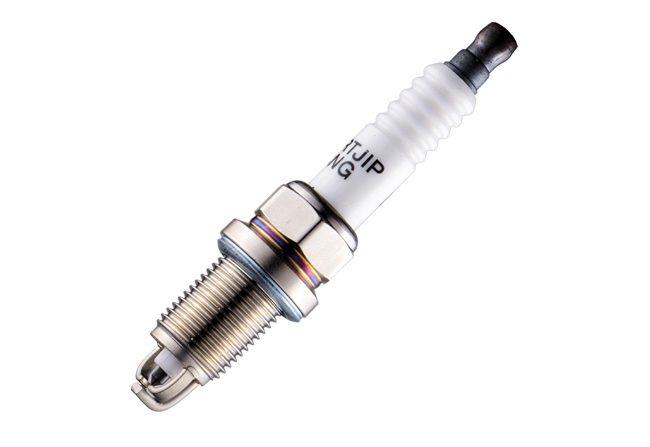
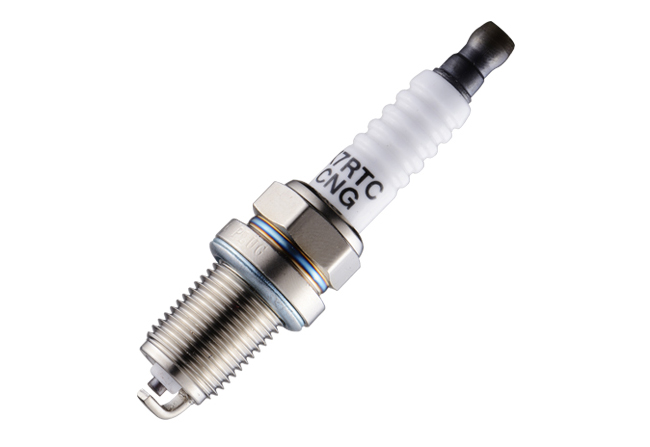
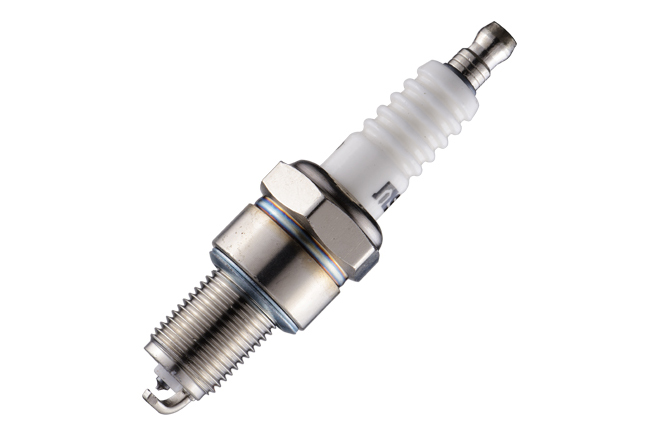
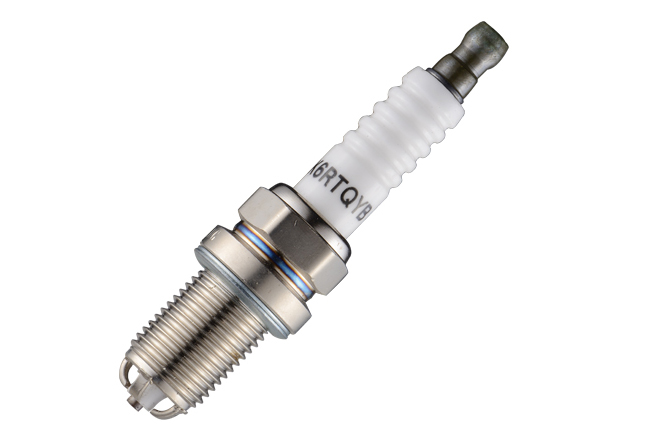
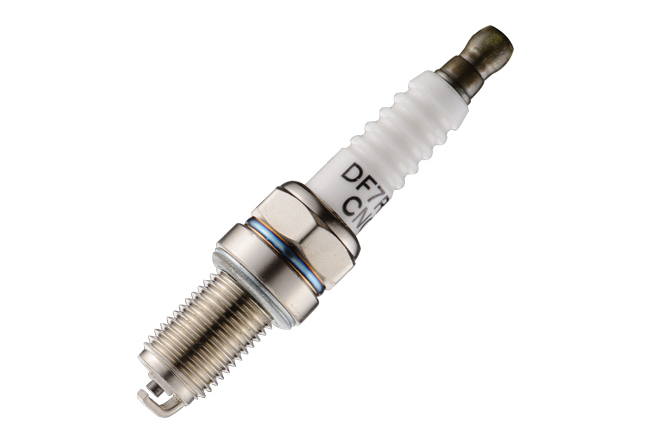
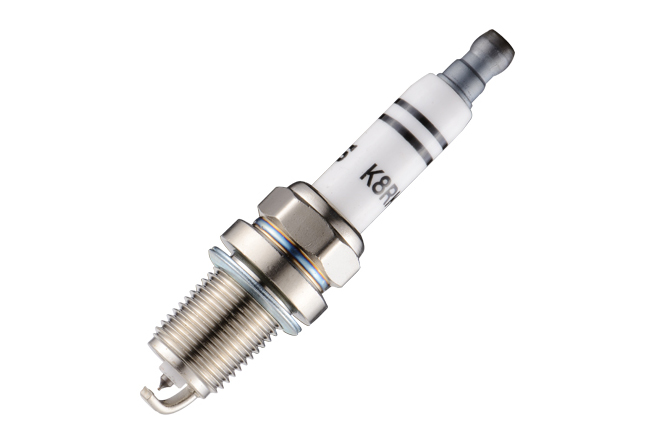
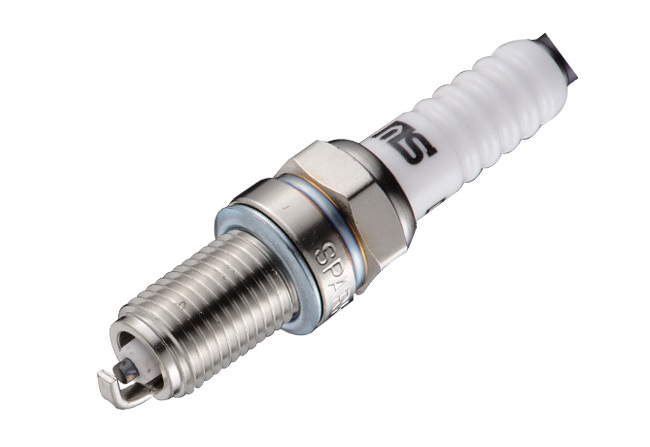

NINGBO MARSHAL AUTO PARTS CO., LTD. is a research and development, production and sales of professional manufacturers of spark plugs. Our company's spark plugs are mainly used in gasoline, natural gas and liquefied petroleum gas as fuel for all types of automobiles.
COPYRIGHT NINGBO MARSHAL AUTO PARTS CO., LTD. ALL RIGHTS RESERVED. Custom Spark Plugs Manufacturers OEM Spark Plugs Suppliers


 English
 中文简体
中文简体