Content
A spark plug's primary function is to deliver the electrical spark that ignites the compressed air-fuel mixture inside an engine's combustion chamber, converting electrical energy into the thermal energy needed to start combustion. Beyond ignition, a spark plug also performs a secondary but equally important role: it conducts heat away from the combustion chamber through its insulator and shell, a process commonly referred to as heat range behavior. A third function is sealing, since the spark plug's shell threads into the cylinder head and must maintain a gas-tight seal against combustion pressure.
Understanding what a spark plug does helps explain why heat range, electrode material, and gap size all matter for engine performance, fuel efficiency, and long-term reliability. The sections below cover how a spark plug works, how to match heat range to engine usage, how electrode materials affect service life, and how to read spark plug tip condition to diagnose combustion issues.
When asking what are the spark plugs actually doing at the mechanical level, the process starts with the ignition coil sending a high-voltage pulse to the spark plug's center electrode. This voltage jumps across the gap to the ground electrode, creating a spark that ignites the compressed air-fuel mixture. The resulting combustion pushes the piston down, and this cycle repeats thousands of times per minute depending on engine RPM. The spark plug tip, where the electrodes meet, experiences the most extreme conditions in the entire assembly, including peak combustion temperatures and constant electrical erosion.
| Part | Function |
|---|---|
| Center electrode | Carries voltage from the ignition coil to the spark gap |
| Ground electrode | Completes the circuit, forming the gap where the spark jumps |
| Insulator | Prevents voltage leakage and helps regulate heat transfer |
| Metal shell | Threads into the cylinder head and conducts heat to the engine |
| Spark gap | The precise distance the spark must jump to ignite the mixture |
Heat range describes how quickly a spark plug transfers heat away from its tip into the cylinder head, and it is one of the most misunderstood specifications among vehicle owners comparing a cold spark plug vs hot spark plug. A hot spark plug has a longer insulator nose, which slows heat transfer and keeps the tip hotter, helping it burn off deposits during low-speed or short-trip driving. A cold spark plug has a shorter insulator nose, transferring heat away more quickly, which helps prevent pre-ignition spark plug conditions during sustained high-load or high-RPM operation. Spark plug cooling is affected by spark plug insulator nose length, electrode mass, and how much of the plug's tip is exposed directly to combustion gases.
This radar chart compares a hot spark plug, cold spark plug, and standard mid-range spark plug across six performance dimensions on a relative 0-10 scale, based on general heat range engineering behavior rather than a specific product line. The hot plug profile extends furthest on fouling resistance and cold-start reliability, which explains why it tends to suit short-trip or stop-and-go driving where the engine rarely reaches sustained high load. The cold plug profile extends furthest on heat dissipation and pre-ignition resistance, making it a common choice for high-RPM or continuous high-load use. The standard spark plug balances these characteristics and is the default recommendation for typical daily driving unless a vehicle manufacturer specifies otherwise.
Spark plug usage patterns should guide heat range selection as much as the engine specification itself. A sparkplug engine that primarily runs short trips and idles frequently benefits from a hotter heat range to avoid carbon fouling, while an engine used for sustained highway travel or performance driving benefits from a colder heat range to resist pre-ignition and detonation. Matching heat range to actual spark plug use, rather than defaulting to the hottest or coldest option available, tends to produce more consistent combustion and more predictable spark plug wear.
This horizontal bar chart illustrates the general tendency of heat range selection across four common usage patterns, moving from hotter on the left to colder on the right along a relative index. Short-trip and stop-and-go driving sits at the hotter end because the engine rarely reaches the sustained temperatures needed to self-clean the spark plug tip. Continuous high-load use, such as towing or extended high-RPM operation, sits at the colder end since it generates the most sustained combustion heat. Standard daily commuting falls near the middle, which is consistent with why most factory-specified spark plugs for everyday vehicles use a mid-range heat rating rather than an extreme hot or cold option.
Electrode material is the second major factor, after heat range, that determines how a spark plug performs over its service life. Copper-core electrodes conduct heat and electricity efficiently but wear faster because the copper core is covered by a comparatively soft nickel alloy tip. Platinum and iridium electrodes use a small precious-metal tip fused onto the electrode, which resists electrical erosion far longer and allows manufacturers to use a thinner center electrode, a common feature of high performance spark plugs designed for more precise ignition.
This line chart shows a relative, illustrative firing voltage requirement index as mileage accumulates, comparing copper, platinum, and iridium electrodes. Firing voltage requirement tends to climb as the spark gap widens through normal electrical erosion, and the copper line climbs fastest because its softer tip erodes more quickly under repeated sparking. The platinum line climbs at a moderate rate, reflecting its harder, more erosion-resistant tip. The iridium line stays comparatively flat across the same mileage range, which is a key reason iridium spark plugs are commonly associated with extended service intervals in modern engines.
This column chart presents commonly cited reference ranges for spark plug service intervals by electrode material; actual intervals vary by vehicle manufacturer recommendation, driving conditions, and engine design, so a vehicle's owner manual should always take priority. Copper spark plugs generally sit at the shorter end of the range and are typically favored for their electrical conductivity in certain applications despite more frequent replacement needs. Platinum spark plugs roughly double or triple the typical copper interval in many reference sources. Iridium spark plugs, because of the tip material's hardness and erosion resistance, are commonly associated with the longest reference intervals among the three materials shown here.
A spark plug colour chart 4 stroke mechanics commonly reference can help diagnose combustion issues by examining the tip after removing the plug from a warmed engine. Reading spark plug conditions this way is one of the most direct diagnostic tools available without specialized equipment, since the tip records a visual history of recent combustion events. The table below summarizes common tip appearances, what they typically indicate, and a general next step, functioning as a practical spark plug burn chart reference.
| Tip Appearance | Likely Condition | Common Cause | Suggested Next Step |
|---|---|---|---|
| Light tan / grayish-tan | Normal combustion | Correct air-fuel ratio and heat range | No action needed; continue routine inspection |
| Black, dry, sooty | Rich mixture / carbon fouling | Spark plug rich vs lean imbalance toward rich, excess idling, wrong heat range | Check fuel mixture, ignition timing, and air filter |
| Black and wet or oily | Oil fouling | Worn piston rings, valve seals, or oil entering the chamber | Inspect oil consumption and internal engine wear |
| White or blistered | Lean mixture or pre-ignition spark plug risk | Lean air-fuel ratio, plug too hot, over-advanced timing | Check heat range suitability and ignition timing |
| Yellow-green glazing | Overheating / glazed deposits | Sustained high temperature, heat range too hot for the load | Reassess heat range against actual driving conditions |
Burning spark patterns that lean toward white or blistered deposits deserve particular attention, since they can signal a pre-ignition spark plug condition that, left unaddressed, may affect engine components beyond the spark plug itself. Consistent light tan coloring across all cylinders is generally the reference point for normal combustion, and any cylinder that looks noticeably different from the others is often the more useful diagnostic clue than the color in isolation.
A failing spark plug rarely fails without warning; it typically produces a combination of symptoms that build gradually as the electrode erodes and the gap widens beyond the recommended spark plug standard for the vehicle. Common symptoms include rough idle, hesitation during acceleration, occasional misfires under load, and increased fuel consumption because the engine control unit compensates for inconsistent combustion. Reduced fuel economy is one of the more measurable effects of worn spark plugs, since incomplete combustion wastes fuel that would otherwise contribute to engine output.
When sourcing OEM spark plugs, custom spark plugs, or bulk spark plugs for a fleet or distribution business, the manufacturing process behind the product matters as much as the specification sheet. Useful evaluation points for any spark plug manufacturer or spark plug supplier include ceramic insulator production capability, electrode material testing, shell metallurgy, compliance certifications, and laboratory testing coverage across the manufacturing process.
Ningbo Marshal Auto Parts Co., Ltd. operates as a spark plug factory and spark plug company with 30 years of development and reverse engineering experience supporting its engineering and manufacturing capabilities. Its electrodes have passed TUV testing and conform to RoHS and REACH requirements, and high-strength insulators are produced using 360-degree continuous laser technology, a process aimed at consistent insulator quality across production batches.
The company operates its own ceramic factory, where ceramic insulators are completely self-produced with a focus on high insulator density, improved dielectric strength, and a thickened insulator nose design intended to support modern engine requirements. Electrodes are engineered for electrical conductivity, heat resistance, heat dissipation, and ablation resistance, while shells are developed for malleability, toughness, and hardness to help reduce shell breakage and support heat dissipation, all relevant considerations for a spark plug supplier serving OEM spark plugs and custom spark plugs programs.
On the testing side, the company's laboratory complies with and implements 17 international and national spark plug industry test standards, alongside more than 34 internally developed supporting-level tests, with process inspection coverage extending across control points throughout manufacturing. The company holds quality management system certification and has obtained design patent and utility model patent certificates for select spark plug products, which are relevant reference points for buyers evaluating wholesale spark plugs or bulk spark plugs programs that require documented manufacturing consistency.
Whether sourcing a single replacement set or evaluating a spark plug manufacturer for a bulk spark plugs or wholesale spark plugs program, the following checklist covers the main specification points to confirm before finalizing an order.
A spark plug ignites the compressed air-fuel mixture in the combustion chamber and helps manage heat transfer away from its tip during engine operation.
Replacement intervals vary by electrode material and vehicle design, so the manufacturer's owner manual is the most reliable reference for a specific vehicle.
Common indicators include rough idle, hesitation during acceleration, occasional misfires, and reduced fuel economy compared to normal driving.
There is no single material that fits every situation; copper suits certain applications, while platinum and iridium generally offer longer service intervals.
Yes, worn or fouled spark plugs cause incomplete combustion, which typically increases fuel consumption as the engine compensates for inconsistent ignition.
Typical symptoms include rough idle, acceleration hesitation, misfires under load, harder cold starts, and a noticeable drop in fuel economy.
Reference sources commonly cite a longer service interval for iridium spark plugs than copper or platinum, though the exact figure depends on the vehicle and driving conditions.
Match heat range to driving conditions, confirm thread size and gap against the engine specification, and select an electrode material suited to the desired service interval.
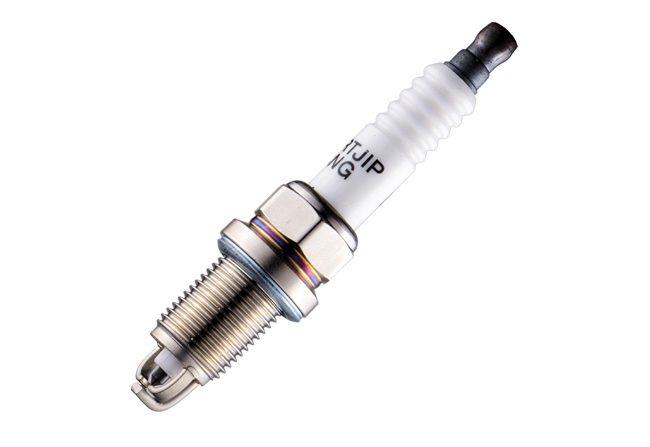
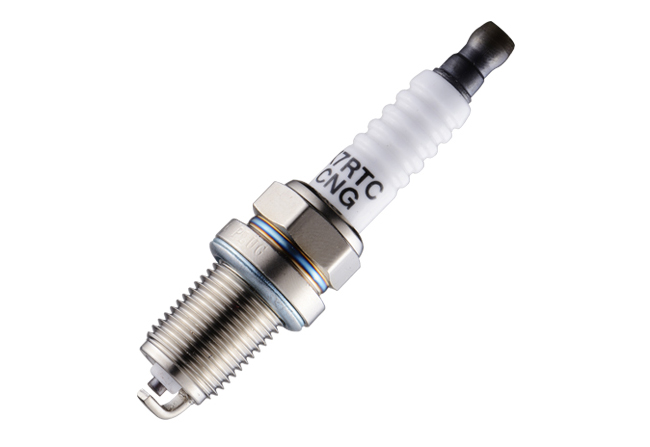
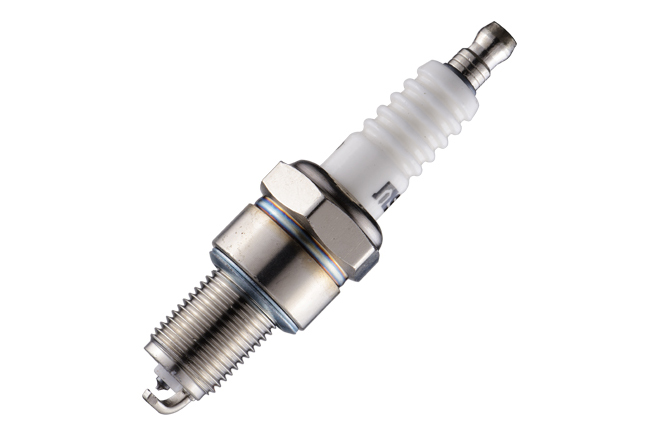
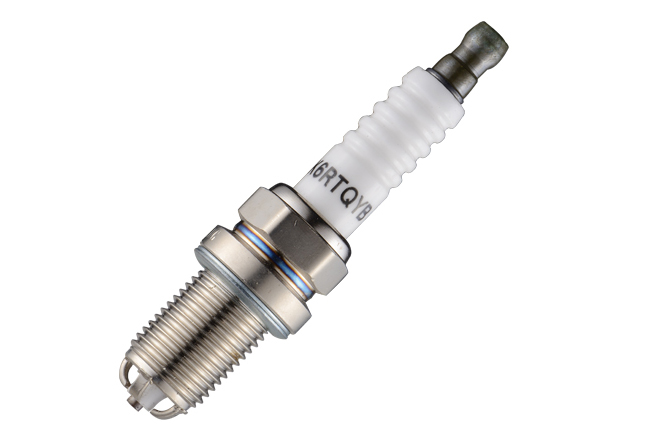
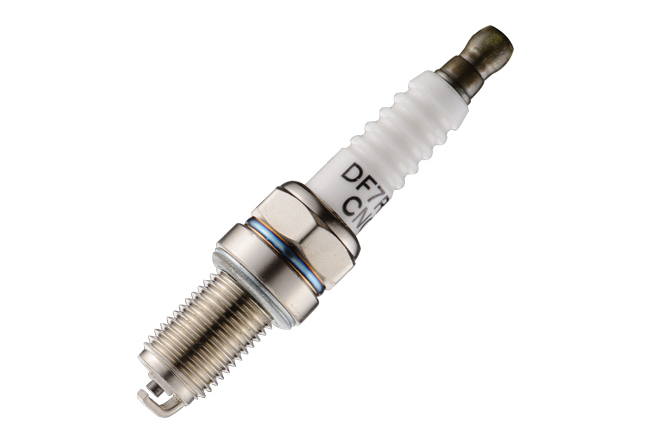
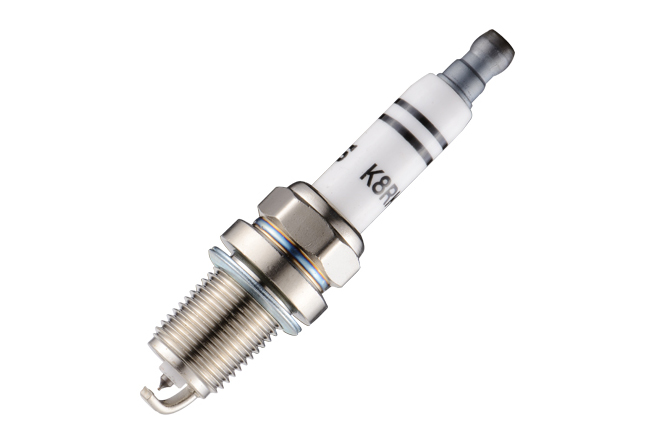
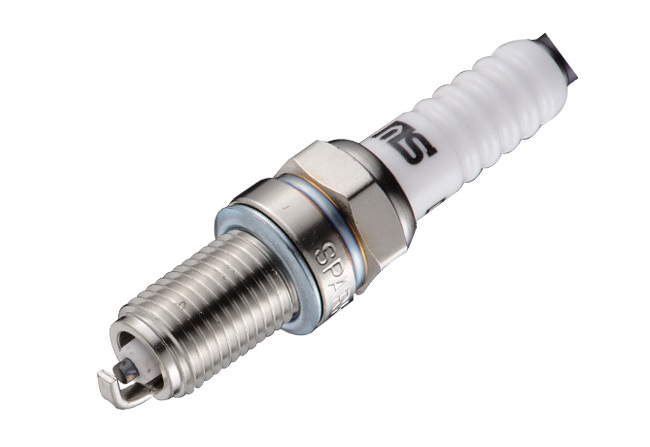

NINGBO MARSHAL AUTO PARTS CO., LTD. is a research and development, production and sales of professional manufacturers of spark plugs. Our company's spark plugs are mainly used in gasoline, natural gas and liquefied petroleum gas as fuel for all types of automobiles.
COPYRIGHT NINGBO MARSHAL AUTO PARTS CO., LTD. ALL RIGHTS RESERVED. Custom Spark Plugs Manufacturers OEM Spark Plugs Suppliers


 English
 中文简体
中文简体