In the daily operation of marine engines, spark plugs, as the core component of the ignition system, are crucial to engine performance and fuel efficiency. However, in practical use, many boat owners encounter problems with poor ignition in marine spark plugs. This not only leads to difficulty starting the engine but can also increase fuel consumption, reduce power, and even pose safety hazards.
This article will guide you through the methods for addressing poor ignition in marine spark plugs, covering ignition principles, common causes, troubleshooting methods, and solutions.
Content
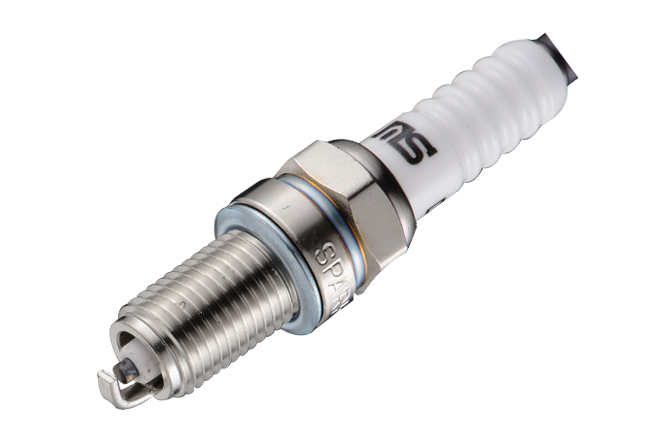
Marine spark plugs are primarily used to ignite the fuel-air mixture in the engine cylinder. Their working principle includes the following steps:
Current conduction: The high-voltage ignition wire transmits current to the spark plug.
Arc generation: The spark plug generates a high-temperature electric arc between the electrodes, igniting the air-fuel mixture in the cylinder.
Engine combustion: The pressure generated by combustion drives the piston movement, thereby powering the marine engine.
Therefore, the condition of the spark plug directly affects the engine's ignition efficiency and power output.
The causes of poor ignition in marine spark plugs can generally be divided into three categories: mechanical failure, electrical failure, and environmental factors. The following are the main factors:
Carbon buildup or oil fouling on the spark plug
Long-term use or poor fuel quality can lead to carbon buildup on the spark plug electrodes, reducing spark intensity.
Incorrect spark plug gap
A gap that is too large or too small will lead to an unstable electric arc, affecting ignition efficiency.
Aging ignition coil or cable
High-voltage line loss, damaged cables, or poor contact can prevent current from being effectively transmitted to the spark plug.
Incorrect ignition timing
Engine ignition timing deviations can lead to incomplete spark plug ignition, affecting engine power.
Moisture or salt spray intrusion
When ships operate at sea, moisture and salt spray can easily cause short circuits or corrosion on the spark plug surface.
Engine fuel problems
Poor quality or impure fuel can lead to incomplete combustion, causing carbon buildup or sludge on the spark plug.
When poor ignition is detected in marine spark plugs, the following steps can be taken for troubleshooting:
| Inspection Item | Check Method | Common Issues | Solution |
| Spark Plug Appearance | Remove and inspect the spark plug | Carbon buildup, oil deposits, wear | Clean or replace the spark plug |
| Spark Plug Gap | Measure with a feeler gauge | Gap too large or too small | Adjust to manufacturer’s recommended specification |
| High-Voltage Wire | Inspect insulation and connections | Damage, poor contact | Replace or repair the high-voltage wire |
| Ignition Coil | Measure resistance or test directly | Insufficient voltage output | Replace or repair the ignition coil |
| Engine Fuel | Check fuel filter and fuel quality | Contaminated or poor-quality fuel | Replace with high-quality fuel and clean the fuel system |
| Environmental Factors | Check cabin humidity and salt exposure | Moisture intrusion, salt corrosion | Clean, dry, and install protective covers |
Systematic troubleshooting can quickly pinpoint the cause of poor ignition, providing a basis for subsequent solutions.
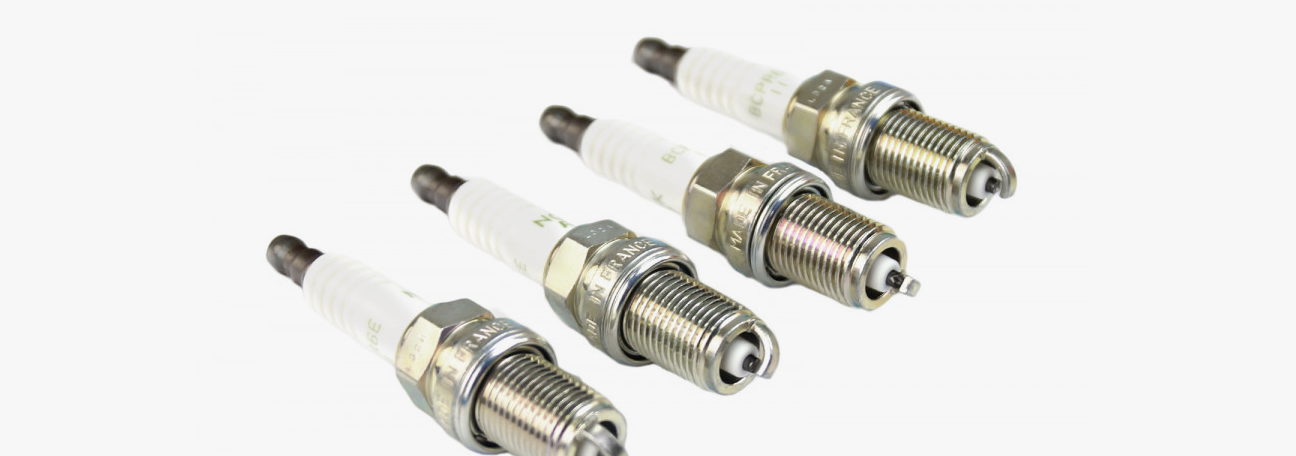
Clean or Replace Spark Plugs
For minor carbon buildup, the electrodes can be cleaned with a spark plug cleaning tool.
If the spark plug is aged, damaged, or the electrodes are severely corroded, it should be replaced promptly.
Adjust Spark Plug Gap
Use the manufacturer's recommended standard gap to ensure stable ignition.
Beginners can use a feeler gauge or professional tools for fine-tuning.
Check the Ignition System
Regularly check the high-voltage wires, ignition coils, and distributor; repair any damage or poor connections promptly.
Improve Fuel Quality
Choose high-quality fuel and regularly replace the fuel filter to reduce impurity deposition.
Moisture and Salt Protection
Install protective covers around the spark plugs and ignition system to prevent moisture and salt spray intrusion.
When the vessel is docked for extended periods, keep the engine compartment dry and conduct regular inspections.
Regular Maintenance and Servicing
Inspect the spark plugs every 50–100 hours of operation.
For multi-cylinder engines, inspect the spark plugs in each cylinder alternately to prevent localized failures from affecting overall performance.

To reduce the occurrence of poor ignition in spark plugs, boat owners and operators can take the following daily measures:
Regularly clean and replace spark plugs: Extend engine life and improve fuel efficiency.
Keep the ignition system dry: Prevent moisture and salt spray corrosion.
Use high-quality fuel and lubricants: Reduce carbon buildup and sludge formation.
Follow the manufacturer's recommended maintenance schedule: Regularly inspect the spark plugs and ignition system according to the manual.
Keep a maintenance log: Facilitate tracking of spark plug replacement cycles and common faults.
Poor ignition in marine spark plugs is a common problem in marine engines, but it can be effectively prevented and solved through systematic troubleshooting, regular maintenance, and scientific use. By taking the correct measures, marine spark plugs can not only ensure smooth engine ignition but also extend their service life and improve the overall performance of the vessel.
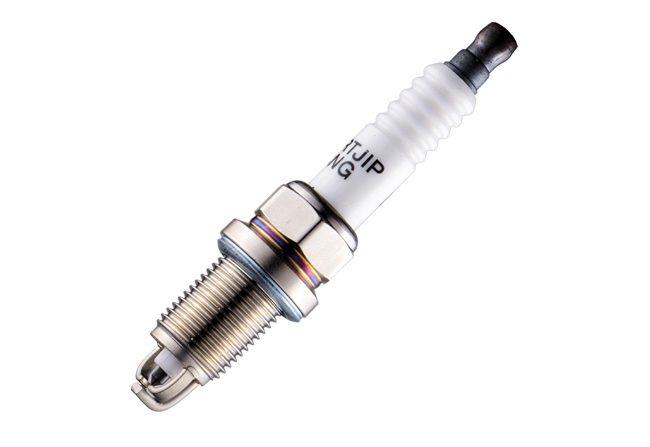
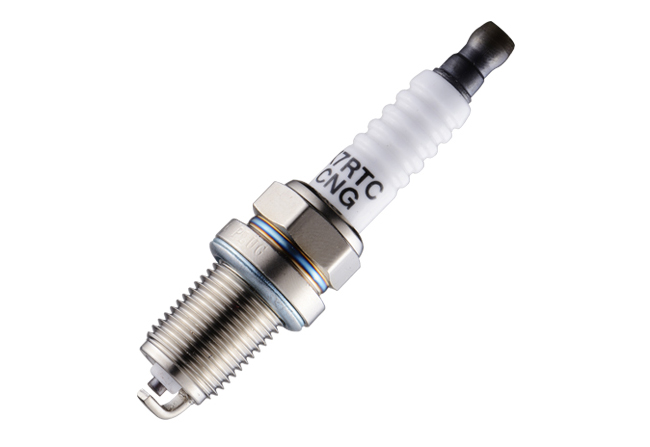
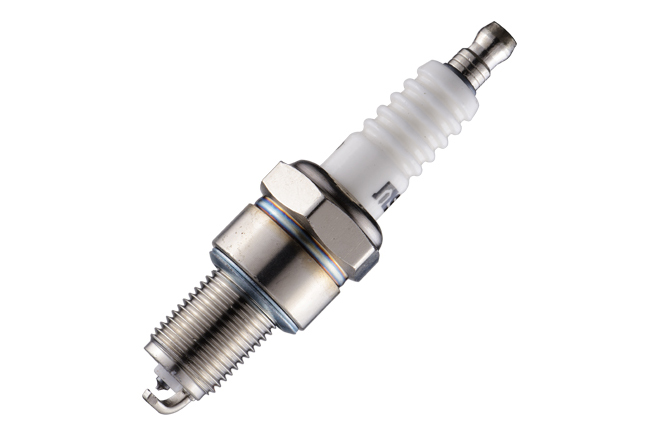
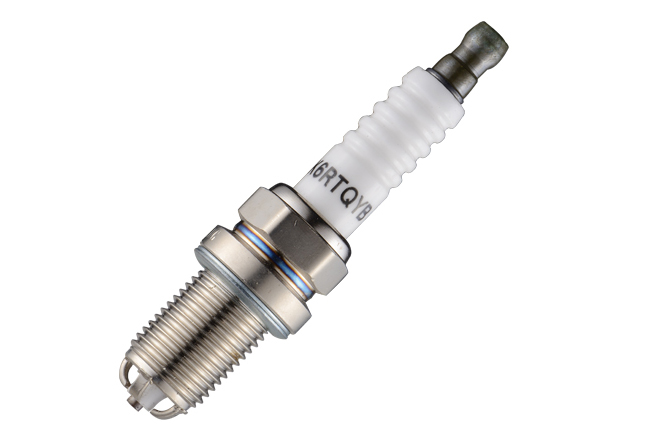
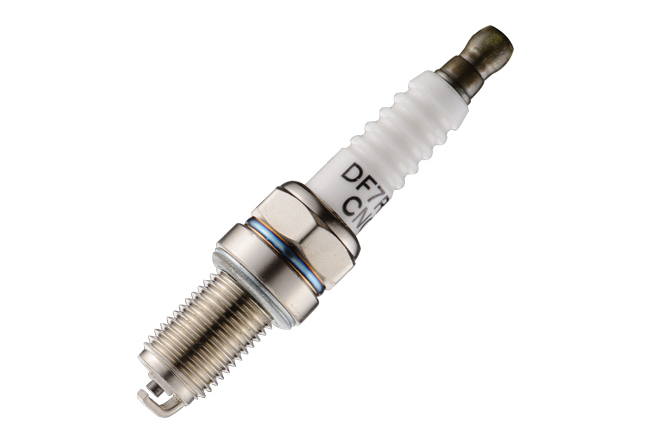
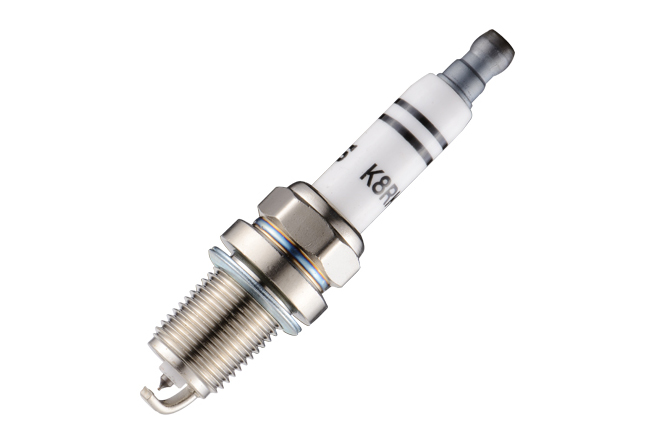
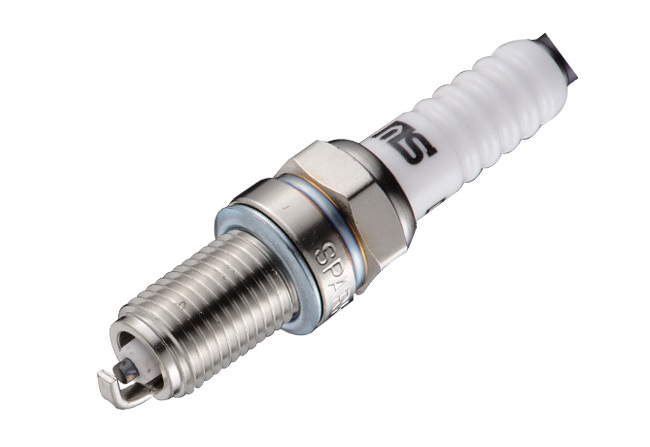

NINGBO MARSHAL AUTO PARTS CO., LTD. is a research and development, production and sales of professional manufacturers of spark plugs. Our company's spark plugs are mainly used in gasoline, natural gas and liquefied petroleum gas as fuel for all types of automobiles.
COPYRIGHT NINGBO MARSHAL AUTO PARTS CO., LTD. ALL RIGHTS RESERVED. Custom Spark Plugs Manufacturers OEM Spark Plugs Suppliers


 English
 中文简体
中文简体