Content
If the spark plugs are fouled or damaged, it can cause a range of problems, including increased fuel consumption, sluggish acceleration, engine misfires, and difficulty starting the engine.If your spark plugs are blackened, it usually indicates that there is an issue with your engine's combustion process. Blackened spark plugs are often caused by excessive fuel in the combustion chamber, incomplete combustion, or a malfunctioning component such as the fuel injectors. The first step is to diagnose and fix the root cause before replacing the spark plugs. Ignoring the issue could lead to engine misfires, poor fuel economy, and increased emissions.
One of the most common reasons for blackened spark plugs is an overly rich air-fuel mixture, where too much fuel is being injected into the combustion chamber. This can occur due to issues with the fuel injectors, air filter, or oxygen sensor. A mechanic should check the air-fuel ratio to ensure it is optimal.
Faulty or clogged fuel injectors can cause an imbalance in fuel delivery, leading to blackened spark plugs. Similarly, a dirty or clogged air filter can restrict airflow, making it difficult for the engine to burn fuel efficiently. Ensure your fuel injectors are clean and working properly, and replace the air filter if it's dirty.
If the spark plugs are severely blackened, they may need to be replaced. Over time, spark plugs can wear out or accumulate carbon deposits, leading to poor engine performance. Replacing spark plugs every 30,000 to 50,000 miles is recommended to keep your engine running smoothly.
Carbon buildup on the spark plug: Black, dry carbon buildup on the electrodes and insulator tip indicates severe carbon fouling. This can be caused by a dirty air filter, excessive low-speed driving, a rich fuel/air mixture, or excessive idling. You may consider replacing the spark plug with one that has a higher heat range (the higher the spark plug number, the higher the heat range).
Wet spark plug: A wet spark plug may be caused by engine flooding. Flooding occurs when the engine fails to ignite after multiple attempts to start it. You can clean the spark plug or wait for it to dry naturally.
Worn or broken electrodes: Electrode wear and corrosion are signs of an aging spark plug. The spark plug has been installed in the engine for too long and needs to be replaced. If the electrodes are broken or flattened, the wrong spark plug may have been installed. A spark plug that is too long can cause serious engine damage, while a spark plug that is too short can lead to increased fuel consumption and carbon buildup. Consult your owner's manual to ensure you are using the correct spark plugs for your vehicle.

Proper maintenance of your automotive spark plug can prevent future issues and extend their lifespan. Regular inspection and replacement are key to ensuring optimal performance from your engine. Here are some maintenance tips:
Inspect your spark plugs every 10,000 miles for signs of wear, deposits, or damage. Check the color and condition of the electrodes. If the electrodes are worn or the spark plug is fouled, replace them immediately.
Using the right type of spark plug for your engine is crucial. Always refer to your vehicle's owner manual for the correct spark plug specifications. Using incorrect spark plugs can lead to poor combustion and engine performance issues.
If your ignition timing is off, it can cause inefficient combustion, leading to deposits forming on the spark plugs. Regularly check and adjust the ignition timing as necessary to ensure optimal engine performance.
Regular engine maintenance is crucial to preventing problems with your spark plugs. Keep the engine clean, check for any leaks, and ensure that all components are functioning correctly to avoid excess fuel consumption and poor combustion.
Spark plugs can turn black due to an overly rich air-fuel mixture, excessive fuel injection, or inefficient combustion caused by faulty components.
Yes, blackened spark plugs can cause engine misfires because they prevent proper ignition, affecting the engine's performance.
It is recommended to replace spark plugs every 30,000 to 50,000 miles, depending on the vehicle and spark plug type.
In some cases, blackened spark plugs can be cleaned, but if the damage is severe or they are worn out, replacement is necessary.
Inspect the spark plugs for signs of wear, carbon buildup, or damage. If the electrodes are worn or fouled, it's time to replace them.
Ensure that your engine is properly maintained, including checking the air-fuel mixture, cleaning fuel injectors, and replacing air filters as needed.
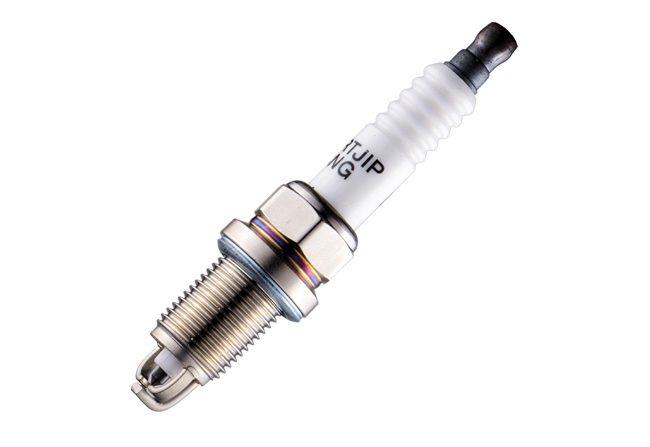
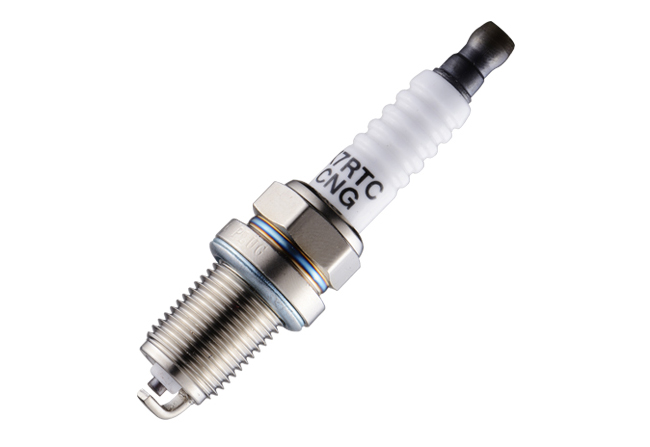
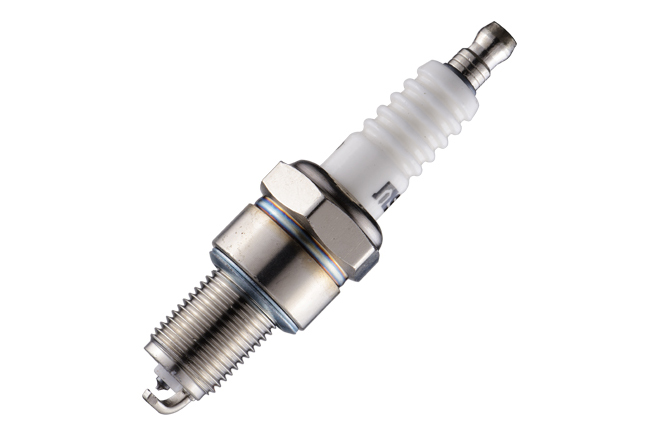
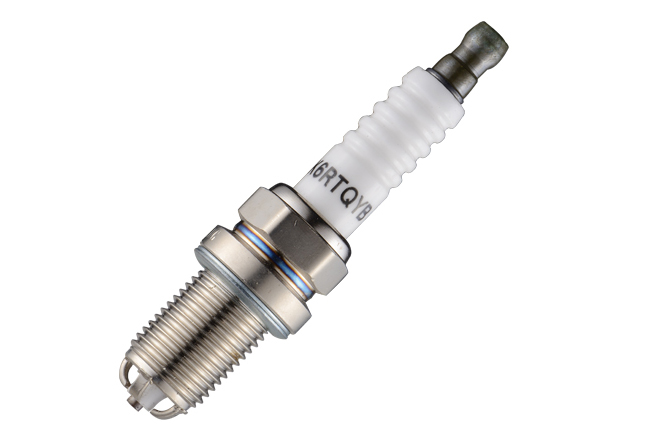
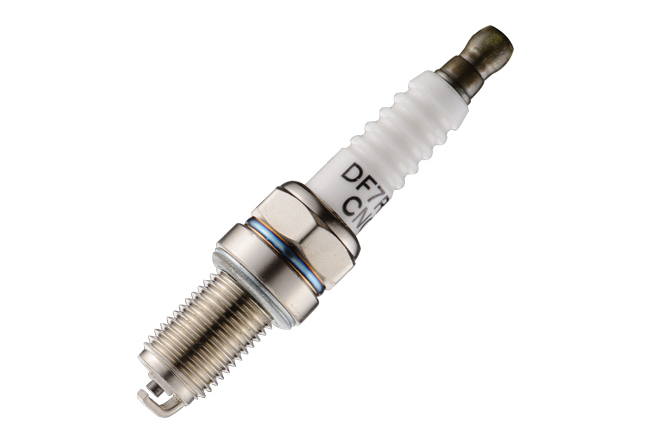
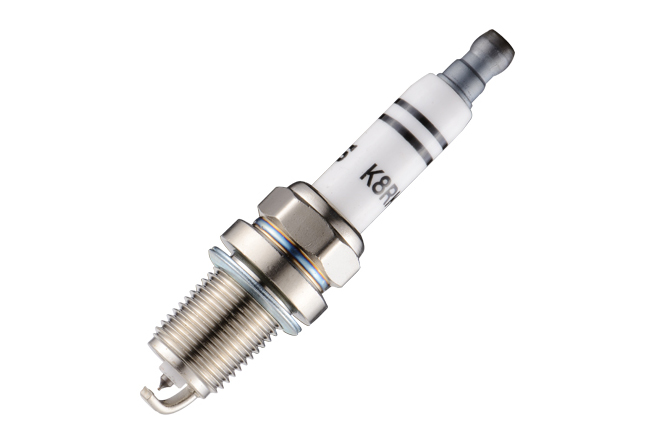
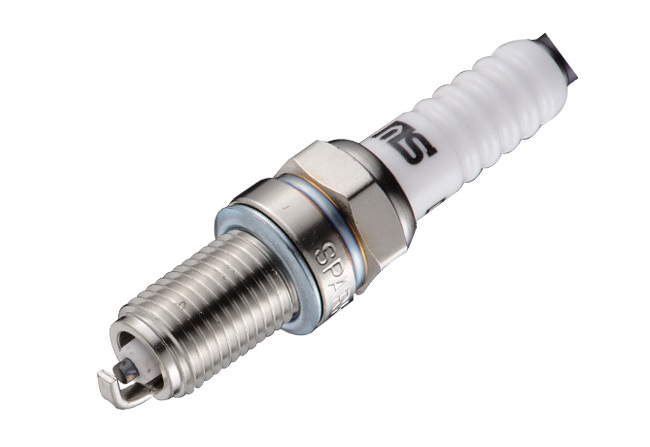

NINGBO MARSHAL AUTO PARTS CO., LTD. is a research and development, production and sales of professional manufacturers of spark plugs. Our company's spark plugs are mainly used in gasoline, natural gas and liquefied petroleum gas as fuel for all types of automobiles.
COPYRIGHT NINGBO MARSHAL AUTO PARTS CO., LTD. ALL RIGHTS RESERVED. Custom Spark Plugs Manufacturers OEM Spark Plugs Suppliers


 English
 中文简体
中文简体