Quick Answer
Black spark plugs are almost always a sign of carbon fouling or oil fouling caused by a rich fuel mixture, oil burning, or prolonged low-speed driving. The fix starts with identifying the root cause: if the plug is dry and sooty, the engine is running too rich; if it is wet and black, oil is entering the combustion chamber. Clean or replace the fouled spark plug, correct the underlying engine issue, and the problem will not return. Ignoring black spark plugs leads to engine misfires, reduced fuel efficiency, and potential engine damage.
Content
A healthy car engine spark plug should have a light tan or grayish-brown deposit on the electrode and insulator tip — the color of properly combusted fuel. When you pull a plug and find it covered in thick black residue, it is communicating a clear message: something in the combustion process is off, and the plug is not burning cleanly.
The black coloring comes from unburned carbon or oil deposits that accumulate on the electrode and insulator tip. These deposits act as electrical insulators themselves, weakening or entirely preventing the spark from jumping the gap. The result is a classic engine misfire spark plug issue — a condition where one or more cylinders fail to ignite their air-fuel charge reliably.
Fluffy, dry, matte-black carbon coating on the insulator tip. This is classic carbon fouling — the engine has been running a rich air-fuel mixture, meaning too much fuel and not enough air for complete combustion.
Shiny, wet black coating — often with visible oil film. Engine oil is entering the combustion chamber, either past worn piston rings, through valve stem seals, or via a leaking head gasket. This requires mechanical inspection beyond just replacing the plug.
Black, wet residue that smells strongly of gasoline. Raw fuel is reaching the spark plug without igniting — often due to a flooded engine, a leaking fuel injector, or repeated failed start attempts. The plug is wet with unburned fuel rather than oil.
Understanding what turned your automotive spark plug black is the critical first step. Replacing plugs without fixing the cause guarantees they will foul again within a short time. Here are the leading causes, in order of frequency:
The most frequent culprit. A rich mixture — typically caused by a faulty oxygen sensor, a stuck-open fuel injector, a malfunctioning mass airflow (MAF) sensor, or a clogged air filter — delivers more fuel than the engine can combust. The excess fuel leaves behind carbon deposits. Studies of carbon fouling in gasoline engines show that operating at air-fuel ratios richer than 12.5:1 (compared to the stoichiometric ideal of 14.7:1) increases carbon deposit accumulation rates by more than 300%.
Spark plugs reach their self-cleaning temperature — around 450°C (842°F) — only when the engine is under sufficient load and running at normal operating temperature. Frequent short trips, constant city idling, or stop-and-go commuting keeps combustion temperatures too low to burn off deposits. Over time, carbon builds up on the electrode and insulator tip. This is why copper core spark plugs are often recommended for low-load, low-temperature applications — their higher thermal conductivity helps manage deposits in these conditions.
Worn piston rings allow engine oil to slip past the pistons into the combustion chamber. Deteriorated valve stem seals let oil migrate down the intake or exhaust valves. In both cases, oil is burned alongside the fuel, leaving a dark, wet, oily coating on the plug. A quick diagnostic check: if your engine is consuming more than 1 quart of oil every 3,000 miles, oil fouling of the plugs is likely contributing to your misfire or rough idle symptoms.
Each engine application requires a spark plug with a specific heat range — a measure of how quickly the plug transfers heat away from its tip. Install a plug that runs too "cold" (transfers heat too quickly), and the tip temperature stays below the self-cleaning threshold, allowing carbon to build up. This is a common issue when owners fit performance car spark plugs with a colder heat range into a stock, low-load engine without the high combustion temperatures that would normally keep them clean.
A weak ignition coil, worn ignition wires, or a degraded distributor cap can reduce spark energy below the level needed to reliably ignite the air-fuel mixture. Incomplete combustion events produce partially burned fuel residue that coats the plug black over time. Checking ignition system secondary voltage with an oscilloscope is the most reliable way to rule out coil or wire degradation as a contributing factor.
You do not always need to remove the plugs to suspect fouling is occurring. These fouled spark plug symptoms are reliable indicators that something is wrong in one or more cylinders:
Estimated Performance Impact of Fouled Spark Plugs (% Degradation vs. New Plugs)
Fixing black spark plugs is a two-part process: address the plug itself, then address the root cause. Skipping step two means the new plugs will foul again within a few thousand miles.
Remove all spark plugs from the engine and lay them out in cylinder order. Compare the deposits across cylinders. If only one plug is black while the others are normal, the problem is localized to that cylinder — suspect a leaking injector or a single failing coil. If all plugs are equally black, the issue is system-wide: a rich fuel mixture, a clogged air filter, or an incorrect plug heat range are more likely.
Lightly carbon-fouled plugs can sometimes be cleaned using a wire brush and electrical contact cleaner, then dried thoroughly. However, this is a temporary measure. If the deposits are heavy, the electrode gap has closed, or the plug has significant mileage on it, replacement is always the better choice.
For most passenger vehicles with moderate driving cycles, copper core spark plugs offer reliable performance and are cost-effective to replace on the standard maintenance schedule. For higher-mileage, extended-interval applications, iridium spark plug replacement is the preferred solution — iridium's superior hardness and melting point allow a finer electrode tip that fires more consistently and resists fouling better than copper or platinum alternatives over long service intervals.
Based on your plug inspection and symptoms, work through the following checklist:
Always verify the electrode gap against your vehicle's specification before installation. Most modern engines specify gaps between 0.028 and 0.060 inches depending on the ignition system voltage. Iridium spark plug replacement plugs typically come pre-gapped from the manufacturer and should not be gapped with traditional feeler gauges — use a wire-type gap gauge only, and only if adjustment is genuinely needed. Torque plugs to specification (typically 12–18 ft-lbs for most aluminum cylinder heads) to ensure proper heat transfer and prevent cross-threading.
Once the root cause is addressed, selecting the correct automotive spark plug type for your vehicle and driving pattern significantly affects how long you go before fouling recurs. Here is a practical comparison:
| Type | Service Life | Fouling Resistance | Best Suited For |
|---|---|---|---|
| Copper Core | ~20,000–30,000 mi | Good (high conductivity) | Older engines, frequent short trips |
| Platinum | ~60,000 mi | Moderate | Standard maintenance schedule vehicles |
| Iridium | ~100,000 mi | Excellent | Modern engines, extended intervals |
| Performance (cold range) | Application-specific | High at full load | Tuned, high-output, turbocharged engines |
For vehicles with a history of black spark plug fouling caused by rich mixtures or short-trip driving, copper core spark plugs can actually be advantageous due to their lower cost and the appropriateness of more frequent replacement cycles, which prevents deposits from reaching levels that impair performance. For high-mileage drivers who have resolved the root cause, an iridium upgrade provides the longest protection between changes.
Prevention is straightforward once the underlying cause is understood. The following habits and maintenance practices keep your black spark plugs problem from returning:
A clean air filter is one of the most cost-effective ways to maintain the correct air-fuel ratio. Most manufacturers recommend replacement every 15,000–30,000 miles, but inspect it annually — dusty environments demand more frequent changes.
If your driving is primarily short trips, periodically drive the vehicle at highway speeds for 20–30 minutes to allow the engine to reach full operating temperature. This lets the spark plugs reach their self-cleaning threshold and burn off minor carbon deposits before they accumulate.
Service oxygen sensors, clean fuel injectors periodically with a quality fuel system cleaner, and inspect ignition coils and wires on schedule. These components collectively determine combustion quality — neglecting any one of them creates conditions that foul plugs prematurely.
Spark Plug Lifespan: Maintained vs. Neglected Engine (Months in Service)
An automotive spark plug is a device designed to fit into each cylinder of a gasoline-powered internal combustion engine to produce an electric spark for ignition of the air-fuel mixture. The quality and engineering precision of a spark plug directly determine combustion efficiency, engine reliability, and resistance to fouling — the very issues that cause plugs to turn black prematurely.
NINGBO MARSHAL AUTO PARTS CO., LTD. is a professional manufacturer and factory specializing in automotive spark plugs. With a diverse range of product lines, the company continuously advances its engineering, technical, and manufacturing capabilities. Backed by 30 years of development and reverse engineering experience, the electrode products have passed TUV certification and conform to RoHS and REACH standards. High-strength insulators are manufactured using 360° continuous laser technology for exceptional precision and consistency.
The company operates its own ceramic factory, producing ceramic insulators entirely in-house. These insulators feature high density, superior dielectric strength, a thickened insulator nose design, and excellent mechanical strength — characteristics that satisfy the demanding requirements of modern high-compression engines. Electrodes deliver reliable electrical conductivity, heat resistance, effective heat dissipation, and ablation resistance. Shells are engineered for superior malleability, toughness, and hardness, reducing the risk of shell breakage while enhancing heat management.
The laboratory fully complies with and strictly implements 17 international and national spark plug industry test standards, along with more than 34 original supporting-level enterprise internal control tests. Process inspection covers the entire production process. Ningbo Marshal Auto Parts holds quality management system certification, underscoring a commitment to product reliability that end users — from everyday drivers to performance car enthusiasts — can depend on.
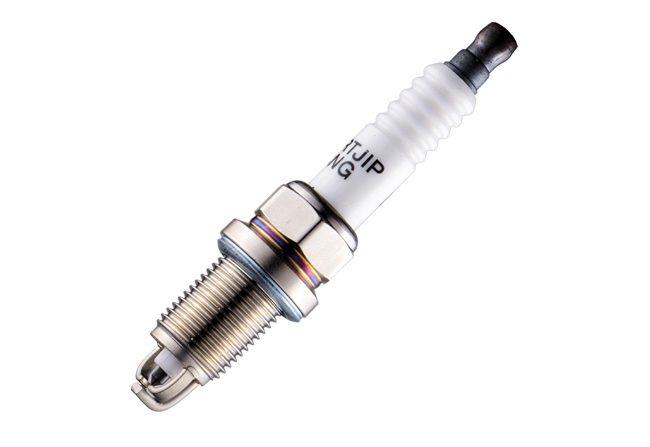
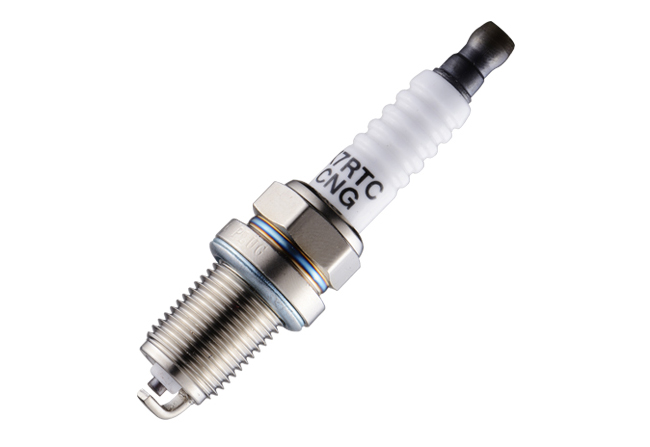
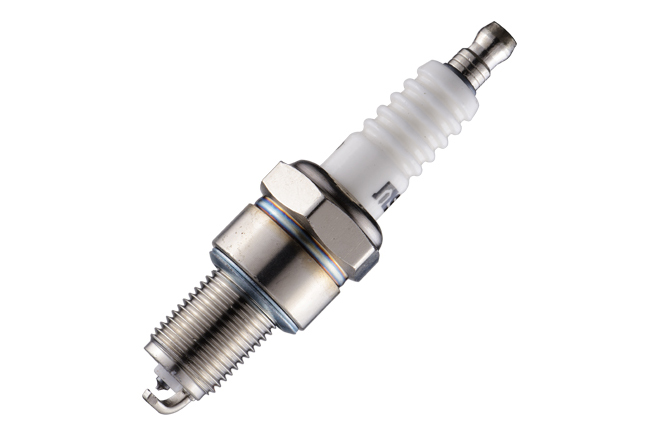
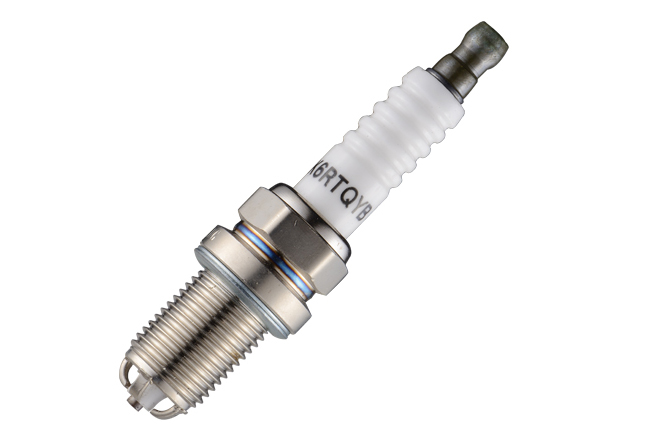
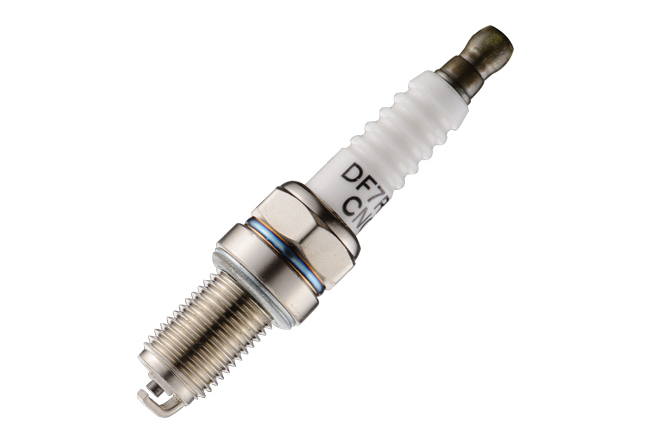
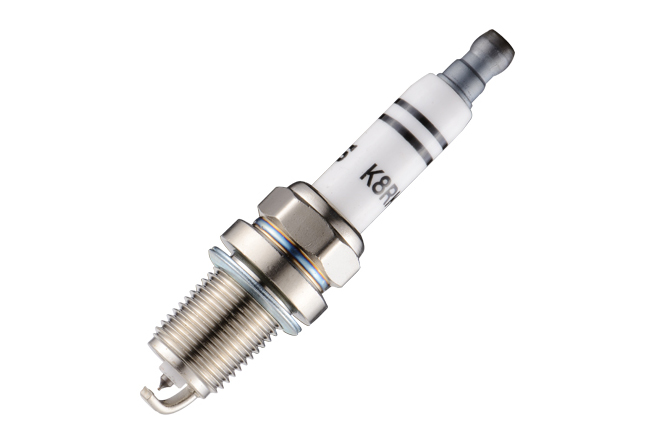
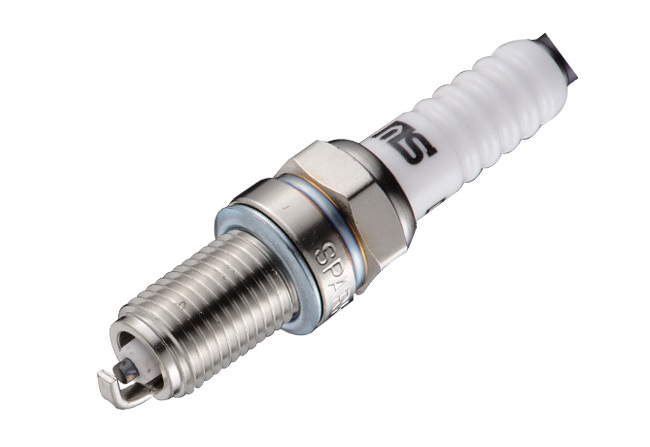
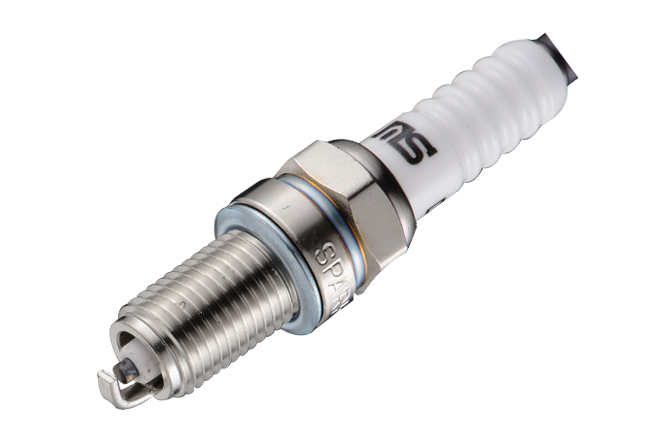

NINGBO MARSHAL AUTO PARTS CO., LTD. is a research and development, production and sales of professional manufacturers of spark plugs. Our company's spark plugs are mainly used in gasoline, natural gas and liquefied petroleum gas as fuel for all types of automobiles.
COPYRIGHT NINGBO MARSHAL AUTO PARTS CO., LTD. ALL RIGHTS RESERVED. Custom Spark Plugs Manufacturers OEM Spark Plugs Suppliers


 English
 中文简体
中文简体