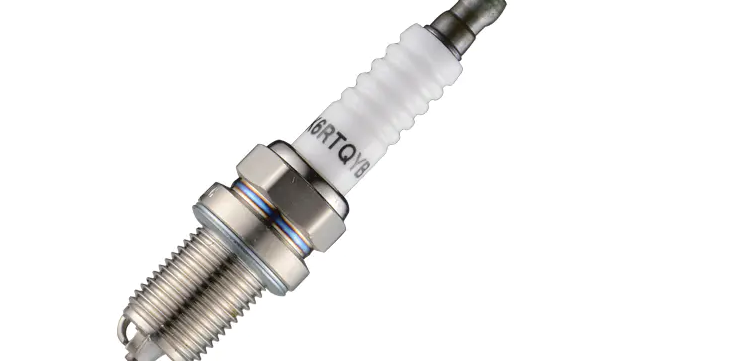
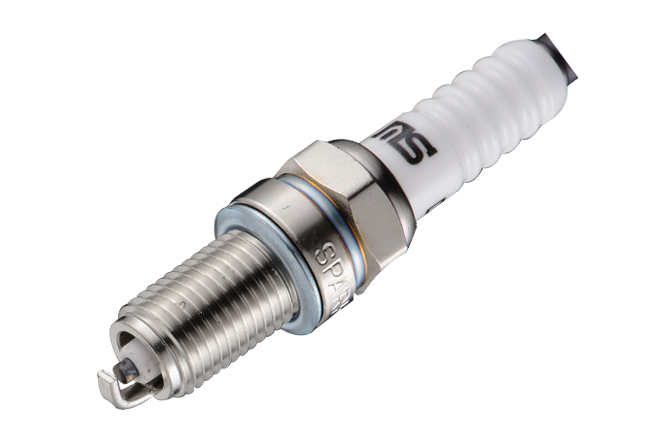
Spark plugs are an indispensable key component of the automotive engine ignition system. They are responsible for igniting the air-fuel mixture in the cylinder, allowing the engine to run normally. If spark plugs malfunction, it can cause minor issues like reduced power and increased fuel consumption, or even prevent the engine from starting. Therefore, understanding the common symptoms of damaged spark plugs and the correct handling methods is crucial for ensuring vehicle performance and safety.
1. What are the common symptoms of damaged automotive spark plugs?
Damaged spark plugs usually exhibit the following obvious fault symptoms. These signals can help determine whether the spark plugs need cleaning, repair, or replacement.
(1) Difficulty starting the engine or inability to start
Difficulty starting is one of the most typical symptoms of spark plug failure. When the spark plug's ignition ability weakens, the air-fuel mixture in the cylinder cannot ignite smoothly, leading to increased starting attempts or repeated ignition. If the spark plugs completely fail, the vehicle may even be unable to start.
Possible causes include: Excessive carbon buildup on the electrodes; increased gap due to electrode wear; damaged spark plug insulators; weak spark due to aging spark plugs.
If you still cannot start the engine after multiple attempts, it is recommended to check the spark plugs for any abnormalities.
(2) Noticeable idling vibration and unstable engine operation
Incomplete spark plug ignition can lead to decreased combustion efficiency in some cylinders, resulting in unstable idling, vibration, or even stalling. The driver will clearly feel slight vibrations in the steering wheel or vehicle body, and the exhaust gas will produce uneven noises.
This condition is called "misfire," a common manifestation of spark plug failure.
(3) Weak acceleration and reduced power
Weak spark plug ignition reduces engine combustion efficiency, leading to:
Slow acceleration from a standstill
Slow accelerator pedal response
Difficulty accelerating
The driver will clearly feel a lack of power, especially during high-speed overtaking and uphill driving.
If you feel your car is "sluggish" while driving, the spark plugs are likely the culprit.
(4) Increased fuel consumption and poorer fuel economy
A decline in spark plug ignition quality can lead to incomplete combustion of fuel, resulting in some fuel not being converted into power and thus increased fuel consumption.
For example: Increased fuel consumption for the same distance
Normal fuel consumption of 7L/100km becomes 8L or more
If fuel consumption suddenly increases but driving habits remain unchanged, it may be due to a decline in spark plug performance.
(5) Abnormal exhaust and changed exhaust color
When spark plugs fail to ignite properly, the exhaust system will also show signs of problems.
Common abnormal exhaust symptoms include:
Black smoke: incomplete combustion
Strong odor: incomplete combustion of gasoline
Uneven exhaust rhythm: uneven exhaust flow
Especially black smoke combined with increased fuel consumption almost certainly indicates poor spark plug ignition.
2. What to do if your Automotive Spark Plugs are broken? How to handle it correctly?
When you suspect that your spark plugs are damaged or their performance has deteriorated, you can follow these steps:
(1) Perform a comprehensive inspection of the spark plugs
The inspection of spark plugs mainly includes the following:
Checking for severe wear on the electrodes
Checking for cracks in the ceramic insulator
Determining if there are carbon deposits, engine oil, or moisture marks
Using tools to measure whether the spark plug gap is too large
Checking if the ignition coil connection is loose
If the spark plug is dry and brown, it indicates good combustion; if it is black, wet, or oily, it indicates abnormal ignition or combustion.
(2) Clean the spark plug carbon deposits (minor faults can be restored)
If the spark plug only has minor carbon deposits, it can still be used after cleaning.
Common cleaning methods include:
Using a wire brush to remove carbon deposits
Using carburetor cleaner to soak and clean
Using an air gun to dry
Restore the normal electrode gap
Note: If there are many carbon deposits or severe electrode corrosion, it is not recommended to continue using the spark plugs.

(3) Spark Plug Replacement
Spark plugs are typical consumable parts with a typical lifespan of:
Ordinary nickel alloy spark plugs: 20,000–30,000 km
Platinum spark plugs: 50,000–60,000 km
Iridium spark plugs: 80,000–100,000 km
If spark plugs are severely aged or damaged, the most effective solution is to replace the entire set.
When replacing spark plugs, pay attention to:
Use the correct specifications for your vehicle model
Replace the entire set when replacing a four-cylinder or multi-cylinder engine
Ensure the electrode gap is correct
Perform the installation torque according to the standard, avoiding overtightening or loosening.
3. How to Prevent Spark Plug Failure? Practical Maintenance Suggestions
To extend spark plug life and maintain good engine performance, consider the following suggestions:
Use high-quality gasoline to avoid increased carbon buildup due to inferior fuel
Replace spark plugs regularly according to the vehicle manual
Clean the intake and fuel systems
Avoid prolonged idling
Regularly check the ignition system wiring for integrity
Check promptly if performance deteriorates; do not delay
Good daily maintenance can significantly reduce spark plug failures and improve vehicle stability.
Although spark plugs are small components, they play a crucial role in a car engine's ignition system. Damaged spark plugs or decreased ignition performance can lead to a series of problems, including difficulty starting, rough idling, insufficient power, and increased fuel consumption.
When spark plugs malfunction, the most effective solution is often timely inspection and replacement as needed. Good routine maintenance can also extend spark plug life and keep the engine in optimal condition.
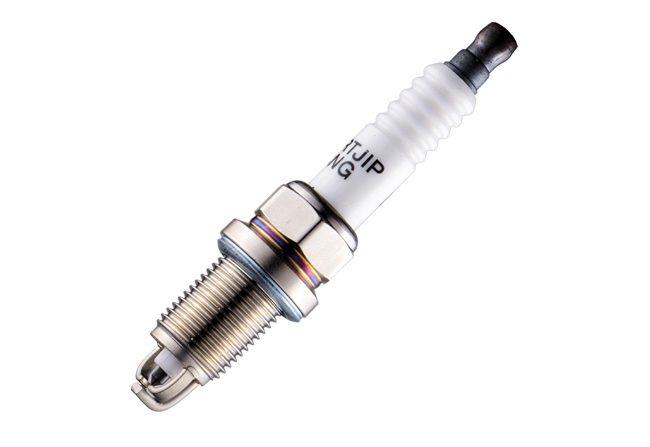
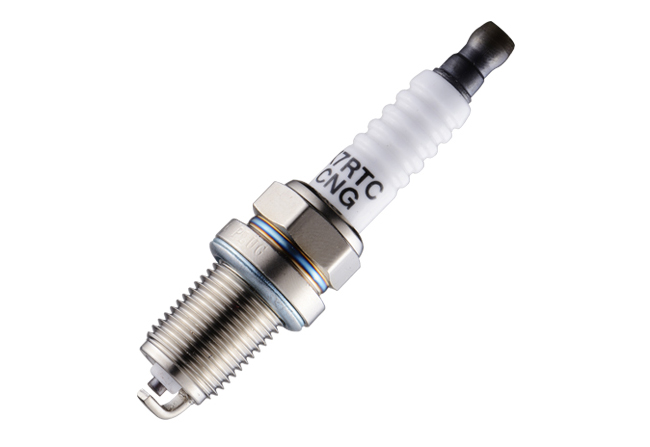
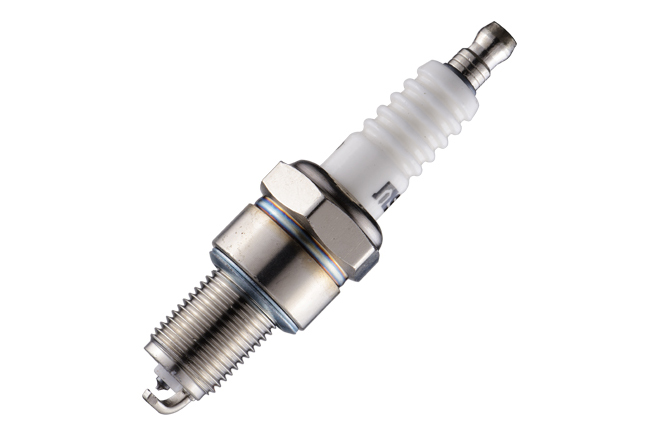
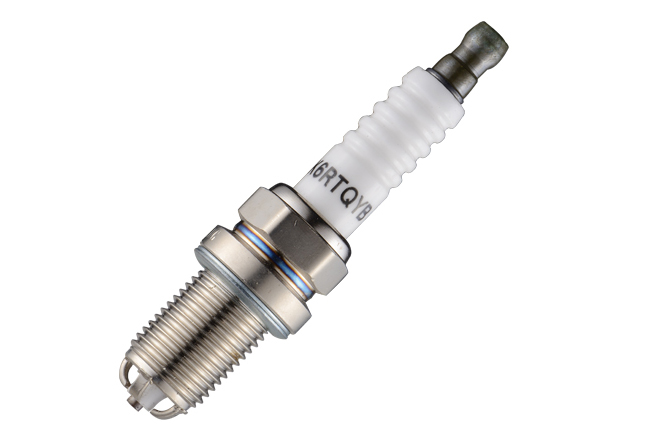
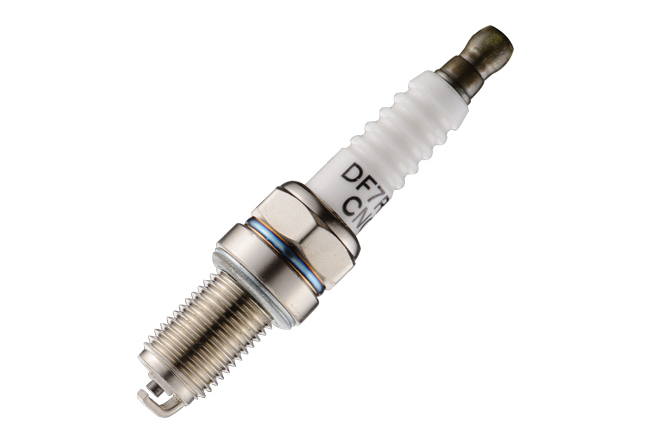
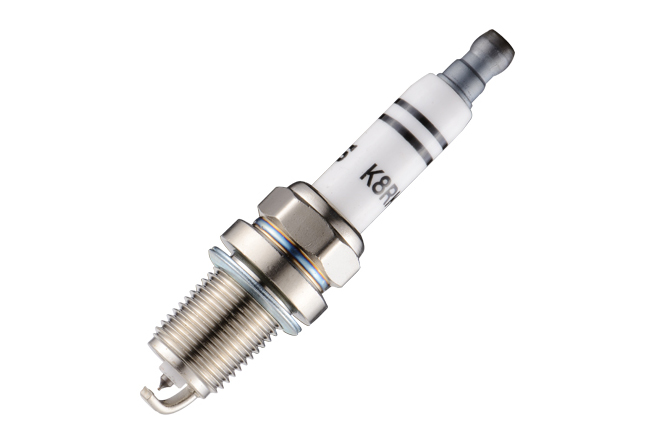
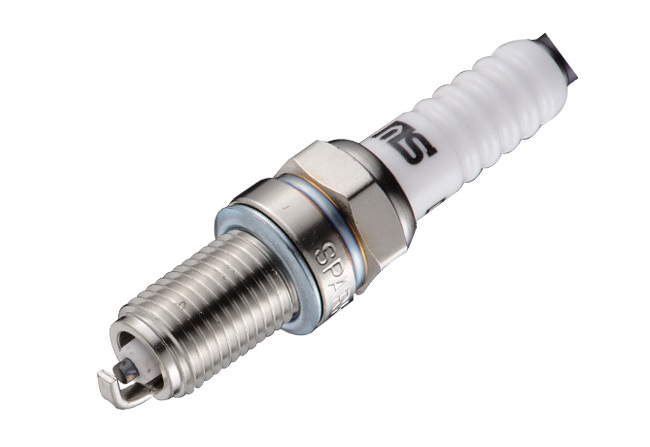

NINGBO MARSHAL AUTO PARTS CO., LTD. is a research and development, production and sales of professional manufacturers of spark plugs. Our company's spark plugs are mainly used in gasoline, natural gas and liquefied petroleum gas as fuel for all types of automobiles.
COPYRIGHT NINGBO MARSHAL AUTO PARTS CO., LTD. ALL RIGHTS RESERVED. Custom Spark Plugs Manufacturers OEM Spark Plugs Suppliers


 English
 中文简体
中文简体