Marine spark plugs, seemingly small components, play a crucial role in the performance of marine engines and navigational safety. From the engine's ignition system to the efficient combustion of fuel, marine spark plugs directly affect the vessel's starting, smooth operation, and fuel efficiency.
Therefore, understanding the working principles, maintenance techniques, and common problems of marine spark plugs is essential for ensuring navigational safety.
1. Basic Functions of Marine Spark Plugs
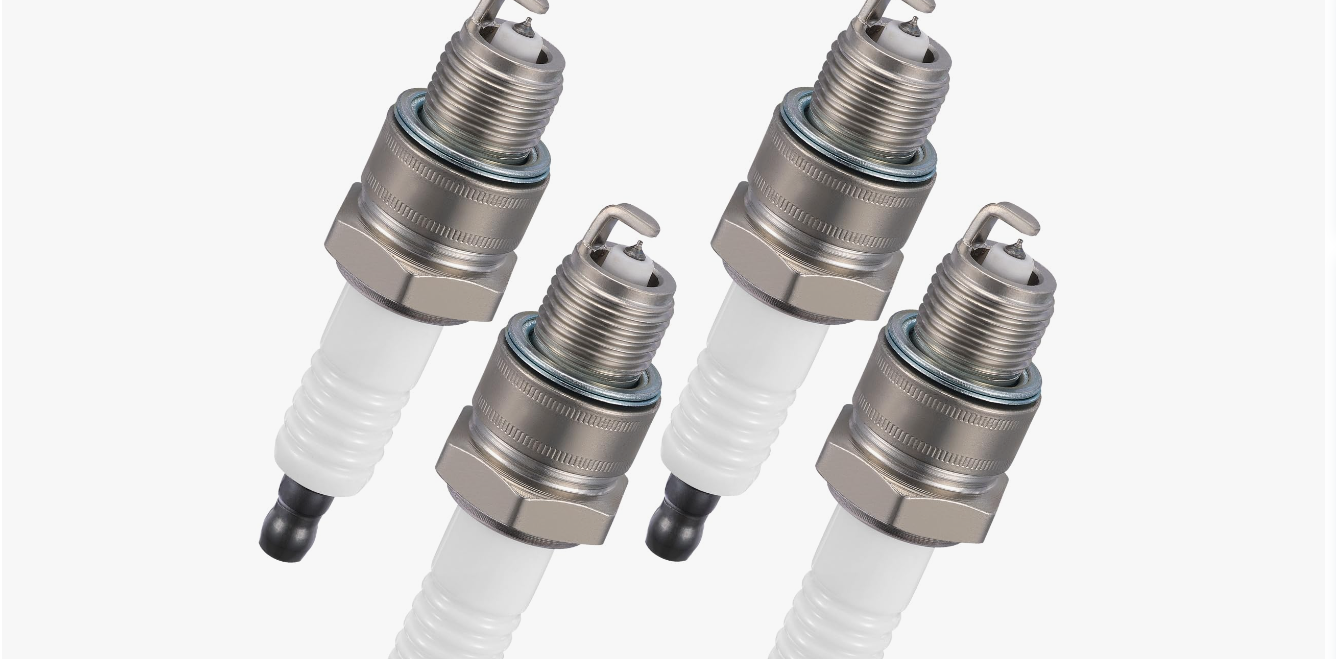
Spark plugs are a core component of the engine's ignition system. Their main function is to convert electrical energy into a spark to ignite the fuel-air mixture, enabling the engine to start and maintain smooth operation. In a marine internal combustion engine, the spark plug is responsible for ensuring efficient and stable combustion of fuel in the combustion chamber, thereby providing the necessary power.
Basic Working Principle of Spark Plugs: A battery provides electrical energy, which is transmitted to the spark plug through the ignition system.
The spark plug generates a spark that ignites the fuel-air mixture in the engine cylinder.
The ignited mixture drives the engine, generating power.
If spark plugs malfunction, the engine's ignition system will not function properly, leading to difficulty starting the engine or even preventing it from starting altogether. In severe cases, it may even cause the engine to stall, affecting navigational safety.
2. The Impact of Spark Plugs on Engine Performance
Marine spark plugs are not only related to engine starting but also directly affect the overall performance of the engine. Here are some key impacts of spark plugs on engine performance:
Starting Performance: High-quality spark plugs ensure the engine can start quickly in any weather conditions. If the spark plugs are worn or contaminated, starting may become difficult or require multiple attempts.
Power Output: The condition of the spark plugs directly affects the engine's combustion efficiency. Incomplete ignition leads to insufficient engine power, affecting the ship's power output and reducing navigation efficiency.
Fuel Economy: Spark plugs are crucial for the complete combustion of fuel. Incomplete ignition leads to fuel waste, increased fuel consumption, and thus increased operating costs. Regularly checking and replacing spark plugs ensures optimal fuel utilization.
Emission Control: Worn or faulty spark plugs may result in unburned exhaust emissions, impacting the environment and increasing pollution. Therefore, the health of spark plugs plays a crucial role in environmental protection.
3. How to Maintain and Replace Marine Spark Plugs
Maintaining and replacing marine spark plugs is crucial for ensuring proper engine operation. Regularly checking spark plugs helps identify potential problems early and prevents major failures.
Maintenance Methods:
Cleaning: Every so often, use professional tools to clean carbon deposits and dirt from the spark plugs. Carbon buildup affects spark plug ignition efficiency.
Checking Spark Plug Clearance: Use a gap gauge to check the spark plug electrode clearance, ensuring it meets the manufacturer's recommended standards. A clearance that is too large or too small can lead to unstable ignition.
Checking Spark Plug Condition: Inspect the spark plug electrodes for wear or damage. Worn spark plugs cannot function properly, potentially causing poor ignition or engine vibration.
Replacement Cycle: The replacement cycle for marine spark plugs depends on the type of use and the vessel's operating conditions. Generally, spark plugs should be checked every 500 hours or annually, and replaced if necessary. For high-performance engines or vessels frequently operating in harsh conditions, more frequent spark plug replacements may be necessary.
4. Common Marine Spark Plug Faults and Solutions
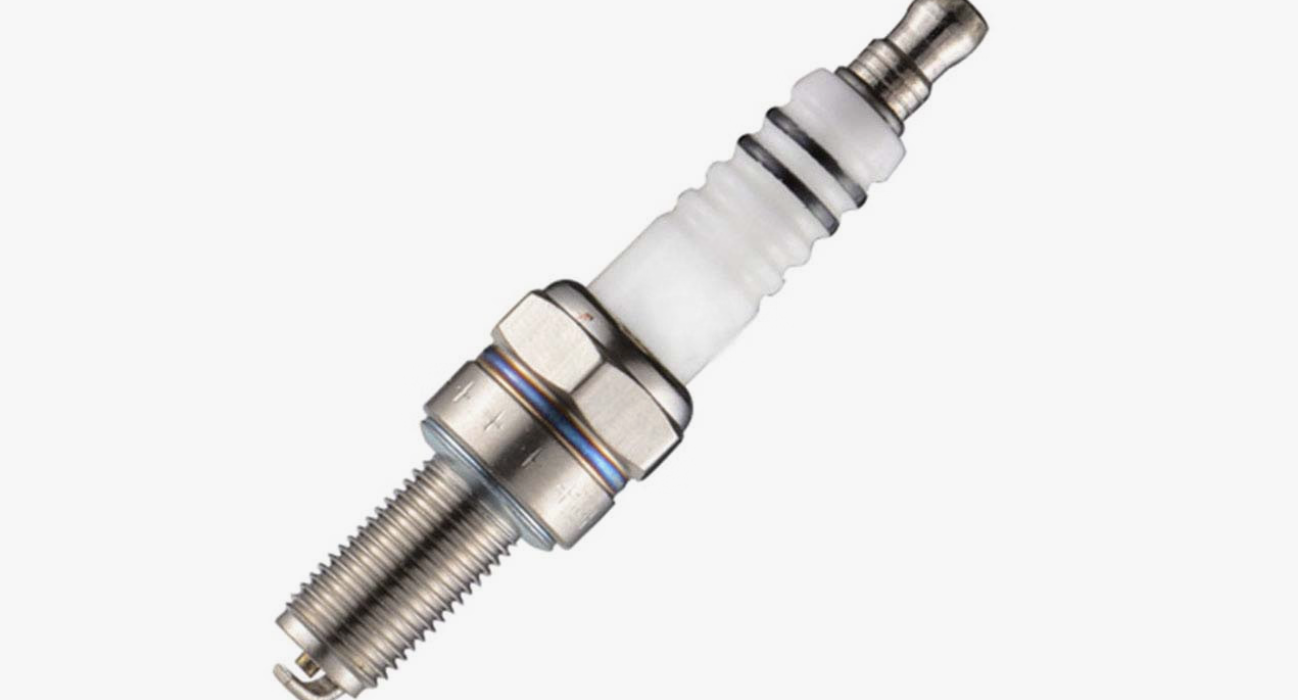
Spark plugs may develop some common faults after prolonged use. Timely detection and resolution of these problems can prevent more serious engine failures.
Common Faults:
Severe Carbon Deposits: Carbon buildup is the most common problem, especially under low load or short-distance sailing. Carbon deposits can prevent spark plugs from igniting properly.
Spark Plug Electrode Wear: After prolonged use, spark plug electrodes will wear, resulting in an excessively large electrode gap, preventing effective spark generation.
Spark Plug Leakage: Due to poor sealing or electrode damage, spark plugs may leak electricity, leading to ignition failure.
Solutions:
Clean spark plugs regularly to remove carbon deposits.
Replace spark plugs promptly if they show significant wear.
Ensure the use of qualified spark plugs to avoid leakage and damage.
5. Considerations for Selecting Marine Spark Plugs
When selecting marine spark plugs, it is crucial to consider the following factors:
Brand and Quality: Choosing spark plugs from well-known brands ensures high quality and long-term durability. Poor-quality spark plugs may lead to frequent engine failures.
Compatibility: Ensure the selected spark plugs are suitable for your boat model. Different engine types have different requirements for spark plugs; choosing incompatible spark plugs may affect engine performance.
Materials: Modern spark plugs often use materials such as platinum and iridium, which have good wear resistance and conductivity, extending the spark plug's lifespan.
The following is a maintenance and replacement schedule for marine spark plugs to help boat owners keep their engines in optimal condition.
| Item | Inspection/Replacement Frequency | Notes |
| Spark Plug Inspection | Check every 500 hours or annually | Regularly check for carbon buildup, wear, and electrode gap. |
| Spark Plug Cleaning | Clean during each inspection | Remove carbon buildup on the spark plug surface to maintain ignition efficiency. |
| Spark Plug Replacement | Replace every 1000 hours or as needed | Replace worn-out or irreparable spark plugs. |
| Electrode Gap Adjustment | Adjust during each inspection | Ensure the gap is within recommended specifications to prevent ignition issues. |
Marine spark plugs affect engine starting, performance, fuel efficiency, and emissions control, making it crucial to keep them in good condition. Regularly inspecting and replacing spark plugs, selecting the right spark plugs, and performing proper maintenance will ensure safe sailing and guarantee that the vessel operates efficiently and safely under all conditions.
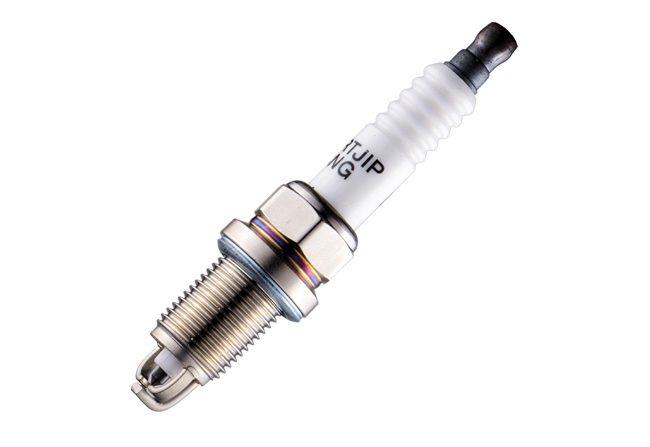
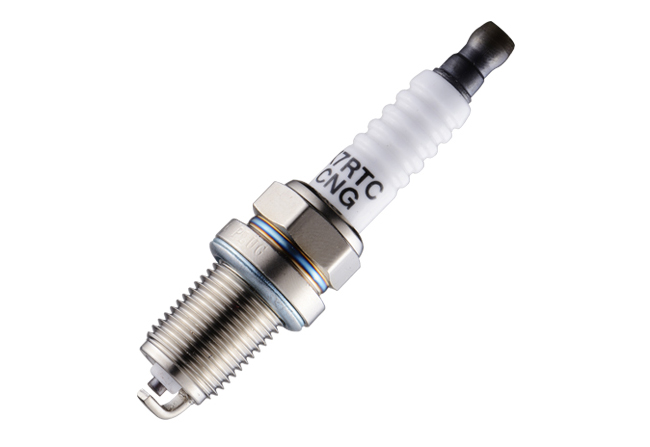
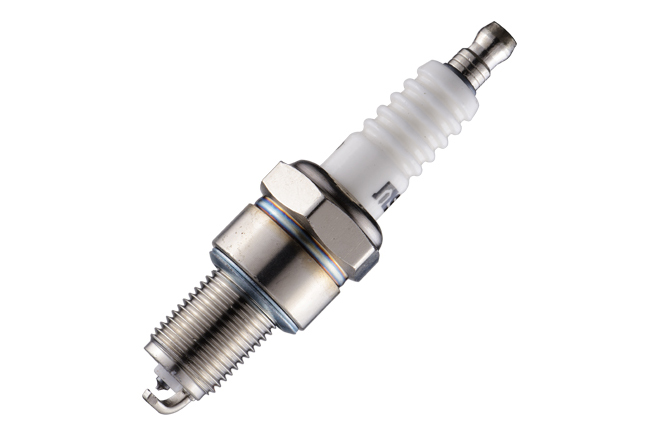
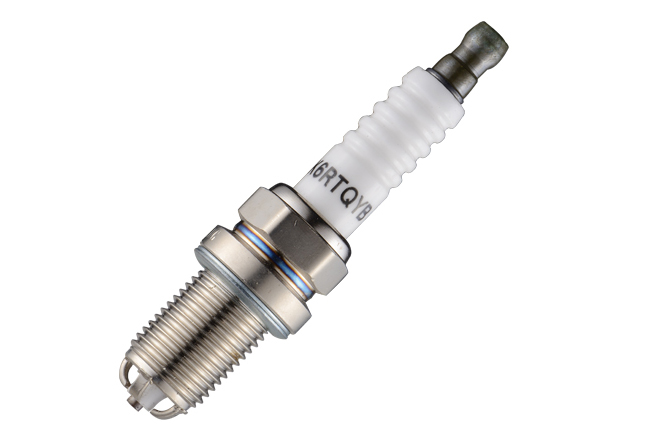
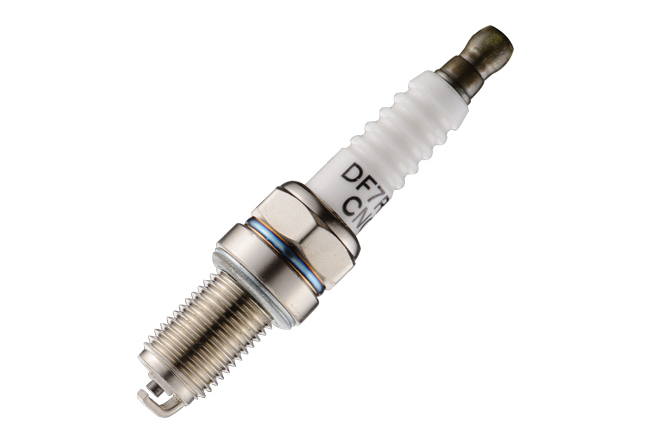
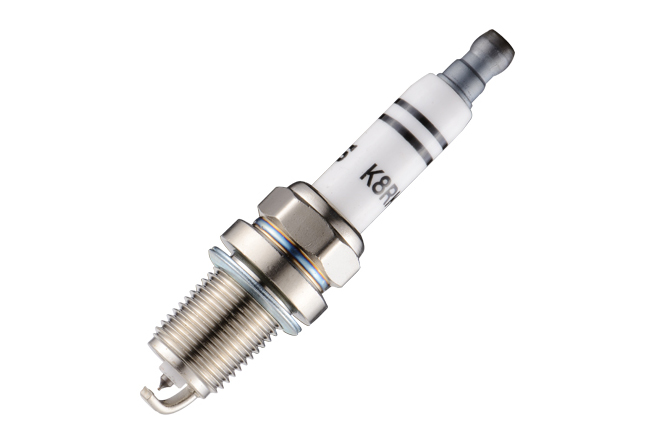
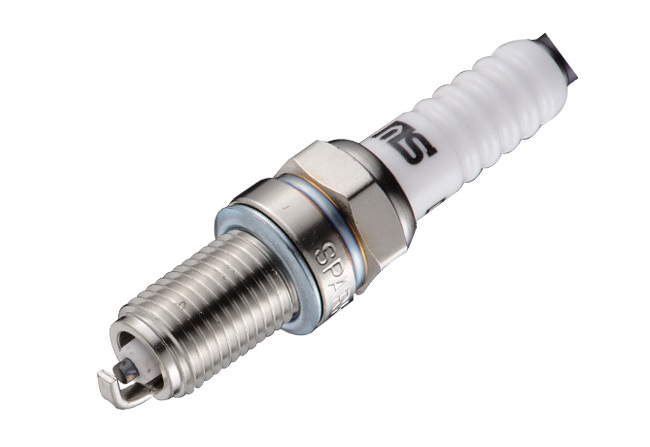
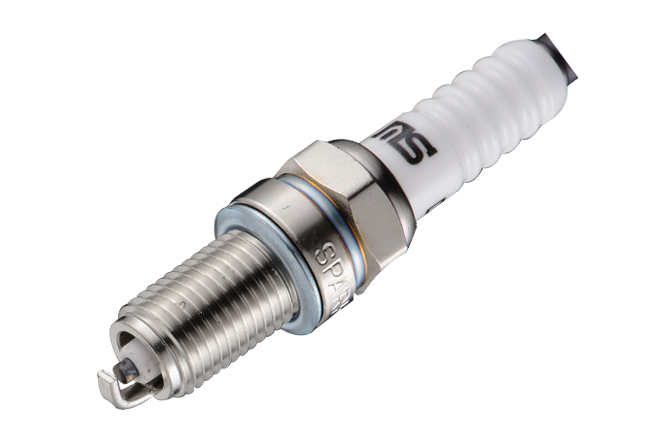

NINGBO MARSHAL AUTO PARTS CO., LTD. is a research and development, production and sales of professional manufacturers of spark plugs. Our company's spark plugs are mainly used in gasoline, natural gas and liquefied petroleum gas as fuel for all types of automobiles.
COPYRIGHT NINGBO MARSHAL AUTO PARTS CO., LTD. ALL RIGHTS RESERVED. Custom Spark Plugs Manufacturers OEM Spark Plugs Suppliers


 English
 中文简体
中文简体