Content
Black spark plugs almost always point to one of two things happening inside the combustion chamber. The first is dry black soot, a fine sooty coating caused by a fuel mixture that is running too rich or by combustion that is not completing properly. The second is a wet, oily black coating, which usually means engine oil is reaching the combustion chamber past worn piston rings, valve seals, or a failing turbocharger seal. These two patterns look different once you know what to look for, and each one calls for a different fix.
Automotive spark plugs are unusual among engine parts because their surface color can be read almost like a gauge. A plug that has spent thousands of miles inside a cylinder carries a visible record of the air-fuel ratio, the oil condition, and the general health of the ignition system. For anyone working on car spark plugs at home or in a shop, learning to separate dry carbon fouling from oily fouling is the single most useful diagnostic skill, because mixing up the two causes leads to the wrong repair being attempted first.
This guide walks through the common causes behind black deposits on engine spark plugs, how to read plug color as a diagnostic tool, how deposits build up over time, and what the underlying materials of a spark plug do to resist this kind of fouling in both gasoline engine spark plugs and petrol engine spark plugs used in everyday passenger vehicles.
Most cases of blackened automotive spark plugs trace back to a small group of recurring issues. None of these are unusual or rare; they are the same handful of conditions that technicians check first whenever a plug comes out looking sooty or oily.
When an engine receives more fuel than it can fully burn, the unburned portion turns into soot that settles on the electrode and insulator tip. A rich mixture can come from a stuck choke on older carbureted engines, a leaking fuel injector, a failing oxygen sensor sending inaccurate readings, or a coolant temperature sensor that keeps the engine running in a cold-start enrichment mode longer than it should.
Worn piston rings, hardened valve stem seals, or a failing turbocharger seal can let small amounts of oil seep into the cylinder. Once that oil burns alongside the fuel, it leaves a black, slightly greasy film on the plug rather than dry soot. This pattern is common in higher-mileage engines and is one of the clearer signs that an oil consumption issue exists somewhere in the engine.
A weak ignition coil, a cracked plug boot, or a spark plug wire with high resistance can produce a spark that is too weak to burn the fuel mixture completely on every cycle. Incomplete combustion leaves behind the same kind of dry black soot associated with a rich mixture, which is why ignition components are always checked alongside the fuel system during diagnosis.
Engines that rarely reach full operating temperature never get hot enough to burn off the light carbon deposits that form during cold starts. Frequent short trips, stop-and-go city driving, and long idling periods are a well-known contributor to fouled engine spark plugs, even when every other component is functioning normally.
A clogged air filter reduces the volume of air entering the engine relative to the amount of fuel being delivered, which effectively richens the mixture. This is one of the easiest causes to rule out, since it only takes a quick visual check of the filter element.
Technicians commonly use plug color as a first-pass diagnostic tool before moving on to more detailed testing. The table below groups the most frequently seen conditions for engine spark plugs used in gasoline and petrol engines.
| Plug Appearance | Likely Cause | Suggested Next Step |
|---|---|---|
| Light tan or grayish-brown | Normal combustion, correct heat range | Continue routine maintenance |
| Dry black soot | Rich mixture or weak spark | Check air filter, injectors, ignition coil |
| Wet, oily black film | Oil entering combustion chamber | Inspect valve seals and piston rings |
| Yellow or glazed surface | Overheating or fuel additive residue | Check heat range and cooling system |
| White or blistered | Lean mixture or advanced timing | Check fuel delivery and ignition timing |
Carbon and oil deposits do not usually appear overnight. They accumulate gradually across a range of driving conditions, which is part of why a scheduled visual check is more useful than waiting for a noticeable performance problem. Under normal, mixed driving conditions, deposit buildup on car spark plugs tends to progress slowly and predictably. Under adverse conditions, such as a persistent rich mixture or an early oil leak, the same plug can foul out much faster.
The practical takeaway is that a vehicle driven mostly on short trips or with a known oil consumption issue should have its engine spark plugs checked more often than the standard interval suggests, since the visual signs of fouling tend to appear well before any drivability symptoms are noticeable to the driver.
Not every spark plug responds to the same operating conditions in the same way, and much of that difference comes down to the materials used in the insulator, the electrode, and the metal shell. A denser ceramic insulator resists thermal shock better and helps the plug maintain a more consistent surface temperature, which in turn affects how easily carbon deposits are burned off during normal operation rather than allowed to accumulate.
The ceramic insulator has to prevent the high-voltage spark from arcing anywhere except across the electrode gap. A higher-density insulator generally offers stronger dielectric strength, meaning it can contain a stronger spark without leaking voltage along its surface, which supports more complete combustion cycle after cycle.
The center and ground electrodes need a combination of electrical conductivity, heat resistance, and resistance to gradual erosion from repeated sparking. Electrodes that dissipate heat efficiently tend to run at a more stable temperature, which helps keep light carbon deposits from bonding to the surface.
The metal shell surrounding the insulator also plays a role. A shell with good malleability and toughness resists cracking during installation and thermal cycling, while efficient heat transfer through the shell helps move heat away from the firing tip toward the cylinder head.
A methodical check-through helps avoid replacing parts that were never the actual problem. The sequence below is a practical order to follow when a plug comes out looking black.
Manufacturer service schedules provide a baseline, but the driving pattern of a specific vehicle can justify checking automotive spark plugs more frequently than the standard interval.
| Driving Pattern | Suggested Check Interval | Notes |
|---|---|---|
| Mixed daily driving | Standard manufacturer interval | Follow the maintenance schedule in the owner manual |
| Frequent short trips | Earlier visual check recommended | Cold-start soot tends to accumulate faster |
| Higher-mileage engine | Check alongside oil consumption monitoring | Watch for oily deposits linked to seal wear |
| Turbocharged or direct injection engine | Follow manufacturer interval closely | These engines can be more sensitive to plug condition |
The way a spark plug is engineered has a direct bearing on how it handles the everyday stresses that lead to fouling in the first place. NINGBO MARSHAL AUTO PARTS CO., LTD. manufactures automotive spark plugs with an in-house ceramic production line, which means the insulators used across its product lines are produced and controlled internally rather than sourced from an outside supplier. This approach supports a higher density insulator with a thickened nose design, contributing to stronger dielectric performance and better mechanical strength for demanding modern engines.
On the engineering side, decades of development and reverse engineering experience have gone into refining electrode materials for conductivity, heat resistance, heat dissipation, and resistance to gradual ablation from repeated sparking. The metal shells used across the range are engineered for malleability and toughness, supporting better heat dissipation away from the firing tip and reducing the risk of shell cracking during installation.
Every stage of production is supported by an internal testing process that checks components against a broad set of internal control standards, with inspection coverage built into each stage of manufacturing rather than only at final output. For buyers sourcing car spark plugs, engine spark plugs, or full spark plug lines for gasoline engine spark plugs and petrol engine spark plugs applications, this kind of integrated ceramic and electrode manufacturing capability is one of the practical factors behind consistent combustion performance across a production batch.
A rich fuel mixture, oil entering the combustion chamber, a weak ignition spark, or frequent short-trip driving are the most common causes.
It generally means incomplete combustion is occurring, either from too much fuel relative to air or from oil contamination inside the cylinder.
A dry, sooty black coating points to a rich air-fuel mixture or a weak spark rather than an oil-related issue.
Light dry soot can often be brushed away with a soft wire brush, while heavily fouled or oily plugs are usually better replaced.
Fouling happens when deposits build up faster than normal engine heat can burn them off, often from a rich mixture, oil intrusion, or short-trip driving.
A wet plug is commonly caused by unburned fuel, a weak spark that never ignites the mixture, or oil seeping into the cylinder.
Oily plugs typically indicate oil is bypassing worn piston rings, valve seals, or a turbocharger seal and reaching the combustion chamber.
Carbon buildup usually comes from incomplete combustion caused by a rich mixture, prolonged idling, or short-trip driving that never fully burns off deposits.
Repeated fouling often points to a recurring underlying issue such as a persistent oil leak, a failing ignition component, or a fuel system problem that has not yet been resolved.
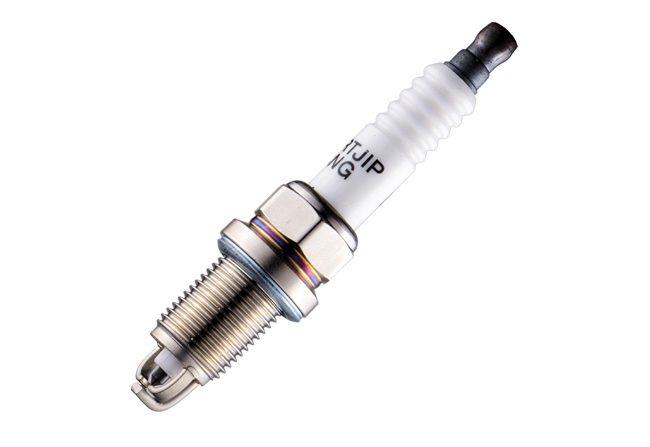
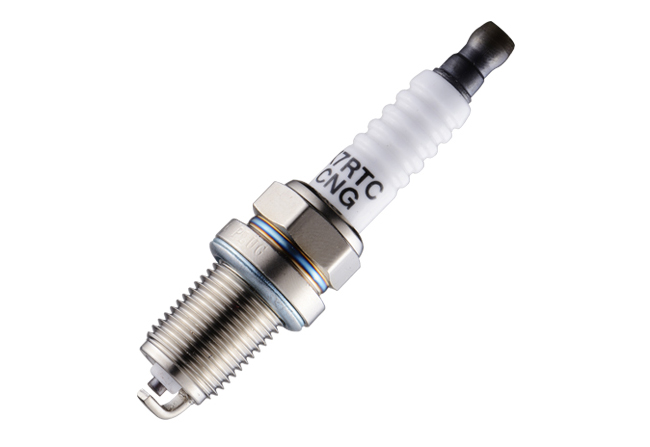
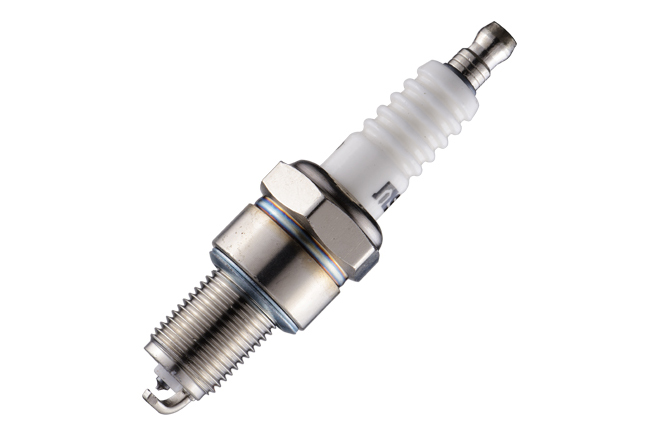
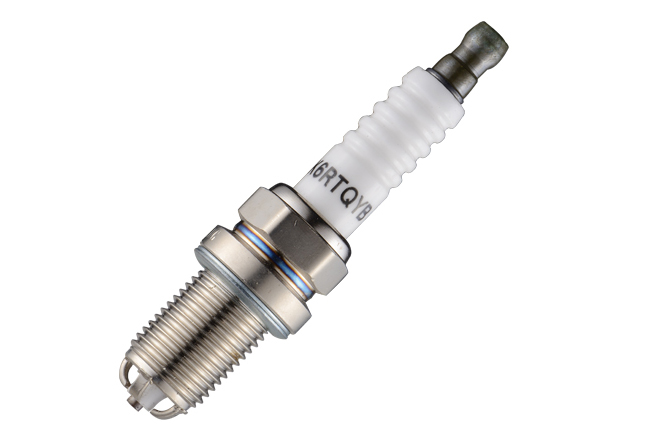
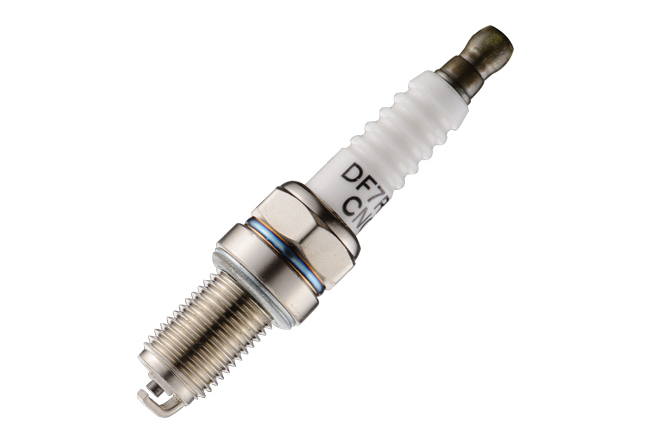
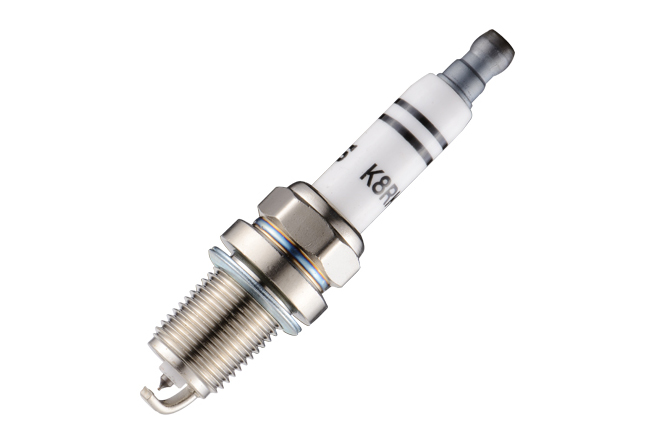
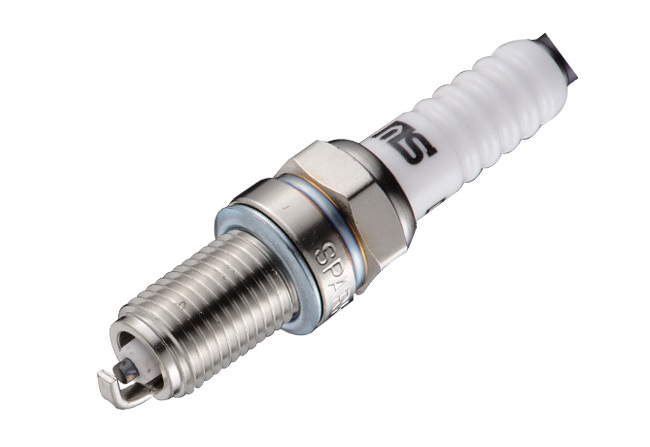

NINGBO MARSHAL AUTO PARTS CO., LTD. is a research and development, production and sales of professional manufacturers of spark plugs. Our company's spark plugs are mainly used in gasoline, natural gas and liquefied petroleum gas as fuel for all types of automobiles.
COPYRIGHT NINGBO MARSHAL AUTO PARTS CO., LTD. ALL RIGHTS RESERVED. Custom Spark Plugs Manufacturers OEM Spark Plugs Suppliers


 English
 中文简体
中文简体