Motorcycle spark plugs are a critical component of the engine's ignition system, responsible for converting battery power into a spark to ignite the fuel. If the spark plug malfunctions or is damaged, it will directly affect the motorcycle's starting performance, acceleration, fuel consumption, and may even lead to engine damage. Therefore, understanding the causes of spark plug failure and how to prevent them is essential knowledge for motorcycle enthusiasts and owners.
This article will guide you through the common causes of motorcycle spark plug failure and provide maintenance tips to help owners extend the lifespan of their motorcycles and ensure efficient engine operation.
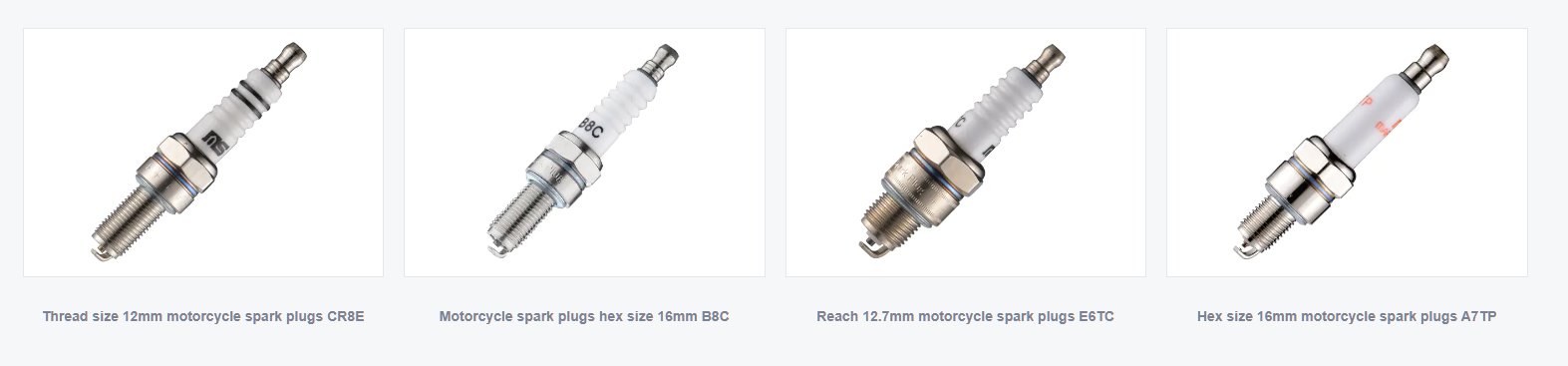
Content
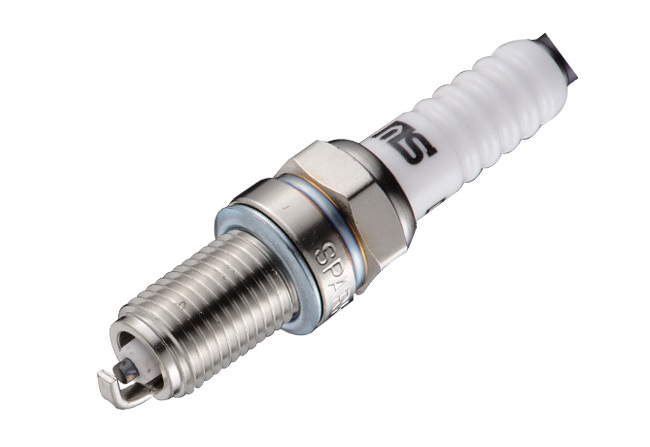
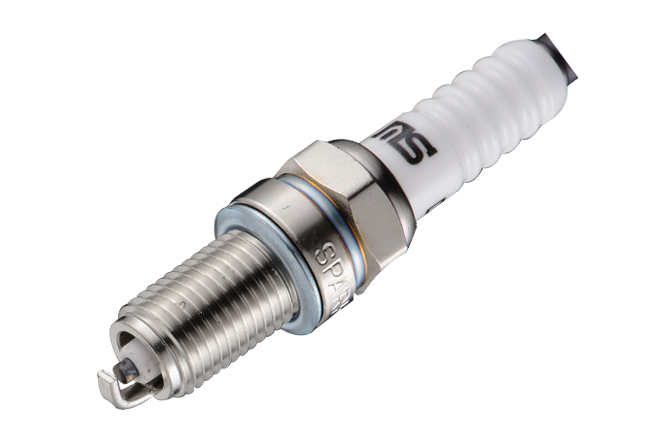
Before understanding the causes of spark plug failure, it's important to understand the role of the spark plug. The spark plug is part of the motorcycle engine's ignition system, responsible for generating a spark inside the cylinder to ignite the air-fuel mixture. This process is indispensable for the engine to function properly. If the spark plug does not work correctly, the engine will not start or run smoothly.
Spark plug failure can be caused by various factors. Here are some common causes:
(1) Overheating
Motorcycle spark plugs are subjected to high temperatures and pressures during operation. If exposed to high temperatures for extended periods, the spark plug may overheat, leading to electrode wear or melting, thus causing damage. Excessive heat can also cause the spark plug's insulator to crack, affecting ignition performance.
Causes: High-load riding, using unsuitable fuel, and carbon buildup in the engine can all lead to spark plug overheating.
(2) Carbon Buildup on Electrodes
As the motorcycle is used, some carbon deposits are produced during the fuel combustion process. If the engine does not burn completely, carbon deposits will accumulate on the spark plug electrodes, reducing the electrode gap and affecting the normal generation of sparks. Excessive carbon buildup can also lead to electrode breakage.
Causes: Using low-quality fuel and poor driving habits (such as frequent acceleration and deceleration) can lead to carbon buildup.
(3) Excessive Wear
After prolonged use, the spark plug electrodes will experience natural wear. When excessively worn, the gap between the spark plug electrodes increases, preventing the spark from forming properly, leading to difficulty starting the engine and reduced power. Frequent acceleration and high-speed driving also accelerate spark plug wear.
Reasons: Excessive use of the motorcycle, failure to replace spark plugs regularly, etc.
(4) Moisture or water ingress
If the motorcycle's spark plug is exposed to a humid environment for a long time, or if the waterproofing is poor, moisture may seep into the spark plug. Moisture can cause poor electrical contact in the spark plug, leading to ignition failure or complete inability to start.
Reasons: Humid motorcycle storage environment, poor quality spark plugs, etc.
(5) Improper installation
Improper installation is another common cause of spark plug damage. If the spark plug is not installed with the correct torque during installation, or if the spark plug is not properly aligned, it may lead to damage to the spark plug or poor electrode contact, ultimately affecting the normal operation of the ignition system.
Reasons: Using inappropriate tools, neglecting torque specifications during installation, etc.
After understanding the causes of spark plug damage, we can take a series of preventive measures to avoid spark plug failure or damage.
(1) Regularly inspect and replace spark plugs
Motorcycle spark plugs have a limited lifespan, and regular inspection and replacement of spark plugs is the most effective way to avoid damage. Generally, the replacement cycle for motorcycle spark plugs is approximately every 10,000 kilometers, but the specific time should be adjusted according to the motorcycle model and usage conditions.
Suggestions:
Check the condition of the spark plugs during each maintenance.
If carbon deposits, corrosion, cracks, or excessive wear are found on the spark plugs, replace them promptly.
(2) Use high-quality fuel
Using high-quality fuel can reduce the formation of carbon deposits and lower the risk of carbon buildup on the spark plugs. Low-quality fuel may contain impurities, leading to incomplete combustion and thus accelerating the accumulation of carbon deposits. Therefore, choosing reputable gas stations and recommended fuel types is a basic measure to keep the spark plugs working properly.
Suggestions:
Avoid using low-quality fuel containing a large amount of impurities or water.
Use the fuel recommended by the motorcycle manufacturer.
(3) Maintain Proper Driving Habits
Poor driving habits are not only harmful to the engine but also accelerate spark plug wear. For example, frequent rapid acceleration and braking put a greater load on the spark plugs, easily leading to excessive wear or carbon buildup. To extend the lifespan of spark plugs, maintaining smooth driving is important.
Suggestions:
Avoid frequent rapid acceleration and braking.
Maintain stable engine speed and temperature, avoiding prolonged high-speed driving.
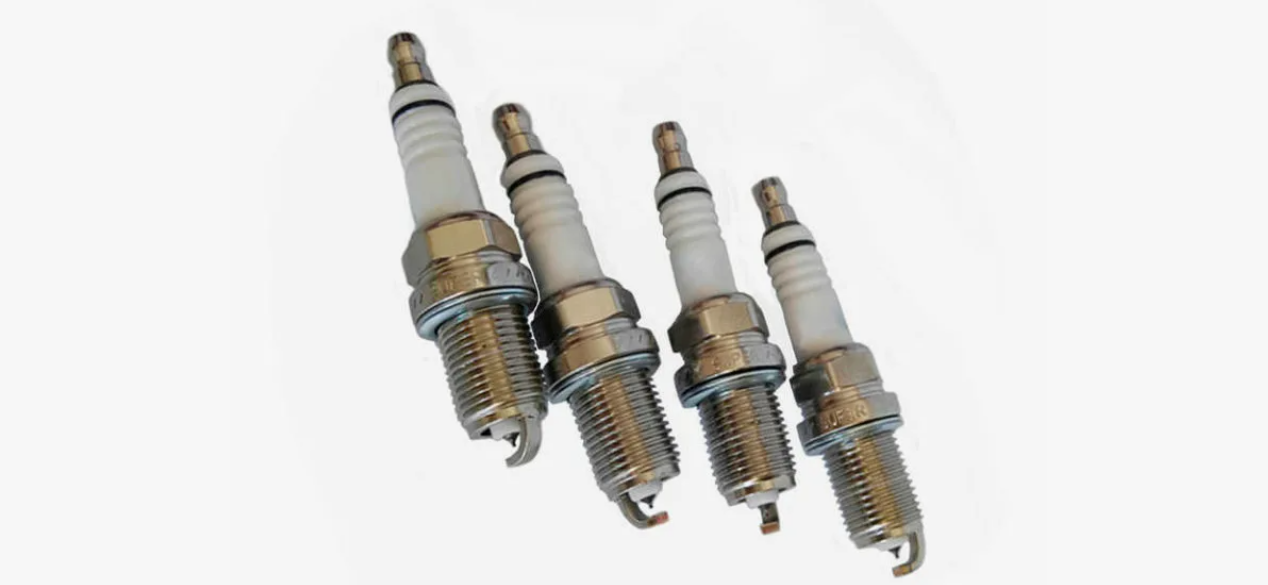
(4) Keep the Area Around the Spark Plug Clean
The humidity and cleanliness of the motorcycle's storage environment have a significant impact on spark plug performance. Maintaining a dry environment around the motorcycle and regularly cleaning the spark plugs to prevent dirt and moisture from entering the spark plug is a necessary step in preventing spark plug failure.
Suggestions:
Avoid parking the motorcycle in a damp or dirty environment.
Regularly clean the spark plugs, ensuring that there is no debris or moisture around the electrodes.
(5) Correct Spark Plug Installation
When installing spark plugs, it is necessary to strictly follow the manufacturer's instructions, use appropriate tools, and ensure the correct torque value. Overtightening or loose spark plugs can lead to poor contact or damage.
Suggestions:
Use professional tools to install the spark plugs.
Ensure that the spark plugs are securely installed and meet the manufacturer's recommended torque specifications.
| Issue Type | Possible Cause | Solution |
| Spark Plug Carbon Build-up | Use of poor-quality fuel, bad driving habits | Use high-quality fuel, regularly clean or replace the spark plug |
| Spark Plug Overheating | High-load driving, engine issues | Avoid prolonged high-load driving, regularly check the engine |
| Electrode Wear | Long-term use, excessive acceleration | Regularly inspect and replace the spark plug, maintain steady driving habits |
| Moisture or Water | Humid environment, poor sealing | Avoid humid environments, regularly check the spark plug's waterproof performance |
| Improper Installation | Incorrect torque, improper installation | Follow manufacturer's instructions for proper installation and tightening |
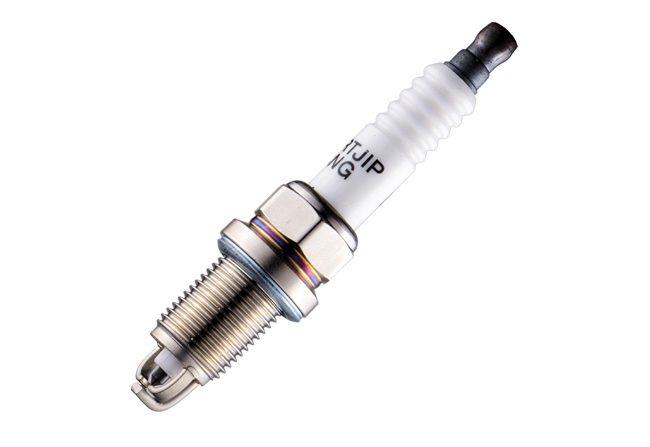
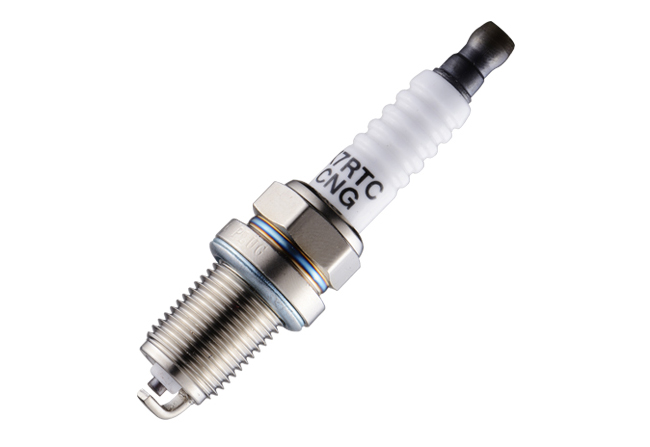
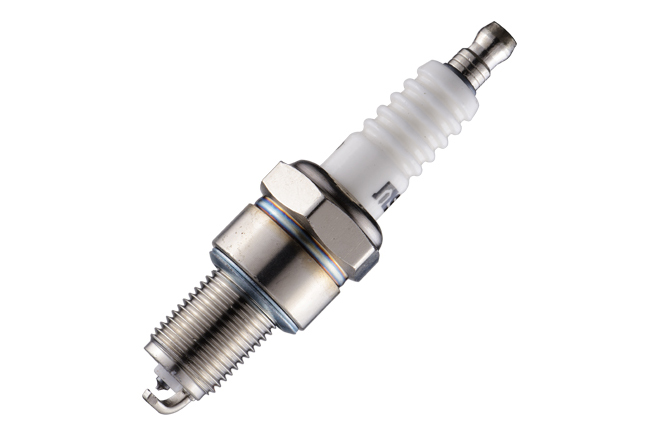
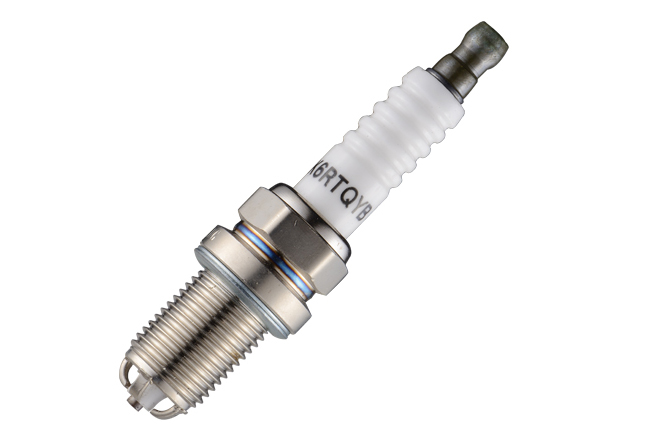
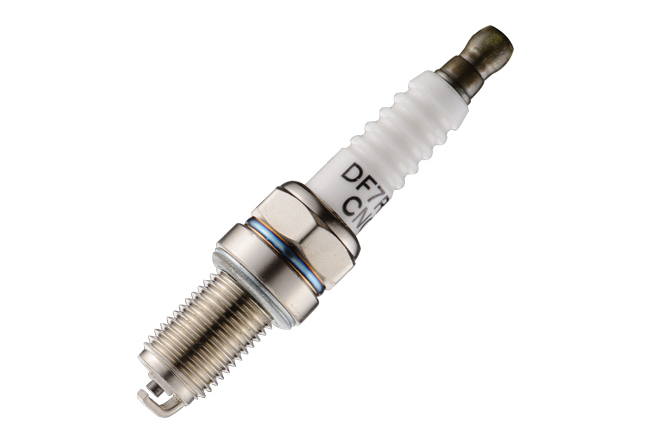
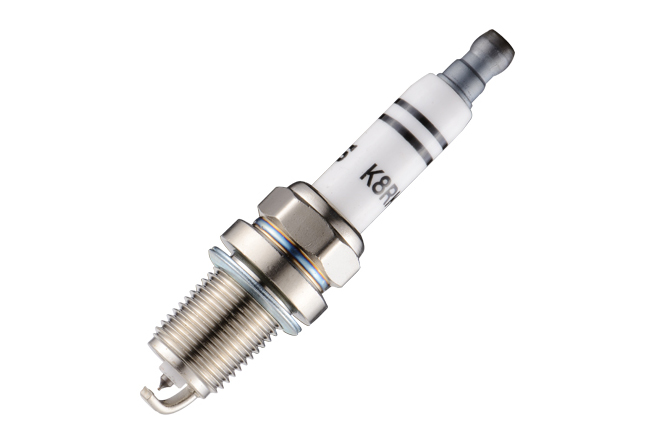

NINGBO MARSHAL AUTO PARTS CO., LTD. is a research and development, production and sales of professional manufacturers of spark plugs. Our company's spark plugs are mainly used in gasoline, natural gas and liquefied petroleum gas as fuel for all types of automobiles.
COPYRIGHT NINGBO MARSHAL AUTO PARTS CO., LTD. ALL RIGHTS RESERVED. Custom Spark Plugs Manufacturers OEM Spark Plugs Suppliers


 English
 中文简体
中文简体