Automotive spark plugs are a very important component in a car's engine. Their main function is to ignite the air and fuel mixture in the engine, ensuring the engine operates properly. The performance of the spark plugs directly affects the car's starting, fuel efficiency, and overall engine performance. Therefore, timely replacement of spark plugs can not only extend the car's lifespan but also improve the driving experience. So, why does your car need new spark plugs?
1. The Function of Automotive Spark Plugs
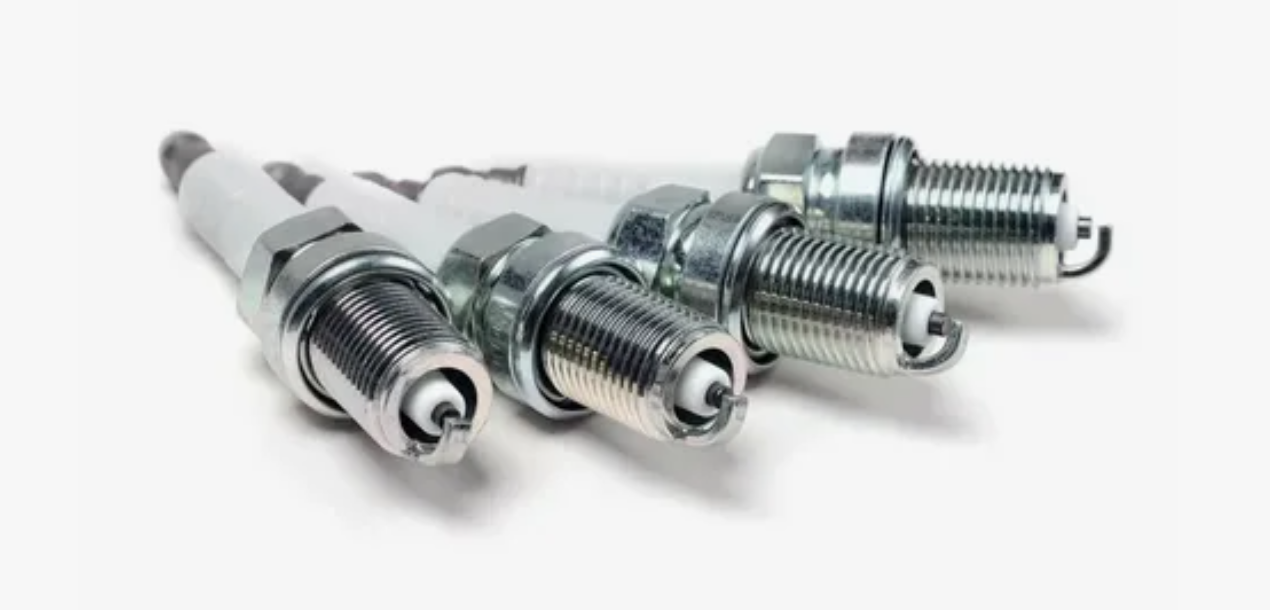
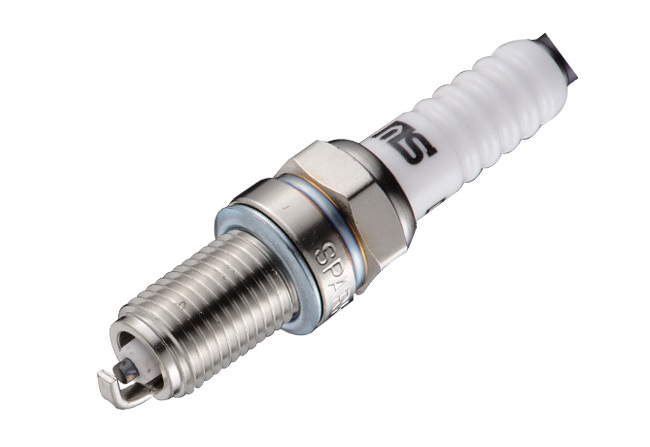
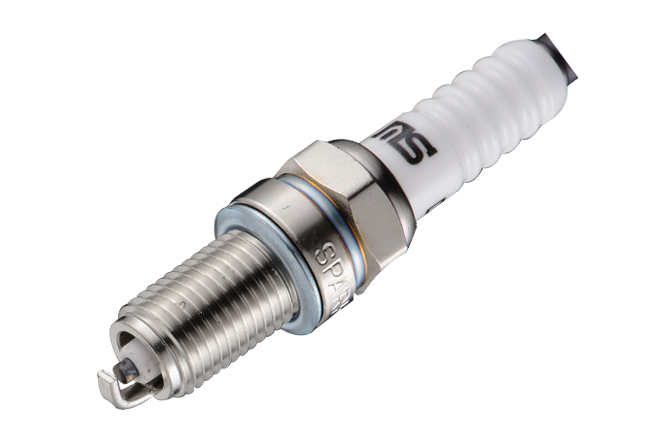
Spark plugs are a crucial part of a car's ignition system. Located in the cylinder head of the engine, they generate a spark using electricity to ignite the fuel. Each cylinder is equipped with a spark plug, which ignites the air-fuel mixture, driving the piston and generating power for the engine.
The function of spark plugs is not only to ignite the mixture; they also directly affect the engine's efficiency and performance. A properly functioning spark plug ensures complete fuel combustion, reduces emissions, and improves fuel economy. A damaged or aging spark plug, however, can lead to incomplete engine ignition, causing shaking, difficulty starting, and even preventing the engine from starting at all.
2. Spark Plug Replacement Interval
Spark plugs are a consumable item with a limited lifespan. Depending on the car brand, model, and usage environment, the replacement interval for spark plugs is generally between 30,000 and 100,000 kilometers. For some high-performance vehicles or vehicles used frequently, a shorter replacement interval may be necessary. For vehicles used in milder environments and with low mileage, the lifespan of the spark plugs may be extended.
However, regardless of the circumstances, the performance of spark plugs gradually deteriorates with time and use, making regular inspection and replacement of spark plugs very important.
3. Symptoms of Damaged Spark Plugs
When automotive spark plugs are damaged, they usually exhibit the following symptoms:
Difficulty starting the engine: If the spark plugs are damaged or have excessive carbon buildup, it may lead to difficulty starting the engine, especially during cold starts.
Engine shaking: When the spark plugs are not working properly, the engine may not be able to ignite the fuel evenly, resulting in uneven operation and noticeable shaking. Lack of Acceleration: Spark plug problems can lead to inaccurate ignition timing, affecting engine power output, and resulting in sluggish acceleration while driving.
Increased Fuel Consumption: Malfunctioning spark plugs can cause incomplete combustion, wasting fuel and leading to increased fuel consumption.
Abnormal Emissions: Spark plug problems may lead to excessive emissions, manifested as exhaust smoke or increased harmful gas emissions.
4. When to Replace Car Spark Plugs?
Although spark plugs have a certain lifespan, not all spark plugs will fail after reaching a certain mileage. You should consider replacing your spark plugs in the following situations:
Regular replacement according to the vehicle manual: Car manufacturers recommend a reasonable replacement cycle based on the vehicle model and spark plug type. For example, some modern cars equipped with platinum or iridium spark plugs may have a longer lifespan and may only need to be replaced every 100,000 kilometers.
When experiencing starting difficulties or lack of acceleration: If you notice difficulty starting the car, sluggish acceleration, or engine shaking during daily use, it may be due to spark plug problems. In this case, you should check and replace the spark plugs as soon as possible.
Inspection reveals aging or excessive carbon buildup on the spark plugs: If inspection reveals carbon buildup or significant aging on the surface of the spark plugs, they need to be replaced promptly.
5. How to Check if Spark Plugs Need Replacing?
For non-professional car owners, checking the condition of spark plugs can be difficult. However, the following steps can help you determine if you need to replace your spark plugs:
Check the spark plug appearance: When removing the spark plug, you can check its appearance. If the center electrode of the spark plug is significantly worn or has severe carbon buildup, it indicates that the spark plug is aging and needs to be replaced.
Check the spark plug color: A normal spark plug should be light brown or gray. If there is black carbon buildup or oil stains on the spark plug, it indicates incomplete combustion, and the spark plug may need to be replaced or the engine repaired.
Check engine operation: As mentioned above, if the engine is difficult to start, runs unevenly, or has increased fuel consumption, there may be a problem with the spark plugs.
6. How to Choose the Right Spark Plugs?
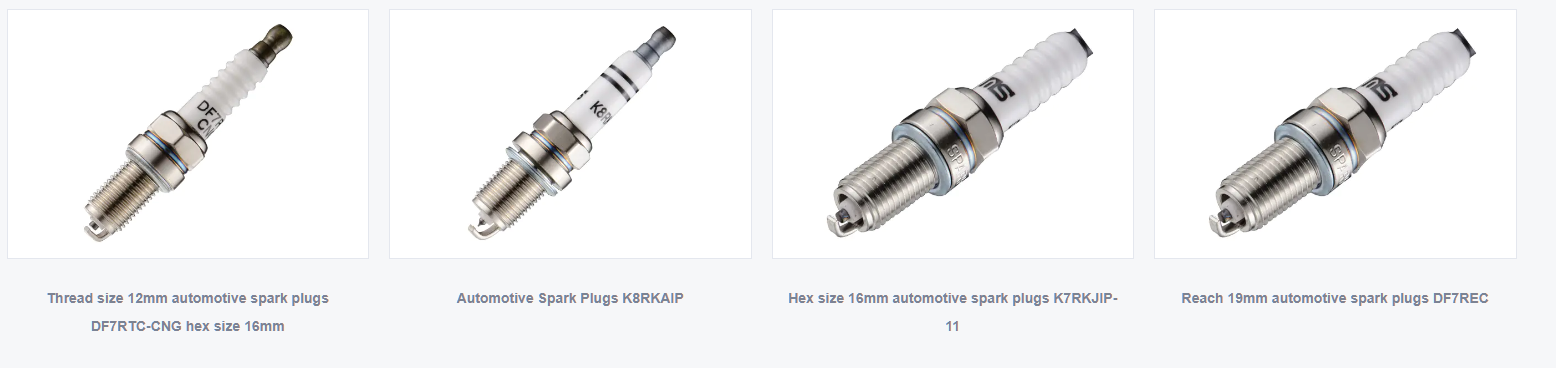
There are many different types of spark plugs on the market, such as platinum spark plugs, iridium spark plugs, and copper core spark plugs. Choosing the right spark plugs requires considering the following factors:
Vehicle make and model: Different car models may require different types of spark plugs. Choose spark plugs suitable for your vehicle model according to the car manufacturer's recommendations.
Spark plug material: Platinum and iridium spark plugs have a longer lifespan than traditional copper-core spark plugs and are suitable for high-performance or long-distance driving.
Operating temperature: Choose spark plugs suitable for the engine's operating temperature. Too high or too low operating temperatures can affect spark plug performance.
7. Automotive Spark Plug Maintenance Chart
The following is a comparison chart of common spark plug types, which can help car owners choose the right spark plugs and understand their characteristics:
| Spark Plug Type | Characteristics | Application Range | Replacement Interval | Advantages | Disadvantages |
| Copper Core Spark Plug | Moderate durability, low cost, good conductivity | Suitable for economy cars, daily commuting vehicles | 30,000 - 50,000 km | Lower cost, stable ignition | Shorter lifespan, may need frequent replacement |
| Platinum Spark Plug | Strong durability, suitable for higher operating temperatures | Mid-to-high-end vehicles, long-distance driving cars | 60,000 - 100,000 km | Longer lifespan, good stability | Higher cost, slightly inferior performance compared to iridium spark plugs |
| Iridium Spark Plug | Extremely durable and high conductivity, suitable for high-performance cars | High-end models, performance cars, racing cars | Over 100,000 km | Very long lifespan, best performance | Higher cost, not suitable for all car owners |
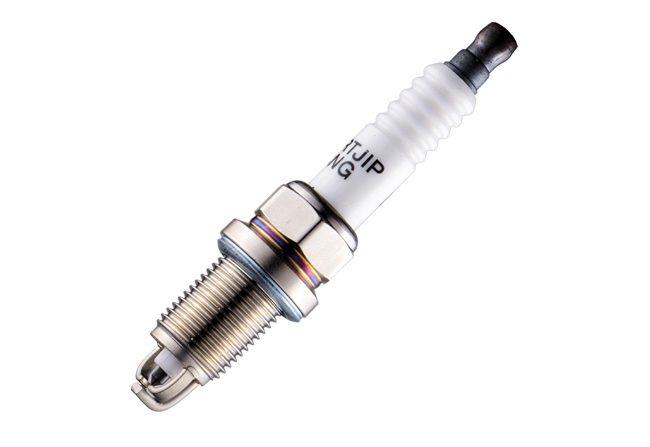
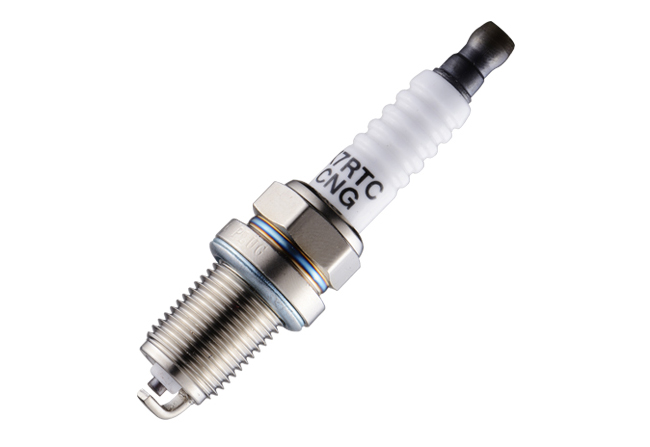
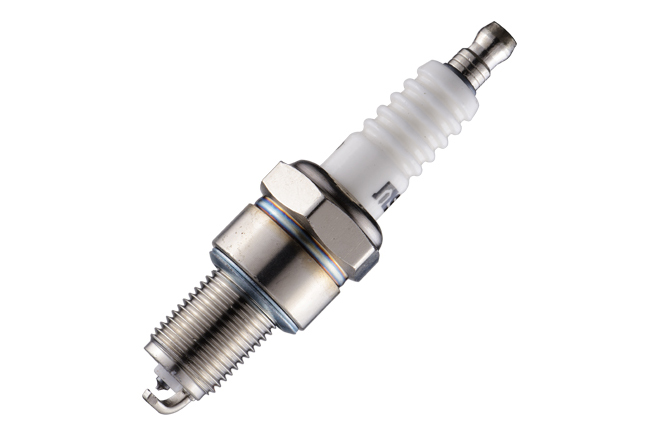
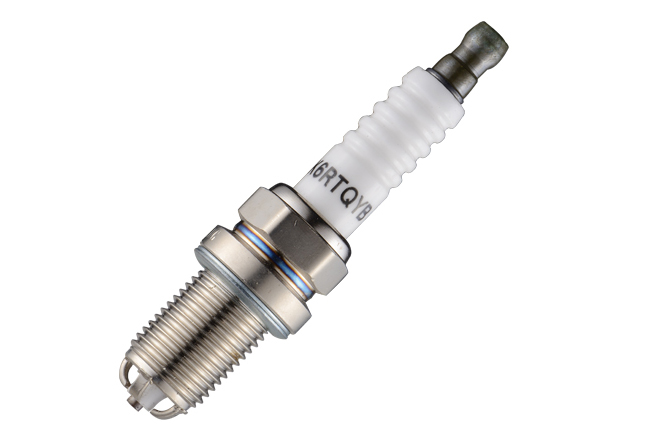
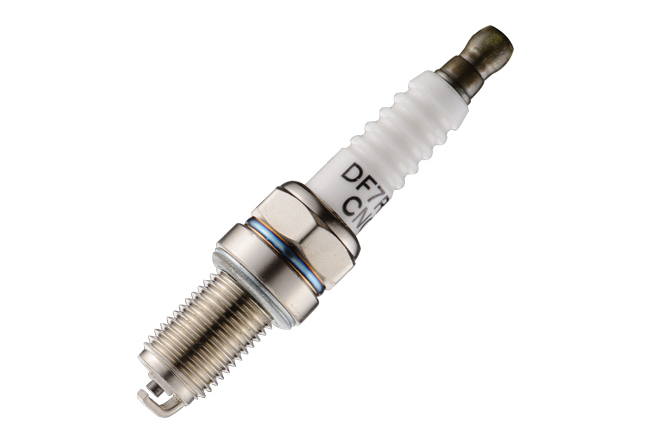
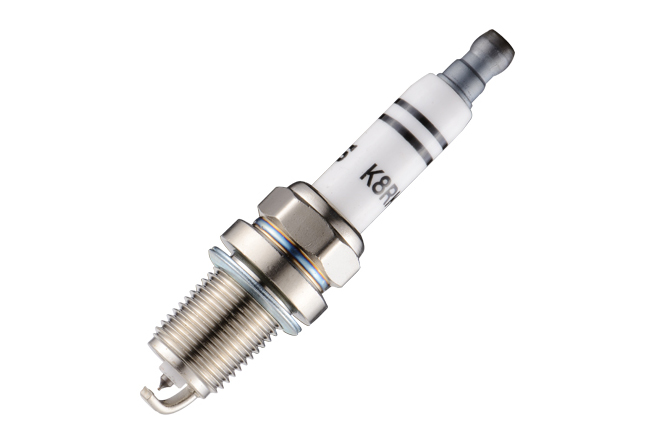

NINGBO MARSHAL AUTO PARTS CO., LTD. is a research and development, production and sales of professional manufacturers of spark plugs. Our company's spark plugs are mainly used in gasoline, natural gas and liquefied petroleum gas as fuel for all types of automobiles.
COPYRIGHT NINGBO MARSHAL AUTO PARTS CO., LTD. ALL RIGHTS RESERVED. Custom Spark Plugs Manufacturers OEM Spark Plugs Suppliers


 English
 中文简体
中文简体