If your car is shaking, vibrating at idle, or struggling to start, worn or failing spark plugs are among the most common culprits. A spark plug ignites the air-fuel mixture inside each cylinder. When it misfires or delivers a weak spark, the engine loses its smooth combustion rhythm — and that imbalance translates directly into physical shaking you can feel through the steering wheel, seat, or floorboard. The good news: identifying this problem early and sourcing quality replacements from a reliable automotive spark plugs manufacturer can restore your engine's performance efficiently.
This article breaks down exactly how spark plugs cause car vibrations, what the warning signs look like, how different plug types compare, and when it's time to act. Whether you're a vehicle owner, fleet manager, or procurement professional sourcing from a spark plug OEM supplier, understanding spark plug health is fundamental to engine longevity.
Content
Each cylinder in your engine fires in a precise sequence. A healthy car engine spark plug delivers a consistent, timed spark that ignites the compressed air-fuel mixture, producing smooth, sequential power strokes. When one or more plugs fail to fire correctly, that cylinder essentially becomes dead weight — contributing no power but still creating drag.
This condition is called an engine misfire. In a 4-cylinder engine, losing one cylinder means you're running at 75% efficiency. In a 6-cylinder, 83%. The engine's balance is disrupted, and the resulting vibration can range from a subtle tremor at idle to a violent shake under acceleration. Studies from the Society of Automotive Engineers (SAE) indicate that misfire-induced vibrations increase engine mount stress by up to 40%, accelerating wear on other components over time.
The vibration pattern also gives clues about severity. Shaking only at idle often points to minor fouling or a slightly worn electrode. Shaking throughout the RPM range, especially under load, may indicate a severely degraded plug, cracked insulator, or incorrect heat range — issues that demand immediate attention.
Common Causes of Engine Vibration (% of Cases)
Source: SAE Technical Reference Data, aggregated automotive diagnostic studies. Worn spark plugs represent the single largest contributor to engine vibration complaints across all vehicle classes. Identifying this root cause early avoids costly secondary damage to catalytic converters, oxygen sensors, and transmission mounts. Fleet operators report that proactive plug replacement cycles reduce vibration-related warranty claims by over 25%.
Engine shaking is rarely the only symptom. Failing spark plugs send multiple warning signals simultaneously, and recognizing the full picture helps confirm the diagnosis before spending time and money on unrelated repairs.
If three or more of these symptoms appear together, there is a high probability that spark plug replacement is needed. Continuing to drive in this condition risks fouling your catalytic converter — a repair that can cost five to ten times more than a set of plugs.
Not all spark plugs are equal. The electrode material determines durability, ignition efficiency, and replacement interval. Working with a qualified ignition spark plug factory means understanding the technical distinctions between plug families before specifying replacements.
| Type | Electrode Material | Service Life | Best For | Key Advantage |
|---|---|---|---|---|
| Copper | Nickel alloy / copper core | 20,000–30,000 km | Older engines, distributors | Excellent conductivity |
| Platinum | Platinum tip | 60,000–100,000 km | DIS systems, modern sedans | Consistent spark, low wear |
| Iridium | Iridium alloy tip | 100,000–160,000 km | High-performance, turbo, GDI | Hardest electrode, fine wire |
| Double Platinum | Platinum on both electrodes | 80,000–120,000 km | Waste-spark ignition systems | Bidirectional firing efficiency |
Among these, iridium spark plugs have become the dominant choice for OEM fitment in vehicles produced after 2010. Iridium's melting point of 2,447°C (compared to platinum's 1,768°C) allows for finer electrode geometries that require less voltage to fire — a key advantage in direct-injection engines operating under high cylinder pressures. Sourcing from a certified iridium spark plug manufacturer ensures the alloy composition and tip bonding processes meet OEM-level tolerances.
Spark Plug Performance Radar: Iridium vs Platinum vs Copper
The radar chart above illustrates the multi-dimensional performance gap between iridium, platinum, and copper spark plugs. Iridium leads comprehensively in durability and heat resistance — the two factors most directly linked to misfire prevention and engine vibration control. While copper excels in raw electrical conductivity, its significantly shorter service life makes it less suitable for modern engines with tighter maintenance intervals. For procurement teams sourcing from a car spark plug wholesale supplier, iridium's longer replacement cycle often delivers a lower total cost of ownership despite a higher unit price.
Every ignition event subjects the spark plug to extreme conditions: temperatures exceeding 800°C, voltage spikes up to 45,000 volts, and mechanical vibration from combustion pulses. Over time, these stresses erode the electrode material and change the spark plug's gap.
Gap erosion is the primary wear mechanism. As the electrode wears, the gap between center and ground electrode widens. A factory-spec gap might be 1.0–1.1 mm; a plug worn to 1.5 mm requires significantly more voltage to bridge, increasing the chance of misfire under high-load conditions. This is why the insulator material quality is critical — it must withstand repeated high-voltage pulses without cracking or tracking.
Secondary wear mechanisms include carbon fouling (caused by oil burning or rich fuel mixtures), ash deposits (from certain fuel additives), and pre-ignition damage (from incorrect heat range selection). A plug running too hot will show a blistered white insulator; one running too cool will accumulate black sooty deposits. Both conditions degrade spark quality and contribute to vibration.
Electrode Gap Growth vs. Mileage (mm)
The line chart tracks electrode gap growth across 100,000 km for three plug types. Copper plugs enter the misfire-risk zone (gap above approximately 1.4 mm) before reaching 60,000 km, while iridium plugs maintain a gap well within safe limits through 100,000 km. This data reinforces why modern OEM specifications favor iridium or platinum plugs, and why a performance spark plug supplier should be evaluated on electrode alloy composition, not just price. For fleet managers, this chart effectively translates electrode material choice into predictable maintenance scheduling.
Manufacturer-recommended replacement intervals vary by plug type and engine design. However, these are maximum intervals under ideal conditions — real-world driving with frequent short trips, stop-and-go traffic, or low-quality fuel will accelerate wear. The following intervals represent widely accepted guidelines, not guarantees.
Recommended Spark Plug Replacement Intervals (km)
This column chart compares typical maximum replacement intervals for four spark plug categories. The gap between copper and iridium plugs is substantial — iridium plugs can serve five times longer before requiring replacement. For automotive distributors and wholesalers procuring through a car spark plug wholesale channel, this means fewer SKUs to manage and more predictable reorder cycles. Importantly, even iridium plugs should be inspected at the halfway point of their rated interval to account for real-world driving conditions that may accelerate wear beyond the rated specification.
Even if you haven't reached the mileage threshold, replace spark plugs immediately if you observe: a Check Engine misfire code (P030X series), visible cracks in the ceramic insulator during inspection, heavy black carbon deposits that don't clean off, or a measured gap more than 0.3 mm beyond spec. These are condition-based triggers that outweigh the mileage calendar.
While much attention goes to electrode materials, the ceramic insulator is equally important. The insulator must electrically isolate the center electrode from the shell, withstand mechanical shock, and dissipate heat efficiently into the cylinder head. A low-quality insulator with micro-cracks or insufficient density allows voltage to track along its surface, resulting in weak or misfired sparks — directly causing engine vibration.
High-density alumina ceramics are the industry standard, offering dielectric strength exceeding 30 kV/mm and thermal conductivity that keeps insulator tip temperatures within safe operating ranges. The nose geometry of the insulator also determines the plug's heat range — a longer nose retains heat (hotter plug), while a shorter nose dissipates it faster (colder plug). Matching this to the engine's thermal requirements is essential for stable combustion.
Manufacturing consistency matters here. Insulators produced with tightly controlled sintering processes and 360° continuous laser measurement maintain dimensional accuracy across production batches — reducing the risk of field failures that escape initial quality testing.
The relationship between spark plug condition and fuel economy is direct and measurable. The U.S. Department of Energy estimates that misfiring spark plugs can reduce fuel efficiency by up to 30%. For a vehicle averaging 10 liters per 100 km, that translates to a 3-liter-per-100-km penalty — significant over an annual mileage of 20,000 km.
Beyond the wallet impact, unburned hydrocarbons from misfiring cylinders pass through the exhaust system and can permanently damage the catalytic converter. The converter's platinum-group metal catalyst is designed for fully combusted exhaust gases; raw fuel exposure reduces its conversion efficiency and can cause thermal runaway damage. A single set of worn plugs can destroy a catalytic converter worth many times the cost of the plugs themselves.
From an emissions standpoint, HC (hydrocarbon) and CO (carbon monoxide) levels spike dramatically during misfires. Vehicles operating with worn plugs may fail emissions inspections in regions with strict standards, making timely replacement not just a performance issue but a regulatory compliance matter for fleet operators.
Fuel Consumption Increase (%) by Plug Condition
Even slightly worn plugs introduce a measurable fuel consumption penalty that compounds over time. Severely degraded plugs can push fuel costs up by nearly a third compared to new plugs — a powerful economic argument for proactive maintenance. For fleet operators running hundreds of vehicles, the aggregate fuel savings from timely plug replacement through a reliable automotive spark plugs manufacturer can be substantial. The environmental benefit is equally significant: reduced hydrocarbon emissions directly translate to a lower carbon footprint per vehicle.
For procurement teams, fleet managers, and automotive distributors, the supplier selection process for spark plugs requires evaluating manufacturing capability, quality certification, and technical support — not just price. A genuine spark plug OEM supplier operates to a different standard than commodity parts re-sellers.
Key evaluation criteria include: vertical integration of ceramic insulator production (self-manufactured insulators allow tighter dimensional control), electrode alloy traceability, compliance with RoHS and REACH directives, and laboratory testing capacity against recognized international standards. Suppliers with dedicated R&D teams capable of reverse engineering and development from sample vehicles offer stronger OEM-fitment accuracy.
NINGBO MARSHAL AUTO PARTS CO., LTD. is a professional China automotive spark plugs manufacturer and factory with over 30 years of development and reverse engineering experience. The company operates its own ceramic factory, allowing complete control over insulator production — a distinction that most sourcing operations cannot match. Self-produced ceramic insulators feature high density, superior dielectric strength, and a thickened insulator nose design that improves mechanical strength under modern engine operating conditions.
Electrode systems are engineered for electrical conductivity, heat resistance, heat dissipation, and ablation resistance. Shell components undergo material selection optimizing malleability, toughness, and hardness — reducing the risk of shell cracking during installation and improving thermal management in service. The company holds quality management system certification and its electrodes carry TUV PASS certification with full RoHS and REACH conformity documentation.
The laboratory operates to 17 international and national spark plug industry test standards and applies more than 34 original-equipment-level internal control tests, with inspection coverage across the entire production process. For buyers evaluating an ignition spark plug factory partner, this testing infrastructure provides a meaningful quality assurance baseline that supports OEM-grade performance claims with documented evidence.
The 360° continuous laser technology applied to insulator measurement ensures consistent dimensional accuracy across production batches, minimizing field failure rates attributable to manufacturing variance. This level of process control matters most in high-volume procurement contexts where individual inspection of every part is impractical.
Q1: What happens if spark plugs are worn out?
Worn spark plugs cause engine misfires, rough idling, poor fuel economy, sluggish acceleration, and increased exhaust emissions. Left unaddressed, they can damage the catalytic converter and oxygen sensors.
Q2: Can bad spark plugs cause a misfire?
Yes. A worn or fouled spark plug that cannot consistently ignite the air-fuel mixture will cause a misfire in that cylinder. Misfire codes P0300–P0308 directly indicate which cylinder is affected.
Q3: Why is my car shaking at idle?
Shaking at idle most commonly results from one or more cylinders misfiring. Worn spark plugs are the primary cause, though vacuum leaks, dirty fuel injectors, or a failing ignition coil can also contribute.
Q4: Why is my engine hard to start?
Degraded spark plugs deliver a weaker spark, making ignition difficult especially when the engine is cold. Extended cranking times, multiple start attempts, or failure to start in cold weather often point to worn plugs.
Q5: How often should spark plugs be replaced?
Copper plugs typically need replacement every 20,000–30,000 km. Platinum plugs last 60,000–100,000 km. Iridium plugs can reach 100,000–160,000 km. Always follow your vehicle manufacturer's specification as the primary guide.
Q6: Can I drive with bad spark plugs?
Short-term driving is possible but not advisable. Continued operation with misfiring plugs risks catalytic converter damage, increased emissions, worsening fuel economy, and potential engine damage from uncontrolled combustion events.
Q7: What happens if you don't change spark plugs?
Neglecting plug replacement leads to progressive misfires, rising fuel costs, catalytic converter failure, hard starting, and eventually a no-start condition. Secondary damage from long-term misfire can multiply repair costs significantly compared to a timely plug replacement.
Q8: How do I know which spark plug type fits my car?
Check your vehicle owner's manual or the OEM fitment specification for your engine model. For sourcing needs, a qualified performance spark plug supplier can cross-reference plug specifications by engine type, thread size, heat range, and electrode configuration.
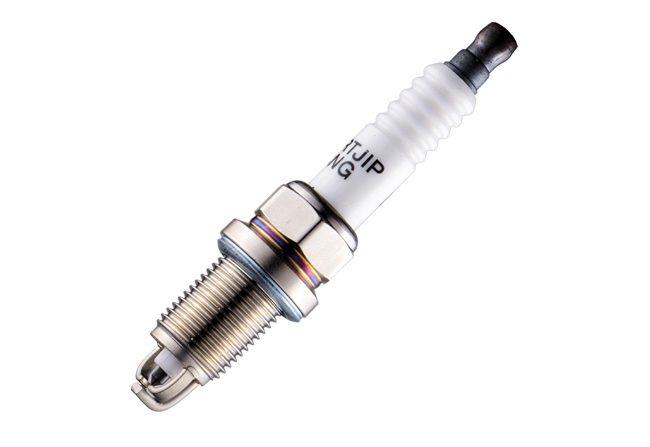
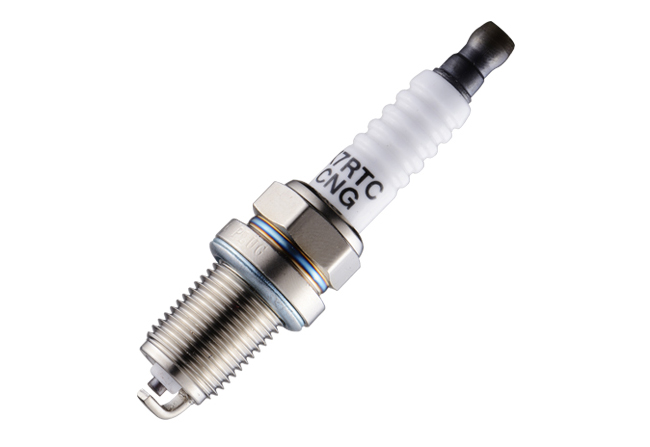
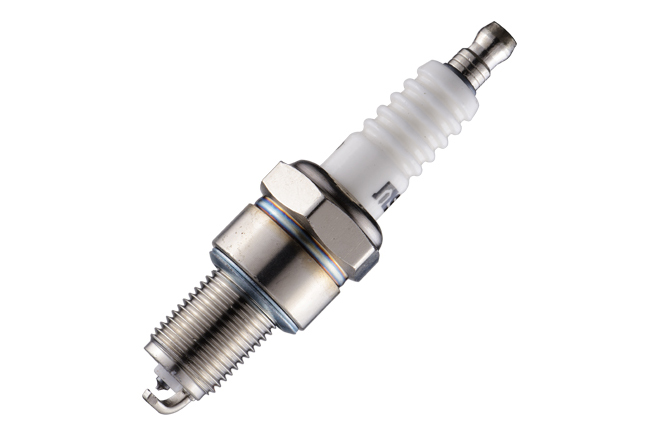
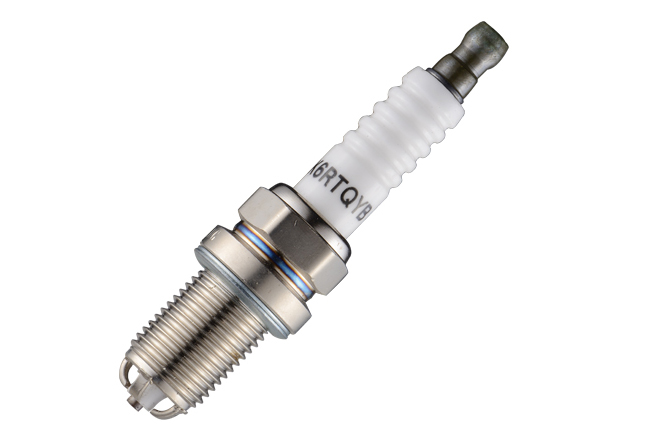
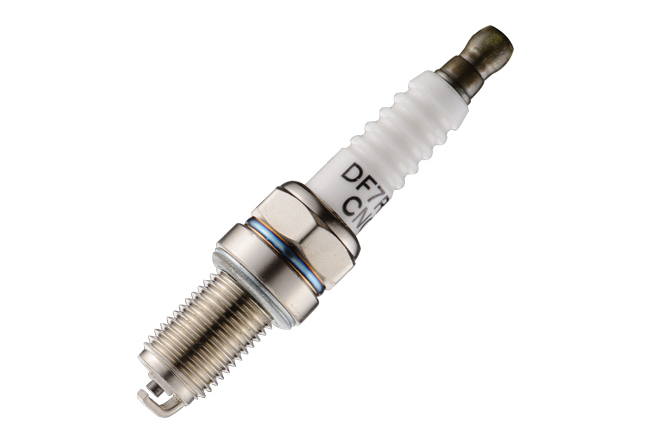
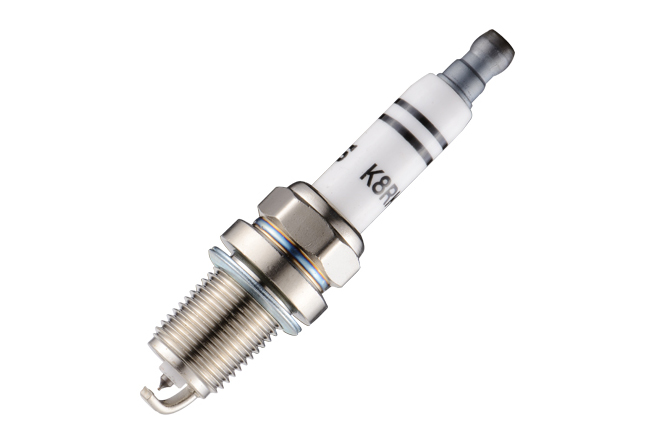
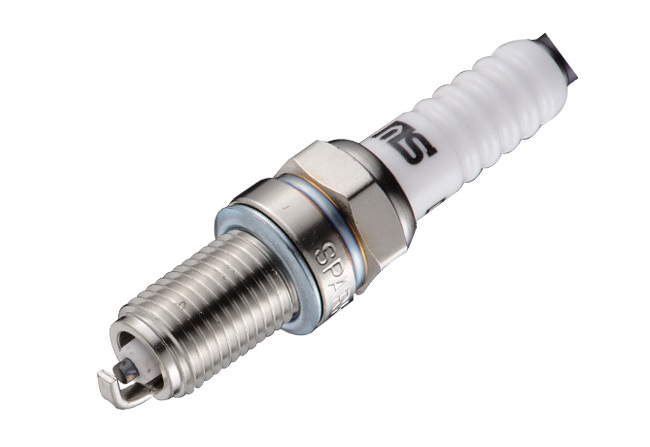

NINGBO MARSHAL AUTO PARTS CO., LTD. is a research and development, production and sales of professional manufacturers of spark plugs. Our company's spark plugs are mainly used in gasoline, natural gas and liquefied petroleum gas as fuel for all types of automobiles.
COPYRIGHT NINGBO MARSHAL AUTO PARTS CO., LTD. ALL RIGHTS RESERVED. Custom Spark Plugs Manufacturers OEM Spark Plugs Suppliers


 English
 中文简体
中文简体