Content
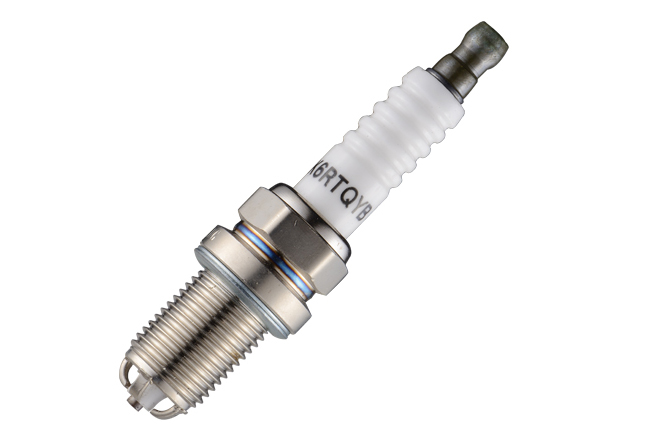
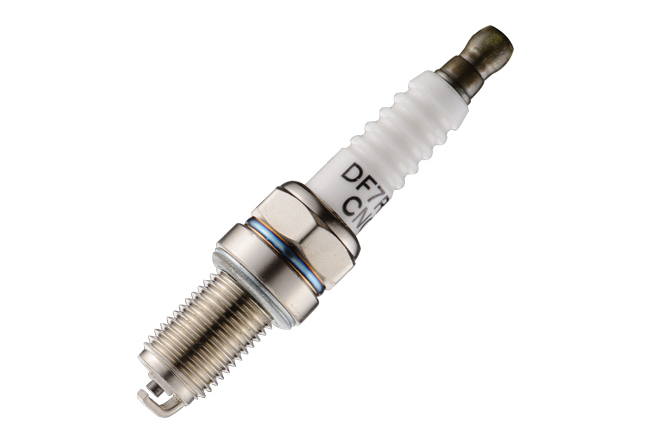
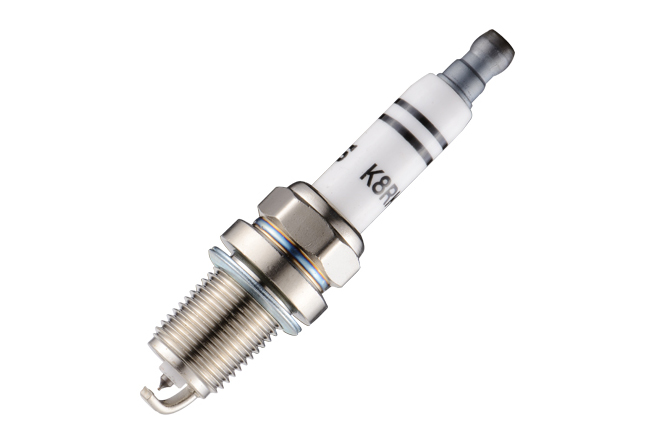
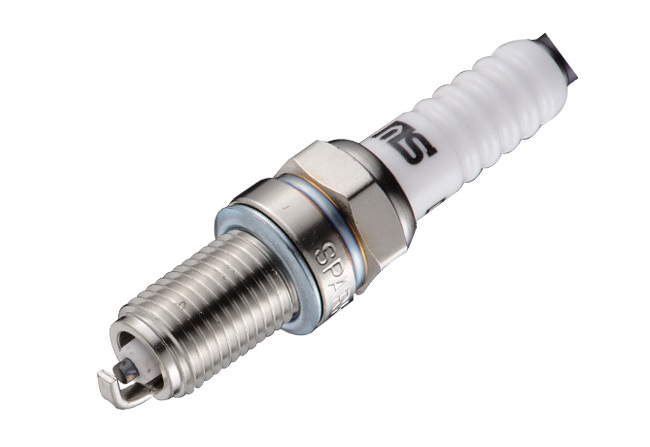
Spark plugs are one of the core components of the engine ignition system. Their main function is to generate a spark inside the cylinder using high-voltage current to ignite the compressed air-fuel mixture. They are located on the engine cylinder head and typically correspond one-to-one with the number of cylinders in the engine.
The working principle of spark plugs is as follows:
(1) Ignition: When the engine starts, current is transmitted to the spark plug through the ignition coil, generating an arc or spark, thereby igniting the air-fuel mixture in the cylinder.
(2) Working Cycle: Spark plugs need to operate at extremely high temperatures because they are directly exposed to the combustion chamber, enduring high temperature and high pressure. During operation, spark plugs continuously self-clean and self-cool to maintain their performance. The health of the spark plugs directly affects engine performance, combustion efficiency, and fuel consumption.
Carbon deposits, dirt, or sediment on spark plugs can reduce ignition efficiency, leading to a series of adverse consequences and ultimately affecting fuel consumption. Specifically, dirty spark plugs can cause the following problems:
(1) Incomplete ignition
Dirty deposits, sludge, or carbon buildup on the spark plug surface can affect the intensity of the ignition spark, resulting in incomplete or delayed ignition. This means the engine cannot fully combust the air-fuel mixture, resulting in insufficient power and requiring more fuel to maintain vehicle operation, thus increasing fuel consumption.
(2) Ignition advance or delay
Dirty spark plugs can cause ignition timing to shift (advance or delay), causing the engine to operate at a suboptimal ignition time, leading to reduced combustion efficiency and increased unnecessary fuel consumption.
(3) Unstable engine operation
When spark plugs cannot work efficiently, the engine may vibrate, operate unevenly, or even experience unstable idling or stalling. To compensate for these problems, the engine will consume more fuel, thus increasing fuel consumption.
(4) Increased Emissions
Dirty spark plugs can also lead to incomplete combustion, resulting in the emission of more harmful substances, such as unburned hydrocarbons. This not only increases fuel consumption but may also have a negative impact on the environment.
Therefore, the health of spark plugs is crucial for controlling fuel consumption. If car owners neglect spark plug maintenance and cleaning, they may face problems such as increased fuel consumption and insufficient power.

Car owners can determine if their spark plugs are dirty and thus affect fuel consumption by observing the following symptoms:
(1) Difficulty starting the engine: If the spark plugs are heavily carbonized, the engine may start slowly, requiring multiple attempts to ignite.
(2) Increased fuel consumption: If the fuel gauge drops rapidly without a significant change in vehicle speed or driving style, this may be due to dirty spark plugs causing reduced ignition efficiency, resulting in excessive fuel consumption.
(3) Weak acceleration or insufficient power: Carbon buildup on the spark plugs can cause noticeable sluggishness or weakness in engine acceleration, especially at high speeds.
(4) Engine vibration: When the spark plugs are not functioning properly, the engine may run unevenly, manifesting as vehicle vibration at idle, significantly worsening the driving experience.
(5) Engine malfunction indicator light illuminates: If the vehicle's engine control system detects abnormal spark plug operation, it may trigger the malfunction indicator light to illuminate, usually indicating carbon buildup or damage to the spark plugs. If these symptoms are observed, the car owner should promptly check the condition of the spark plugs to prevent further increases in fuel consumption.
Cleaning spark plugs is an important maintenance task that can help restore their efficiency, improve engine combustion, and thus reduce fuel consumption. Here are some common cleaning methods:
(1) Manual Cleaning (Brushing)
Manual cleaning is the most common method and is suitable for spark plugs with light carbon buildup. The steps are as follows:
Remove the spark plugs: First, turn off the engine and disconnect the ignition wires. Use a suitable tool (such as a spark plug wrench) to remove the spark plugs.
Clean the spark plug surface: Gently brush the electrode portion of the spark plug with a brush (such as a wire brush) to remove surface carbon deposits, dirt, or oil. Using a dedicated spark plug cleaner or degreaser will yield better results.
Check the spark plugs: After cleaning, check if the spark plug electrode gap is appropriate. If the electrodes are excessively worn, consider replacing the spark plugs.
(2) Using Spark Plug Cleaner
There are specialized spark plug cleaners on the market that can help remove carbon deposits and other build-up on spark plugs. The usual method is to spray the cleaner onto the spark plug electrodes, wait for it to work for a while, and then scrub it clean with a brush. Finally, use an air blower or water to remove any remaining cleaner and dirt.
(3) Replacing Spark Plugs
If the spark plugs haven't been cleaned for a long time, or if they are severely damaged and have accumulated carbon deposits, manual cleaning may not restore their normal performance. In this case, it's best to replace them with new spark plugs. Replacing spark plugs not only improves fuel economy but also enhances engine starting performance and power output.
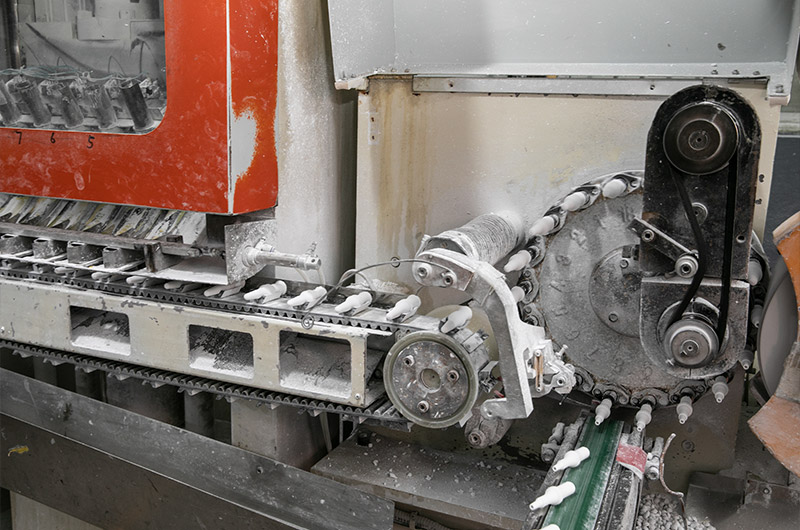
To prevent spark plug contamination, good driving habits and regular maintenance are essential. Here are some practical preventative measures:
(1) Regularly Replace Spark Plugs
Check and replace spark plugs regularly according to the car manufacturer's recommendations. This effectively prevents long-term carbon buildup, thereby improving engine combustion efficiency and fuel economy.
(2) Avoid Frequent Short-Distance Driving
Short-distance driving can lead to unstable engine temperatures and incomplete fuel combustion, making spark plugs more prone to carbon buildup. Avoid frequent short-distance driving, especially in cold weather.
(3) Use High-Quality Fuel
Choosing high-quality fuel with additives can effectively reduce carbon buildup, improve combustion efficiency, and thus reduce spark plug contamination.
The health of spark plugs is closely related to fuel consumption. Dirty spark plugs not only reduce engine efficiency but may also increase fuel consumption. Therefore, car owners should regularly check the condition of their spark plugs and clean and maintain them promptly. Regularly cleaning spark plugs to maintain their optimal working condition can effectively improve engine performance, reduce fuel consumption, extend spark plug life, and enhance the driving experience. If spark plugs are severely damaged, timely replacement is also crucial for ensuring efficient engine operation.
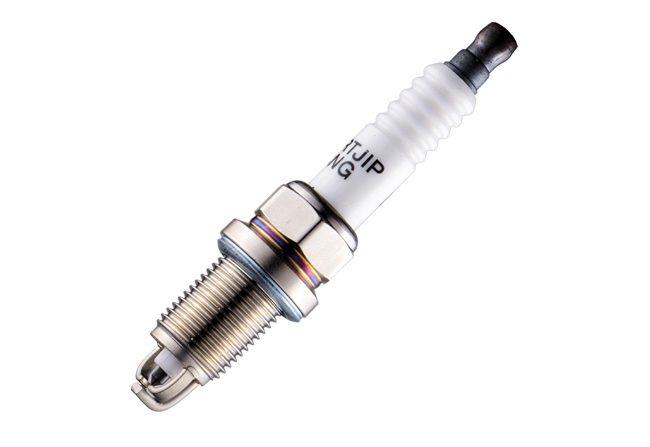
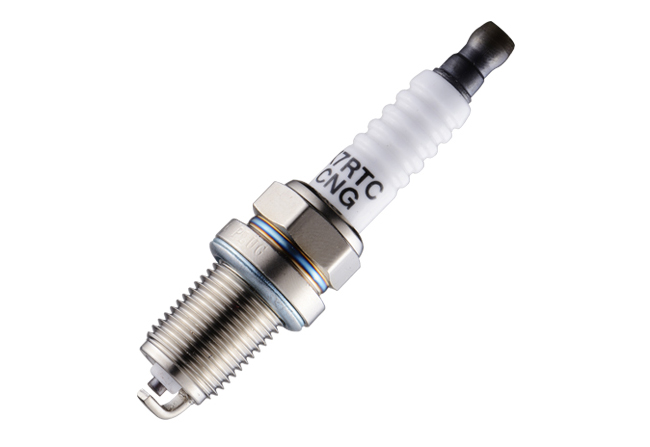
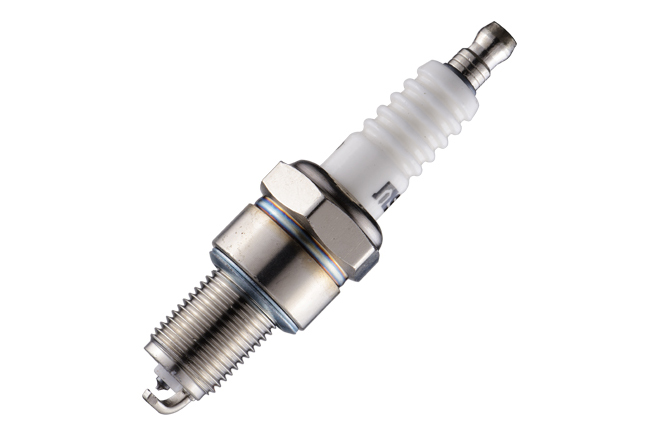
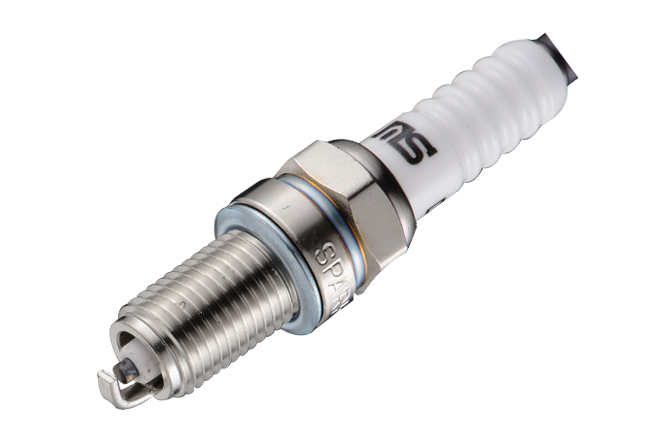

NINGBO MARSHAL AUTO PARTS CO., LTD. is a research and development, production and sales of professional manufacturers of spark plugs. Our company's spark plugs are mainly used in gasoline, natural gas and liquefied petroleum gas as fuel for all types of automobiles.
COPYRIGHT NINGBO MARSHAL AUTO PARTS CO., LTD. ALL RIGHTS RESERVED. Custom Spark Plugs Manufacturers OEM Spark Plugs Suppliers


 English
 中文简体
中文简体