
When you pull a spark plug out of an engine after thousands of miles, the first thing you notice is the color of the ceramic insulator. If you see a brown or light gray tint, your immediate question is likely: is this good or bad? The short answer is: a clean, warm brown coloration is the textbook sign of a properly functioning spark plug. The combustion process is burning fuel efficiently, the heat range is correct for your engine, and the plug is living a normal life. But not every brown is the same, and the subtle shades of tan, rust, or darker brown can tell you different things about fuel quality, engine wear, and service intervals.
In this guide, we break down what brown spark plug color actually means, which colors demand your attention, how to read deposits like a technician, and when to act. This is practical knowledge for anyone who wants to keep an engine running clean and avoid costly surprises.
Content
In spark plug condition charts, a light brown to grayish-tan insulator is the benchmark of normal operation. This color appears on the firing end, including the insulator nose and the electrodes, when the engine has been running at the right air-fuel ratio with the correct heat range for the plug.
The brownish tint is actually a very thin deposit layer that forms as combustion by-products stick to the ceramic. It is not dirt; it is a natural film that proves the plug reaches the self-cleaning temperature zone. A plug that stays in this range will continue to resist carbon fouling and will likely serve out its full service life with minimal electrode erosion.
When you see this color, the practical conclusions are:
So a brown spark plug color is a green light. But the key is distinguishing the healthy brown from a brown that can be a warning sign in certain contexts.
Brown is not one single color. The following table shows the acceptable color range and what each shade typically indicates during a visual inspection.
| Color | Condition | Recommended Action |
|---|---|---|
| Light brown / tan | Normal combustion, correct heat range | No action; continue normal service |
| Grayish tan | Normal operation with slightly lean mixture | No immediate action; monitor fuel economy |
| Brown with minor ash spots | Normal wear; fuel or oil additives | If spots bridge electrodes, schedule cleaning |
| Uniform dark brown | Slightly rich mixture or short city trips | Drive at highway speeds to clean plug |
Notice that every acceptable color still contains brown. If the insulator is completely white or black, you have crossed out of the normal zone and into a condition that needs investigation.
While brown is good, other colors on the spark plug firing end point to specific engine issues. Use this table as a quick diagnostic reference when you inspect a set of plugs.
| Color / Deposit | Likely Cause | Potential Damage |
|---|---|---|
| Black, dry soot | Rich fuel mixture, weak ignition, or too many short trips | Misfires, hesitation, higher fuel consumption |
| Black, wet with oil | Oil leaking past valve guides or piston rings | Oil burning, catalytic converter damage |
| White or blistered insulator | Lean mixture, over-advanced timing, overheating | Electrode melting, pre-ignition, engine damage |
| Reddish-brown rust-like crust | Fuel or oil additives containing iron, manganese, or other metals | Excessive deposits may mask the spark |
| Yellow-brown lead fouling | Use of leaded fuel or old fuel with lead additives | Resistance on insulator, abnormal erosion |
If you see any of these conditions, do not just replace the plug. Addressing the root cause first prevents the new plug from suffering the same fate. For example, black sooty deposits usually call for an air-fuel mixture inspection and a check of the ignition coils.
Reading a spark plug correctly requires a clean, unaffected view of the firing end. Follow these steps for an accurate diagnosis:
Knowing the baseline helps you spot problems before they lead to misfires. A complete test process also includes checking the spark output with a spark plug testing procedure to verify ignition strength.
The simple bar chart below summarizes the typical frequency of spark plug conditions seen by professional mechanics, based on common industry service surveys. The data is a visual aid, not a controlled scientific measurement, but it reinforces the importance of understanding color.
Visual approximation based on typical engine service data; actual distribution varies with vehicle age, fuel, and maintenance.
Color alone never tells the whole story. The same brown hue can occur under different operating conditions, so you need to correlate color with how the engine behaves. Here are the most common reasons a brown plug may drift into an abnormal shade.
Many gasolines contain detergents, lubricity agents, and metal-organic additives. These can leave a reddish-brown or rusty crust on the insulator. If the crust is light and does not bridge the gap, you can continue driving. But when it builds up, it can cause misfiring under acceleration. High-quality spark plugs with a larger insulator surface help shrug off these deposits.
Frequent short trips prevent the plug from reaching its self-cleaning temperature. The plug stays cooler, so combustion by-products accumulate. The result may be a darker brown or blackish deposit even though the fuel mixture is correct. A longer highway drive often cleans the plug back to a healthy tan color.
A slightly rich mixture can produce a dark brown plug, while a lean mixture leads to white or blistered insulator. If you notice a brown plug with rough idle or hesitation, check the air intake, fuel injectors, and oxygen sensor.
Oil-fouled plugs almost always go black or dark brown with a wet, oily film. This is not normal. The oil is coming from worn valve guides, piston rings, or PCV issues. Replacing the plugs alone will not fix the problem.
Even a plug with a perfect brown color eventually wears out. The side electrode rounds off, the gap opens wider, and the required ignition voltage increases. A normal plug should be replaced when you see one of the following signs:
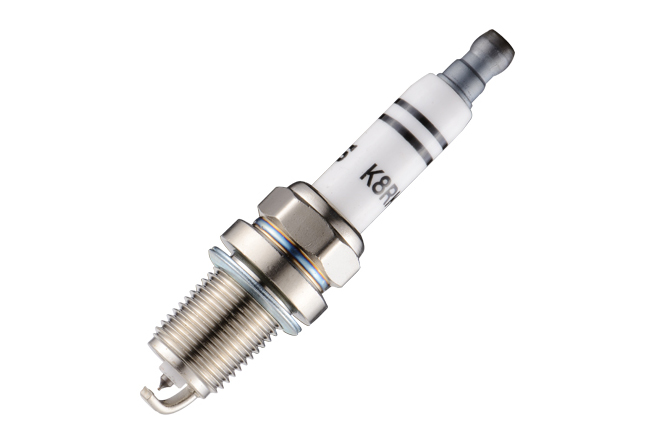
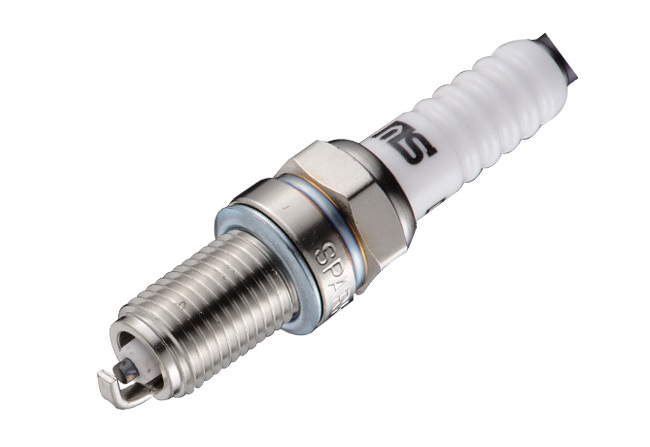
If your plugs are brown but still within the service interval, a clean and regap is often enough. If you are replacing them, consider a quality plug that matches the heat range and thread design of your engine. A reliable option in the standard automotive range is 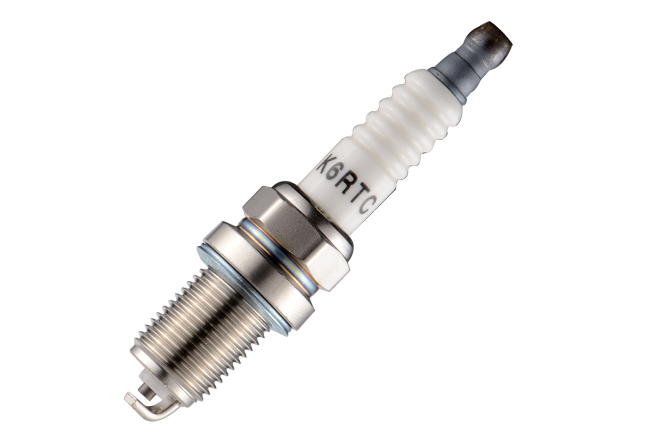 Standard Nickel Electrode Spark Plug for Reliable Everyday PerformanceThis nickel alloy spark plug matches standard heat ranges and thread designs, making it a dependable choice for routine replacements. Its sturdy insulator helps maintain proper combustion and electrode color.View Product →, which uses a nickel alloy electrode and a sturdy insulator for dependable everyday performance.
The spark plug's heat range and material selection directly affect how the color develops over time. A plug that runs too hot can overheat and turn white; a plug that is too cold may accumulate soot and blacken. The correct plug for your engine will maintain a light brown deposit under normal driving.
For engines that need a standard heat range with high vibration resistance, our 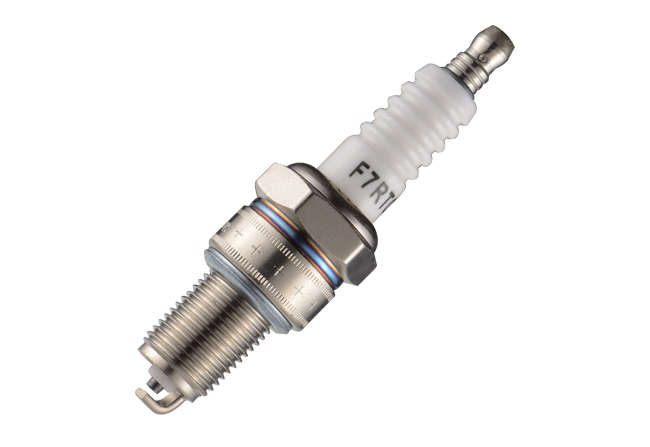 Compact 14mm Spark Plug with Durable Nickel Center ElectrodeDesigned for engines requiring a 14mm thread and standard heat range, this spark plug features a copper core and nickel electrode to resist vibration, ensuring consistent performance and correct plug coloration.View Product → offers a compact design and a durable nickel center electrode. If you want a longer service life with better ignition performance, the
 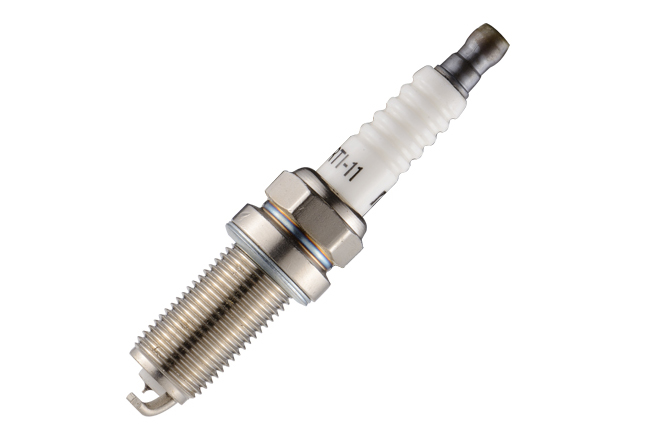 Iridium-Tipped Spark Plug for Stable Ignition and Longer Service LifeWith an iridium center electrode and 26.5mm reach, this plug delivers superior ignition stability and extended durability. It helps keep the insulator clean, preserving accurate brown deposits over time.View Product → is an iridium-tipped option that can sustain a cleaner insulator and more stable brown coloration far longer than conventional plugs.
Keeping the correct plug type prevents the color from becoming a misleading indicator. For example, a high-performance exhaust system or a modified engine may require a different heat range than the original. Always verify the heat range with the manufacturer's recommendations.
Brown spark plug color is a strong signal that the engine is working properly, but it is not the only factor. You should also compare all four cylinders (or more) in a multi-cylinder engine. If one plug is brown and the rest are black or white, the difference points to a specific cylinder issue – a stuck injector, a weak coil, or a vacuum leak in that cylinder's intake runner.
Checking the entire set helps you avoid common traps. A single brown plug can be normal while the remaining plugs indicate a systemic fuel trim problem. Therefore, always replace plugs as a set, and use the color to diagnose the engine, not just the plug.
For more detailed instructions on what to do when you find black deposits, see our guide on how to maintain blackened spark plugs.
To understand why color appears where it does, it helps to know the anatomy of a spark plug. The isometric diagram below highlights the parts that matter most when reading the color.
Main parts of a spark plug exposed to combustion: the insulator tip and electrodes collect visible deposits.
A brown or light tan insulator normally means the spark plug is operating correctly. The fuel mixture is balanced and the plug is at the right temperature, so it is not fouling or overheating.
Dark brown can still be normal, especially if the engine has many short trips. However, if it looks black or wet, the mixture may be too rich or oil may be entering the combustion chamber.
Rusty or reddish-brown deposits usually come from metallic additives in fuel or engine oil. They are not always harmful, but heavy buildup can interfere with the spark and cause hesitation.
Yes, if the plug is brown and the electrodes are not worn, you can gently clean it with a spark plug cleaner or a brass wire brush. Then set the gap to spec and reinstall it.
Different colors between cylinders usually point to a cylinder-specific issue, such as a faulty ignition coil, stuck fuel injector, or an intake vacuum leak. Check those components before replacing all plugs.
Check the color at every scheduled tune-up or every 15,000–20,000 miles. If you notice a loss of fuel economy, rough idle, or misfires, inspect the plugs immediately, even if they are not brown.
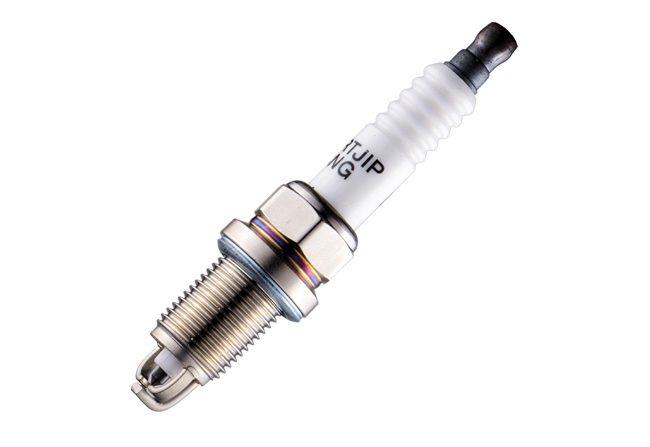
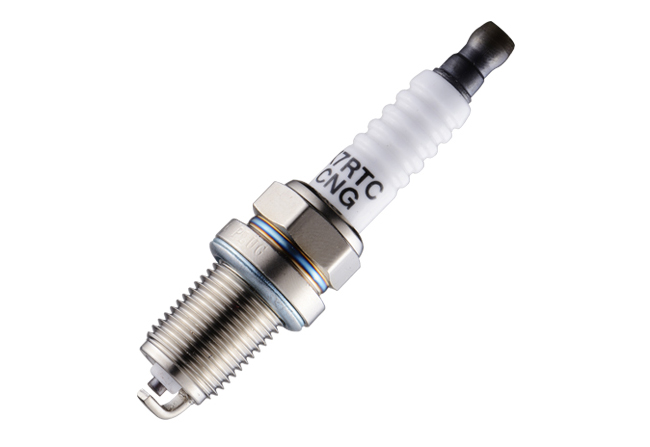
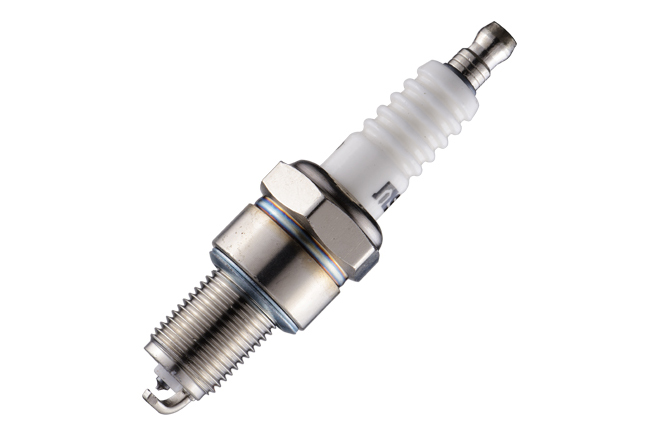
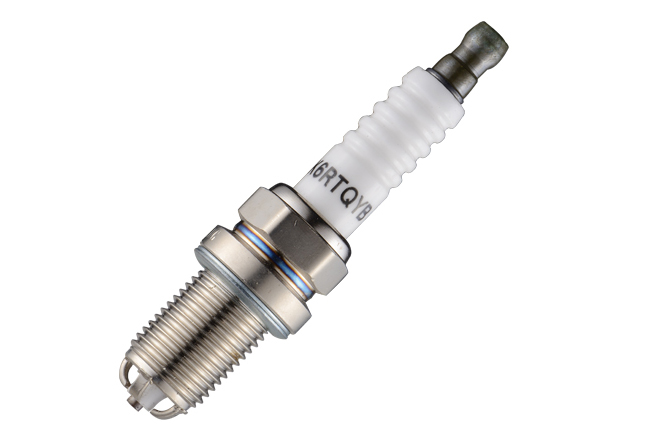
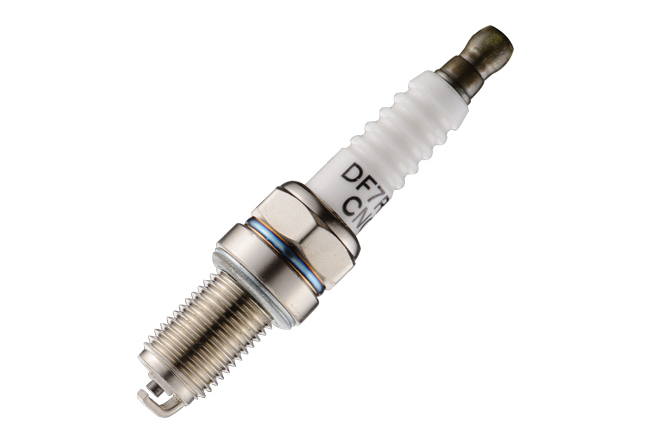

NINGBO MARSHAL AUTO PARTS CO., LTD. is a research and development, production and sales of professional manufacturers of spark plugs. Our company's spark plugs are mainly used in gasoline, natural gas and liquefied petroleum gas as fuel for all types of automobiles.
COPYRIGHT NINGBO MARSHAL AUTO PARTS CO., LTD. ALL RIGHTS RESERVED. Custom Spark Plugs Manufacturers OEM Spark Plugs Suppliers


 English
 中文简体
中文简体