Content
Replacing Automotive Spark Plugs is a manageable maintenance task that can improve fuel efficiency, engine performance, and cold-start reliability. The key to success is using the correct tools, ensuring proper gap and torque, and avoiding over-tightening. Most manufacturers recommend replacement every 30,000–100,000 miles, depending on plug material (copper, platinum, or iridium). Following proper procedures prevents stripped threads, misfires, and engine damage.
Some car owners may ask, why do cars need spark plug replacements? What problems will occur if they don't? Click here to learn why your car needs spark plug replacements.
Preparation reduces installation errors and speeds up the process. Gather the following tools before starting:
Using a torque wrench is critical. Over-tightening can damage aluminum cylinder heads, while under-tightening may cause compression leaks.
Once you have selected the right spark plugs, it’s time to get your hands dirty!
Removing plugs from a hot aluminum cylinder head increases the risk of thread damage. Wait at least 1–2 hours after engine shutdown.
Label wires if necessary to avoid mixing firing order. In modern vehicles with coil-on-plug systems, remove bolts and gently pull the coil upward.
Use steady pressure to loosen the plug. If resistance is high, apply penetrating oil and wait a few minutes before retrying.Take a look at the old plug; it should be a little dirty on the end. If it is oily or white, this could point to other issues that you need to investigate with the help of a professional mechanic. Set the old spark plug aside.
Typical gap ranges from 0.6 mm to 1.1 mm, depending on engine specifications. Always follow manufacturer recommendations.
Thread the plug by hand to prevent cross-threading. Once seated, tighten with a torque wrench according to the specification.Seat the new spark plug by hand; turning it clockwise at least two full turns. Once you have the spark plug snug, use the socket wrench with extension and spark plug socket to tighten it turning the plug clockwise. The plug’s washer should be pressed against the mounting surface.
Take care not to over tighten the plug; you can strip the thread on the head of the engine leading to costly repairs. You can also use a torque wrench to torque it to specification (OE service or repair manual).
Apply dielectric grease inside the coil boot before reinstallation. Start the engine and check for smooth idle and absence of misfire codes.
Repeat the removal and installation process for each spark plug. That’s all there is to it! You have breathed new life into your car with a set of new spark plugs. If at any point you run into issues or have a question, consult your mechanic.
| Thread Size | Torque Range | Common Application |
|---|---|---|
| 10 mm | 10–12 Nm | Small engines |
| 12 mm | 15–20 Nm | Compact cars |
| 14 mm | 20–30 Nm | Most passenger vehicles |
A stripped spark plug thread repair can cost $300–$1,000, making proper torque control essential.
Q1: How often should Automotive Spark Plugs be replaced?
A: Copper plugs typically last 30,000 miles, platinum around 60,000 miles, and iridium up to 100,000 miles.
Q2: What happens if spark plugs are too tight?
A: Over-tightening may damage cylinder head threads or crack the plug insulator.
Q3: Can I replace just one spark plug?
A: It is recommended to replace all plugs at the same time to maintain balanced combustion.
Q4: Do new spark plugs come pre-gapped?
A: Many do, but always verify the gap using a feeler gauge before installation.
Q5: Should anti-seize be applied to spark plug threads?
A: Only if recommended. Many modern plugs have nickel-plated threads that do not require anti-seize.
Q6: What are symptoms of failing spark plugs?
A: Engine misfire, rough idle, reduced fuel efficiency (often 10–20% drop), and difficulty starting.
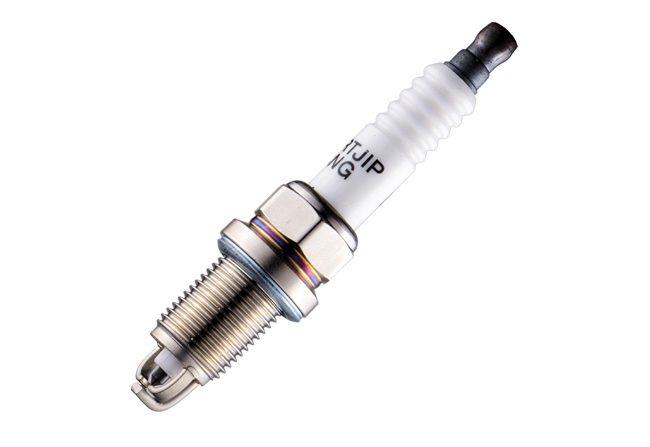
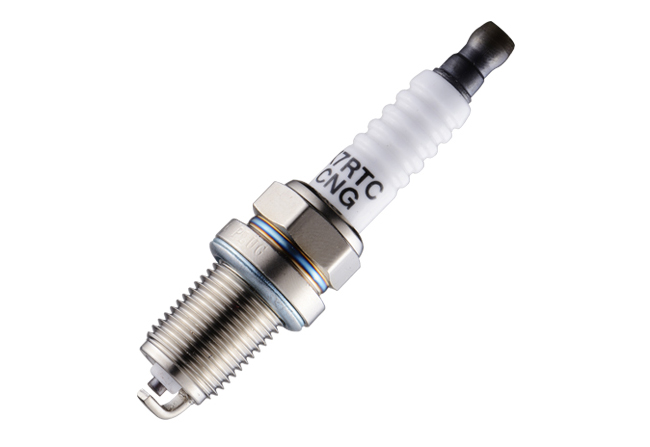
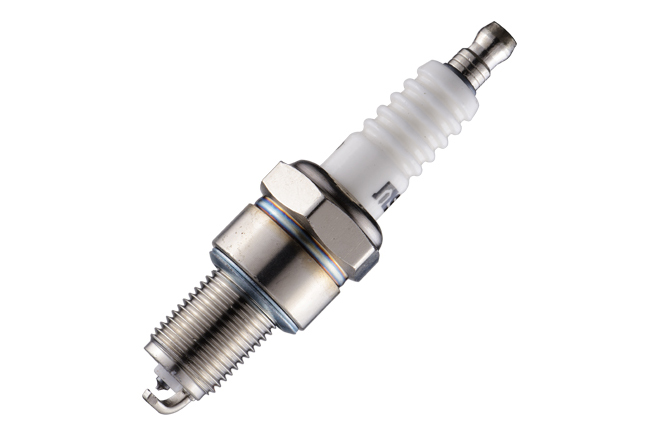
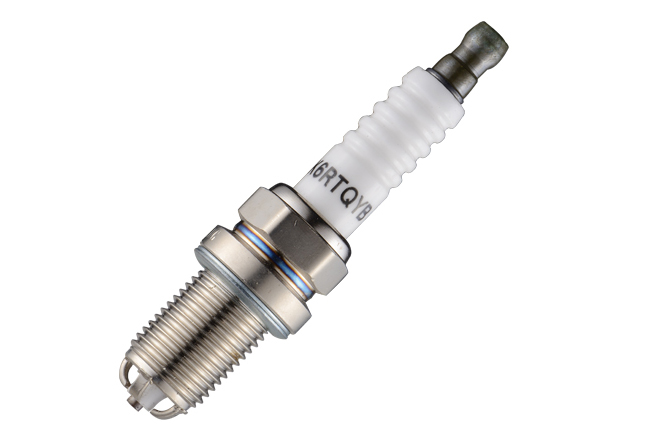
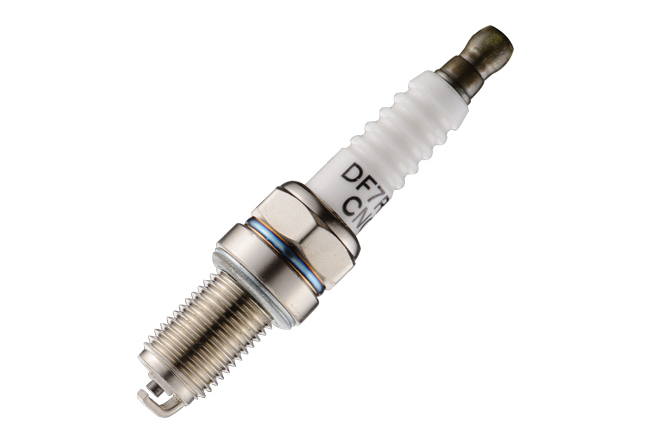
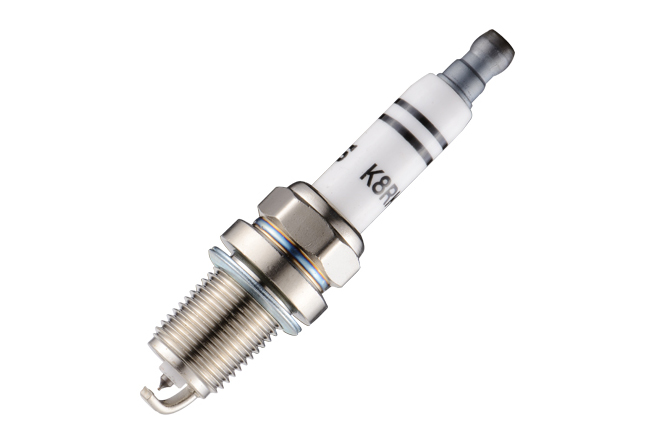
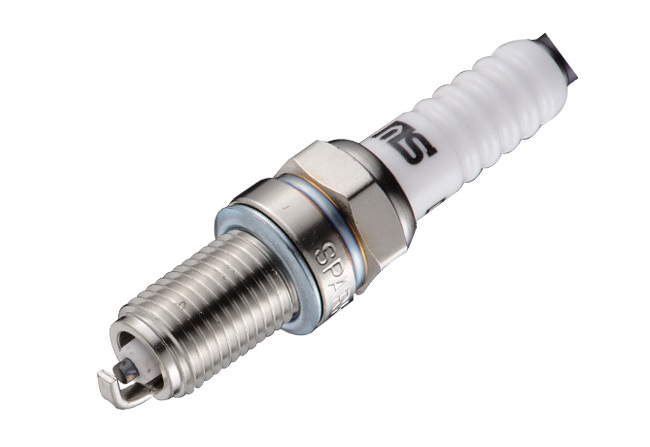
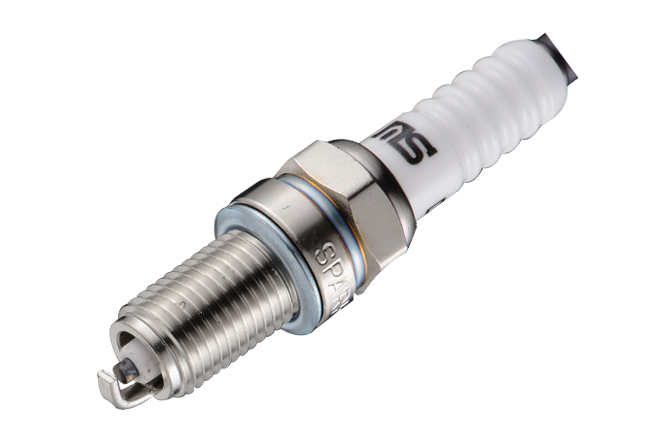

NINGBO MARSHAL AUTO PARTS CO., LTD. is a research and development, production and sales of professional manufacturers of spark plugs. Our company's spark plugs are mainly used in gasoline, natural gas and liquefied petroleum gas as fuel for all types of automobiles.
COPYRIGHT NINGBO MARSHAL AUTO PARTS CO., LTD. ALL RIGHTS RESERVED. Custom Spark Plugs Manufacturers OEM Spark Plugs Suppliers


 English
 中文简体
中文简体