Content
Car spark plugs are essential for igniting the air-fuel mixture in the engine. Over time, spark plugs naturally wear out due to the constant high voltage and heat they are exposed to during operation. The primary reason for wear is the erosion of the electrodes that produce the spark. However, other factors can accelerate this wear, leading to a decrease in performance or complete failure of the spark plug.
The most significant factor in the wear of spark plugs is the extreme heat and pressure inside the engine. Spark plugs are constantly exposed to temperatures up to 4,500°F (2,480°C) during ignition. This intense heat can cause the material of the spark plug to degrade over time, resulting in erosion of the electrodes and reduced spark efficiency.
In addition, a malfunctioning cooling system can also cause the engine and spark plugs to overheat. This overheating can lead to accelerated wear of the spark plug electrodes.
When the engine is running rich (too much fuel and not enough air), carbon deposits can build up on the spark plugs. These deposits can cause the spark plug to misfire, leading to poor engine performance. The carbon buildup also causes the spark plug to degrade faster, reducing its overall lifespan. Signs of carbon fouling include:
Pre-ignition occurs when the fuel-air mixture in the engine ignites prematurely, before the spark plug fires. This leads to high heat and pressure, which can cause significant damage to the spark plug electrodes. Similarly, detonation, a form of abnormal combustion, can also cause spark plug wear. Both of these phenomena are typically caused by:
The excessive heat generated from pre-ignition and detonation can cause severe erosion of the spark plug, reducing its ability to produce a reliable spark and affecting engine performance.
Even under normal operating conditions, spark plugs wear out gradually. The electrodes, typically made of copper, platinum, or iridium, can wear down over time, leading to a weak or inconsistent spark. This wear usually happens slowly, but factors like engine load, driving conditions, and the type of spark plug can affect the rate of deterioration.
The spark plug gap, the distance between the center and ground electrodes, plays a crucial role in spark generation. If the gap is too large or too small, it can affect the spark plug's ability to ignite the fuel properly. A gap that is too wide can cause a weak spark, leading to misfires and increased wear on the spark plug. A gap that is too narrow can lead to incomplete combustion, resulting in poor engine performance.
To ensure proper engine operation, the gap between the center and side electrodes of the spark plug needs to be precisely calibrated. A proper gap ensures the electric arc ignites the fuel at the appropriate voltage, resulting in combustion and engine operation. If the gap is not set correctly, the spark plug electrode tips will experience additional pressure, leading to premature wear.
What should you do if your car's spark plugs malfunction? and How to judge whether the car spark plugs need to be replaced?
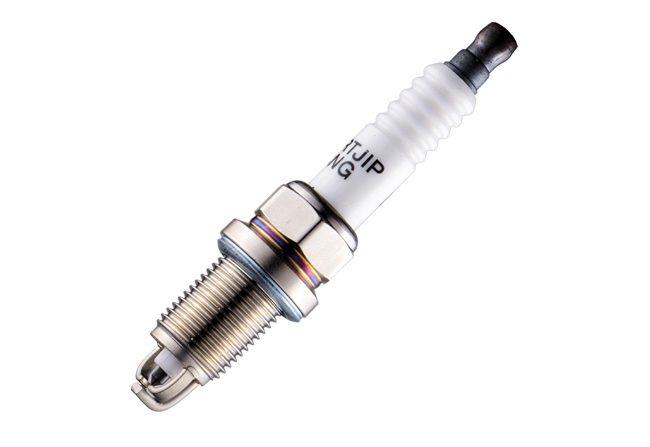
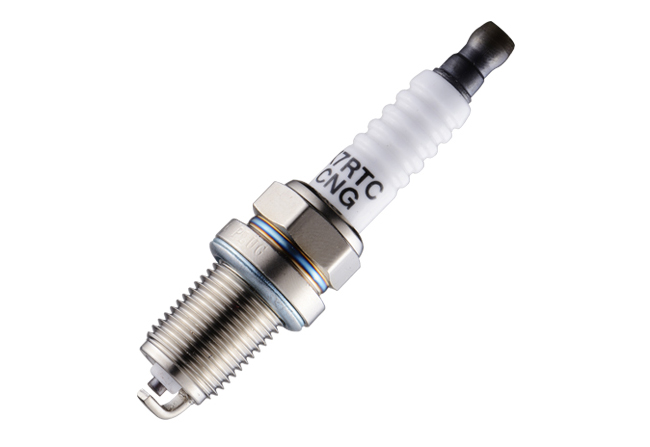
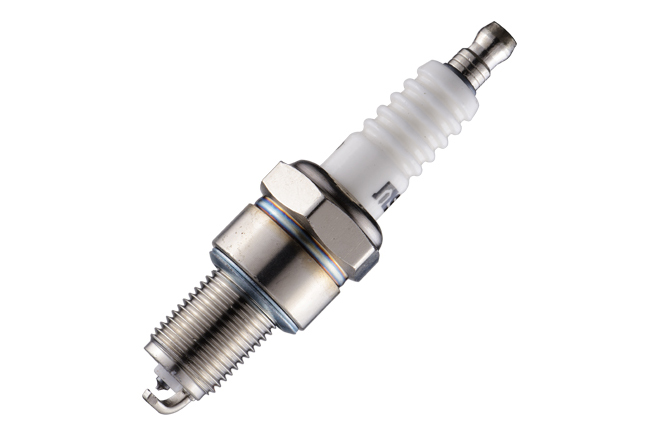
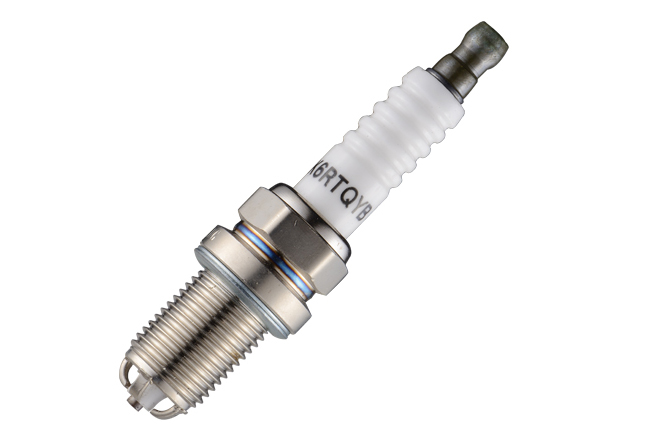
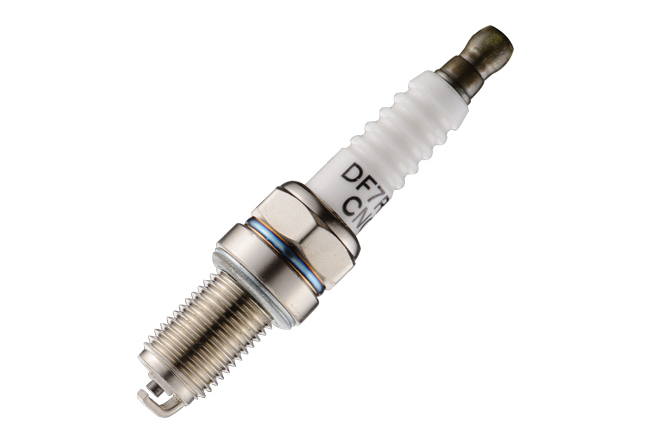
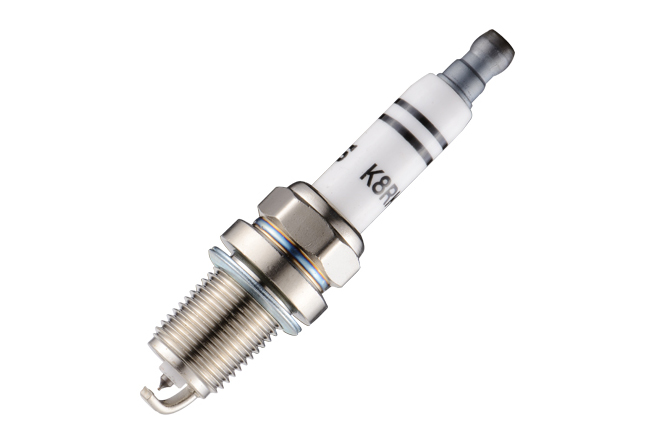
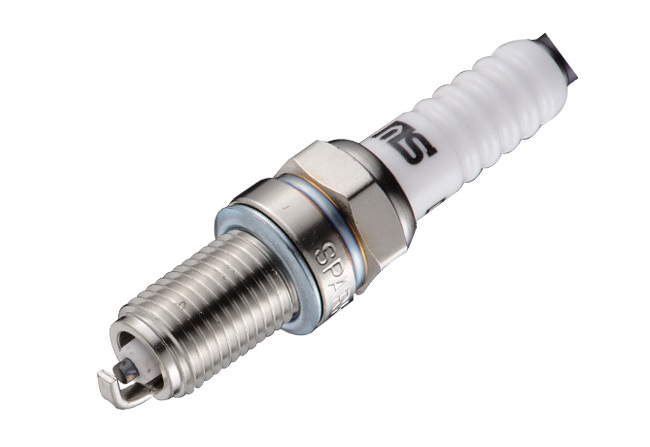
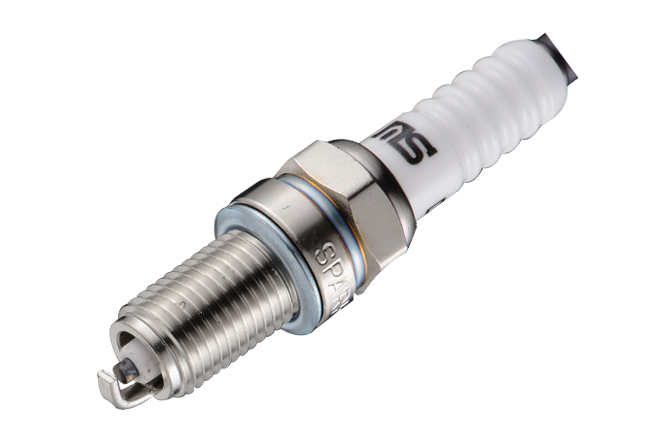

NINGBO MARSHAL AUTO PARTS CO., LTD. is a research and development, production and sales of professional manufacturers of spark plugs. Our company's spark plugs are mainly used in gasoline, natural gas and liquefied petroleum gas as fuel for all types of automobiles.
COPYRIGHT NINGBO MARSHAL AUTO PARTS CO., LTD. ALL RIGHTS RESERVED. Custom Spark Plugs Manufacturers OEM Spark Plugs Suppliers


 English
 中文简体
中文简体