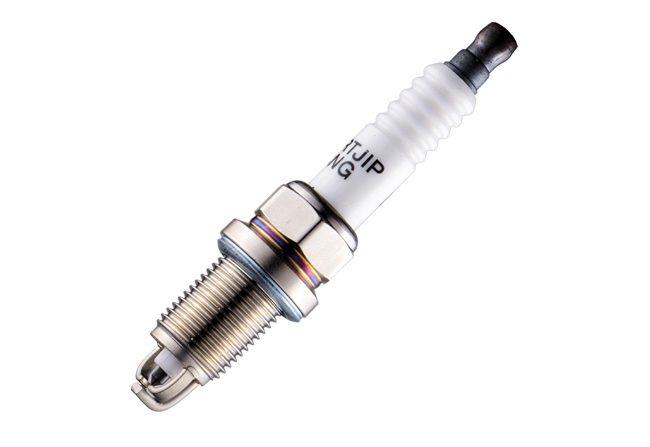
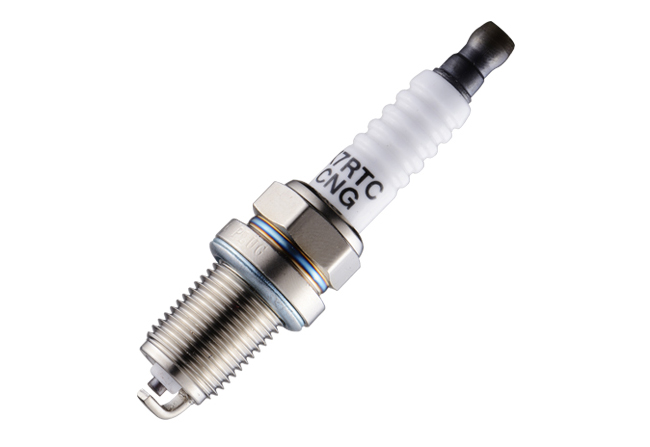
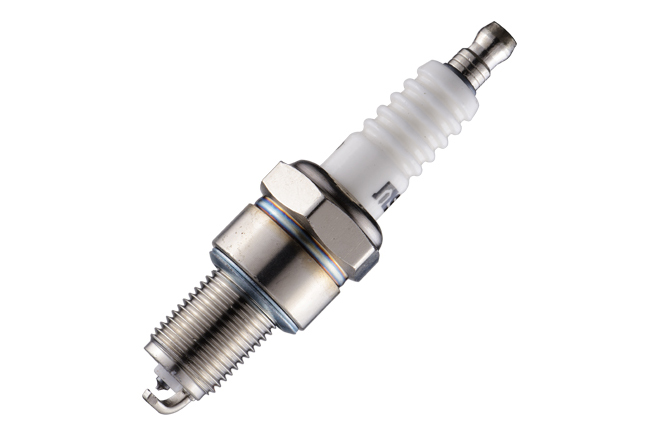
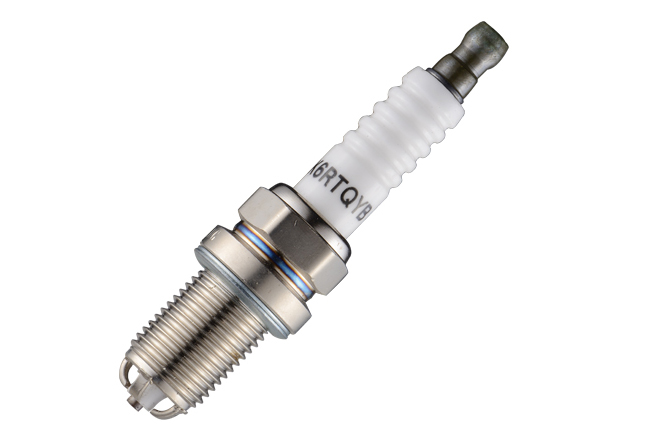
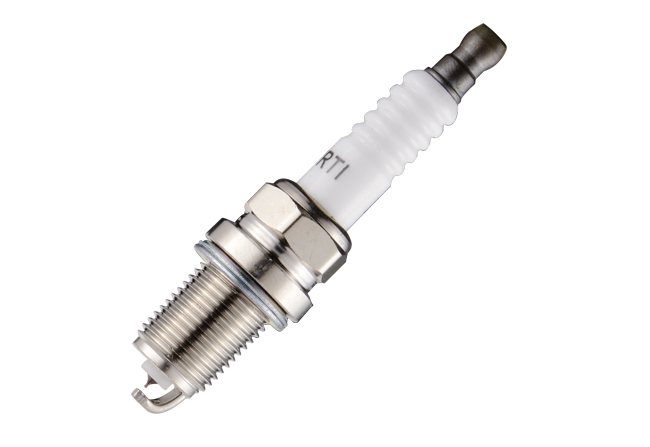
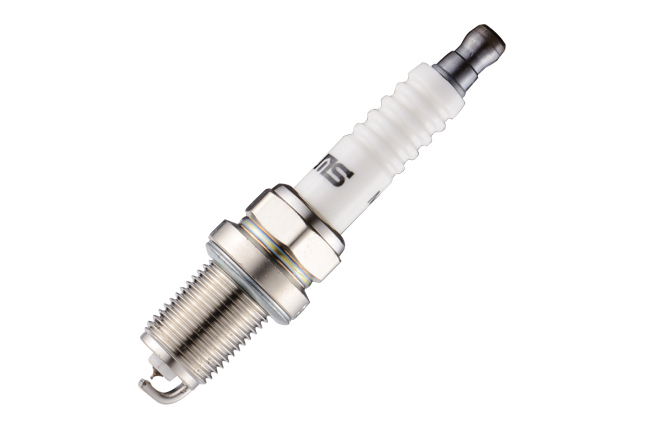
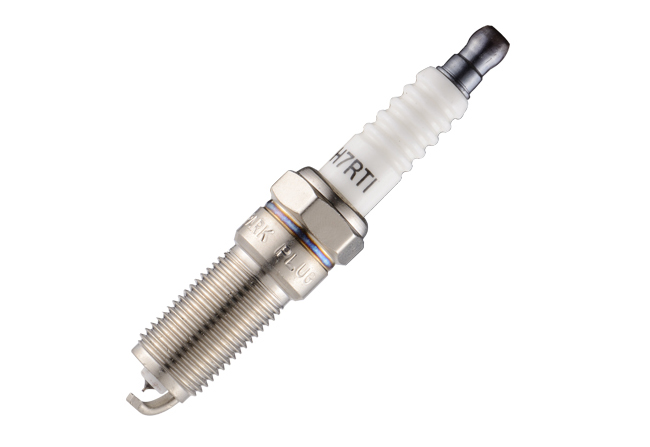
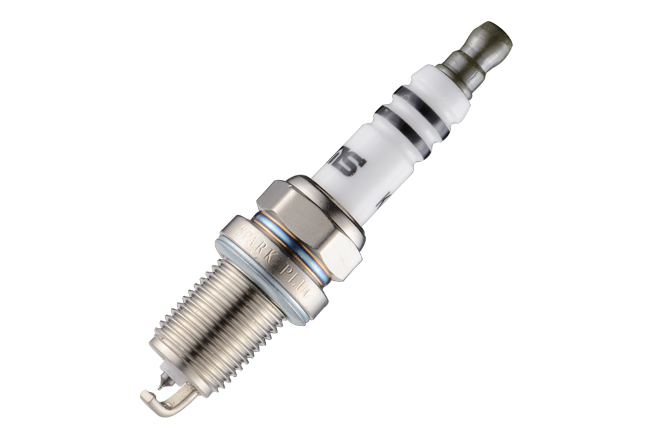
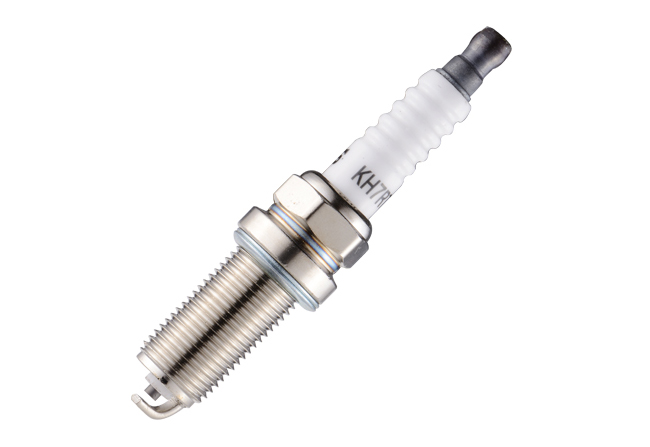
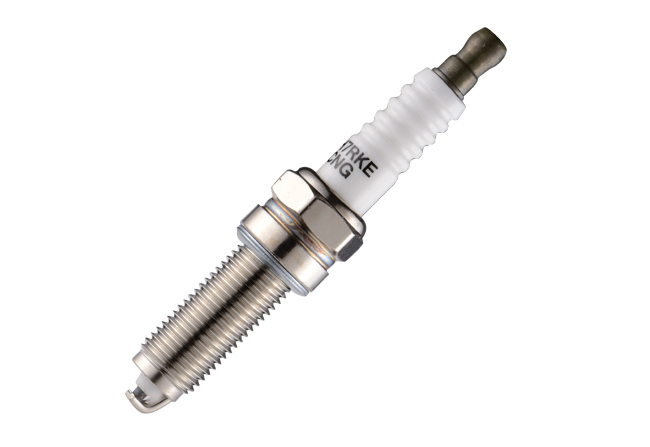
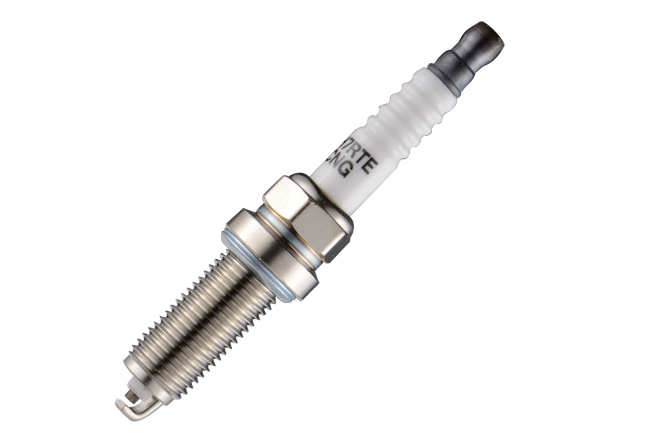
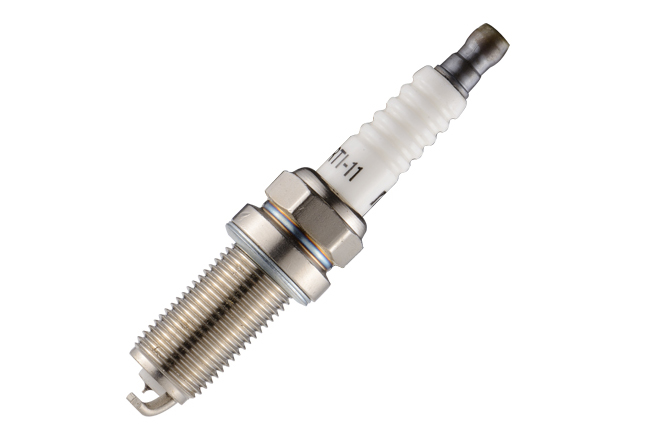
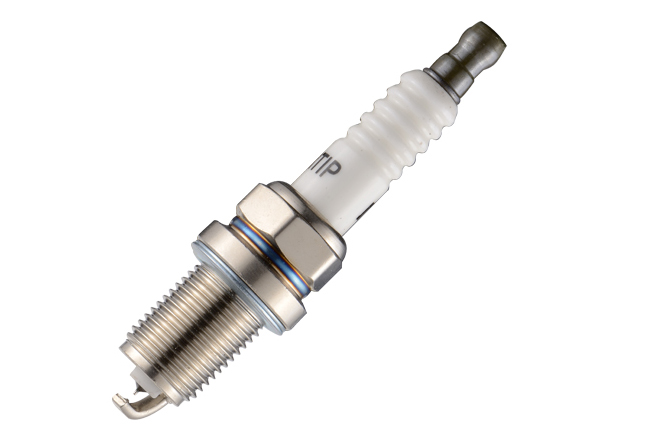
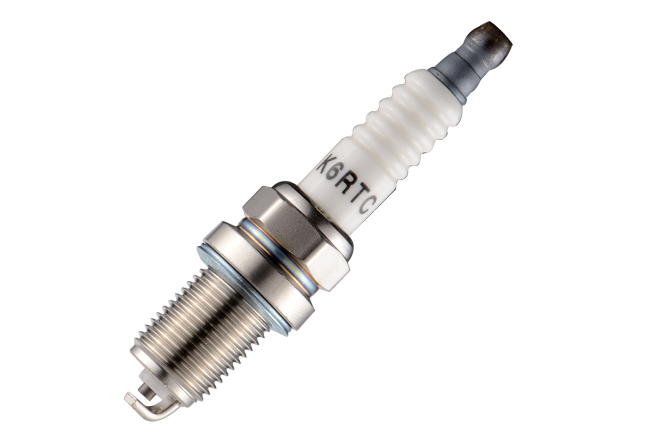
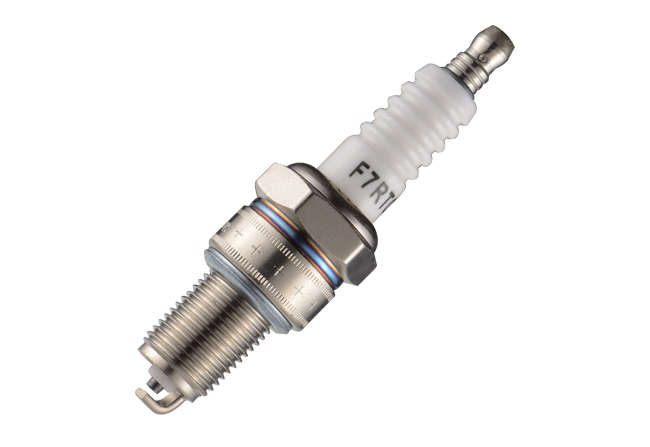
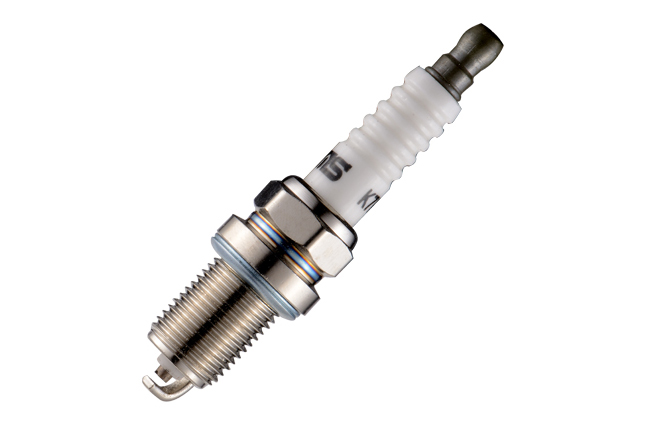
Automotive spark plugs are critical ignition components used in gasoline engines. Their main function is to generate an electric spark that ignites the compressed air-fuel mixture inside the engine cylinder. Without a properly functioning car engine spark plug, the engine cannot operate efficiently.
Modern vehicles require stable ignition systems to maintain engine performance, fuel economy, and emission standards. A high-quality spark plug can withstand temperatures exceeding 1000°C and ignition voltages above 30,000 volts. Because engines operate at extremely high speeds, a single spark plug may fire millions of times during its service life.
Poor-quality or worn spark plugs may lead to engine misfires, hard starting, rough idling, increased fuel consumption, and reduced acceleration. According to automotive maintenance studies, replacing damaged spark plugs can improve fuel efficiency by approximately 5% to 10%.
(1)Copper Spark Plugs
Copper spark plugs are known for excellent electrical conductivity and fast heat transfer. They are widely used in older vehicles and some high-performance engines. However, they usually have a shorter lifespan of around 20,000 to 30,000 miles.
(2)Platinum Spark Plugs
Platinum spark plugs offer better durability than copper plugs. Their platinum center electrodes reduce wear and provide stable ignition performance over longer service intervals.
(3)Iridium Spark Plugs
Iridium spark plugs are considered premium products due to their superior hardness and heat resistance. Many modern vehicles use iridium spark plugs because they can last up to 100,000 miles while maintaining efficient ignition performance.
Comparison of Different Automotive Spark Plug Types
| Spark Plug Type |
Service Life |
Main Feature |
| Copper |
20,000-30,000 Miles |
Excellent Conductivity |
| Platinum |
60,000 Miles |
Good Durability |
| Iridium |
80,000-100,000 Miles |
Long Lifespan & Stable Ignition |
3. Signs That Your Spark Plugs Need Replacement
Regular inspection and replacement of automotive spark plugs are important for maintaining engine efficiency. Ignoring worn spark plugs may increase maintenance costs and negatively affect engine performance.
- Difficulty starting the vehicle, especially in cold weather.
- Noticeable engine vibration or rough idling.
- Reduced fuel efficiency and increased fuel consumption.
- Slow acceleration and engine power loss.
- Engine misfire warning or check engine light activation.
Automotive experts recommend checking spark plugs every 20,000 to 30,000 miles and replacing them according to the manufacturer’s maintenance schedule.
4. Advantages of High-Quality Automotive Spark Plugs
Premium car engine spark plugs improve combustion efficiency and help engines operate more smoothly. Advanced electrode materials and precision manufacturing technologies provide stable ignition even under extreme driving conditions.
High-performance spark plugs also reduce carbon deposits and improve heat dissipation. This can help extend engine life and reduce maintenance frequency. In turbocharged engines, efficient spark plugs are especially important because combustion chamber temperatures and pressures are significantly higher than in naturally aspirated engines.
Studies show that vehicles equipped with premium iridium spark plugs may reduce ignition energy loss by up to 15%, contributing to smoother acceleration and better throttle response.
5. Professional Automotive Spark Plug Manufacturer
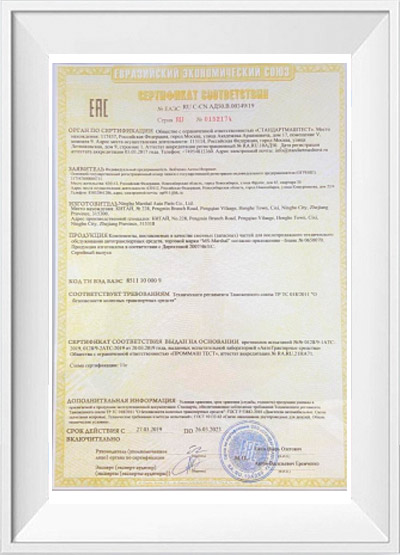
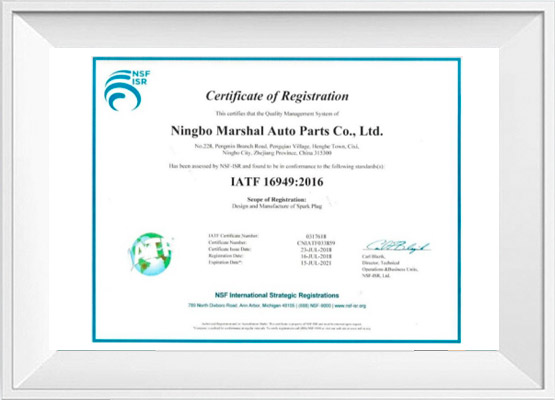
NINGBO MARSHAL AUTO PARTS CO., LTD. is a professional China Automotive Spark Plugs manufacturers and Automotive Spark Plugs factory. The company owns multiple product lines and continuously improves its engineering technology and manufacturing capabilities.
In engineering technology, the company has accumulated more than 30 years of development and reverse engineering experience. The electrodes have passed TUV certification and conform to RoHs and Reach standards. High-strength insulators utilize advanced 360° Continuous Laser technology to ensure reliable ignition stability.
In manufacturing, the company also operates its own ceramic factory. Ceramic insulators are fully self-produced with high density, improved dielectric strength, thickened insulator nose designs, and excellent mechanical strength suitable for modern automotive engines.
Additionally, the electrodes feature excellent electrical conductivity, heat resistance, heat dissipation, and ablation resistance. The spark plug shells provide better toughness and hardness, helping reduce shell cracking while improving heat transfer performance.
6. Frequently Asked Questions About Automotive Spark Plugs
Q1. How long do automotive spark plugs last?
The lifespan depends on the material. Copper spark plugs may last 20,000-30,000 miles, while iridium spark plugs can last up to 100,000 miles.
Q2. Can bad spark plugs affect fuel economy?
Yes. Worn or damaged spark plugs can cause incomplete combustion, leading to higher fuel consumption and lower engine efficiency.
Q3. Which spark plug type is best for modern cars?
Iridium spark plugs are widely considered the best option for modern vehicles because of their long lifespan, stable ignition, and excellent heat resistance.


 English
 中文简体
中文简体